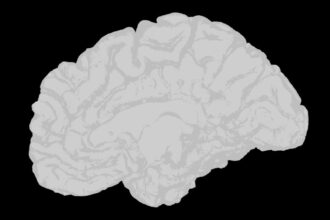
You stand at the precipice of a profound personal transformation, a journey not of external upheaval but of intricate internal engineering: rewiring your brain for positive thinking. This endeavor is not about suppressing negative thoughts or engaging in superficial affirmations. Instead, it involves a systematic approach to remolding the neural pathways that govern your perception, emotional responses, and ultimately, your outlook on life. Think of your brain as a vast, intricate city. Over time, certain routes—neural pathways—become heavily trafficked, worn down by consistent use. These established paths often lead to habitual negative thought patterns. Rewiring your brain is akin to building new superhighways, rerouting traffic away from the old, congested alleys and towards more efficient, constructive routes. This process is grounded in neuroplasticity, the brain’s remarkable ability to reorganize itself by forming new neural connections throughout life.
Your brain, a marvel of biological complexity, operates through a network of billions of neurons. These neurons communicate with each other through electrochemical signals, forming intricate circuits that underpin every thought, feeling, and action. When you engage in a particular thought or behavior repeatedly, the connections between the specific neurons involved are strengthened. This strengthening is mediated by changes in synaptic efficacy, the efficiency with which neurons communicate across their junctions (synapses).
The Role of Neurotransmitters and Hormones
The symphony of your internal world is orchestrated by a cast of neurotransmitters and hormones. Dopamine, often associated with pleasure and reward, plays a crucial role in motivation and learning, including the learning of new thought patterns. Serotonin contributes to mood regulation, and its fluctuations are implicated in conditions like depression. Norepinephrine influences alertness and arousal, while cortisol, a stress hormone, can hijack your cognitive processes when chronically elevated. Understanding these biochemical messengers provides a foundational layer for understanding why certain thoughts become dominant and how interventions can shift their balance.
Synaptic Plasticity: The Brain’s Adaptability
The concept of synaptic plasticity is central to rewiring your brain. This refers to the ability of synapses to strengthen or weaken over time in response to increases or decreases in their activity. This dynamic process is the biological substrate for learning and memory. When you consciously practice positive thinking, you are actively engaging in the process of strengthening the neural connections that support these positive cognitive patterns. Conversely, neglecting these pathways allows them to weaken, making it easier for negative patterns to reassert themselves.
Rewiring the brain for positive thinking is a fascinating topic that explores how our thought patterns can influence our mental well-being. For those interested in learning more about this subject, a related article can be found on Unplugged Psychology, which delves into various techniques and strategies to cultivate a more positive mindset. You can read the article here: Unplugged Psychology. This resource offers valuable insights into the science behind positive thinking and practical tips for implementing these changes in daily life.
Identifying and Challenging Negative Thought Patterns
The initial, and perhaps most critical, step in rewiring your brain is to become acutely aware of the mental narratives that play on repeat, particularly those with a negative valence. These are the internal dialogues that can sabotage your efforts, whisper doubts, and cast a pall over even the most promising situations. Recognizing these patterns is akin to a cartographer meticulously mapping out the prevailing winds and currents before setting sail.
Cognitive Distortions: The Architects of Negativity
A significant portion of negative thinking stems from what are known as cognitive distortions, systematic errors in thinking that are irrational and often emotionally charged. These are faulty blueprints that your mind uses to interpret reality, often leading to inaccurate and detrimental conclusions. Common distortions include:
Catastrophizing:
This involves predicting the worst possible outcome in any given situation, often with little or no evidence to support such a dire prediction. For instance, a minor setback in a project might be interpreted as a complete and utter failure, leading to feelings of hopelessness.
All-or-Nothing Thinking:
Also known as black-and-white thinking, this involves viewing situations in absolute terms, with no middle ground. You are either a complete success or a total failure; there is no room for nuance or partial achievement.
Mind Reading:
This distortion involves assuming you know what others are thinking, usually with negative interpretations. You might believe someone is judging you or disapproving of you without any concrete evidence, leading to social anxiety and avoidance.
Emotional Reasoning:
This is the tendency to believe that your emotions are valid evidence of reality. If you feel anxious, you conclude that there must be something to be anxious about, even if external circumstances do not support this feeling.
Labeling:
This involves assigning negative, global labels to yourself or others based on a single event or behavior. Instead of saying, “I made a mistake,” you might label yourself as “an idiot.”
The Practice of Self-Monitoring
To identify these distortions, you must cultivate a practice of self-monitoring. This involves paying attention to your thoughts, feelings, and behaviors throughout the day. When you notice a surge of negative emotion, pause and inquire, “What thought just preceded this feeling?” Journaling can be an invaluable tool here, providing a tangible record of your mental landscape.
Keeping a Thought Journal
Dedicate a notebook or a digital document to recording instances of negative thinking. Note the situation, the thought that arose, the emotion it triggered, and any subsequent behaviors. Over time, you will begin to recognize recurring themes and specific distortions that are particularly prevalent in your internal dialogue.
Identifying Triggers
Understanding what situations or interactions tend to activate your negative thought patterns is crucial. Are there particular people, environments, or even times of day that reliably bring forth these unwelcome guests? Identifying these triggers allows you to anticipate and prepare for them.
Cultivating Positive Affirmations and Gratitude

Once you have a clearer understanding of your negative thought patterns, the next phase involves actively introducing and reinforcing positive cognitive frameworks. This is not about ignoring reality, but about consciously directing your mental energy towards constructive and beneficial perspectives.
The Science Behind Affirmations
Affirmations, when crafted and utilized effectively, are not simply wishful thinking. They can act as powerful mental rehearsal tools, subtly influencing your beliefs and behaviors by engaging the brain’s reward system. By repeatedly exposing yourself to positive statements about yourself and your capabilities, you begin to create new neural associations that can override the old, negative ones.
Crafting Effective Affirmations
The most potent affirmations are specific, positive, and stated in the present tense. Instead of a vague “I am happy,” consider “I am capable of finding joy and contentment in my daily life.” They should reflect desired states or beliefs, not the absence of negative ones.
Consistency is Key
The efficacy of affirmations hinges on consistent practice. Integrating them into your daily routine, perhaps during meditation, while brushing your teeth, or before bed, will contribute to their saturation within your neural networks.
The Power of Gratitude
Gratitude is a potent antidote to negativity. The act of recognizing and appreciating the good things in your life, no matter how small, shifts your focus away from what is lacking and towards what is abundant. This actively rewires your brain’s reward pathways, fostering a more optimistic and content outlook.
The Gratitude Journal
Similar to a thought journal, a gratitude journal serves as a dedicated space for recording things you are thankful for. This can range from significant life events to simple pleasures like a warm cup of coffee or a beautiful sunset.
Practicing Mindful Appreciation
Beyond journaling, actively cultivating moments of mindful appreciation throughout your day is beneficial. When you experience something positive, take a few moments to savor it, to truly feel the enjoyment, and to acknowledge its presence. This conscious engagement deepens the impact.
The Role of Mindfulness and Meditation in Rewiring

Mindfulness and meditation are cornerstones of rewiring your brain for positive thinking, acting as powerful tools for both observing and recalibrating your internal mental landscape. They provide a structured approach to developing self-awareness and cultivating present moment focus, which are essential for disrupting negative thought cycles.
Mindfulness: Anchoring Yourself in the Present
Mindfulness is the practice of bringing your attention to the present moment, non-judgmentally. It is about observing your thoughts, feelings, and bodily sensations without getting carried away by them. Think of it as learning to stand on the bank of a river and observe the thoughts flowing by, rather than being swept away by the current.
Developing Present Moment Awareness
Through mindful observation, you learn to notice when your mind has wandered into rumination or worry. This awareness is the crucial first step in redirecting your attention. You are not trying to stop the thoughts, but rather to develop the capacity to observe them without entanglement.
Decoupling Thoughts from Emotions
Mindfulness helps you to recognize that thoughts are simply mental events, not necessarily reflections of reality. This allows you to begin decoupling negative thoughts from the intense emotional reactions they often trigger. You can observe a worrisome thought and acknowledge its presence without immediately believing it or succumbing to its associated fear.
Meditation: Training Your Brain’s Focus
Meditation is a more formalized practice that cultivates mindfulness and trains your brain’s attentional networks. Regular meditation can physically alter brain structures associated with emotion regulation and self-awareness.
Focused Attention Meditation
This common form of meditation involves focusing your attention on a single object, such as your breath, a mantra, or a sensation. When your mind wanders, as it inevitably will, you gently bring your attention back to your chosen anchor. This repeated redirection strengthens your ability to control your focus.
Loving-Kindness Meditation (Metta)
This practice involves cultivating feelings of warmth, compassion, and goodwill towards yourself and others. By intentionally generating positive emotions, you directly counter negative mental states and foster a more positive internal environment. This is like watering the seeds of positivity in your mind.
Rewiring the brain for positive thinking is an intriguing concept that can significantly enhance our overall well-being. By adopting practices such as mindfulness and cognitive restructuring, individuals can shift their thought patterns towards a more optimistic outlook. For those interested in exploring this topic further, a related article offers valuable insights into the science behind these techniques and their practical applications. You can read more about it in this informative piece that delves into how our mindset can be transformed for a healthier life.
Embracing Neuroplasticity Through Action and Lifestyle
| Metric | Description | Typical Range/Value | Impact on Positive Thinking |
|---|---|---|---|
| Neuroplasticity Rate | Speed at which the brain forms new neural connections | High in young adults; decreases with age | Higher rates facilitate faster rewiring for positive thought patterns |
| Frequency of Positive Affirmations | Number of positive statements repeated daily | 5-10 times per day recommended | Increases activation of positive neural pathways |
| Mindfulness Practice Duration | Time spent daily on mindfulness or meditation | 10-20 minutes per day | Enhances emotional regulation and reduces negative bias |
| Reduction in Negative Thought Patterns | Decrease in frequency of negative automatic thoughts | Target: 30-50% reduction over weeks | Essential for establishing positive cognitive habits |
| Increase in Dopamine Levels | Neurochemical associated with reward and motivation | Varies; boosted by positive activities | Supports motivation and reinforces positive thinking |
| Consistency of Practice | Number of consecutive days practicing positive thinking techniques | Minimum 21 days to form new habits | Critical for lasting brain rewiring |
Rewiring your brain is not a passive undertaking; it requires active engagement and the integration of these principles into your daily life. Beyond specific techniques, certain lifestyle choices can significantly bolster your brain’s capacity for positive change.
The Impact of Physical Activity
Engaging in regular physical exercise has well-documented benefits for brain health, including the promotion of neurogenesis (the creation of new neurons) and increased blood flow to the brain. Exercise also plays a role in the regulation of neurotransmitters like serotonin and dopamine, which are crucial for mood and motivation.
Aerobic Exercise and Cognitive Function
Aerobic activities like running, swimming, or brisk walking have been shown to improve cognitive function, including memory and executive function. The release of endorphins during exercise also contributes to an improved mood, indirectly supporting positive thinking.
Strength Training and Brain Health
While often overlooked in the context of mental wellness, strength training also contributes to overall brain health. It can improve insulin sensitivity, which is linked to better cognitive function, and can also reduce inflammation, a factor implicated in various cognitive impairments.
The Importance of Sleep and Nutrition
The quality of your sleep and the nutritional content of your diet have a profound impact on your brain’s structure and function. Inadequate sleep impairs cognitive processes, including emotional regulation and attention, making it harder to engage in positive thinking. Similarly, a diet lacking in essential nutrients can hinder your brain’s ability to repair and regenerate.
The Neurobiology of Sleep
During sleep, your brain consolidates memories, clears out metabolic waste products, and restores crucial neurotransmitter levels. Chronic sleep deprivation can lead to increased irritability, reduced cognitive flexibility, and a heightened susceptibility to negative emotions.
Brain-Boosting Nutrients
A diet rich in omega-3 fatty acids (found in fatty fish), antioxidants (found in fruits and vegetables), and B vitamins is essential for optimal brain health. These nutrients support neuronal function, protect against oxidative stress, and contribute to the production of neurotransmitters that regulate mood.
Building a Supportive Environment
The external environment you inhabit plays a significant role in shaping your internal landscape. Surrounding yourself with positive influences, whether through relationships or your physical surroundings, can create fertile ground for positive thought patterns to flourish.
Curating Your Social Circle
The people you spend time with can significantly influence your outlook. Seek out individuals who are generally optimistic, supportive, and who encourage your growth. Limit your exposure to those who consistently engage in negative discourse or who drain your energy.
Creating a Positive Physical Space
Your living and working environments can also impact your mood and cognitive state. Decluttering your space, incorporating elements that bring you joy, and ensuring adequate natural light can contribute to a more positive and conducive atmosphere for rewiring your brain.
In conclusion, rewiring your brain for positive thinking is an ongoing, active process. It requires a commitment to self-awareness, a willingness to challenge ingrained patterns, and the consistent application of strategies that foster a more optimistic and constructive mental outlook. By understanding the biological underpinnings of thought and actively engaging in practices that leverage neuroplasticity, you can systematically reshape your internal world, transforming your relationship with your thoughts and cultivating a more enduring sense of well-being. This journey is not about achieving a state of perpetual euphoria, but about building resilience, developing a more balanced perspective, and empowering yourself to navigate life’s challenges with a greater degree of inner strength and optimism.
FAQs
What does rewiring the brain for positive thinking mean?
Rewiring the brain for positive thinking refers to the process of changing neural pathways through consistent practice and habits, enabling a person to focus more on positive thoughts and reduce negative thinking patterns.
How can one start rewiring their brain for positive thinking?
One can start by practicing mindfulness, engaging in positive affirmations, challenging negative thoughts, and consistently focusing on gratitude and optimistic perspectives to gradually build new neural connections.
Is rewiring the brain for positive thinking supported by scientific research?
Yes, neuroscience research supports the concept of neuroplasticity, which is the brain’s ability to change and adapt. This means that with intentional practice, individuals can develop more positive thinking patterns over time.
How long does it take to rewire the brain for positive thinking?
The time varies depending on the individual and the consistency of practice, but studies suggest that forming new neural pathways can take several weeks to months of regular effort.
Can rewiring the brain for positive thinking improve mental health?
Yes, cultivating positive thinking through brain rewiring techniques can lead to reduced stress, improved mood, and better overall mental health by promoting resilience and emotional well-being.