
You stand at the precipice of understanding yourself, not as a collection of fleeting emotions or external validations, but as a formidable force, anchored by a strong identity. This isn’t about arrogance or rigid self-definition; it’s about the profound, often untapped power that emerges when you truly know, accept, and embrace who you are at your core. Unveiling the power of strong identity psychology is an invitation to embark on a journey of self-discovery, a quest to build an unshakeable foundation from which you can navigate life’s complexities with clarity, resilience, and purpose.
Imagine your identity as a majestic castle. Its strength isn’t in its outward appearance, but in the solid bedrock upon which it’s built and the integral walls that define its structure. A strong identity is similarly constructed, not from thin air, but from a confluence of deeply ingrained elements. It’s the internal compass that guides your decisions, the shield that protects you from undue external influence, and the beacon that illuminates your path forward. Without these fundamental pillars, you risk being buffeted by every gust of wind, your sense of self constantly shifting and uncertain.
The Foundation of Self-Awareness: Knowing Your Inner Landscape
Before you can build anything substantial, you must understand the ground you’re standing on. Self-awareness is the bedrock of a strong identity. It’s the honest, often unvarnished, assessment of your values, beliefs, strengths, weaknesses, passions, and fears. This isn’t a one-time excavation; it’s an ongoing exploration. You need to be willing to delve into your inner landscape, to shine a light on the hidden corners, and to understand the motivations behind your thoughts and actions.
Unearthing Your Core Values: The Guiding Principles of Your Life
What truly matters to you? Is it honesty, compassion, creativity, ambition, security, or freedom? Your core values are the non-negotiables, the fundamental principles that inform your moral compass and drive your decision-making. When your actions align with your values, you experience a profound sense of integrity and authenticity. Conversely, when you act against them, you invite cognitive dissonance and a weakening of your self-concept. Recognizing these values is the first step in ensuring your life is lived in accordance with your deepest truths.
Identifying Your Strengths and Weaknesses: The Raw Materials of Your Potential
You are a unique blend of talents and challenges. Identifying your strengths allows you to leverage them, to build upon what you do well, and to contribute your unique gifts to the world. This isn’t about boasting; it’s about recognizing your capabilities and understanding where you can excel. Equally important is acknowledging your weaknesses. These are not flaws to be ashamed of, but areas for growth and development. A strong identity doesn’t pretend these weaknesses don’t exist; it acknowledges them and strategizes how to manage or overcome them, or even how to work with them in a way that minimizes their impact.
Recognizing Your Passions and Interests: The Fuel for Your Journey
What ignites your curiosity? What activities make you lose track of time? Your passions and interests are the vibrant colors that paint your life with meaning and joy. When you engage with what you love, you tap into a wellspring of energy and motivation. A strong identity is deeply intertwined with these passions, allowing them to shape your pursuits and provide a sense of purpose beyond the mundane.
The Role of Self-Acceptance: Embracing the Whole You
Once you’ve explored your inner landscape, the next crucial step is self-acceptance. This isn’t about complacency or resignation; it’s about a profound understanding and embrace of who you are, flaws and all. It’s the conscious decision to stop fighting against yourself and to begin working with the person you are, rather than the person you think you “should” be.
Letting Go of the Need for External Validation: Breaking Free from the Opinions of Others
Perhaps the most liberating aspect of strong identity psychology is its ability to liberate you from the relentless pursuit of external validation. When your self-worth is tied to the approval of others, you become a puppet, dancing to the tune of their opinions. Self-acceptance means recognizing that your worth is intrinsic and not dependent on whether others deem you worthy. This freedom allows you to make choices that are authentic to you, even if they deviate from popular opinion.
Integrating Your Past Experiences: Learning from, Not Being Defined By, Your History
Your past experiences, both positive and negative, have shaped you. A strong identity doesn’t erase or deny this history. Instead, it integrates it, learning valuable lessons and recognizing how these experiences have contributed to your resilience and wisdom. Self-acceptance means acknowledging your past without allowing it to define your future. You can learn from past mistakes and triumphs, using them as stepping stones rather than stumbling blocks.
Cultivating Self-Compassion: Being Kind to Yourself Through Life’s Challenges
Life is not always smooth sailing. There will be times of failure, disappointment, and self-doubt. Self-compassion is the practice of treating yourself with the same kindness, understanding, and forgiveness that you would offer to a dear friend. It’s recognizing that imperfection is part of the human experience and that struggling doesn’t diminish your worth. This gentle approach to yourself fosters resilience and prevents self-criticism from eroding your sense of self.
In exploring the concept of strong one identity psychology, it is essential to consider various perspectives on personal identity and self-concept. A related article that delves into these themes is available at Unplugged Psychology, where the complexities of identity formation and the psychological implications of a unified self are discussed. This resource provides valuable insights that complement the understanding of how individuals navigate their identities in a multifaceted world.
The Tangible Benefits of a Strong Identity
The development of a strong identity isn’t merely an academic exercise; it translates into tangible, life-altering benefits. When you operate from a place of solid self-understanding and acceptance, you unlock a reservoir of inner strength that impacts every facet of your life. These benefits extend from your personal well-being to your professional achievements and your interpersonal relationships.
Enhanced Resilience in the Face of Adversity: Bouncing Back Stronger
One of the most significant advantages of a strong identity is your heightened resilience. When challenges arise, and they inevitably will, you are better equipped to weather the storm. Your strong sense of self acts as an anchor, preventing you from being swept away by the currents of adversity. You can acknowledge the difficulty, feel the pain, but ultimately draw upon your inner resources to adapt, learn, and move forward.
Developing a Robust Coping Mechanism: Navigating Stress with Greater Ease
A well-defined identity often comes with well-developed coping mechanisms. You understand your triggers, your emotional responses, and what strategies help you manage stress effectively. This isn’t about suppressing emotions, but about understanding them and channeling them constructively. This proactive approach to managing stress reduces its detrimental impact on your physical and mental health.
Maintaining Perspective During Difficult Times: Seeing the Forest Through the Trees
When you are firmly rooted in your identity, you are less likely to be overwhelmed by immediate circumstances. You can maintain a broader perspective, understanding that difficult times are often temporary and that you possess the inner fortitude to overcome them. This ability to see the forest through the trees allows you to make more rational decisions and to avoid getting bogged down in despair.
Improved Decision-Making: Clarity and Confidence in Your Choices
A strong identity provides you with a clear framework for decision-making. When you know your values, your priorities, and your ultimate goals, choosing between options becomes significantly easier. You can weigh decisions against your inner compass, ensuring that your choices are aligned with who you are and where you want to go. This leads to a greater sense of confidence in your choices, reducing the nagging self-doubt that can plague those with a weaker sense of self.
Aligning Choices with Core Values: Authenticity in Action
Every decision you make is an opportunity to express your identity. When your choices are aligned with your core values, you live a life of greater authenticity. This creates a sense of inner harmony and reduces the internal conflict that arises from making decisions that betray your deepest principles.
Reducing Indecision and Analysis Paralysis: Moving Forward with Purpose
The fear of making the “wrong” decision can lead to debilitating indecision. A strong identity, grounded in self-awareness, helps you overcome this. You have a clearer understanding of what constitutes a “right” decision for you, allowing you to move forward with confidence and purpose, rather than getting stuck in endless analysis.
Stronger Interpersonal Relationships: Building Connections on a Solid Foundation
Your identity is not just about your internal world; it significantly influences how you connect with others. When you have a strong sense of self, you are better equipped to build authentic, healthy, and fulfilling relationships. You are less likely to enter relationships out of neediness or to compromise your boundaries.
Setting Healthy Boundaries: Protecting Your Energy and Well-being
A clear understanding of your own needs and values naturally leads to the ability to set healthy boundaries. You can assert your limits without fear of rejection or judgment, protecting your emotional and mental energy. This is crucial for preventing resentment and fostering mutual respect in your relationships.
Communicating Authentically: Speaking Your Truth with Clarity and Confidence
When you know who you are, you can communicate your thoughts, feelings, and needs more authentically. You are less likely to people-please or to shy away from expressing your true opinions. This honest and direct communication fosters deeper understanding and intimacy in your relationships.
Attracting Like-Minded Individuals: Building a Supportive Network
A strong identity acts as a magnet, attracting individuals who resonate with your values and outlook. You are more likely to form genuine connections with people who appreciate and understand the real you, creating a supportive network that enhances your life.
The Dynamic Nature of Identity: Growth and Evolution

It’s crucial to understand that a strong identity is not static. It’s not a finished product you achieve and then rest upon. Instead, it’s a dynamic, evolving entity that grows and adapts as you navigate life’s experiences and learn more about yourself. Embracing this dynamic nature is key to continued personal growth and maintaining a robust sense of self.
Embracing Change as an Opportunity for Growth: Adapting and Thriving
Life is characterized by constant change. A strong identity doesn’t resist change; it embraces it as an opportunity for growth. You understand that evolving is a natural part of life and that adapting to new circumstances can lead to new discoveries about yourself and your capabilities.
Re-evaluating Values and Beliefs: Staying True to Your Evolving Self
As you gain new experiences and insights, your values and beliefs may naturally evolve. A strong identity allows you to engage in this process of re-evaluation with honesty and openness. It’s about staying true to your core essence while also allowing yourself to grow and expand your understanding of the world and your place in it.
Learning New Skills and Embracing New Challenges: Expanding Your Horizons
The desire to learn and grow is a hallmark of a strong and evolving identity. You are not afraid to step outside your comfort zone, to acquire new skills, and to take on new challenges. This continuous learning enriches your life and strengthens your sense of competence and self-efficacy.
The Role of Reflection and Mindfulness: Cultivating Ongoing Self-Awareness
To foster the dynamic nature of your identity, consistent reflection and mindfulness are essential practices. These tools allow you to pause, observe your thoughts and feelings, and gain deeper insights into your inner workings. This ongoing self-awareness fuels your growth and ensures that your identity remains a vibrant and living force.
Journaling and Self-Reflection: Documenting Your Inner Journey
The act of journaling provides a space to document your thoughts, feelings, and experiences. Regularly reviewing your journal entries can reveal patterns, identify areas for growth, and help you understand the nuances of your evolving identity. This deliberate reflection is a powerful tool for self-discovery.
Practicing Mindfulness: Being Present in Your Experience
Mindfulness is the practice of paying attention to the present moment without judgment. By cultivating mindfulness, you become more attuned to your inner experiences, noticing subtle shifts in your thoughts and emotions. This heightened awareness allows you to respond to life’s circumstances with greater intention and less reactivity, contributing to a more grounded and evolving sense of self.
Practical Strategies for Cultivating a Stronger Identity
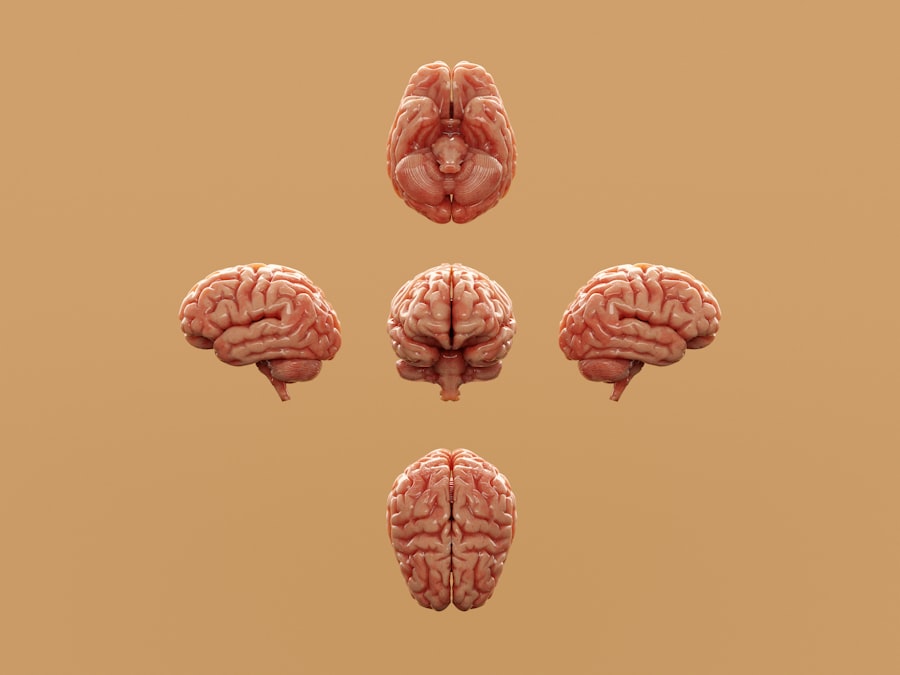
The journey to a stronger identity is an active one. It requires conscious effort and the implementation of practical strategies. While the foundational understanding is crucial, it’s the consistent application of these principles that truly solidifies your sense of self.
Engaging in Self-Exploration Activities: Actively Discovering Your Inner World
You cannot simply “find” your identity; you must actively seek it out. Engaging in intentional self-exploration activities is vital for uncovering the layers of your personality, values, and aspirations. These activities can be both formal and informal, but their common goal is to facilitate a deeper understanding of yourself.
Taking Personality Assessments: Gaining Objective Insights
Tools like the Myers-Briggs Type Indicator (MBTI) or the Enneagram can offer valuable objective insights into your personality preferences, motivations, and potential strengths and weaknesses. While not definitive pronouncements, they can serve as excellent starting points for self-reflection and exploration.
Exploring Your Childhood and Family History: Understanding Your Roots
The environment in which you grew up, your family dynamics, and significant childhood experiences have undoubtedly shaped your early identity. Delving into this history, perhaps with the help of a therapist or through journaling, can illuminate patterns of behavior and belief that you may not even be aware of. Understanding your roots provides context for your present self.
Seeking Feedback from Trusted Sources: Gaining External Perspectives
While internal validation is paramount, constructive feedback from trusted friends, family members, or mentors can offer valuable external perspectives. Ask them about your strengths, your impact on others, and areas where they see you shining. Be open to hearing their observations, even if they sometimes surprise you.
Prioritizing Self-Care: Nurturing Your Mind, Body, and Spirit
A strong identity requires a healthy and well-cared-for vessel. Prioritizing self-care is not a luxury; it’s a fundamental necessity for cultivating and maintaining a robust sense of self. When you nourish your mind, body, and spirit, you create the optimal conditions for your identity to flourish.
Establishing Healthy Routines: Creating Structure and Stability
Consistent healthy routines provide a sense of structure and stability in your life. This includes regular sleep patterns, healthy eating habits, and incorporating physical activity into your week. These routines contribute to overall well-being and provide a sense of control, which is foundational to a strong identity.
Engaging in Activities That Recharge You: Replenishing Your Energy Reserves
Identify the activities that truly recharge your batteries and make time for them consistently. This could be spending time in nature, pursuing a creative hobby, meditating, or simply enjoying quiet solitude. Replenishing your energy reserves prevents burnout and allows you to show up as your best self.
Setting Realistic Goals and Celebrating Achievements: Building Momentum and Self-Efficacy
Setting achievable goals and celebrating your successes, no matter how small, is crucial for building self-efficacy and a positive self-image. This process reinforces your capabilities and demonstrates to yourself that you are capable of growth and accomplishment, further solidifying your strong identity.
Embracing Authenticity in Daily Life: Living in Alignment with Your True Self
The ultimate expression of a strong identity is living authentically in your daily life. This means making conscious choices that align with your values, expressing your true thoughts and feelings, and allowing yourself to be seen for who you truly are. Authenticity is the outward manifestation of your inner strength.
Speaking Your Truth with Courage and Kindness: Honest Communication
Learning to speak your truth with courage, while also maintaining kindness and respect for others, is a hallmark of a strong identity. This involves expressing your opinions, needs, and feelings honestly without being aggressive or dismissive. It’s about finding the balance between assertiveness and empathy.
Making Choices Aligned with Your Values: Living Your Principles
Every choice you make, from what you eat to how you spend your time, is an opportunity to express your values. When you consistently make choices that align with your core principles, you reinforce your identity and build a life that feels deeply meaningful and authentic.
Resisting the Urge to Conform: Standing Firm in Your Individuality
The pressure to conform can be immense, but a strong identity empowers you to resist this urge when it conflicts with your inner truth. It means being comfortable with your individuality, even if it means standing out from the crowd. This courage to be different is a powerful testament to your self-assurance.
In exploring the concept of strong one identity psychology, it is fascinating to consider how our sense of self can influence our interactions and relationships. A related article that delves deeper into this topic can be found on Unplugged Psychology, where the complexities of identity formation are examined in detail. By understanding the nuances of our identities, we can better navigate the challenges of personal growth and social dynamics. For more insights, you can read the article here.
The Ongoing Journey: The Lifelong Power of a Strong Identity
| Metrics | Data |
|---|---|
| Self-Concept | Clear and stable sense of self |
| Self-Esteem | High self-worth and confidence |
| Self-Reliance | Independent and self-sufficient |
| Self-Regulation | Ability to control emotions and behavior |
Unveiling the power of strong identity psychology is not a destination; it is an ongoing, lifelong journey. The strength you cultivate today will serve as a powerful foundation for the challenges and opportunities of tomorrow. By committing to understanding, accepting, and evolving your identity, you unlock a profound and enduring source of power, resilience, and fulfillment that will shape the trajectory of your life in immeasurable ways. You are not merely navigating life; you are actively creating it, guided by the unwavering compass of your authentic self. Embrace this power, and watch as you transform your world from the inside out.

Why You’d Rather Struggle Than Ask for Help
FAQs
What is the concept of strong one identity in psychology?
The concept of strong one identity in psychology refers to the development of a clear and stable sense of self. It involves having a strong understanding of one’s values, beliefs, and personal identity, and feeling confident and secure in one’s sense of self.
How does strong one identity impact mental health?
Having a strong sense of identity is linked to positive mental health outcomes. It can lead to greater self-esteem, resilience, and overall well-being. Conversely, a weak or unclear sense of identity can contribute to feelings of confusion, low self-worth, and psychological distress.
What factors contribute to the development of a strong one identity?
Several factors contribute to the development of a strong sense of identity, including supportive relationships, positive role models, opportunities for self-exploration, and a sense of belonging within a community or culture. Additionally, experiences of personal growth and self-reflection can also play a role in identity development.
Can a strong one identity change over time?
While a strong sense of identity is often associated with stability, it is important to recognize that identity is not static and can evolve over time. Life experiences, personal growth, and changes in circumstances can all influence an individual’s sense of identity, leading to shifts and developments in how one perceives themselves.
How can individuals strengthen their sense of identity?
Individuals can strengthen their sense of identity by engaging in self-exploration, seeking out supportive relationships, pursuing personal interests and passions, and reflecting on their values and beliefs. Additionally, therapy and counseling can provide a space for individuals to explore and understand their identity in greater depth.