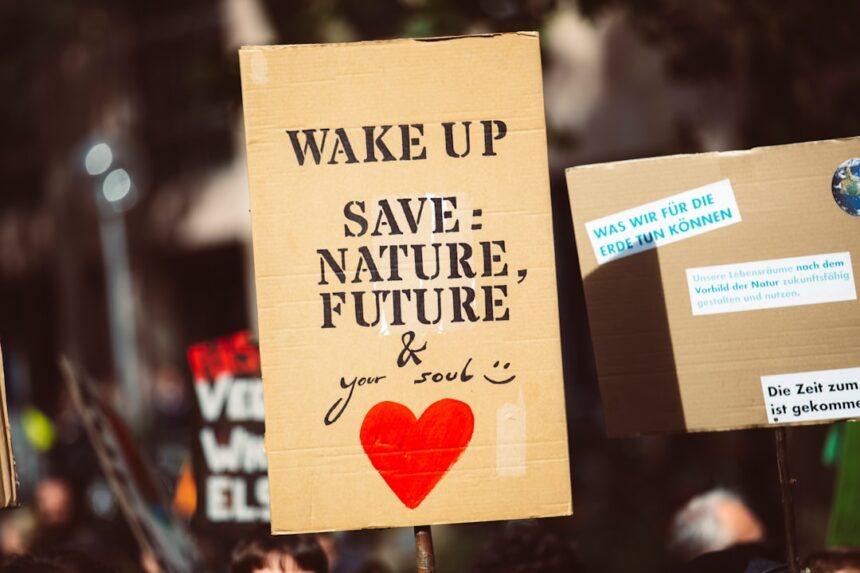
You stand on the precipice of a world in flux. The air you breathe, the ground beneath your feet, the very rhythm of your days – they are all shifting. This constant metamorphosis of your environment, from the grand scale of climate change to the subtle shifts in social norms, inevitably reshapes your expectations. It’s a fascinating, often disorienting, dance between what you anticipate and what you actually experience. Understanding this impact is not just an academic exercise; it’s a survival skill, a pathway to resilience, and a key to navigating the complexities of modern life.
You’ve likely noticed it yourself. The weather isn’t what it used to be. Summers are hotter, winters are less predictable, and storms seem to be brewing with a new intensity. This isn’t just anecdotal; it’s a tangible manifestation of environmental change. And as these external realities alter, so too do your internal frameworks – your expectations.
Climate Change and the Erosion of Predictability
You grew up with a certain understanding of seasons. You knew when to expect snow, when the first blossoms would appear, and when the heat would truly set in. This predictable rhythm provided a sense of order and allowed you to plan your life accordingly. Now, however, that predictability is being eroded.
Seasonal Surprises and Disrupted Rhythms
Perhaps you’ve experienced springs that arrive too early, catching you off guard with allergies and an unprepared garden. Or maybe you’ve endured winters that are surprisingly mild, making you question the efficacy of your heavy coats and the need for extensive snow-clearing preparations. These disruptions to seasonal rhythms can lead to a subtle but pervasive sense of unease. You might find yourself constantly second-guessing what to wear, when to plant, or when to book that winter vacation. Your expectations of what a “normal” season entails are being rewritten, often on the fly, leaving you in a state of perpetual adaptation.
Extreme Weather Events: The New Normal?
Beyond the gradual shifts, you are increasingly confronting the impact of extreme weather events. Hurricanes, floods, wildfires, and droughts are becoming more frequent and more intense. These events don’t just cause immediate damage; they fundamentally alter your perception of risk and safety. You might find yourself developing a heightened anxiety about your home’s vulnerability, or you may start to expect that power outages and supply chain disruptions are not anomalies but recurring possibilities. This can lead to a shift in your expectations about personal security and the reliability of infrastructure. You might begin to invest in backup generators, stock up on emergency supplies, or develop more robust evacuation plans, all driven by the evolving expectation of potential disaster.
Technological Advancements: The Double-Edged Sword of Progress
The digital revolution has been another colossal force reshaping your world. From the smartphone in your pocket to the AI whispering suggestions in your ear, technology has profoundly impacted how you live, work, and interact. This rapid advancement has created a cascade of altered expectations.
Instant Gratification and the Diminishing Patience
You’ve become accustomed to the immediate. Want to know something? You can find out in seconds. Want to buy something? It can be delivered to your doorstep tomorrow, or even today. This culture of instant gratification has, perhaps unconsciously, shortened your patience. You might find yourself frustrated by slow internet speeds, delayed responses, or even the time it takes for a kettle to boil. Your expectation is now for things to happen now, and anything less can feel like an inconvenience, a sign of inefficiency. This can translate into your personal relationships, your professional life, and even your expectations of how quickly solutions to problems should be found.
The Always-On Culture: Blurring Boundaries
The constant connectivity afforded by technology has blurred the lines between your personal and professional lives. You can check emails from your couch, take work calls while on vacation, and be available 24/7. This has fostered an expectation of constant availability, both from others and for yourself. You might find yourself feeling guilty if you’re not responding to messages immediately or if you’re not “productive” during non-traditional work hours. Your expectation of work-life balance has been fundamentally altered, often in favor of a perpetual state of engagement. This can lead to burnout and a feeling that you are never truly “off.”
The Rise of AI: From Novelty to Necessity
Artificial intelligence is no longer a futuristic concept; it’s an integrated part of your daily life. From personalized recommendations to automated customer service, AI is silently, and increasingly, shaping your experiences. Initially, AI might have been a novelty, something you interacted with out of curiosity. Now, you might expect it to be there, to anticipate your needs, and to offer seamless solutions. For example, you might expect your streaming service to know exactly what you want to watch next, or your smart home device to understand your commands effortlessly. This expectation of intelligent assistance can also lead to frustration when AI systems fall short or exhibit biases, revealing the complexities and limitations of this rapidly evolving technology.
The phenomenon of our environment changing before our expectations can be intriguing and often perplexing. In a related article, the author explores how our perceptions and mental frameworks can shape our experiences, leading to a disconnect between what we anticipate and what actually unfolds in our surroundings. This concept is further examined in detail, highlighting the psychological mechanisms at play. For more insights on this topic, you can read the full article [here](https://www.unpluggedpsych.com/sample-page/).
Societal Shifts and the Evolving Definition of “Normal”
Beyond the physical and technological, the social fabric of your world is also in constant motion. Shifting demographics, evolving cultural values, and changing political landscapes all contribute to a redefinition of what you consider “normal.” This, in turn, profoundly influences your expectations about how you should live, interact, and be treated.
Evolving Social Norms and Personal Identity
You live in a time of unprecedented openness and acceptance regarding diverse identities and lifestyles. This has opened up new avenues for self-expression and has challenged many traditional norms. For you, this might mean an expectation of greater inclusivity in your workplace, your social circles, and the media you consume. You might expect to see a wider range of representation and a more nuanced understanding of different identities.
Redefining Gender and Relationships
The conversation around gender identity and fluidity is transforming how you understand and relate to others. You might find yourself having to adjust your language, your assumptions, and your understanding of traditional gender roles. This can lead to a recalibrating of your expectations in relationships, both romantic and platonic, as you embrace a more expansive view of human connection. The traditional expectations of courtship, marriage, and family structures are being challenged and redefined, leading to a greater diversity of lived experiences and personal aspirations.
The Workplace Revolution: Flexibility and Purpose
The traditional nine-to-five office job is no longer the sole paradigm. The rise of remote work, flexible hours, and a greater emphasis on work-life balance has fundamentally altered expectations for many. You might now expect your employer to offer options for remote work, flexible schedules, and a focus on employee well-being. Furthermore, there’s a growing expectation for work to be meaningful and purpose-driven, not just a means to an end. This shift can lead to greater job satisfaction but also to higher demands on employers and a more discerning approach to career choices.
Political and Economic Volatility: Navigating Uncertainty
The global political and economic landscape can feel particularly turbulent at times. Elections, policy changes, and economic downturns can create a sense of instability that seeps into your everyday expectations.
Shifting Economic Realities and Financial Security
You might have grown up with certain expectations about economic mobility and financial security. However, rising inflation, increased cost of living, and evolving job markets can challenge those assumptions. You might find yourself expecting to work longer, save more diligently, or adjust your lifestyle expectations to cope with economic uncertainties. The traditional trajectory of homeownership, comfortable retirement, and financial stability can feel less guaranteed, leading to a recalibration of long-term financial planning and an increased awareness of economic risks.
Political Polarization and Social Trust
Increasing political polarization can create a climate of tension and distrust. You might find yourself expecting division and disagreement in public discourse, or you may feel a growing sense of unease about the future of your society. This can impact your expectations of civic engagement, your willingness to participate in public life, and your overall sense of social cohesion. The erosion of trust in institutions and in fellow citizens can lead to a more guarded and perhaps cynical outlook, influencing how you interact with the world around you.
Personal Adaptation: The Art of Reshaping Your Expectations
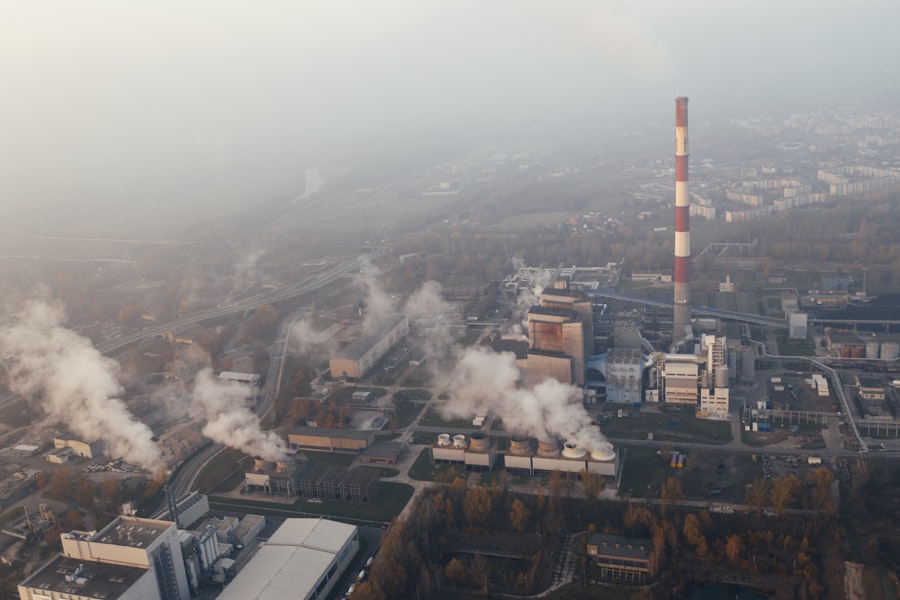
Given the relentless tide of change, the ability to adapt your expectations is not just beneficial; it’s essential for your well-being. It’s about actively engaging with the shifting landscape rather than being passively swept away by it.
Understanding why your environment changes before your expectations can be quite enlightening, as it highlights the dynamic interplay between our perceptions and the world around us. A related article that delves deeper into this topic can be found at Unplugged Psychology, where the author explores how our mental frameworks shape our experiences and influence our reactions to environmental shifts. By examining these concepts, we can better navigate the complexities of our surroundings and align our expectations with reality.
Embracing Flexibility: The Key to Resilience
You are not a static being. You have an inherent capacity for growth and change. Embracing this flexibility means understanding that your expectations are not set in stone. When faced with a new reality, your first instinct might be frustration or disappointment. However, cultivating a mindset of flexibility allows you to acknowledge these feelings while also actively seeking to adjust your outlook.
Rethinking Your Definition of Success
What once defined success for you might no longer be relevant in your current environment. Perhaps you expected a linear career progression, but your industry has been disrupted. Or maybe you envisioned a specific type of family life that now feels unattainable. This is an opportunity to redefine success on your own terms, aligning it with your current circumstances and evolving values. It’s about finding fulfillment in new ways and recognizing that achievement can manifest in diverse forms.
Developing a Growth Mindset
A growth mindset, as popularized by Carol Dweck, is crucial here. It’s the belief that your abilities and intelligence can be developed through dedication and hard work. When your expectations are challenged by environmental changes, a growth mindset encourages you to see these challenges not as insurmountable obstacles but as opportunities to learn and grow. You can actively seek out new skills, adapt your strategies, and reframe setbacks as valuable learning experiences. This perspective shift is fundamental to navigating uncertainty with confidence.
Cultivating Mindfulness: Staying Present in a Changing World
In a world that often pulls you in a million different directions, mindfulness offers a sanctuary of presence. It’s about paying attention to the here and now, without judgment. This practice is particularly valuable when your expectations are constantly being recalibrated.
Anchoring Yourself in the Present Moment
When you find yourself dwelling on past expectations that are no longer viable or worrying about future scenarios that are uncertain, mindfulness can bring you back to the present. By focusing on your breath, your senses, or your immediate surroundings, you can ground yourself and reduce anxiety. This allows you to observe the changes around you more objectively and respond more thoughtfully, rather than reactively.
Recognizing and Releasing Unhelpful Expectations
Mindfulness also provides the space to observe your own thought patterns, including your expectations. You can begin to identify which expectations are serving you and which are causing unnecessary stress. For instance, if you find yourself constantly frustrated by the pace of technological change, mindfulness can help you acknowledge that frustration without letting it dictate your mood. You can then consciously choose to release the expectation of instant perfection and embrace the ongoing learning curve.
The Future of Expectations: A Continuously Evolving Landscape
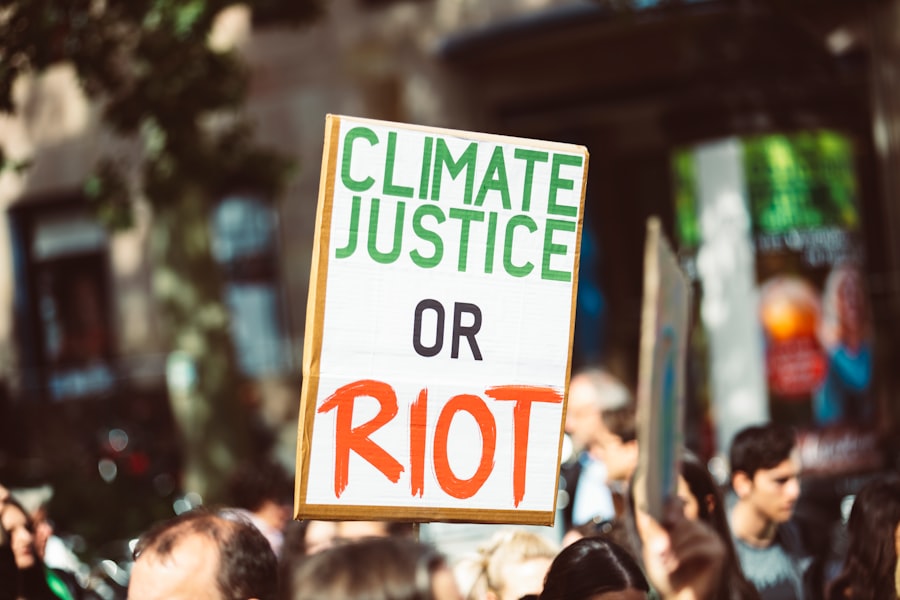
You are living through a period of unprecedented change, and this trend is likely to continue. The environments you inhabit will keep shifting, and with them, your expectations will continue to evolve. The key is not to resist this change but to understand it, adapt to it, and leverage it to build a more fulfilling and resilient future for yourself.
The Role of Collective Awareness and Action
While individual adaptation is vital, so too is collective awareness. When you understand that the changes you are experiencing are not isolated incidents but part of larger global trends, you can begin to see the interconnectedness of your experiences. This shared understanding can foster empathy and drive collective action towards creating more sustainable and equitable environments.
Shaping a Future That Aligns with Human Needs
Your evolving expectations can also serve as a powerful force for positive change. As you expect more sustainable practices, greater social justice, and more ethical technological development, you create demand for these shifts. By communicating your needs and aspirations, you can influence industries, governments, and communities to create a future that better aligns with human well-being and the health of the planet.
Embracing the Unknown with Optimism
Ultimately, navigating the impact of changing environments on your expectations is about embracing the unknown with a sense of informed optimism. It’s about recognizing that while change can be challenging, it also brings opportunities for growth, innovation, and a deeper understanding of yourself and the world around you. Your capacity to adapt and redefine your expectations is your greatest asset in this dynamic and ever-evolving journey.

Your Life Is Safe. So Why Are You Still on Alert?
FAQs
1. What factors contribute to changes in our environment?
Changes in our environment can be influenced by a variety of factors, including natural events such as weather patterns, geological processes, and ecological shifts, as well as human activities such as urbanization, industrialization, and pollution.
2. How do our expectations impact our environment?
Our expectations can impact our environment by influencing our behavior and decision-making. For example, if we expect a certain level of cleanliness in our surroundings, we may be more likely to take actions to maintain that standard.
3. Can changes in our environment affect our mental and emotional well-being?
Yes, changes in our environment can have a significant impact on our mental and emotional well-being. For example, exposure to natural beauty and green spaces has been shown to have positive effects on mental health, while exposure to pollution and urban stressors can have negative effects.
4. How can we adapt to changes in our environment when they do not meet our expectations?
Adapting to changes in our environment when they do not meet our expectations can involve adjusting our mindset, finding new ways to cope with the changes, and seeking out support from others. It may also involve taking action to address the factors contributing to the changes.
5. What role does resilience play in navigating changes in our environment?
Resilience plays a crucial role in navigating changes in our environment, as it allows us to bounce back from adversity, adapt to new circumstances, and maintain a sense of well-being despite challenges. Building resilience can help us better cope with unexpected changes in our environment.