
You’ve felt it, haven’t you? That prickling sensation on your skin, the hollow ache in your chest, the almost imperceptible way the world seems to tilt on its axis when you realize you’ve been overlooked. It’s a peculiar form of invisibility, one that doesn’t stem from a lack of physical presence, but from a deliberate or accidental absence of acknowledgment. This is the sting of being ignored, an experience that, once felt, can leave an indelible mark on your psyche, shaping your perceptions, your behaviors, and your very sense of self. You might dismiss it as a minor inconvenience, a fleeting moment of social awkwardness, but the truth is far more profound. The impact of being ignored is a slow, insidious force that can erode your confidence, foster a deep-seated sense of worthlessness, and fundamentally alter how you navigate the world.
When you are repeatedly ignored, it’s like a constant drip, drip, drip of doubt onto the foundation of your self-worth. Initially, you might brush it off. “They’re just busy,” you tell yourself. “I must have missed their attention.” But as the pattern repeats, these rationalizations begin to wear thin, replaced by a gnawing suspicion.
The Internal Dialogue of Disregard
Your internal monologue shifts from optimistic interpretations to self-critical ones. The questions begin to surface: What did I do wrong? Am I not interesting enough? Do I not matter? You start to dissect your every interaction, searching for clues, for confirmation of your burgeoning fears. You replay conversations in your mind, scrutinizing your words, your tone, your very presence. Did you speak too loudly? Too softly? Were you even in the right place at the right time? The relentless dissection fuels a negative feedback loop, where each instance of being ignored reinforces the belief that you are somehow deficient.
The Paranoia of Perception
This internal interrogation can breed a subtle paranoia. You begin to anticipate being overlooked. You might preemptively withdraw from situations where you fear being ignored, thus creating a self-fulfilling prophecy. You start to second-guess your own worth, believing that if others don’t see it, then perhaps it doesn’t exist. Your voice, once eager to be heard, begins to shrink, hushed by the fear of an unheeded utterance.
The Shifting Baseline of Value
Over time, the baseline of what you consider acceptable interaction shifts. You begin to lower your expectations, not just from others, but from yourself. A simple nod of acknowledgment, a brief glance of recognition, can become a significant victory. You learn to cherish these fleeting moments of connection, as they are rare and precious commodities in the landscape of your perceived invisibility. This recalibration, while a survival mechanism, is a testament to the erosion of your inherent value. You are no longer seeking genuine engagement, but merely the absence of complete disregard.
The Cost of Reduced Ambition
This diminished sense of self-worth has tangible consequences for your ambitions. Why pursue that promotion if you believe your contributions will be overlooked anyway? Why share that brilliant idea if it’s likely to be met with silence? The fear of another instance of being ignored can stifle your drive, leading you to opt for the path of least resistance, the one where disappointment is less likely to sting because you’ve already resigned yourself to a quiet existence.
It’s not uncommon to find yourself unable to stop thinking about someone who has ignored you, as this experience can evoke a range of emotions and thoughts that linger long after the interaction has ended. Understanding the psychological mechanisms behind this fixation can be enlightening. For a deeper exploration of this phenomenon, you can read a related article that discusses the emotional impact of being ignored and offers insights into why we may fixate on certain individuals. Check it out here: Unplugged Psych.
The Social Isolation Amplifier
Being ignored is not just a personal affront; it’s a powerful catalyst for social isolation. It creates a chasm between you and others, a space that can feel vast and unbridgeable.
The Paradox of Presence
You can be physically present in a room full of people, engaged in a lively conversation, yet feel utterly alone. When your attempts at participation are met with blank stares or swift changes of topic, the feeling of isolation intensifies. It’s a paradox: surrounded by humanity, yet utterly disconnected. This feeling is not about being shy; it’s about being rendered a non-entity in a social fabric that is supposedly woven with threads of connection.
The Formation of Social Walls
To protect yourself from the pain of repeated rejection, you begin to erect invisible walls. You become hesitant to initiate conversations, to offer opinions, to even make eye contact. These walls, while intended to shield you, effectively isolate you further. You become a spectator in your own life, observing the interactions of others from behind a barrier of your own making.
The Erosion of Trust
When you are consistently ignored, it chips away at your ability to trust others. You begin to question their intentions, their sincerity. Are they deliberately excluding you, or is it merely a habit they possess? Regardless of the answer, the outcome is the same: a growing suspicion that others are not invested in your presence, or worse, actively wishing you weren’t there. This erosion of trust makes it difficult to form genuine connections, as the foundation of mutual respect and acknowledgment is missing.
The Cycle of Avoidance
The more you are ignored, the more you tend to avoid social situations where you might experience it again. This creates a vicious cycle. You miss out on opportunities to build relationships, to be seen and heard, which in turn reinforces the feeling of being overlooked. Your social circle shrinks, and the world can begin to feel like a lonely, intimidating place.
The Impact on Communication and Expression
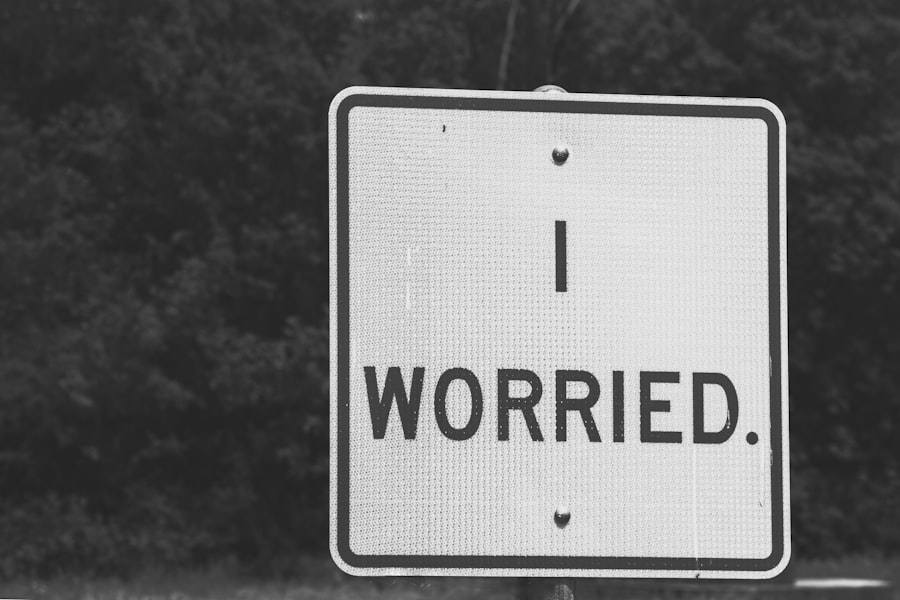
The experience of being ignored profoundly impacts how you communicate and express yourself. It’s as if your voice has been gradually muted, its volume turned down until it’s barely a whisper.
The Hesitation to Speak
The most immediate consequence is a palpable hesitation to speak. You learn that your words might not be heard, or worse, might be disregarded. This can manifest in various ways, from stumbling over your sentences to remaining completely silent. The risk of being ignored outweighs the potential reward of being understood.
The Loss of Spontaneity
The joy of spontaneous expression begins to fade. You become self-conscious about what you say, how you say it, and whether it will be met with a positive or indifferent response. This can lead to rehearsed conversations and a noticeable lack of authenticity in your interactions. The natural flow of communication is disrupted by the ever-present fear of the silent void.
The Choice of Subtlety (or Silence)
When you do attempt to communicate, you might resort to more subtle methods, hoping to be noticed without directly seeking attention. This could involve leaving passive-aggressive notes, making indirect comments, or hoping someone else will pick up on your unspoken needs. However, these subtle cues are often missed, further reinforcing the feeling of being unheard. In some cases, the effort becomes too great, and you retreat into silence altogether.
The Creative Bottleneck
This suppression of expression can extend beyond verbal communication. Your creativity can suffer as well. If you believe your ideas will be ignored, why invest the energy in developing them? You might find yourself censoring your creative impulses, preventing your unique perspectives from finding an outlet. This is a significant loss, not only for you but for the potential contributions you could make to the world.
The Shaping of Future Interactions

The lessons learned from being ignored don’t disappear when the immediate situation ends. They become ingrained in your behavioral patterns, shaping how you approach future interactions.
The Preemptive Strike of Self-Deprecation
One common defense mechanism is preemptive self-deprecation. You might make jokes about your own perceived insignificance or shortcomings before anyone else can. This is an attempt to control the narrative, to acknowledge your “flaws” before they are pointed out or, more likely, simply ignored. It’s a way of disarming potential critics and a subtle plea for validation, albeit one disguised as humor.
The Constant Seeking of Reassurance
You might find yourself constantly seeking reassurance from others, looking for external validation to counteract the internal void. This can manifest as over-explaining your actions, seeking constant praise for minor accomplishments, or being overly agreeable to avoid any potential for conflict or disapproval. The need for confirmation becomes a driving force.
The Tendency to Over-Apologize
The instinct to over-apologize is another common byproduct. You may find yourself apologizing for taking up space, for having needs, or for simply existing. This stems from the belief that your presence is an imposition, a notion deeply rooted in the experience of being ignored. You’ve learned that asking for something, or even just being there, can be met with dismissal, so you try to preemptively lessen the perceived burden of your existence.
The Difficulty in Setting Boundaries
Setting boundaries becomes an almost insurmountable challenge. If you’ve learned that your voice isn’t heard when you express your needs, how can you possibly assert your limits? You might find yourself consistently saying “yes” to requests you don’t want to fulfill, or allowing others to infringe upon your time and energy because you fear that asserting your boundaries will lead to further dismissal or rejection.
It’s not uncommon to find yourself unable to stop thinking about someone who has ignored you, and understanding the psychological reasons behind this can be quite enlightening. Often, our minds become fixated on unresolved situations, leading to a cycle of rumination that can be hard to break. This phenomenon can be further explored in an insightful article that discusses the emotional impact of being ignored and how it affects our thoughts and feelings. If you’re curious to learn more about this topic, you can read the article here: Unplugged Psychology. Understanding these dynamics can help you gain clarity and find a way to move forward.
The Long-Term Psychological Scars
| Reasons | Impact |
|---|---|
| Feeling of rejection | Emotional distress |
| Desire for closure | Mental preoccupation |
| Seeking validation | Decreased self-esteem |
| Unresolved feelings | Difficulty moving on |
The cumulative effect of being ignored can leave lasting psychological scars, impacting your overall well-being and mental health.
The Persistent Feeling of Unworthiness
At its core, the experience of being ignored cultivates a persistent feeling of unworthiness. You internalize the message that you are not important enough to warrant attention, that your presence is inconsequential. This can lead to a deep-seated insecurity that permeates all aspects of your life.
The Link to Depression and Anxiety
The chronic stress and emotional pain associated with being ignored can contribute to the development of depression and anxiety. The constant feeling of invalidation and isolation can be overwhelming, leading to feelings of hopelessness, sadness, and a pervasive sense of unease.
The Distorted View of Relationships
Your perception of relationships can become distorted. You might view all interactions through a lens of potential neglect, expecting the worst and being constantly on guard. This can make it difficult to form healthy, trusting bonds, as you are always anticipating the moment when you will once again be invisible.
The Struggle for Authentic Connection
Ultimately, the unforgettable impact of being ignored is the struggle for authentic connection. It is the yearning to be seen, heard, and valued for who you are. When this fundamental human need is repeatedly denied, it leaves a profound wound, a testament to the power of acknowledgment and the devastating consequences of its absence. You carry the memory of those moments of invisibility, and it shapes the way you seek to be seen, hoping that one day, your voice will finally echo in a space that truly hears it.

Why Your Brain Can’t Let Go When Someone Ignores You
FAQs
1. Why do people continue to think about someone who ignored them?
People may continue to think about someone who ignored them due to a variety of reasons, such as unresolved feelings, a desire for closure, or a need for validation.
2. Is it normal to constantly think about someone who ignored you?
It is normal to think about someone who ignored you, especially if the situation was emotionally impactful. However, if these thoughts become obsessive or interfere with daily life, it may be helpful to seek support from a mental health professional.
3. How can someone stop thinking about a person who ignored them?
Some strategies to stop thinking about someone who ignored you include practicing self-care, setting boundaries, seeking closure, and focusing on personal growth and new experiences.
4. Can ignoring someone be a form of emotional manipulation?
Ignoring someone can be a form of emotional manipulation in certain situations, such as when it is used to control or punish the other person. It is important to recognize and address any unhealthy patterns in relationships.
5. What are the potential effects of constantly thinking about someone who ignored you?
Constantly thinking about someone who ignored you can have various effects on mental and emotional well-being, including increased stress, anxiety, and feelings of rejection. It may also impact self-esteem and overall happiness.