
You’ve felt it, haven’t you? That gnawing emptiness, the cold dread that creeps in when the expected response never arrives. It’s a peculiar kind of agony, a phantom limb of communication that aches with its absence. We often brace ourselves for the sharp sting of outright rejection – the “no” that slams the door shut, the definitive dismissal. But sometimes, the silence that follows an unspoken question, a tentative offer, or a desperate plea can be a far more insidious torment. It’s a void that fills with anxieties, a canvas upon which your worst fears are painted in stark, unforgiving detail. This is the power of silence, and why, in its deafening absence, it can hurt more than the direct blow of rejection.
You’ve put yourself out there. You’ve invested time, emotion, perhaps even resources. Whether it was a professional proposal, a heartfelt confession, a creative endeavor seeking critique, or even just a shared vulnerability with someone you care about, you’ve extended a part of yourself. And then… nothing. The silence that follows is not an empty space; it’s a charged one. It’s a void that actively tries to fill itself with your own interpretations, your own insecurities, your own past wounds. This is where the true power of silence lies – in its ability to amplify your internal dialogue, turning a potentially manageable disappointment into a devastating experience.
The Amplification of Insecurity
When you’re met with silence, your mind, desperately seeking an explanation, often defaults to its most familiar patterns. If you carry a history of feeling inadequate, overlooked, or unworthy, the silence becomes a resounding confirmation of those deeply held beliefs. It’s not just a lack of a “yes”; it’s a “no” delivered with the subtlety of a sledgehammer to your self-esteem. You begin to question your own worth, your own judgment, and your own capabilities. Was your idea flawed? Were your words inappropriate? Did you fundamentally misread the situation, or worse, misread yourself? The silence provides no answers, only fertile ground for your insecurities to blossom into full-blown self-doubt.
The Erosion of Clarity
Rejection, while painful, often brings a certain clarity. You know where you stand. You understand the boundaries that have been drawn. The path forward, though perhaps disheartening, is at least defined. Silence, however, is a fog. It leaves you guessing, speculating, and constantly replaying the interaction in your head, searching for clues that may not even be there. This lack of clarity can be paralyzing. You don’t know whether to try again, to move on, or to simply wait. This limbo state can drain your energy and leave you feeling disoriented and adrift.
The Unseen Judgment
Perhaps the most insidious aspect of silence is the implicit judgment it carries. When someone actively rejects you, you can see their decision, even if you don’t agree with it. You can dissect their reasoning (or lack thereof). But with silence, the judgment is unseen, unheard, and therefore, unchallengeable. You are left to project your own fears and assumptions onto their inaction. You might imagine that they found you wanting, that they were appalled by your request, or that they simply deemed you not worth their time or consideration. This imagined judgment can feel far more potent and damaging than a direct critique, as it operates in the shadowy realm of your own subconscious.
In exploring the emotional complexities of human relationships, the article “Why Silence Can Hurt More Than Rejection” delves into the profound impact that unspoken words and lack of communication can have on individuals. It highlights how silence can create feelings of uncertainty and abandonment, often leading to greater emotional pain than outright rejection. For a deeper understanding of this topic and its psychological implications, you can read more in detail at Unplugged Psych.
The Phantom Punch: When Absence Becomes a Form of Aggression
Think of it like this: rejection is a direct punch. You see it coming, you feel the impact, and you can tend to your wounds. Silence, on the other hand, is the phantom punch. You feel the air displaced, the anticipation of impact, and then… nothing. But the anticipation itself can be excruciating. It’s a drawn-out suspense that allows your imagination to conjure the worst possible scenarios, to invent the most brutal outcomes. This prolonged tension, this feeling of being on the precipice of something terrible without its arrival, can be more psychologically taxing than the actual event.
The Psychological Torture of Waiting
The act of waiting for a response can be a form of torture in itself. Each passing moment becomes a testament to your perceived insignificance. Your internal clock starts ticking louder, each second amplifying the feeling of being ignored. You might find yourself compulsively checking your inbox or your phone, each glance a fresh wave of anxiety. This constant state of alert, this hypervigilance, can be exhausting and can significantly impact your mental well-being. It’s a sustained drip of stress that can wear you down over time.
The Unanswered Questions That Echo
Silence leaves a void of unanswered questions. Did they receive my message? Did they read it and have nothing to say? Did they read it and deliberately choose not to respond? Did they miss it entirely? Each unanswered question is a potential avenue for your mind to wander into unproductive and painful territory. You might endlessly replay your communication, dissecting every word, every comma, searching for the fatal flaw that led to this deafening silence. This intellectual wrestling match with the unknown can be mentally draining and emotionally debilitating.
The Power Dynamics of Unresponsiveness
Often, silence, especially in professional or social contexts, can be a subtle assertion of power. By withholding a response, the other party maintains control of the situation. They dictate the pace, the outcome, and your emotional state. You are left in a passive position, waiting for their prerogative. This imbalance of power can feel disempowering and can leave you feeling vulnerable and at the mercy of another’s will. It’s a quiet form of dominance that can chip away at your sense of agency.
The Internal Dialogue: Filling the Silence With Your Worst Fears
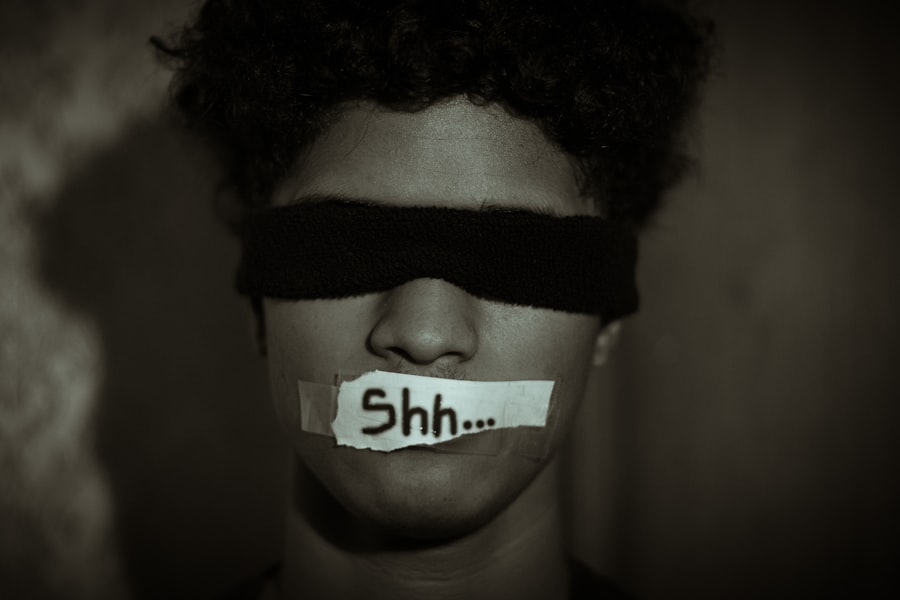
When the external world offers no feedback, your internal world takes over. And let’s be honest, your internal world, particularly when you’re feeling vulnerable, can be a rather harsh critic. The silence becomes a blank canvas for your deepest insecurities and anxieties to paint their most vivid and terrifying pictures.
The Reinforcement of Past Trauma
If you have a history of abandonment, neglect, or social rejection, silence can be a potent trigger. Your mind may interpret the lack of response as a direct echo of those past painful experiences. The silence becomes a familiar enemy, reconfirming your deepest fears of not being good enough or being fundamentally unlovable. It’s a psychological scar that the silence reopens, making the present pain feel even more profound.
The Creation of Fantastical Rejection Scenarios
Without concrete information, your imagination can run wild. You might conjure elaborate scenarios where your proposal was met with ridicule, your confession with disgust, or your creative work with utter contempt. You might envision the person actively discussing your shortcomings with others, laughing at your audacity, or simply dismissing you as utterly irrelevant. These imagined rejections, born out of the fertile ground of silence, can be far more devastating than any actual negative feedback. They are personalized, amplified, and unchallenged by reality.
The Self-Fulfilling Prophecy Effect
The anxiety and self-doubt bred by silence can, ironically, lead to the very outcome you fear. If you’re constantly questioning your abilities and feeling dejected, you might lose the motivation to pursue future opportunities, or your subsequent interactions might be tinged with a lack of confidence that others can perceive. The silence, in this way, can become a self-fulfilling prophecy, leading you down a path of perceived failure that originated from an unspoken void.
When Silence Becomes a Weapon: The Intentional Use of Withholding

It’s crucial to acknowledge that sometimes, silence isn’t accidental or simply a matter of busyness. In some cases, silence is wielded as a deliberate tool, a passive-aggressive tactic to exert control, punish, or simply avoid dealing with an uncomfortable situation. This is when the hurt cuts deepest, because you recognize the deliberate nature of the omission.
The “Ghosting” Phenomenon: A Modern Silence Strike
The rise of digital communication has unfortunately normalized “ghosting” – the act of abruptly ceasing all communication with someone without explanation. This is a prime example of silence as a weapon. It’s a cowardly way to end interaction, leaving the other person utterly confused and hurt. You are left to grapple with the unanswered questions and the emotional fallout of being suddenly and inexplicably cut off, often after a period of genuine connection.
The Silent Treatment: A Tool of Emotional Manipulation
In interpersonal relationships, the “silent treatment” is a classic form of emotional manipulation. By withdrawing communication, a person can effectively punish their partner, assert dominance, or force them to concede to their demands. This form of silence is not about indecision or forgetfulness; it’s a calculated act designed to inflict emotional pain and gain control. The recipient of the silent treatment is left feeling isolated, ignored, and desperate for resolution, making the pain far more acute than a verbal argument.
The Avoidance of Conflict: Silence as a Shield
Sometimes, silence is used to avoid direct conflict. Instead of engaging in a potentially difficult conversation, a person chooses to remain silent, hoping the issue will simply disappear. While this might seem like a way to maintain peace, it ultimately avoids addressing the underlying problem and leaves the other person feeling unheard and unresolved. This avoidance, while perhaps born out of a desire to sidestep unpleasantness, can be deeply damaging in the long run, as it prevents genuine resolution and understanding.
In exploring the emotional impact of interpersonal dynamics, it’s fascinating to consider how silence can hurt more than rejection. Many people find that the absence of communication often leaves them feeling more vulnerable and anxious than a straightforward rejection would. This phenomenon is discussed in depth in a related article, which delves into the psychological effects of unspoken words and unresolved feelings. For a deeper understanding of this topic, you can read more about it in this insightful piece on psychological communication.
Reclaiming Your Power: Navigating the Pain of Unspoken Responses
“`html
| Reasons | Explanation |
|---|---|
| Sense of uncertainty | Silence can leave a person wondering and feeling uncertain about the situation, leading to increased anxiety and stress. |
| Lack of closure | Without communication, there is no opportunity for closure or understanding, which can prolong the pain of the situation. |
| Feeling of insignificance | Being ignored or receiving silence can make a person feel unimportant and insignificant, leading to emotional distress. |
| Self-doubt and insecurity | Silence can trigger self-doubt and insecurity, making the individual question their worth and value. |
| Impact on mental health | Extended periods of silence can have a negative impact on mental health, leading to feelings of loneliness and isolation. |
“`
While the power of silence to inflict pain can be immense, it’s not an insurmountable force. You can learn to navigate this painful void and reclaim your sense of agency and self-worth. It requires a conscious shift in perspective and a commitment to your own well-being.
The Art of Self-Compassion: Be Your Own Healer
When faced with silence, the most crucial step is to extend yourself compassion. Remind yourself that the silence does not define your worth. It is a reflection of the other person’s choices, their circumstances, or their communication style, not a verdict on your inherent value. Practice self-kindness, acknowledge your feelings of hurt and disappointment, and allow yourself to grieve the unmet expectations. Treat yourself with the same empathy you would offer a friend experiencing a similar situation.
Setting Boundaries and Seeking Clarity (When Possible)
In certain situations, it may be appropriate to gently seek clarification. A polite follow-up message, a brief check-in, or an email inquiring about the status of a proposal can sometimes break the silence. However, it’s important to do this without desperation or expectation. Set a boundary for yourself regarding how many follow-ups you will engage in. If the silence persists after reasonable attempts at clarification, it’s a sign that you need to release your expectation of a response and move forward.
Reframing the Narrative: From Rejection to Revelation
Instead of viewing silence as a confirmation of failure, try to reframe it as a revelation. The silence might be revealing the true nature of the relationship, the professionalism (or lack thereof) of the other party, or simply their unavailability. Use this information to make informed decisions about your future interactions and investments. The silence, in this sense, can be a catalyst for growth, pushing you towards more authentic and mutually respectful connections.
Focusing on What You Can Control: Your Own Actions and Growth
Ultimately, you cannot control another person’s response, or lack thereof. What you can control is your own reaction, your own behavior, and your own personal growth. Focus on honing your skills, nurturing your passions, and building strong relationships with people who value your contributions and communicate openly. Let the silence be a momentary pause, not a permanent ending. By shifting your focus from the external void to your internal strengths, you can transform the debilitating power of silence into an opportunity for resilience and self-discovery.

Why Your Brain Can’t Let Go When Someone Ignores You
FAQs
1. What is the impact of silence on an individual’s mental health?
Silence can have a detrimental impact on an individual’s mental health, leading to feelings of isolation, rejection, and low self-worth. It can also contribute to anxiety and depression.
2. How does silence compare to rejection in terms of emotional pain?
Research suggests that silence can actually hurt more than rejection, as it leaves individuals with uncertainty and a lack of closure. This can lead to prolonged emotional distress and a sense of being ignored or invalidated.
3. What are some potential consequences of being on the receiving end of silence?
Being on the receiving end of silence can lead to decreased self-esteem, difficulty trusting others, and challenges in forming new relationships. It can also impact one’s ability to communicate effectively and express their emotions.
4. How can individuals cope with the pain of silence?
Coping strategies for dealing with the pain of silence may include seeking support from friends and family, engaging in self-care activities, and seeking professional help from a therapist or counselor. It’s important to acknowledge and process the emotions associated with silence in a healthy way.
5. What can be done to address the issue of silence in relationships and social interactions?
Open and honest communication is key to addressing the issue of silence in relationships and social interactions. It’s important for individuals to express their feelings and concerns, while also being receptive to the needs and emotions of others. Building a culture of empathy and understanding can help prevent the harmful effects of silence.