
The story of Little Albert is a cautionary tale that has echoed through psychology textbooks for decades. It’s often presented as a straightforward demonstration of classical conditioning, a cornerstone of behavioral psychology, illustrating how fear can be learned. However, a closer examination of the experiment, its ethical implications, and the subsequent research that has attempted to shed light on it reveals a far more complex and troubling picture, one that continues to spark debate and raise profound questions about the boundaries of scientific inquiry and the welfare of its participants.
The Little Albert Experiment, conducted by John B. Watson and his graduate student Rosalie Rayner at Johns Hopkins University, typically dates back to 1920. It is presented as a landmark study designed to demonstrate that phobias, often considered irrational or deeply rooted in the unconscious, could actually be acquired through learning. Watson, a fervent proponent of behaviorism, believed that all human behavior, including emotional responses, was a product of environmental conditioning. He aimed to prove that fear, specifically, could be deliberately instilled in a healthy, emotionally stable child.
The Participants
The central figure in this narrative is “Little Albert,” a young boy Watson described as a “healthy, normal, undemesticated baby, ten months old.” Watson and Rayner claimed Albert exhibited no fear responses to various stimuli, including loud noises, masks, burning paper, and even a white rat. This baseline assessment was crucial, as it was intended to establish that Albert was not predisposed to fear and that any fear he later displayed was a direct result of the experimental manipulation. The absence of a baseline fear response was presented as confirmation of Albert’s initial emotional equilibrium, making him an ideal subject for demonstrating learned fear.
The Conditioning Process
The experiment itself was deceptively simple in its design, yet profoundly impactful in its purported results. The methodology involved presenting Little Albert with a white rat, a stimulus he initially showed no fear of. At the same time, a loud, frightening noise was produced by striking a steel bar with a hammer. This pairing was repeated. The intention was to associate the neutral stimulus (the white rat) with the unconditioned stimulus (the loud noise), which naturally elicited a fear response (crying, distress). According to Watson and Rayner’s accounts, after several pairings, Albert began to show distress at the mere sight of the white rat, even when the loud noise was not present. This, they concluded, demonstrated conditioned fear.
Generalization of Fear
The experiment did not stop with the white rat. Watson and Rayner claimed that Albert’s conditioned fear generalized to other furry objects. He reportedly showed distress when presented with a rabbit, a dog, a sealskin coat, and even Watson’s hair. This generalization was presented as further evidence of the power of classical conditioning, suggesting that the learned fear response was not specific to the original stimulus but could be evoked by a range of similar stimuli. This aspect of the experiment was particularly alarming, hinting at the potential for widespread and uncontrollable fear acquisition.
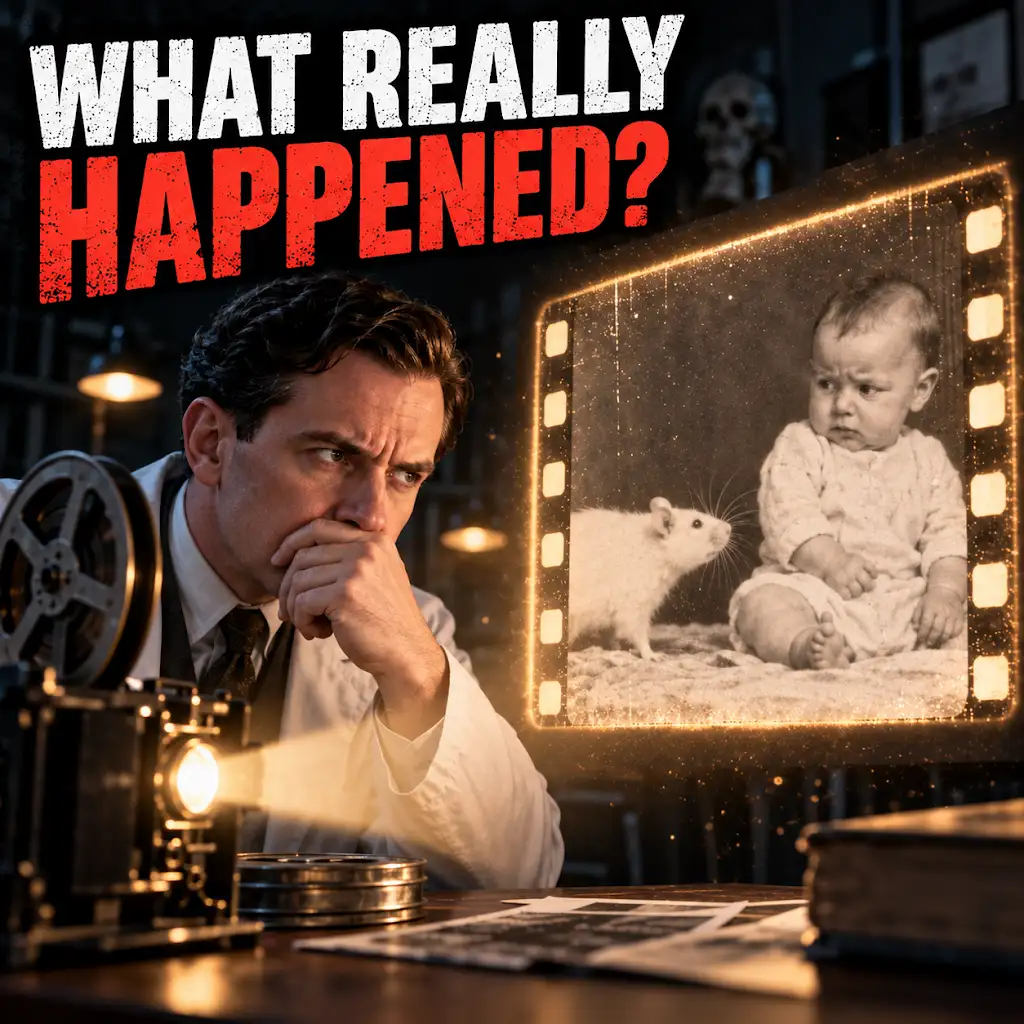
The Little Albert experiment, conducted by John B. Watson and Rosalie Rayner in the early 20th century, has long been a topic of ethical debate and psychological inquiry. For those interested in exploring what really happened during this controversial study and its implications for modern psychology, you can read a detailed analysis in the article available at this link.
Ethical Controversies and Criticisms
From its inception, and certainly with the benefit of hindsight and evolving ethical standards, the Little Albert Experiment has been a lightning rod for criticism regarding its methodology, its ethical implications, and the very validity of its conclusions. The disregard for the child’s well-being and the lack of informed consent represent significant breaches of ethical research practices, even by the standards of the time, and are undeniably problematic by contemporary guidelines.
Lack of Informed Consent
Perhaps the most glaring ethical failing of the Little Albert Experiment is the complete absence of informed consent. Little Albert was not a volunteer. His mother, who was a wet nurse at the Harriet Lane Home for Invalid Children where the experiment took place, reportedly consented to Albert’s participation. However, the extent of her understanding of the experiment’s nature, its potential risks, and her right to withdraw her child from it remains highly questionable. The power imbalance between the researchers and the mother, combined with the lack of transparency about the procedures, makes her consent ethically dubious. The child himself was obviously unable to provide any form of assent or consent.
Welfare of the Child
The welfare of Little Albert was clearly compromised. The researchers deliberately induced fear in a young child, an action that is ethically indefensible. The prolonged exposure to frightening stimuli, the distress caused, and the alleged generalization of this fear to other objects would have undoubtedly had a negative psychological impact on Albert. The experiment inflicted suffering on a vulnerable infant for the sake of scientific curiosity, without any clear therapeutic benefit to the child. The very act of making a child afraid, especially without a clear and pressing need for such an intervention, raises serious ethical red flags.
Methodological Flaws
Beyond the ethical concerns, significant methodological criticisms have been leveled at the experiment. Many argue that Watson and Rayner’s descriptions of Albert’s initial emotional state may have been exaggerated or biased. It is possible that Albert was not as fearless as they claimed, and that some of his reactions were misinterpreted or amplified. Furthermore, the controlled environment of the laboratory might have contributed to his distress, and the role of the mother’s presence or absence during the conditioning process has been debated as a potential confounding factor. The lack of rigorous controls and objective measurement of fear responses also weakens the experiment’s scientific validity.
The Search for Little Albert’s True Identity

For decades, the identity of Little Albert remained a mystery, fueling speculation and a desire to understand the life and long-term effects on the boy at the center of such a controversial study. The lack of clear identifying information in Watson and Rayner’s original papers made tracing him a significant challenge, but this quest became a critical aspect of re-evaluating the experiment’s ethical standing and potential impact.
Early Investigations
Initial attempts to identify Little Albert were met with limited success. Watson and Rayner provided very few details about Albert’s background, making it difficult for later researchers to pinpoint him. The lack of a definitive name and precise birthdate meant that any potential leads were often ambiguous. This mystery, while intriguing, also served to further shield the experiment from a thorough ethical review for many years, as the identity of the individual at risk was unknown.
The Douglas M. Hervey Hypothesis
One of the earliest significant hypotheses regarding Little Albert’s identity came from Douglas M. Hervey. He suggested that Albert might have been a boy named Albert Barger, who was born prematurely and suffered from various health issues. Hervey’s research pointed to him as a potential candidate based on the timing and location of the experiment. However, this hypothesis lacked definitive proof and was eventually superseded by more compelling evidence. The challenges in this early stage highlighted the limitations of the available information.
The Palladium of Scientific Inquiry: The Work of Russell, Tart, and Watson
More recent and widely accepted research, notably by researchers like Ben Harris, Annie Hall, and Albert J. Solnit, and more recently, by Christina K. W. Hall and colleagues, has made significant strides in identifying Little Albert. These investigations have meticulously sifted through historical records, hospital archives, and even tracked down surviving relatives. This painstaking work is crucial not only for historical accuracy but also for understanding the potential long-term consequences for the individual involved. The journey to uncover Albert’s identity is a testament to the evolving role of ethics in scientific inquiry, where understanding the subject’s lived experience becomes paramount.
The Case of “Douglas Albert Merritte”
A leading candidate, and one that has gained considerable traction, is Douglas Albert Merritte. This theory posits that Albert was the son of Arvilla Merritte, a wet nurse at the Harriet Lane Home. Douglas was born in 1919 and suffered from health problems, including convulsions and a lung condition. The researchers argue that Watson and Rayner may have selected Douglas precisely because he was an institutionalized child, potentially less likely to have a protective parent and more available for experimentation. However, this identification also faces its own set of challenges and ongoing debates, underscoring the complexity of definitively identifying historical subjects.
The “Arvilla Merritte” Connection and Ethical Implications
If the “Douglas Albert Merritte” hypothesis is correct, it raises even more profound ethical questions. Arvilla Merritte was documented as having several children who were either institutionalized or died young. This raises concerns about the conditions under which her children were cared for and the potential exploitation of vulnerable mothers and their infants. The possibility that Albert was not as healthy and “normal” as Watson claimed further undermines the experiment’s findings and exacerbates its ethical failings. The research into Arvilla Merritte’s life and her children’s fates casts a long shadow over Watson’s experiment, suggesting a more complex and potentially tragic reality for the boy.
Re-evaluating the Experiment and Its Legacy
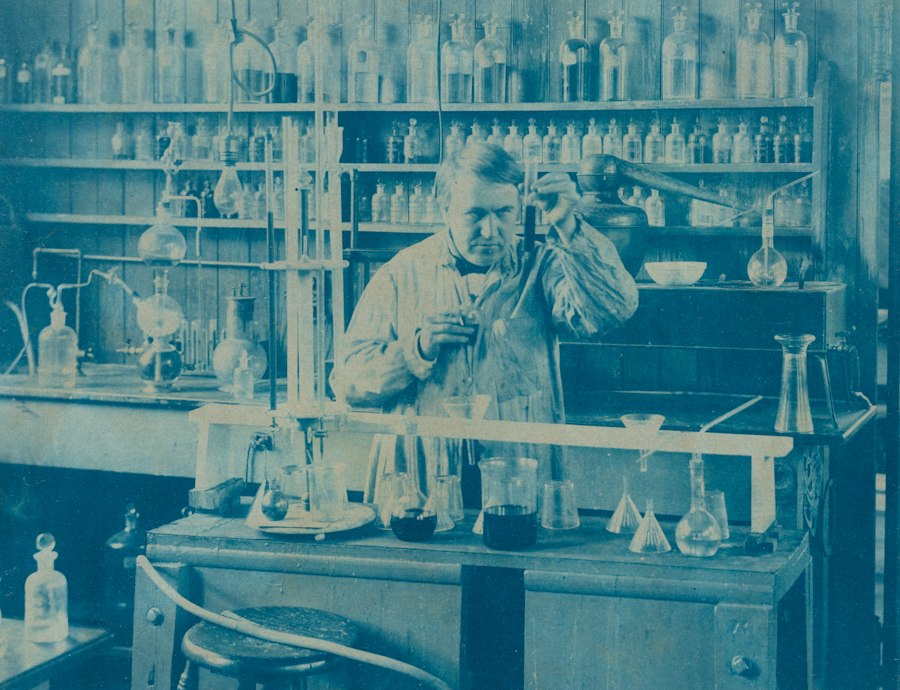
The Little Albert Experiment has undeniably left an indelible mark on psychology, but its legacy is increasingly being re-examined through the lens of modern ethics and a more critical understanding of its limitations. While it may have once been lauded as a triumph of behavioral science, its flaws and ethical transgressions are now more prominently highlighted, forcing a re-evaluation of its place in the discipline.
The Persistence of the “Tabula Rasa” Idea
Watson’s behaviorism was deeply rooted in the concept of the “tabula rasa,” or blank slate, suggesting that individuals are born without innate mental content and that all knowledge and behavior are acquired through experience. The Little Albert Experiment was presented as powerful evidence for this idea, demonstrating how complex emotional responses could be shaped by environmental conditioning. This idea, while influential, has been challenged by modern neuroscience and developmental psychology, which emphasize the role of genetics and innate predispositions. The experiment’s supposed demonstration of absolute malleability thus faces a more nuanced understanding of human development.
The Impact on Psychotherapy
Despite its ethical shortcomings, the principles demonstrated in the Little Albert Experiment have had a lasting impact on psychotherapy, particularly in the development of behavioral therapies. Techniques like systematic desensitization, used to treat phobias and anxiety disorders, are directly informed by the principles of classical conditioning and unlearning learned fears. The idea that fears can be unlearned and replaced with more adaptive responses owes a debt to the foundational – albeit ethically problematic – work of Watson and Rayner. This dual legacy, of scientific advancement and ethical compromise, is a complex aspect of the experiment’s continued relevance.
The “Deconditioning” of Albert
One of the most significant criticisms is that Watson and Rayner never deconditioned Little Albert. They claimed to have attempted it, but their accounts are vague and lack empirical support. This omission is a crucial ethical failing, as it suggests they left a young child with a debilitating, experimentally induced fear. The absence of a reversal or modification of the conditioned fear leaves a lingering sense of unfinished business and a stark reminder of the potential for harm when scientific ambition overshadows humanistic concern.
Modern Interpretations and Historical Context
Modern interpretations of the Little Albert Experiment often emphasize its historical context. While it was groundbreaking for its time in applying scientific rigor to psychological phenomena, it was also conducted during a period with far less stringent ethical oversight for research involving human subjects. Understanding this context is important for appreciating the experiment’s place in the history of psychology, but it does not excuse the ethical breaches. The challenge lies in acknowledging its historical significance without endorsing its unethical practices.
The Enduring Lesson: Ethics in Research
Ultimately, the enduring lesson of the Little Albert Experiment is about the paramount importance of ethical conduct in scientific research. It serves as a stark reminder that the pursuit of knowledge must always be balanced with the welfare and rights of participants, especially vulnerable populations like children. The ongoing discussions and re-evaluations surrounding the experiment highlight the evolving nature of ethical standards in science and the ongoing responsibility to critically examine past research through a modern ethical lens. The story of Little Albert continues to teach us about the potential for scientific inquiry to both illuminate and harm, underscoring the critical need for vigilance and compassion in the pursuit of understanding.
The Little Albert experiment, conducted by John B. Watson and Rosalie Rayner in the early 20th century, has sparked considerable debate regarding its ethical implications and the true nature of its findings. For those interested in exploring what really happened during this controversial study, a fascinating article can be found at Unplugged Psych, which delves into the details and consequences of the experiment. This resource provides valuable insights into the methods used and the lasting impact on the field of psychology.
The Question of “Watson’s Children”
| Aspect | Details |
|---|---|
| Experiment Name | Little Albert Experiment |
| Researcher | John B. Watson and Rosalie Rayner |
| Year Conducted | 1920 |
| Subject | Infant known as “Albert B.” |
| Objective | To demonstrate classical conditioning of fear in humans |
| Method | Pairing a loud noise with a white rat to induce fear response |
| Outcome | Albert developed fear of white rat and similar objects |
| Ethical Concerns | No informed consent, no follow-up to desensitize fear, subject’s identity and fate unknown for decades |
| Recent Findings | Subject likely Douglas Merritte, who had neurological impairments; experiment’s validity and ethics questioned |
| Impact on Psychology | Highlighted classical conditioning in humans; raised ethical standards in research |
The Little Albert Experiment is not an isolated incident in John B. Watson’s controversial career. His work, and particularly his later research with Rosalie Rayner, has been scrutinized for its ethical implications, leading to broader questions about his methodologies and his impact on the field. The concept of “Watson’s Children” encapsulates these concerns, referring to the children who were subjects of his various psychological studies.
Early Behaviorist Principles
Watson’s early work was instrumental in establishing behaviorism as a dominant force in psychology. He championed the idea that psychology should be an objective science, focusing solely on observable behavior and measurable responses. This approach, while groundbreaking, often led to a disregard for internal mental states and subjective experiences, which could lead to simplified and potentially harmful experimental designs. The desire to prove his theories often overshadowed the well-being of his subjects.
The “Baby Emily” Experiment
Another controversial experiment conducted by Watson and Rayner involved a baby girl named “Emily.” In this study, they attempted to demonstrate that infants could be conditioned to fear a loud noise by pairing it with a previously neutral stimulus. While less widely publicized than the Little Albert Experiment, it raised similar ethical concerns regarding the deliberate induction of fear in young children. The repetition of such experiments suggests a pattern of behavior that prioritized theoretical validation over the ethical treatment of participants.
The Role of Rosalie Rayner
It is important to acknowledge Rosalie Rayner’s significant role in these experiments. While Watson is often solely credited, Rayner was his graduate student and collaborator. The extent of her agency and her own ethical considerations within these studies remain a subject of historical debate. However, as a participant and contributor, she too is implicated in the ethical controversies surrounding the research. Understanding the dynamics of their collaboration is crucial for a complete picture of the research and its ethical landscape.
The Impact on Watson’s Reputation
The ethical controversies surrounding Watson’s research, including the Little Albert Experiment, ultimately had a significant impact on his academic career. He was forced to resign from Johns Hopkins University amidst scandal and public outcry. This forced departure led him to leave academia and pursue a career in advertising, where he applied behaviorist principles to marketing. This career shift, while commercially successful, further fueled debates about the application of psychological principles in manipulative ways.
Legacy of Cautionary Tales
The experiments involving “Watson’s Children” have become enduring cautionary tales in the history of psychology. They highlight the potential for ambitious scientific endeavors to overstep ethical boundaries when not guided by a strong moral compass and robust ethical guidelines. The lessons learned from these controversial studies have directly contributed to the development of more stringent ethical codes and review processes within scientific institutions, ensuring that future research prioritizes the dignity and well-being of all participants. The ongoing discussion about Watson’s legacy serves as a constant reminder of the need for ethical reflection and accountability in scientific pursuits.
The Unanswered Questions and Enduring Lessons
Despite decades of research and debate, several questions surrounding the Little Albert Experiment remain unanswered, further cementing its enigmatic and controversial status. The enduring lessons, however, are clear and continue to resonate within the scientific community and society at large.
The Fate of Little Albert
Perhaps the most poignant unanswered question is the ultimate fate of Little Albert. If he was indeed Douglas Albert Merritte, his life was marked by ill health and likely a premature death. However, without definitive proof, his life story remains incomplete, a ghost in the annals of psychological research. The lack of closure for the individual at the center of this infamous study leaves a lasting sense of unease. This unresolved aspect of his life story emphasizes the human cost of scientific exploration when ethical considerations are sidelined.
The Scope of Deconditioning
The efficacy and extent of any deconditioning efforts remain murky. Watson and Rayner’s accounts are vague, and the lack of a clear, documented process for reversing the induced fear is a significant ethical lapse. It raises the unsettling possibility that Albert lived with his learned phobias, a testament to the potential for lasting harm. The absence of a successful deconditioning process highlights the responsibility researchers have to mitigate any negative impacts of their experiments.
The Generalizability of the Findings
While the experiment is often cited as proof of classical conditioning, some researchers question the extent to which Albert’s reactions were truly generalized fear or simply distress in a novel and unsettling laboratory environment. The possibility that the experiment’s dramatic findings might have been overstated or misinterpreted remains a point of discussion. Critically examining the interpretation of results is crucial for scientific integrity.
The Evolution of Ethical Standards
The Little Albert Experiment has been a catalyst for the evolution of ethical standards in psychological research. The widespread recognition of its ethical shortcomings has led to the development of Institutional Review Boards (IRBs) and rigorous ethical guidelines that govern human subject research. This evolution is a direct consequence of the difficult lessons learned from experiments like Little Albert’s, demonstrating that scientific progress must be guided by ethical considerations. The experiment serves as a stark example of what can happen when ethics are not a primary concern.
The Responsibility of the Scientist
Ultimately, the Little Albert Experiment underscores the profound responsibility that scientists bear. It is a reminder that the pursuit of knowledge, while valuable, must never come at the expense of human dignity, well-being, and fundamental rights. The story of Little Albert compels us to continually question the ethical boundaries of our scientific endeavors and to prioritize the welfare of all individuals involved in research. The enduring legacy of this experiment lies not only in its scientific contributions but, more importantly, in its powerful and enduring ethical lessons. It is a testament to the fact that scientific progress must always be tempered with empathy, responsibility, and an unwavering commitment to ethical conduct.
The Little Albert Experiment May Not Have Worked
FAQs
What was the Little Albert experiment?
The Little Albert experiment was a study conducted by psychologist John B. Watson and his assistant Rosalie Rayner in 1920. The experiment aimed to demonstrate that emotional responses, such as fear, could be conditioned in a young child.
Who was Little Albert?
Little Albert was the pseudonym given to an 11-month-old infant who participated in the experiment. His real identity was later revealed to be Douglas Merritte.
What happened during the Little Albert experiment?
During the experiment, Little Albert was exposed to a white rat, a rabbit, a monkey, masks, and other stimuli. Initially, he showed no fear of these objects. However, Watson and Rayner then paired the presentation of the rat with a loud, startling noise, which caused Little Albert to develop a fear response to the rat.
What were the ethical concerns surrounding the Little Albert experiment?
The Little Albert experiment raised ethical concerns due to the lack of informed consent from Little Albert’s mother, the potential for psychological harm to the child, and the lack of debriefing following the experiment. Additionally, the experiment violated modern ethical standards regarding the treatment of human research subjects.
What were the long-term effects of the Little Albert experiment?
The long-term effects of the Little Albert experiment on Douglas Merritte (Little Albert) are not well-documented. Some sources suggest that he may have developed a lifelong fear of furry objects or animals as a result of the experiment. However, the exact impact on his psychological well-being remains unclear.