You live in a world perpetually on alert. Your senses are like finely tuned instruments, constantly scanning, analyzing, and cataloging potential threats. This is hypervigilance, a state of heightened awareness that, while once a survival mechanism, has become a cage, trapping you in a cycle of anxiety and exhaustion. You’re not just aware; you’re on guard, twenty-four-seven, and the toll it takes is immense.
You didn’t choose this. Hypervigilance isn’t a character flaw; it’s often a learned response, a deep-seated adaptation to experiences that felt unsafe or unpredictable. To begin to overcome it, you must first understand where it stems from.
The Shadow of Trauma
Perhaps your hypervigilance is a lingering echo of past trauma. Whether it was childhood abuse, a violent event, or a prolonged period of instability, your nervous system learned to anticipate danger. This learned response, while once protective, now operates on autopilot, triggering alarm bells even when there’s no immediate threat.
Childhood Adversity and Its Lasting Scars
Did you grow up in an environment where you had to be constantly on your toes? This could involve unpredictable caregivers, domestic conflict, or a lack of a safe haven. Your younger self developed a sophisticated radar for detecting shifts in mood, tone of voice, or subtle environmental cues that might signal trouble. This ingrained vigilance can persist long into adulthood.
Single Traumatic Events
A significant traumatic event, like an accident, assault, or witnessing something horrific, can fundamentally alter your sense of safety. Your brain, in its effort to prevent future harm, can become hypersensitive to anything that remotely resembles the original threat. This can lead to a generalized state of hypervigilance, where anything that triggers a memory or sensation associated with the trauma can send you into a state of high alert.
The Unseen Burden of Chronic Stress
Even without overt trauma, prolonged periods of intense stress can rewire your nervous system. Think of demanding jobs, financial hardship, or caring for a sick loved one. When your body is consistently flooded with stress hormones like cortisol, it can enter a state of chronic activation, making it difficult to relax and switch off the alarm system.
The “Fight-or-Flight” Hijack
Your body’s natural “fight-or-flight” response is designed for acute emergencies. However, in chronic stress, this system can become overactive and even dysfunctional. It’s like having a smoke detector that’s constantly going off, even when there’s no fire. Your system is primed for action, making you jumpy, irritable, and unable to settle.
The Physical Manifestations of Constant Tension
You might not even realize the physical toll hypervigilance is taking. The constant tension in your muscles, the racing heart, the shallow breathing, the digestive issues – these are all signals that your body is enduring a relentless assault. You might experience headaches, fatigue, and a general sense of unease that never quite dissipates.
Societal and Environmental Factors
It’s not just your personal history; the world you inhabit can also contribute to your hypervigilance. A society that bombards you with news of danger, uncertainty, and conflict can foster a sense of pervasive threat. The constant influx of information, often negative, can keep your threat-detection system running on overdrive.
Information Overload and the Media Landscape
You’re exposed to an unprecedented amount of information, much of it sensationalized. The news cycle is often driven by crisis and disaster, creating a narrative of constant peril. This can lead you to believe that danger is omnipresent, even when your immediate environment is safe.
Urban Environments and Sensory Overstimulation
The hustle and bustle of city life, with its constant noise, crowds, and unpredictable stimuli, can also contribute to hypervigilance. Your senses are bombarded, making it difficult to find moments of quiet and calm. This constant sensory input can keep your brain in a state of heightened alert, trying to process and filter out perceived threats.
Hypervigilance, a state of heightened alertness often resulting from trauma or anxiety, can be incredibly challenging to manage and turn off. This persistent state of readiness can lead to exhaustion and difficulty in relaxing, making it hard for individuals to engage in everyday activities without feeling on edge. For a deeper understanding of the psychological mechanisms behind hypervigilance and strategies to cope with it, you can read a related article on the topic at Unplugged Psych.
The Pervasive Impact of Hypervigilance on Your Life
You might not always recognize it, but hypervigilance subtly infiltrates every aspect of your existence. It dictates your reactions, shapes your relationships, and saps your energy, leaving you feeling drained and disconnected.
Emotional and Psychological Ramifications
The emotional landscape of your life is significantly altered by hypervigilance. You might find yourself battling a constant undercurrent of anxiety, fear, and even dread. The joy of the present moment is often overshadowed by worries about what might happen.
The Tyranny of “What If”
Your mind is a fertile ground for worst-case scenarios. You spend an inordinate amount of time contemplating potential dangers, even the most improbable ones. This constant “what if” thinking can be exhausting and debilitating, preventing you from fully engaging with your life.
Difficulty Experiencing Positive Emotions
When your system is perpetually on guard, it’s challenging to allow yourself to feel joy, peace, or contentment. Positive emotions can feel fleeting or even unsafe, as if they might be a precursor to something bad. You might find yourself unconsciously sabotaging good moments, unable to truly savor them.
The Interplay with Other Mental Health Challenges
Hypervigilance often co-occurs with other mental health conditions. It can exacerbate symptoms of anxiety disorders, depression, PTSD, and even OCD. This interconnectedness means that addressing hypervigilance can have a ripple effect, improving your overall mental well-being.
Impact on Relationships and Social Interactions
Your relationships are often strained by your hypervigilant nature. The constant scanning for threats can make you appear suspicious, withdrawn, or overly reactive, which can push people away or create distance.
Trust Issues and Suspicion
It’s difficult for you to build and maintain trust when your mind is constantly searching for betrayal or ill intent. You might scrutinize people’s motives, overanalyze their words, and jump to negative conclusions. This can make genuine connection feel almost impossible.
Social Withdrawal and Avoidance
The effort involved in navigating social situations can be overwhelming when you’re hypervigilant. The potential for perceived judgment, conflict, or unexpected events can lead you to withdraw and avoid social gatherings altogether. You might prefer isolation, even though you crave connection.
Communication Breakdowns
Your communication style can be affected. You might be overly defensive, struggle to express your needs clearly, or misinterpret others’ intentions, leading to frequent misunderstandings and conflict. The fear of saying or doing the “wrong” thing can paralyze you.
The Toll on Your Physical Well-being
Beyond the psychological strain, hypervigilance has tangible effects on your physical health. Your body is in a constant state of preparation for danger, which wears it down over time.
Chronic Muscle Tension and Pain
The persistent state of alert leads to chronic muscle tension. You might experience frequent headaches, neck and shoulder pain, backaches, and other musculoskeletal discomfort. Your body is holding onto stress, creating a physical manifestation of your internal state.
Sleep Disturbances and Fatigue
Rest is a luxury you rarely afford yourself. Your racing thoughts and heightened awareness make it difficult to fall asleep, stay asleep, or achieve restorative sleep. This chronic sleep deprivation leads to profound fatigue, impacting your mood, cognitive function, and overall resilience.
Digestive Issues and Other Physical Symptoms
The “gut-brain connection” is powerful, and hypervigilance can wreak havoc on your digestive system. You might experience irritable bowel syndrome (IBS), stomachaches, nausea, or changes in appetite. Other physical symptoms, like heart palpitations or shortness of breath, can also arise from your overactive nervous system.
Strategies for Taming Your Inner Alarm System

Overcoming hypervigilance is not about eliminating awareness; it’s about recalibrating it. It’s about learning to distinguish between real threats and imagined ones, and developing healthier coping mechanisms. This is a journey, not a destination, and it requires patience, self-compassion, and a willingness to try new things.
Mindfulness and Present Moment Awareness
The antidote to dwelling on the past or worrying about the future is anchoring yourself in the present. Mindfulness practices can help you to observe your thoughts and feelings without judgment, and to connect with your surroundings in a more grounded way.
Cultivating Sensory Awareness
Actively engage your senses. What do you see, hear, smell, taste, and feel right now? This practice of deliberate sensory observation pulls your attention away from internal worries and anchors you to the tangible reality of the present moment.
Mindful Breathing Techniques
Your breath is a constant, reliable anchor to the present. Learning to focus on the sensation of your breath – the rise and fall of your chest, the feeling of air entering and leaving your nostrils – can quickly calm an agitated nervous system. Even a few minutes of conscious breathing can make a significant difference.
Body Scan Meditations
This practice involves systematically bringing your attention to different parts of your body, noticing any sensations without trying to change them. It helps you to become more attuned to your physical experience and to release stored tension.
Cognitive Restructuring and Challenging Your Thoughts
Your thoughts are powerful drivers of your emotions. Learning to identify and challenge the distorted thinking patterns that fuel your hypervigilance is crucial.
Identifying Automatic Negative Thoughts (ANTs)
Become a detective of your own mind. What are the negative thoughts that pop up automatically when you feel a sense of unease? Write them down and start to recognize their patterns.
Questioning the Evidence
Once you’ve identified an ANT, ask yourself: What evidence do I have that this thought is true? What evidence do I have that it’s not true? Often, you’ll find that your fears are based on assumptions, not facts.
Developing Balanced and Realistic Thoughts
Replace your ANTs with more balanced and realistic perspectives. This doesn’t mean forcing yourself to think positively; it means adopting a more objective and rational viewpoint. For example, instead of “This meeting will be a disaster,” try “This meeting might be challenging, but I am prepared and can handle it.”
Developing Healthy Coping Mechanisms
You need to equip yourself with tools to manage your anxiety and stress when it arises. These are not about suppressing your feelings, but about responding to them in a way that promotes well-being.
Grounding Techniques
When you feel overwhelmed, grounding techniques help you to reconnect with the present moment and your physical body. This can involve holding an ice cube, focusing on the texture of an object, or naming five things you can see, four things you can touch, three things you can hear, two things you can smell, and one thing you can taste.
Stress Reduction Activities
Identify activities that genuinely help you to relax and de-stress. This could be anything from gentle yoga or tai chi to listening to calming music, spending time in nature, or engaging in a creative hobby. The key is consistency.
Assertive Communication Skills
Learning to express your needs and boundaries clearly and respectfully is vital. This reduces the likelihood of misunderstandings and can help you to feel more in control of your interactions, thus reducing anxiety.
Embracing Self-Compassion and Patience on Your Journey

You’ve likely been hard on yourself for feeling this way. Overcoming hypervigilance is a process that requires kindness, understanding, and a significant dose of patience.
Recognizing the Gradual Nature of Healing
There will be good days and bad days. Healing from deeply ingrained patterns doesn’t happen overnight. Celebrate small victories and be gentle with yourself on days when you feel like you’re backsliding. Progress is rarely linear.
Acknowledging Setbacks as Learning Opportunities
Don’t view setbacks as failures. Instead, see them as opportunities to learn more about your triggers and your coping mechanisms. What can you learn from this experience that will help you navigate similar situations in the future?
Focusing on Progress, Not Perfection
Perfection is an unattainable ideal. Your goal is to live a more fulfilling life, not to eliminate all anxiety. Focus on the progress you are making, no matter how small it may seem. Each step forward is a testament to your resilience.
Cultivating Self-Kindness and Self-Care
Treat yourself with the same compassion you would offer a dear friend who is struggling. Self-care is not selfish; it’s essential for your well-being.
Prioritizing Rest and Rejuvenation
Make time for activities that replenish your energy. This means adequate sleep, but also carving out time for hobbies, relaxation, and simply doing nothing. Your nervous system needs periods of genuine rest to recover.
Nourishing Your Body and Mind
What you eat, how you move, and the thoughts you engage with all impact your mental and physical health. Focus on a balanced diet, regular physical activity, and mindful consumption of information.
Seeking Supportive Relationships
Surround yourself with people who understand and support you. Sharing your experiences with trusted friends, family members, or a support group can be incredibly validating and empowering.
The Importance of Professional Support
You don’t have to navigate this journey alone. A qualified mental health professional can provide invaluable guidance and support.
Therapy as a Compass for Change
Therapies like Cognitive Behavioral Therapy (CBT) and Eye Movement Desensitization and Reprocessing (EMDR) are highly effective in treating trauma and anxiety disorders that often underlie hypervigilance. A therapist can help you identify the root causes of your vigilance and develop personalized strategies for managing it.
The Role of Medication (When Appropriate)
In some cases, medication can be a helpful tool to manage overwhelming anxiety and improve sleep, making it easier to engage in therapeutic work. Discuss this option with your doctor or a psychiatrist.
Hypervigilance can be a challenging state to manage, often leaving individuals feeling on edge and unable to relax. This heightened state of awareness is frequently a response to trauma or stress, making it difficult for those affected to turn off their alertness even in safe environments. For a deeper understanding of this phenomenon and its implications, you might find it helpful to read a related article that explores the complexities of hypervigilance and offers insights into coping strategies. You can check it out here.
Reclaiming Your Life from the Grip of Hypervigilance
| Reasons why hypervigilance is hard to turn off |
|---|
| Constant fear of danger |
| Heightened sensitivity to stimuli |
| Difficulty relaxing and letting go of control |
| Previous traumatic experiences |
| Chronic stress and anxiety |
The journey to overcome hypervigilance is a profound act of self-empowerment. It’s about reclaiming your present, your relationships, and your energy from the exhausting grip of constant alertness.
Shifting Your Relationship with Your Nervous System
Instead of seeing your nervous system as an enemy, begin to understand it as a system that has been working overtime. The goal is not to shut it down, but to teach it that it is safe to rest and relax.
Recognizing Safety Signals
Learn to identify cues in your environment that indicate genuine safety. This can be challenging at first, but with practice, you can begin to differentiate between perceived threats and actual danger.
Creating Safe Environments
Actively work to create physical and emotional environments that feel safe and predictable. This might involve decluttering your living space, setting boundaries with people who are consistently disruptive, or establishing calming routines.
Embracing the Possibility of a More Peaceful Existence
Imagine a life where you’re not constantly braced for impact. A life where you can savor moments of joy, connect deeply with others, and experience a sense of inner calm. This is within your reach.
Experiencing Spontaneity and Freedom
As your hypervigilance recedes, you’ll find yourself more open to spontaneous experiences and less constrained by the need for constant control. This newfound freedom can be incredibly liberating.
Deepening Connections and Trust
With a more regulated nervous system, you’ll be better equipped to build genuine trust and intimacy in your relationships. You’ll be able to be present with others without the constant noise of your internal alarm.
Rediscovering Joy and Engagement
When you’re not expending all your energy on threat detection, you’ll have more capacity for joy, creativity, and engagement with the world around you. You can finally start to truly live, not just survive.
Your struggle with hypervigilance is a testament to your strength and resilience. By understanding its roots, actively employing coping strategies, and embracing self-compassion, you can gradually loosen its grip. The path may be challenging, but the reward – a life lived with greater peace, connection, and authentic engagement – is immeasurable. You deserve to feel safe, to feel present, and to experience the fullness of life.
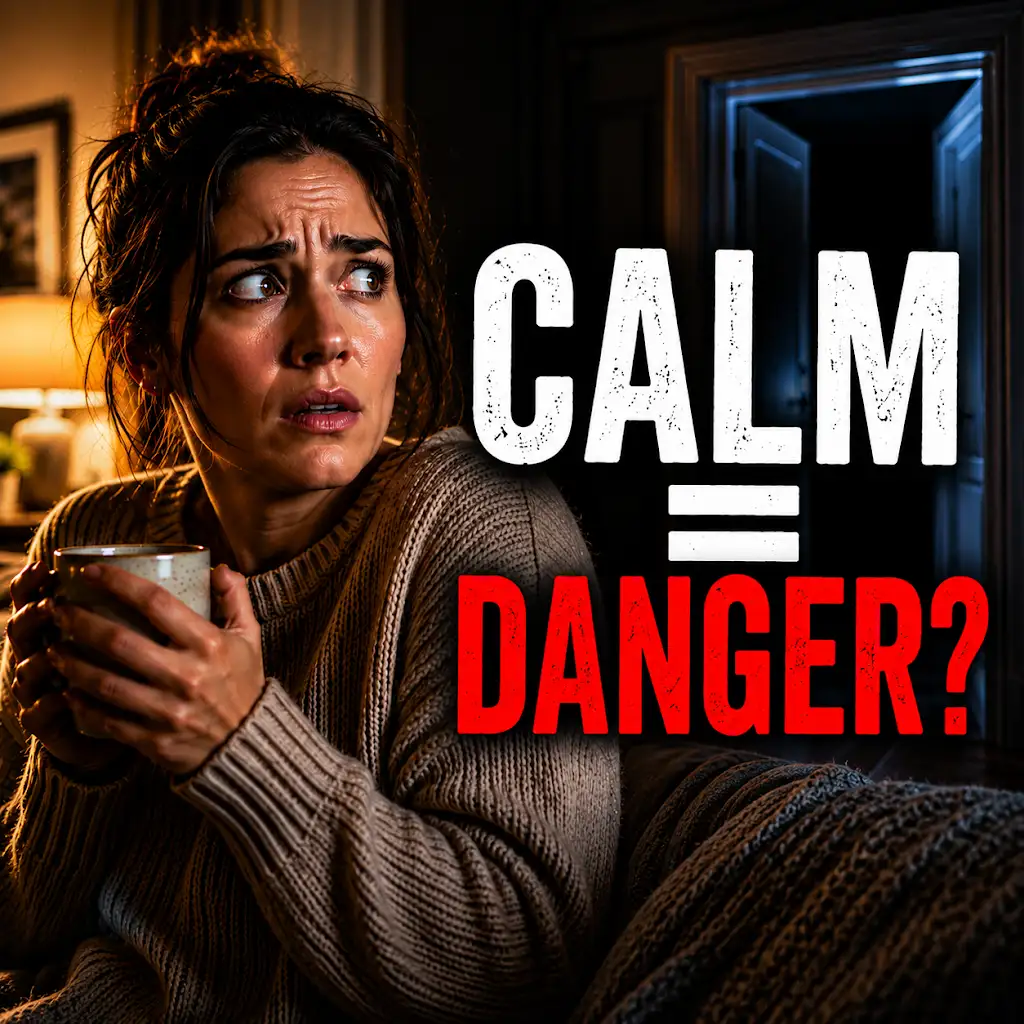
Your Life Is Safe. So Why Are You Still on Alert?
FAQs
What is hypervigilance?
Hypervigilance is a state of being constantly on high alert, often due to past trauma or anxiety. It involves being extremely sensitive to potential threats and constantly scanning the environment for signs of danger.
Why is hypervigilance hard to turn off?
Hypervigilance is hard to turn off because it is a deeply ingrained response to perceived threats. The brain and nervous system become accustomed to being in a state of heightened alertness, making it difficult to switch off this response even in non-threatening situations.
What are the effects of hypervigilance on the body and mind?
Hypervigilance can lead to chronic stress, anxiety, fatigue, and difficulty concentrating. It can also impact sleep patterns, leading to insomnia or disrupted sleep. Over time, hypervigilance can contribute to the development of mental health conditions such as PTSD and depression.
How can hypervigilance be managed?
Managing hypervigilance often involves a combination of therapy, medication, and self-care techniques. Cognitive-behavioral therapy (CBT) and mindfulness practices can help individuals reframe their thoughts and learn to regulate their responses to perceived threats.
What are some self-care strategies for coping with hypervigilance?
Self-care strategies for coping with hypervigilance include practicing relaxation techniques such as deep breathing and meditation, engaging in regular physical activity, maintaining a healthy sleep routine, and seeking social support from friends and family. It’s also important to establish boundaries and prioritize activities that promote a sense of safety and calm.