You’ve always been told to respect authority, haven’t you? From your parents telling you to clean your room, to teachers assigning homework, to the societal expectation of obeying laws, authority is woven into the fabric of your life. Yet, there are moments, aren’t there, when a little voice inside you rebels? Moments when you question, when you push back, when you resist. This isn’t just stubbornness; it’s a complex interplay of psychological forces that drive your refusal to simply comply. Understanding the psychology of resisting authority can illuminate why you, and others, sometimes find yourselves on the opposing side of a directive.
It’s natural, perhaps even healthy, to question. You’re not a robot, programmed to execute orders without thought. Your brain is designed for critical analysis, for weighing options, for evaluating the validity of what you’re being told. This inherent capacity for independent thought is the fertile ground from which resistance can sprout.
Innate Autonomy and the Desire for Control
From the moment you learned to say “no,” you were asserting your autonomy. This drive for self-determination is deeply ingrained. You want to feel in charge of your own life, your own decisions, your own actions. When an authority figure attempts to dictate something that infringes upon this perceived control, your internal alarm bells start ringing.
The Need to Feel Competent
Part of your autonomy is the desire to be competent. If you believe an authority figure is giving you an order that you’re not capable of fulfilling, or that they are undermining your own perceived competence by not allowing you to figure it out yourself, resistance can be a way to reclaim that sense of agency and self-efficacy. You might resist an instruction if you feel it’s beneath you, or if you believe you have a better, more efficient way of doing things.
Perceived Injustice and Fairness
You have a strong sense of what’s fair. When you perceive an authority figure’s demands as unjust, unfair, or inequitable, your resistance mechanism kicks in. This isn’t just about personal inconvenience; it’s about upholding a moral compass. You’re more likely to resist if you see a double standard, or if you feel you’re being singled out for unfair treatment.
Early Life Experiences and Shaping Your Response
Your early interactions with authority figures – parents, guardians, educators – lay the groundwork for how you’ll respond to authority later in life. These formative experiences can significantly shape your inclination to comply or resist.
Authoritarian vs. Authoritative Parenting Styles
If you were raised in an environment with an authoritarian parenting style, characterized by strict rules, punishment, and little room for negotiation, you might develop a pattern of either extreme compliance or covert rebellion. Conversely, authoritative parenting, which involves clear expectations but also open communication, reasoning, and a degree of flexibility, tends to foster a more balanced and reasoned approach to authority. You might be more likely to resist if you feel your voice was consistently ignored during your upbringing.
Negative Encounters with Authority
Past negative experiences, such as being unfairly punished, bullied by someone in power, or having your rights disregarded by an authority figure, can create a lasting sense of distrust. This can lead to a generalized suspicion of anyone in a position of power, making you predisposed to resist their directives, even when they are reasonable.
Resistance to authority is a fascinating aspect of psychology that explores how individuals respond to perceived power and control. A related article that delves deeper into this topic can be found on Unplugged Psychology, which examines various factors influencing resistance and compliance in social situations. For more insights, you can read the article here: Unplugged Psychology.
The Cognitive Landscape of Resistance: How You Think About Authority
Your internal dialogue plays a crucial role in whether you comply or resist. The way you frame a situation, the beliefs you hold about authority, and your assessment of the consequences all contribute to your decision-making process.
Beliefs About Authority and Power
The fundamental beliefs you hold about the nature of authority and the distribution of power significantly influence your reactions. Do you see authority as inherently legitimate, or as a tool of oppression? These deeply held beliefs act as a filter through which you interpret every command.
Legitimate Authority vs. Coercive Power
You tend to differentiate between authority that is perceived as legitimate (based on knowledge, expertise, or moral standing) and power that is purely coercive (based on the threat of punishment or force). You are far more likely to resist when you perceive the authority figure as wielding power without legitimacy, relying solely on their position to enforce their will.
The “Just World” Hypothesis and Authority
The “Just World” hypothesis suggests that people have a cognitive bias to believe that the world is fundamentally just and that people get what they deserve. When you encounter an authority figure acting unjustly, it challenges this belief. Your resistance might be a way to restore a sense of justice, or to reject the notion that such injustices are acceptable.
Information Processing and Critical Evaluation
Your ability to process information and critically evaluate a directive is paramount. You don’t just blindly accept; you analyze, you compare, you contrast. This cognitive process is where much of the “work” of resistance happens.
Cognitive Dissonance and Justification
When an authority figure’s directive conflicts with your own beliefs, values, or past experiences, you experience cognitive dissonance – a mental discomfort. To resolve this, you might engage in rationalization and justification. You might seek out information that supports your resistance, or downplay the importance of the directive, thereby reducing the dissonance and solidifying your decision to resist.
Framing and Perception of the Directive
The way a directive is presented can drastically alter your perception. If it’s delivered as a demand, a threat, or in a condescending tone, you are more likely to resist than if it’s presented as a suggestion, a request, or with an explanation of its rationale. You are more receptive to instructions when you feel your input is valued and your perspective is considered.
The Emotional Undercurrents of Resistance: How You Feel About Authority

Your emotional landscape is a powerful driver of your actions, and resistance to authority is no exception. Feelings of frustration, anger, fear, or even a sense of empowerment can all fuel your decision to defy.
The Role of Emotion in Decision-Making
Emotions aren’t simply a byproduct of your thoughts; they actively influence your cognitive processes and behavioral choices. When you feel a strong emotion in response to an authority figure, it can override rational thought and lead to immediate resistance.
Anger and Frustration as Catalysts
Anger and frustration are common emotional precursors to resistance. If you feel unjustly treated, unheard, or if your efforts are being thwarted by an authority figure, these emotions can build up and manifest as outright defiance. The intensity of these feelings often dictates the intensity of your resistance.
Fear and the Fight-or-Flight Response
While resistance can sometimes be seen as an act of defiance, it can also be a manifestation of fear. If you perceive an authority figure as a threat to your safety, your reputation, or your livelihood, your instinct might be to resist – not out of defiance, but out of a primal need for self-preservation. This can trigger a fight-or-flight response, where resistance is the “fight” option.
The Experience of Being Devalued or Disrespected
A powerful emotional trigger for resistance is the feeling of being devalued or disrespected by an authority figure. When your contributions are dismissed, your opinions ignored, or your personhood not acknowledged, you are likely to push back.
The Impact of Condescension and Patronization
Being spoken to condescendingly or patronizingly is a sure way to ignite resistance. It implies that you are less intelligent, less capable, or less worthy of respect. This can evoke feelings of anger and a strong desire to prove them wrong by refusing to comply.
The Violation of Personal Boundaries
You have personal boundaries, both physical and psychological. When an authority figure oversteps these boundaries, whether by demanding excessive personal information, intruding on your privacy, or making unreasonable personal demands, resistance becomes a necessary act of self-protection.
Social and Situational Influences on Resistance
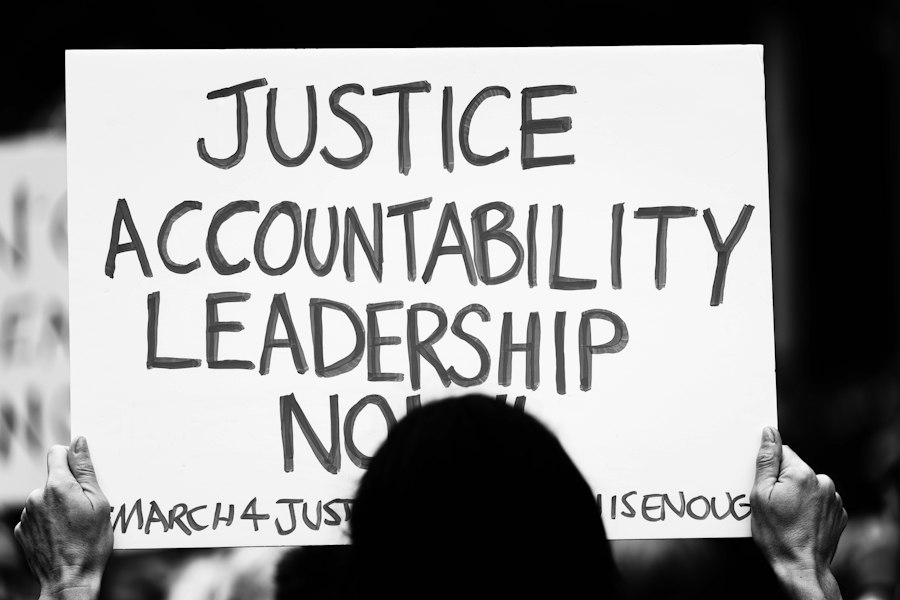
Your individual psychology doesn’t exist in a vacuum. The social context and the specific situation you find yourself in can significantly impact your propensity to resist authority.
Group Dynamics and Social Conformity
The people around you, and their reactions to authority, can heavily influence your own behavior. The principle of social conformity suggests that you are likely to align your behavior with the group.
Peer Influence and Collective Resistance
If you see others around you resisting an authority figure, you are more likely to join in. This is especially true if you share a sense of injustice or dissatisfaction with the group. Peer influence can amplify individual acts of resistance into collective movements.
The Power of the “Us vs. Them” Mentality
In certain situations, a strong “us vs. them” mentality can emerge, where you and your group feel pitted against the authority figure. This shared sense of opposition can solidify your resolve to resist and create a powerful sense of solidarity.
The Nature of the Authority and the Command
Not all authorities are created equal, and not all commands are received the same way. The characteristics of the authority figure and the specifics of the directive play a crucial role in your decision to comply or resist.
Charismatic Leaders vs. Bureaucratic Figures
You are more likely to be influenced by charismatic leaders who inspire trust and admiration. Resistance might be more pronounced when dealing with impersonal bureaucratic structures or authority figures who lack perceived personal qualities.
The Clarity and Legitimacy of the Command
If a command is vague, ambiguous, or appears to lack a clear purpose, you are more likely to resist. Similarly, if the command itself seems irrational, unethical, or counterproductive, your resistance is almost inevitable. You need to understand why you’re being asked to do something to be willing to do it.
Resistance to authority is a fascinating aspect of psychology that explores how individuals respond to perceived power and control. In examining this phenomenon, one can find insightful discussions in related articles, such as the one available at Unplugged Psychology, which delves into the various factors influencing compliance and defiance. Understanding these dynamics can shed light on the broader implications of authority in social contexts and personal relationships.
Navigating the Labyrinth: When Resistance Serves You Well
| Metric | Description | Typical Measurement | Relevance to Resistance to Authority |
|---|---|---|---|
| Obedience Level | Degree to which an individual complies with authority commands | Scale from 0 (non-compliant) to 10 (fully compliant) | Lower scores indicate higher resistance to authority |
| Reactance Score | Measure of psychological reactance, or resistance to perceived threats to freedom | Standardized questionnaire score (e.g., Hong Psychological Reactance Scale) | Higher scores correlate with greater resistance to authority |
| Conformity Rate | Percentage of times an individual conforms to group or authority pressure | Percentage (%) in experimental settings | Lower conformity rates suggest stronger resistance to authority |
| Trust in Authority | Level of trust an individual places in authority figures | Likert scale from 1 (low trust) to 7 (high trust) | Lower trust often predicts higher resistance |
| Need for Autonomy | Degree to which an individual desires independence and self-governance | Self-report scale scores | Higher need for autonomy is linked to resistance to authority |
| Authoritarianism Score | Measure of authoritarian personality traits | Scores from instruments like the Right-Wing Authoritarianism Scale | Lower authoritarianism scores often correlate with resistance to authority |
Resisting authority isn’t always a negative or detrimental act. In many instances, your inclination to question and push back is a sign of a healthy, critical mind and a strong moral compass. Understanding when and why you resist can empower you to make more informed and effective choices.
The Importance of Healthy Skepticism
A healthy dose of skepticism is vital in a world filled with information and directives. Your tendency to question authority can protect you from manipulation, exploitation, and misguided actions. It’s the engine of progress and the guardian of individual freedoms.
Critical Thinking and Questioning the Status Quo
Your resistance is often a manifestation of your critical thinking skills. You don’t accept things at face value; you probe, you challenge, you seek deeper understanding. This intellectual curiosity is what drives innovation and social change.
Recognizing and Challenging Injustice
Your moral compass is a powerful force. When you encounter injustice, your resistance becomes a force for good. You are more likely to speak out against unfair practices, to defend the rights of others, and to advocate for a more equitable world. This is where your resistance transcends personal inconvenience and becomes a societal contribution.
Asserting Your Identity and Values
At times, resisting authority is a crucial act of self-preservation and self-definition. It’s about holding firm to your beliefs and ensuring that your actions align with your core values.
Maintaining Personal Integrity
When a directive conflicts with your deeply held ethical principles, resistance is the only path to maintaining your personal integrity. It’s about refusing to compromise your soul for the sake of compliance. You are saying, “This is who I am, and this is what I stand for.”
The Power of “No”: Setting Boundaries for Self-Respect
Learning to say “no” is a fundamental skill for self-respect. When you resist an unreasonable demand, you are reinforcing your own boundaries and signaling to others how you expect to be treated. This is an act of empowerment that builds self-esteem.
In conclusion, your inclination to resist authority is a complex and multifaceted aspect of your psychology. It’s not simply about being difficult; it’s a intricate dance of your innate need for autonomy, your cognitive evaluations, your emotional responses, and the social contexts you inhabit. By understanding these underlying mechanisms, you can better navigate the challenges of authority, assert your own needs and values effectively, and ultimately, contribute to a more thoughtful and just world. Your resistance, when guided by reason and a strong moral compass, is a powerful tool for personal growth and societal advancement.

They Started With Rules. Then Students Began Policing Each Other
FAQs
What is resistance to authority in psychology?
Resistance to authority in psychology refers to the phenomenon where individuals challenge or disobey the commands or expectations of those in positions of power or authority.
What are some factors that contribute to resistance to authority?
Factors that contribute to resistance to authority include personal beliefs, values, past experiences, social influences, and the perceived legitimacy of the authority figure or their commands.
How does resistance to authority impact behavior?
Resistance to authority can impact behavior by leading individuals to question, challenge, or refuse to comply with authority figures, which can result in conflict, disobedience, or even social change.
What are some examples of resistance to authority in history?
Examples of resistance to authority in history include civil rights movements, protests against oppressive governments, acts of civil disobedience, and revolutions aimed at overthrowing authoritarian regimes.
How can understanding resistance to authority be beneficial in psychology?
Understanding resistance to authority in psychology can help researchers and practitioners better comprehend human behavior, social dynamics, power structures, and the factors that influence individuals to challenge or conform to authority.