
You know that feeling. The one where you’re lying in bed, the day winding down, and suddenly, there it is: a conversation you had hours ago, replaying in your mind. No matter how much you try to push it away, it loops, dissects, and revisits itself with alarming persistence. You’re not alone in this. This common human experience, the psychological phenomenon of replaying conversations, is a complex tapestry woven from memory, emotion, and our innate drive for understanding and connection. It’s a behavior that can be both frustrating and, surprisingly, beneficial, depending on how you navigate it.
You replay because your brain is a sophisticated machine, and sometimes, it gets stuck in a loop. This isn’t necessarily a sign of an overactive or unhealthy mind; it’s often a manifestation of your mind trying to make sense of social interactions. Think of it as your internal auditor, reviewing every word, gesture, and nuance for meaning and impact.
Memory’s Imperfect Recall: The Gaps You Try to Fill
Memory is not a perfect recording device. It’s a reconstructive process, prone to biases, omissions, and distortions. When you replay a conversation, you’re not reliving an exact moment. You’re accessing and reassembling fragments, filling in the blanks with interpretations and assumptions. This is particularly true for emotionally charged conversations, where your feelings can color your recollection. You might remember the sting of a harsh word more vividly than the indifferent tone of another, or the triumphant feeling of a witty retort you finally thought of after the fact.
The Role of Salience: What Sticks and What Doesn’t
Certain elements of a conversation are inherently more salient than others. Did someone say something that contradicted your beliefs? Did they give you unexpected praise or criticism? Was there a moment of awkward silence that felt interminable? These moments, often charged with emotional significance or unexpectedness, are more likely to be encoded and replayed. Your brain prioritizes information that feels important, and in social contexts, this often relates to your own self-perception, your relationships, and your place within a social group.
Emotional Resonance: The Heart Wants What the Heart Remembers
Emotions are powerful memory enhancers. If a conversation evoked strong feelings, whether joy, anger, sadness, or anxiety, these emotions act as anchors for your memories. You’re not just replaying the words; you’re replaying the FEELING associated with those words. This is why arguments can be so difficult to let go of. The heightened emotions – the adrenaline rush of anger, the lump in your throat of hurt – are deeply etched into your memory, making the replay button almost irresistible.
The Need for Cognitive Closure: Seeking Understanding and Control
Your mind craves order and understanding. When a conversation feels ambiguous, unresolved, or has left you with lingering questions, your brain seeks cognitive closure. Replaying a conversation is often an attempt to gain this closure – to understand what was really meant, to identify missed cues, or to solidify your interpretation of events. It’s a subconscious effort to create a coherent narrative out of the messy reality of human interaction.
Unpacking Implicit Meanings: Reading Between the Lines
Humans are social creatures constantly trying to decipher the intentions and motivations of others. Replaying conversations allows you to meticulously examine what was said and, perhaps more importantly, what was unsaid. You might be looking for subtext, hidden agendas, or unspoken feelings. This endeavor is often fueled by a desire to understand the dynamics of your relationships and to predict future interactions. Are they hinting at something? Do they really mean what they say? These are the questions your mind wrestles with in the echo chamber.
Processing Social Cues: The Non-Verbal Audit
Conversations aren’t just verbal. They involve a complex dance of body language, facial expressions, tone of voice, and pauses. When you replay, you’re not just listening to the words; you’re often trying to reconstruct and re-evaluate these non-verbal cues. Did their eyes shift when they said that? Was their smile genuine? This internal audit of non-verbal communication is a crucial part of your attempt to grasp the full picture and to feel more in control of social understanding.
If you often find yourself replaying conversations in your head, you might find it helpful to explore the insights provided in the article on the Unplugged Psych website. This article delves into the psychological reasons behind this common behavior, discussing how it relates to anxiety, self-reflection, and the desire for social connection. Understanding these underlying factors can help you manage your thoughts more effectively. To read more about this topic, visit the article here: Unplugged Psych.
The Double-Edged Sword of Rumination: When Replaying Becomes a Problem
While replaying can serve a purpose, it can also tip into a cycle of rumination, where the focus shifts from understanding to distress. This is where the psychological impact can become negative, affecting your mood, your decision-making, and your overall well-being.
The Vicious Cycle of Negative Self-Talk: Amplifying Doubts
When you replay conversations in a negative loop, you often fall prey to negative self-talk. You magnify your perceived mistakes, criticize your responses, and dwell on missed opportunities. This creates a self-fulfilling prophecy, where your internal doubts erode your confidence and make you more anxious about future interactions. You start to believe you’re not good enough, that you always say the wrong thing, or that you’re misunderstood.
The “What Ifs” and “Should Haves”: A Minefield of Regret
The replay often morphs into a distressing exploration of “what ifs” and “should haves.” You imagine alternative responses, scenarios where you were more articulate, more assertive, or more empathetic. This is a painful exercise in regret, focusing on what you could have done rather than what you did. It paralyzes you, making it difficult to move forward and often leading to a feeling of being stuck in the past.
Magnifying Perceived Insults: The Sensitivity Radar
Your internal replay can also serve as a sensitivity radar for perceived insults or slights. You might meticulously dissect someone’s words, searching for hidden criticism or disrespect. What one person intended as a neutral observation, you might interpret as a personal attack. This heightened sensitivity can lead to unwarranted feelings of hurt and resentment, further fueling the replay cycle.
The Impact on Mental Well-being: Anxiety, Depression, and Social Withdrawal
The persistent replaying of conversations, especially negatively framed ones, can have a significant toll on your mental health. It’s a breeding ground for anxiety, as you constantly anticipate negative outcomes and relive stressful moments. It can contribute to feelings of depression, as you dwell on perceived failures and your own shortcomings. This can also lead to social withdrawal, as the fear of repeating past “mistakes” makes you hesitant to engage with others.
Increased Anxiety and Stress: A Constant State of Alert
The constant mental rehashing of conversations keeps your nervous system in a state of heightened alert. Your mind is perpetually scanning for threats, analyzing past interactions for potential danger. This sustained stress can manifest as physical symptoms like muscle tension, headaches, and sleep disturbances. Your internal dialogue becomes a source of chronic anxiety, a never-ending loop of worry.
Fueling Depressive Thoughts: A Cycle of Helplessness
When the replays are predominantly negative, they can contribute to feelings of helplessness and hopelessness – key components of depression. You might feel like you have no control over your interactions or your own behavior, leading to a sense of resignation. The constant focus on past perceived failures can overshadow any positive aspects of your life, painting a bleak picture of your social capabilities.
Hindering Social Connection: The Fear of Repetition
The fear of replaying a bad conversation can become a powerful deterrent to engaging in new ones. You might shy away from social situations, convinced that you’ll only say the wrong thing and end up with another mental replay session. This avoidance behavior can lead to isolation and a decline in your social skills, further exacerbating the problem.
The Positive Potential: Learning, Growth, and Improved Communication
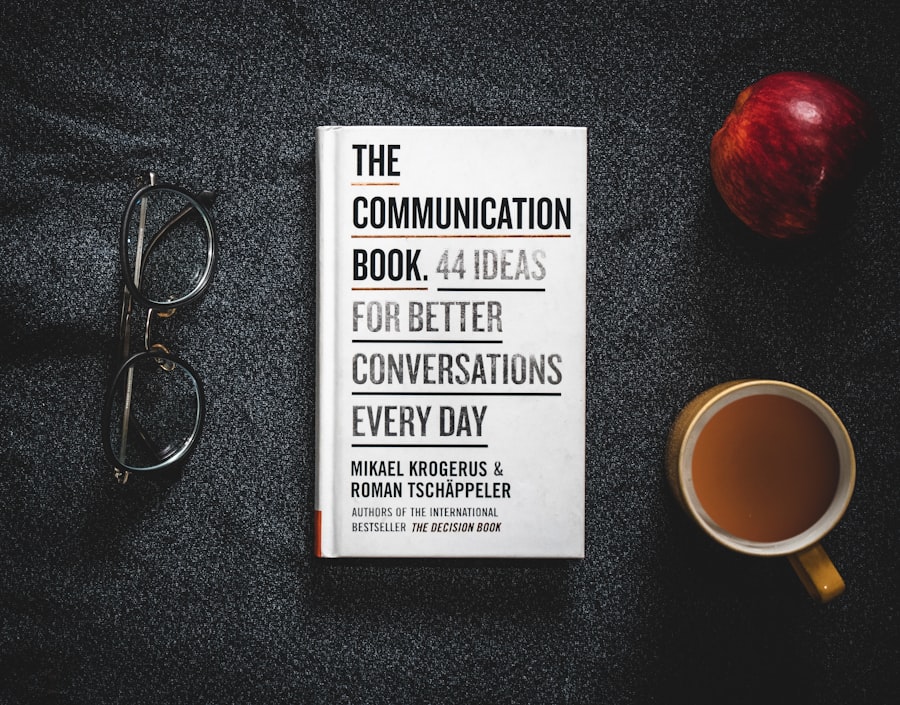
While the negative aspects of replaying conversations are undeniable, it’s crucial to recognize its potential for positive impact. When approached constructively, this mental exercise can be a powerful tool for self-improvement and deeper understanding.
Learning from Mistakes: The Path to Social Dexterity
Every conversation is a learning opportunity. Replaying allows you to analyze your performance, identify areas where you could have communicated more effectively, and learn from your missteps. This is how you develop social dexterity – the ability to navigate complex social situations with greater ease and confidence.
Identifying Communication Gaps: Where Did You Miss the Mark?
You might replay a conversation and realize you didn’t fully listen, that you interrupted too much, or that your tone was unintentionally dismissive. Recognizing these communication gaps is the first step to correcting them. You can start to consciously practice active listening, mindful speaking, and more thoughtful responses in future interactions.
Refining Your Approach: Practice Makes Progress
By dissecting past conversations, you can begin to refine your communication strategies. Did that assertive approach work, or did it lead to defensiveness? Was a more empathetic response better received? This iterative process of analysis and refinement is how you build a more effective and fulfilling communication style. You’re essentially creating a personal playbook for effective social interaction.
Strengthening Relationships: Deepening Understanding and Empathy
Replaying can also be a way to foster understanding and empathy within your relationships. Instead of solely focusing on your own perceived blunders, you can use it to try and understand the other person’s perspective and motivations.
Gaining Empathy: Stepping into Their Shoes
Consider the conversation from the other person’s viewpoint. What might have been their intentions? What were their underlying concerns? Replaying with an empathetic lens can help you see beyond your own reactions and understand the shared humanity in the interaction. This can lead to a deeper appreciation for their perspective and a more compassionate response in the future.
Resolving Misunderstandings: Clarifying Intentions
Sometimes, a replay session can help you identify where a misunderstanding occurred. Perhaps your words were unintentionally ambiguous, or their response was misinterpreted. By revisiting the exchange, you might gain clarity on the root cause of the conflict, paving the way for future reconciliation or more direct communication to address the issue.
Enhancing Self-Awareness: Understanding Your Internal Dialogue
The act of replaying is a powerful mirror for your internal dialogue. It reveals your biases, your insecurities, and your core beliefs about yourself and others. This increased self-awareness is foundational for personal growth.
Recognizing Cognitive Biases: Unmasking Your Blind Spots
Are you consistently interpreting neutral comments negatively? Do you tend to assume the worst in people? Replaying can help you identify your cognitive biases – those systematic patterns of deviation from norm or rationality in judgment. Recognizing these blind spots is crucial for making more objective assessments and engaging in healthier interactions.
Understanding Your Triggers: What Sets You Off?
Certain phrases, tones, or subjects might consistently lead to negative replays. Identifying these triggers is key to managing your reactions. Once you know what sets you off, you can develop strategies to prepare yourself, to manage your emotional response in the moment, or to steer clear of those triggers when possible.
Strategies for Moving Beyond the Echo Chamber: Cultivating a Healthier Relationship with Replaying

The goal isn’t to eliminate the replaying of conversations entirely, as it can serve valuable functions. Instead, the aim is to develop a healthier relationship with this mental habit, transforming it from a relentless cycle of distress into a tool for growth.
Mindfulness and Present Moment Awareness: Anchoring Yourself
The most effective antidote to excessive rumination is cultivating mindfulness. By grounding yourself in the present moment, you can interrupt the tendency to get lost in past conversations.
The Power of Deep Breathing: Calming the Storm Within
When you feel the replay beginning, pause. Take a slow, deep breath in through your nose, hold it for a moment, and exhale slowly through your mouth. Focus solely on the sensation of the breath moving in and out of your body. This simple act can interrupt the automaticity of rumination and bring you back to the here and now.
Sensory Engagement: Reconnecting with Your Environment
Engage your senses. What do you see, hear, smell, taste, and touch right now? Focus on the details of your immediate surroundings. This sensory anchor pulls your attention away from the internal echo chamber and redirects it to the tangible reality around you.
Reframing and Cognitive Restructuring: Changing the Narrative
If you find yourself stuck in a negative replay, actively challenge and reframe your thoughts. Cognitive restructuring involves identifying and challenging irrational or unhelpful thought patterns.
Challenging Negative Thoughts: The Evidence Test
When you have a negative thought about a past conversation (“I said something so stupid”), ask yourself: “Is this thought 100% true? What is the evidence that supports this thought? What is the evidence that contradicts it?” Often, you’ll find that the thought is an overgeneralization or an exaggeration.
Focusing on Solutions, Not Just Problems: Shifting to Action
Instead of dwelling on what went wrong, shift your focus to what you can do differently next time. If you missed an opportunity to speak up, your next step might be to practice being more assertive in low-stakes situations. This forward-looking approach empowers you and reduces the feeling of helplessness.
Intentional Processing: When Replaying Serves a Purpose
Not all replaying is unproductive. Learn to differentiate between helpful and unhelpful processing. If a conversation is causing significant distress or confusion, an intentional, structured approach can be beneficial.
Setting Time Limits: Contain the Internal Audit
If you need to process a conversation, give yourself a specific, limited amount of time to do so. Set a timer for 15-20 minutes, and during that time, allow yourself to analyze the conversation. Once the timer goes off, consciously decide to let it go and engage in a different activity.
Journaling for Clarity: Externalizing Your Thoughts
Writing down your thoughts and feelings about a conversation can be incredibly cathartic and clarifying. It externalizes the internal dialogue, allowing you to see your thoughts more objectively. You can identify patterns, articulate your emotions, and even brainstorm potential solutions or next steps.
Seeking External Support: When the Echo Becomes Too Loud
If you find yourself constantly replaying conversations to the point where it significantly impacts your life, don’t hesitate to seek professional help. A therapist can provide tools and strategies to manage rumination and address any underlying issues.
Therapy and Counseling: Professional Guidance
Cognitive Behavioral Therapy (CBT) and mindfulness-based therapies are particularly effective in addressing rumination. A therapist can help you identify negative thought patterns, develop coping mechanisms, and build healthier communication habits. They offer a safe and objective space to explore your experiences.
Talking to Trusted Friends or Family: Shared Perspectives
Sometimes, simply talking through a conversation with a trusted friend or family member can offer a valuable new perspective. They might be able to offer insights you hadn’t considered or help you realize that your concerns are not as significant as they feel to you.
Many people find themselves replaying conversations in their heads, often analyzing what was said and how it was received. This behavior can stem from a desire to understand social interactions better or to process emotions tied to those exchanges. If you’re curious about the psychological aspects of this phenomenon, you might find the insights in a related article helpful. For more information on this topic, you can read more about it here. Understanding these patterns can lead to greater self-awareness and improved communication skills.
Embracing the Human Experience: The Art of Letting Go
| Reasons for Replaying Conversations | Impact |
|---|---|
| Overthinking | Causes stress and anxiety |
| Seeking validation | Desire for approval and reassurance |
| Analysis of social interactions | Understanding social dynamics and behavior |
| Memory reinforcement | Retention of important information |
The tendency to replay conversations is an intrinsic part of being human. It’s a testament to our desire for understanding, connection, and mastery in the complex dance of social interaction. While the echo chamber can sometimes be a frustrating place, it also holds the keys to learning, growth, and deeper self-awareness. By understanding the psychology behind this phenomenon and actively employing strategies for healthier engagement, you can transform the echo into a constructive dialogue, ultimately leading to more fulfilling and meaningful connections. You can move beyond the rehashing and embrace the art of letting go, allowing yourself to experience the present and move forward with greater confidence and peace.

Why You Can’t Relax (Even When There’s Nothing Wrong)
FAQs
What is the phenomenon of replaying conversations in our heads?
Replaying conversations in our heads is a common phenomenon where individuals mentally revisit and analyze past conversations they have had with others. This can occur for various reasons, such as trying to understand the interaction better, seeking closure, or processing emotions.
Why do people replay conversations in their heads?
People may replay conversations in their heads for several reasons, including trying to make sense of a confusing or emotionally charged interaction, seeking validation or reassurance, or attempting to find closure or resolution to a conversation that left them feeling unsettled.
Is it normal to replay conversations in our heads?
Yes, it is normal for individuals to replay conversations in their heads. This behavior is a common aspect of human cognition and can serve as a way for people to process and make sense of their social interactions.
Can replaying conversations in our heads be harmful?
While replaying conversations in our heads is a normal behavior, it can become harmful if it leads to excessive rumination, anxiety, or negatively impacts one’s mental well-being. If this behavior becomes overwhelming or interferes with daily functioning, it may be beneficial to seek support from a mental health professional.
How can individuals manage the tendency to replay conversations in their heads?
There are several strategies individuals can use to manage the tendency to replay conversations in their heads, including practicing mindfulness and grounding techniques, seeking support from trusted friends or mental health professionals, and engaging in activities that promote relaxation and self-care. Developing healthy coping mechanisms and learning to reframe negative thought patterns can also be beneficial in managing this behavior.