
You know the feeling. That little red notification, the one that signals a message has been delivered. You send your carefully crafted text – a joke, a question, a confession of affection – and you wait. Then, you see it. The little bubble appears, and then… it vanishes. And in its place, you see the chilling, definitive mark: “Read.”
Then, you wait. And wait. And wait. The seconds tick by, stretching into minutes, then hours. The digital silence is deafening. Your message, once a vibrant thread of connection, has become a ghost in the machine, acknowledged but unanswered. This is the psychological minefield of being left on read, a modern form of silent treatment that can leave you feeling bewildered, anxious, and deeply inadequate.
The moment you see that “Read” receipt without a subsequent reply, a subtle shift occurs. It’s not just about waiting for information; it’s about the perceived withdrawal of something more profound.
The Flicker of Hope, Then the Crushing Reality
You tap open the message thread, your heart giving a little flutter of anticipation. You saw they’re online, you saw they read it. This is it, the response is coming. But as the minutes bleed into an unnerving silence, that initial hope curdles. It’s like standing on the edge of a cliff, expecting a hand to reach out and pull you back, only to find the ground simply dropping away. The expectation of a response is so deeply ingrained in our communication patterns that its absence creates a palpable void.
The Cognitive Dissonance: “They Saw It, So Why Aren’t They Replying?”
Your brain struggles to reconcile the observable fact (message read) with the lack of expected action (a reply). This cognitive dissonance creates a mental tug-of-war. Your logical mind acknowledges the read receipt, but your emotional brain is screaming for an explanation. This internal conflict fuels anxiety, as your mind desperately tries to fill the silence with plausible, and often negative, interpretations.
The Erosion of Connection: A Subtle Rejection
Even a seemingly innocent delay in response can feel like a personal slight. In our hyper-connected world, communication is often instant. When that expectation is broken, it can feel like a withdrawal of attention, a subtle form of rejection. It’s as if the other person has acknowledged your presence but then chosen to disengage, leaving you feeling unseen and undervalued.
The psychology of being left on read can significantly impact our emotional well-being and self-esteem, often leading to feelings of anxiety and insecurity in our digital communications. For a deeper understanding of this phenomenon, you can explore the article on emotional responses in digital interactions found at Unplugged Psych. This resource delves into the psychological implications of modern communication and how it shapes our relationships and perceptions of others.
Decoding the Silence: The Proliferation of Potential Reasons
The beauty and terror of being left on read lies in its ambiguity. The lack of information breeds an epidemic of speculation, as your mind races to construct the narrative behind the silence.
The “I’m Busy” Alibi: A Convenient Excuse?
Perhaps the most common, and often the most genuinely true, reason is simply that the other person is genuinely occupied. They might be in a meeting, driving, dealing with a family emergency, or deep in a work project. The read receipt could be a fleeting glance at their phone, a mental note to reply later that gets lost in the shuffle of a demanding day. However, for the recipient, this explanation can feel hollow. The absence of a quick “Got this, will reply soon!” can amplify the feeling of being an afterthought.
The “Thinking About It” Pause: A Deliberate Hesitation
Some messages, especially those that are emotionally charged or require a thoughtful response, might warrant a pause. The person might be carefully considering their words, trying to craft the perfect reply, or even processing their own feelings before responding. This is a sign of respect for the conversation, but it can be agonizing for the person waiting for that considered response. They might interpret the delay as uncertainty, doubt, or even a sign of disinterest.
The “I Don’t Know What to Say” Conundrum: Navigating Awkwardness
Certain topics can trigger social anxiety or a fear of saying the wrong thing. A sensitive confession, a difficult question, or a request for something substantial can leave someone feeling paralyzed. They might be rereading your message, desperately searching for the right words, or even hoping that if they ignore it long enough, the awkwardness will dissipate. This indecision, while understandable, can be incredibly frustrating for the sender.
The “I’ve Lost Interest” Scenario: The Unspoken Goodbye
This is the fear that lurks in the shadows of every unanswered text. The read receipt, followed by silence, can be interpreted as a clear signal that the other person is no longer invested in the conversation or, more broadly, in the relationship. This is particularly painful when the message was an expression of genuine interest or affection. It can feel like a digital brush-off, a quiet way of severing ties without the need for direct confrontation.
The “Intentional Ghosting” Tactic: A Conscious Disengagement
In its most extreme form, being left on read can be a deliberate act of ghosting. The person has chosen to cease communication without explanation, and the read receipt is a final, albeit passive-aggressive, confirmation that they’ve seen your message but have no intention of responding. This is a particularly cruel form of communication, as it leaves the recipient in a state of perpetual uncertainty and denial.
The Psychological Fallout: Anxiety, Self-Doubt, and Overthinking

The impact of being left on read extends far beyond the momentary disappointment. It can trigger a cascade of negative emotions and thought patterns.
The Anxiety Spiral: A Loop of “What Ifs”
Your mind, starved of concrete answers, begins to invent them. “What if I said something wrong?” “What if they’re angry with me?” “What if they don’t like me anymore?” These “what ifs” begin to spin in a relentless loop, fueling a growing sense of anxiety. Each unanswered minute amplifies the uncertainty, making it harder to break free from the cycle of worry.
The Self-Doubt Debacle: Questioning Your Worth
When you’re left on read, especially by someone you care about, it’s easy to turn the blame inward. You start questioning your own value. “Am I not interesting enough?” “Am I too needy?” “Do I deserve a response?” This self-doubt can chip away at your confidence, making you hesitant to initiate future conversations or express yourself openly.
The Overthinking Epidemic: dissecting Every Word and Emoji
Every syllable, every emoji, every punctuation mark in your original message comes under intense scrutiny. You replay the conversation in your mind, dissecting every nuance, searching for clues that might explain the silence. Was that emoji too much? Was that sentence phrased incorrectly? This obsessive overthinking can be exhausting and unproductive, leading you down rabbit holes of interpretation that are unlikely to yield any truth.
The Escalation of Insecurity: Seeking External Validation
The insecurity born from being left on read can lead you to seek validation elsewhere. You might check their social media, scrutinize their online activity, or even reach out to mutual friends to try and gauge their mood or intentions. This external seeking can be a desperate attempt to regain a sense of control and understanding in a situation that feels inherently uncontrollable.
Navigating the Digital Landscape: Strategies for Resilience

While the sting of being left on read is undeniable, there are ways to build resilience and navigate these common digital communication hiccups.
The Power of Context: Consider the Relationship and Past Behavior
Before spiraling into a panic, take a moment to assess the context. How has this person typically responded to your messages in the past? Are they generally a quick texter, or do they often take their time? Is this a new acquaintance or a long-term friend? Understanding their usual communication style can help you temper your own expectations and avoid jumping to negative conclusions.
The Benefit of the Doubt: Assuming Good Intentions (Initially)
It’s a radical idea in our era of instant gratification, but sometimes, the most helpful approach is to grant the other person the benefit of the doubt. Assume they are busy, or that they have a legitimate reason for the delay. This doesn’t mean enabling poor communication, but rather choosing to approach the situation with a less anxious mindset, at least in the initial stages.
The “One More Try” Rule: A Gentle Follow-Up
If a significant amount of time has passed and the silence is becoming unbearable, a gentle follow-up is often appropriate. This could be a simple “Hey, just checking in!” or a lighthearted question about something unrelated. The key is to avoid accusatory language and to keep the tone casual. This gives them an easy opportunity to respond without feeling cornered.
The Importance of Other Connections: Diversify Your Social Landscape
Relying too heavily on one person for validation or communication can make the sting of being left on read even more potent. Cultivate a diverse network of friends and acquaintances. This ensures that if one communication channel goes quiet, you have other avenues for connection and support, lessening the impact of any single digital interaction.
The Self-Care Sanctuary: Prioritize Your Well-being
When you find yourself caught in the cycle of overthinking and anxiety, it’s crucial to engage in self-care. Step away from your phone. Go for a walk, listen to music, read a book, or spend time with people who make you feel good. Remind yourself that your worth is not determined by someone else’s response time.
The experience of being left on read can evoke a range of emotions, often leading individuals to question their self-worth and the dynamics of their relationships. This phenomenon is closely tied to the psychology of communication in the digital age, where instant messaging has transformed how we interpret social cues. For a deeper understanding of these emotional responses and their implications, you might find it helpful to explore this insightful article on the subject. It delves into the intricacies of digital communication and its psychological effects, providing valuable perspectives on why being left on read can feel so impactful. You can read more about it here.
The Bigger Picture: Communication in the Digital Age
| Psychological Aspect | Impact |
|---|---|
| Feelings of Rejection | Can lead to feelings of being ignored or unimportant |
| Anxiety and Overthinking | May cause anxiety and overthinking about the reason for being left on read |
| Self-Esteem | Can negatively impact self-esteem and self-worth |
| Communication Breakdown | Can lead to breakdown in communication and trust |
The phenomenon of being left on read is a symptom of the broader challenges and nuances of communication in the digital age. It highlights how our expectations have shifted and how the absence of non-verbal cues can amplify misunderstandings.
The Evolution of Social Cues: From Body Language to Digital Receipts
Historically, communication relied heavily on face-to-face interaction, where body language, tone of voice, and immediate feedback provided a rich tapestry of understanding. The advent of texting and social media has created a new landscape, where we interpret intentions through digital cues like read receipts and typing indicators. These, while offering a semblance of immediacy, are often incomplete and can lead to misinterpretations.
The Quest for Instant Gratification: A Culture of Immediate Responses
We live in a culture that often prioritizes speed and efficiency. We expect instant answers to our questions and immediate responses to our messages. When this expectation is unmet, it can feel like a disruption to the established norm, leading to frustration and a sense of being ignored.
The Redefinition of Boundaries: When is Silence Acceptable?
The ambiguity surrounding read receipts forces us to confront the evolving nature of social boundaries in the digital realm. What constitutes an acceptable delay in response? Where does the line between thoughtful consideration and outright disregard lie? These are questions we are collectively figuring out, often through trial and error, and sometimes, through the painful experience of being left on read.
The Future of Digital Etiquette: Towards Greater Clarity?
As digital communication continues to evolve, so too will our understanding of its etiquette. Perhaps future platforms will offer more nuanced ways to indicate availability or the intent behind a delayed response. Until then, the psychology of being left on read will remain a familiar, and often frustrating, aspect of navigating our hyper-connected lives.
Ultimately, being left on read is a common human experience in the modern world. It’s a testament to our inherent need for connection and validation, and a stark reminder of the complexities that arise when we communicate through screens. While it can be a source of anxiety and self-doubt, understanding the potential reasons behind the silence, and developing strategies for resilience, can help you navigate these digital bumps in the road with greater grace and self-assurance. Remember, your worth is not measured in read receipts.
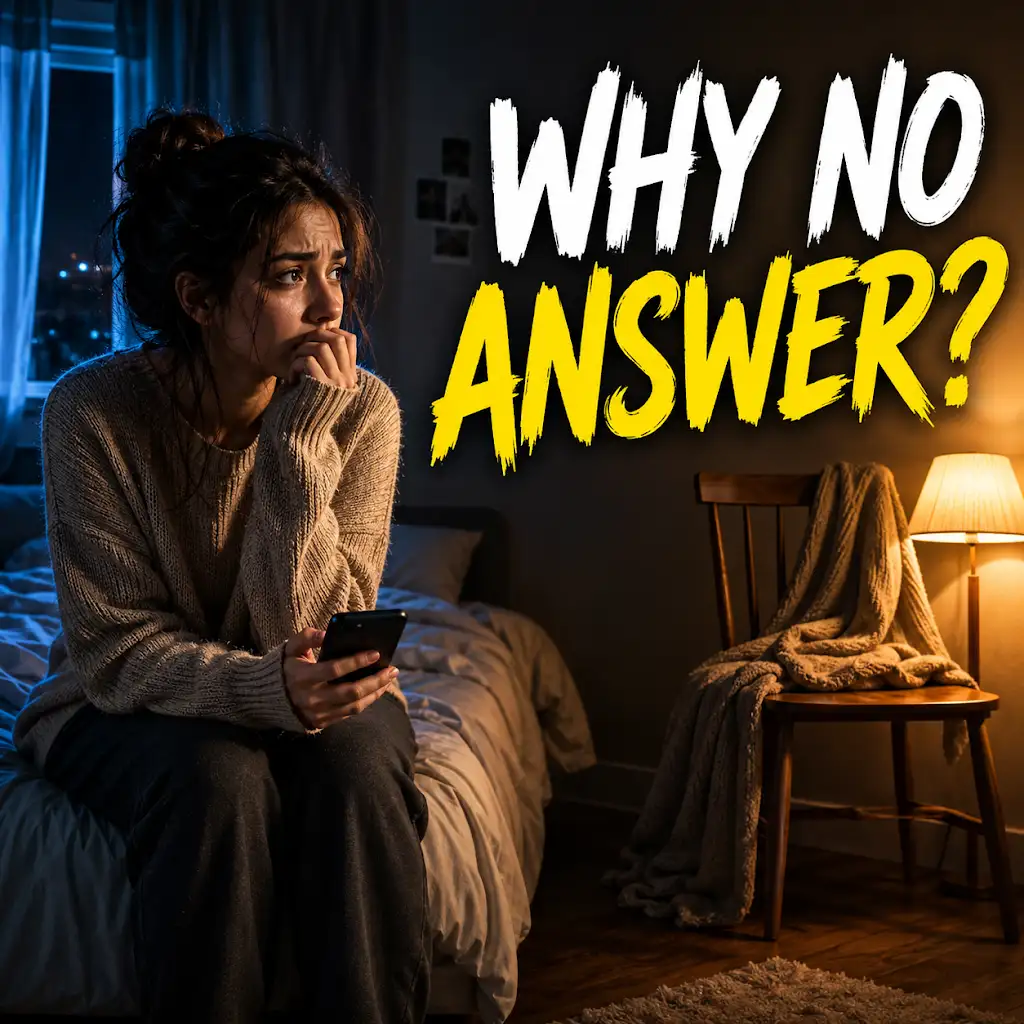
Why Your Brain Can’t Let Go When Someone Ignores You
FAQs
What does it mean to be “left on read”?
Being “left on read” refers to the experience of sending a message to someone, typically through a messaging app, and seeing that the recipient has read the message but has not responded.
What are the psychological effects of being left on read?
Being left on read can lead to feelings of rejection, insecurity, and anxiety. It can also trigger a fear of being ignored or not valued by the person who left the message unread.
Why do people feel hurt when they are left on read?
People feel hurt when they are left on read because it can be perceived as a form of social rejection. It can also lead to feelings of uncertainty and self-doubt, as the lack of response can be interpreted as a lack of interest or care from the other person.
How can being left on read impact relationships?
Being left on read can create tension and misunderstandings in relationships. It can lead to communication breakdowns, trust issues, and a sense of disconnect between the individuals involved.
What are some coping strategies for dealing with being left on read?
Coping strategies for dealing with being left on read include practicing self-care, communicating openly with the other person about your feelings, setting boundaries around messaging expectations, and seeking support from friends or a mental health professional if needed.