
The Power of Authority on Self-Perception
Authority, in its myriad forms, exerts a profound and often subconscious influence on how individuals perceive themselves. From the pronouncements of parents and teachers in early childhood to the directives of employers and societal institutions in adulthood, authoritative figures and structures shape our understanding of our own capabilities, worth, and identity. This article delves into the intricate ways in which authority impacts self-perception, exploring the psychological mechanisms at play, the developmental stages involved, and the long-term consequences for individual well-being and societal interaction.
The foundational years of life are a period of intense learning and identity formation, during which parental and familial figures serve as the primary arbitriers of reality and self-worth. These early authorities, through their words, actions, and expectations, lay the groundwork for an individual’s nascent self-concept.
Parental Expectations and the Development of Competence
A child’s perception of their own competence is heavily influenced by the expectations set by their parents. When parents encourage exploration, praise effort, and offer constructive feedback, children tend to develop a robust sense of self-efficacy, believing in their ability to tackle challenges and achieve goals. Conversely, overly critical or demanding parents, who focus solely on outcomes rather than the learning process, can foster feelings of inadequacy and a fear of failure.
The Impact of Praise and Criticism
The nature of parental praise is particularly significant. Genuine praise that acknowledges effort and progress, rather than innate talent, encourages a growth mindset. Children who are told “You worked so hard on that puzzle!” are more likely to persist when faced with difficult tasks than those who are simply told “You’re so smart!” Similarly, criticism, when delivered constructively and with empathy, can be a valuable learning tool. However, harsh, personal attacks, or the withdrawal of love contingent on performance, can lead to deep-seated insecurities and a distorted self-image.
The Role of Modeling Authoritative Behavior
Children also learn by observing how their parents interact with authority figures themselves. If parents exhibit respect, confidence, and a healthy assertiveness when dealing with teachers, doctors, or employers, children are more likely to internalize these positive traits. Conversely, if parents display fear, subservience, or defiance towards authority, these behaviors can be unconsciously adopted by the child, influencing their own future interactions and self-perception within hierarchical structures.
Educational Authority and the Shaping of Intellectual Identity
The school environment introduces a new layer of authoritative influence, primarily from teachers. These figures play a crucial role in shaping a child’s intellectual self-perception, influencing their perceived academic abilities and their engagement with learning.
The Teacher as a Gatekeeper of Knowledge and Validation
Teachers hold significant power in validating a student’s understanding and intelligence. Through grades, feedback, and classroom participation, they can communicate to students whether they are perceived as bright, capable, or struggling. A teacher’s belief in a student can be a powerful motivator, fostering a positive academic self-identity. Conversely, a teacher’s dismissiveness or low expectations can significantly undermine a student’s confidence, leading them to internalize a narrative of academic inferiority.
The Self-Fulfilling Prophecy in Education
The concept of the self-fulfilling prophecy is highly relevant here. If a teacher implicitly or explicitly signals to a student that they are not academically inclined, that student may begin to perform in accordance with these expectations, thus confirming the teacher’s initial perception. This can create a cycle of underachievement and a diminished sense of intellectual self-worth that can persist long after formal schooling ends.
The Impact of Peer Groups and Social Authority within Schools
While not formal authority figures, peer groups within educational settings also exert a powerful social authority that shapes self-perception. Being accepted, admired, or ostracized by peers can profoundly impact an individual’s sense of belonging, social competence, and overall self-esteem.
The relationship between authority and self-perception is a fascinating topic that has garnered significant attention in psychological research. A related article that delves into this subject is available on Unplugged Psychology, which explores how external influences, particularly from authoritative figures, can shape an individual’s self-image and beliefs. For more insights on this topic, you can read the article here: Unplugged Psychology.
The Adult Landscape: Navigating Organizational and Societal Authority
As individuals transition into adulthood, the landscape of authority expands to include workplaces, legal systems, and societal norms. Navigating these structures often requires individuals to conform to established hierarchies and expectations, which can in turn influence their self-perception in significant ways.
Workplace Authority and the Construction of Professional Identity
The employer-employee relationship is a classic example of hierarchical authority. Within this dynamic, an individual’s sense of professional competence, value, and contribution is heavily influenced by their role, responsibilities, and the feedback they receive from superiors.
The Role of Management in Fostering or Hindering Professional Self-Esteem
Managers and supervisors have the power to either build up or erode an employee’s professional self-esteem. Clear expectations, opportunities for growth, recognition for achievements, and supportive leadership can cultivate a strong sense of professional competence and value. Conversely, micromanagement, unfair criticism, lack of recognition, and a toxic work environment can lead to feelings of inadequacy, burnout, and a diminished sense of professional worth.
The Influence of Performance Reviews and Promotions
Formal performance reviews and opportunities for promotion are critical moments where an individual’s perceived competence and value are explicitly assessed by authority. Positive evaluations and advancements can significantly boost an individual’s confidence and reinforce their belief in their professional capabilities. Conversely, consistently poor reviews or a lack of advancement can lead to self-doubt and a questioning of one’s career trajectory.
The Power of Titles and Hierarchical Status
Titles and hierarchical positions within an organization often carry inherent authority and can influence how individuals perceive themselves and how they are perceived by others. Holding a senior title can instill a sense of responsibility, leadership, and expertise, while a junior position might, for some, foster feelings of being less important or less skilled. This is not to say that these positions are inherently tied to actual competence, but rather that the social designation of authority can shape self-perception.
Societal Authority and the Internalization of Norms
Beyond specific institutions, broader societal structures and norms represent a diffuse form of authority that shapes our understanding of who we are and how we should behave. These norms, often communicated through media, cultural traditions, and collective beliefs, influence our self-perception in areas such as gender roles, success metrics, and acceptable social behavior.
The Impact of Media Portrayals and Cultural Narratives
Media plays a significant role in shaping societal expectations and, consequently, individual self-perception. The constant barrage of images and narratives about success, beauty, and lifestyle can create idealized benchmarks that individuals may feel compelled to meet. When individuals perceive themselves as falling short of these often unattainable societal ideals, it can lead to feelings of inadequacy, dissatisfaction, and a distorted self-image.
The Internalization of Gender Roles and Stereotypes
Societal authority has historically dictated rigid gender roles and stereotypes. The internalization of these norms can profoundly impact how individuals perceive their own capabilities and aspirations. For instance, societal expectations that women are less assertive or less adept at leadership can lead women to doubt their own leadership potential, even if they possess the necessary skills. Similarly, men may feel pressured to suppress emotions or adopt a stoic persona due to societal definitions of masculinity.
The Authority of Law and Justice Systems
The legal and justice systems, as ultimate arbiters of societal rules and order, represent a powerful form of authority. For individuals interacting with these systems, their self-perception can be dramatically altered by experiences of accusation, trial, or conviction.
The Stigma of Criminalization and its Psychological Aftermath
Being accused of or convicted of a crime can lead to profound and often lasting damage to an individual’s self-perception. The label of “criminal” carries significant social stigma and can lead to feelings of shame, guilt, worthlessness, and alienation. This can make reintegration into society incredibly challenging and can foster a deep-seated belief that one is inherently flawed or beyond redemption, regardless of the circumstances of the offense or efforts at rehabilitation.
The Psychological Mechanisms: How Authority Shapes the Self
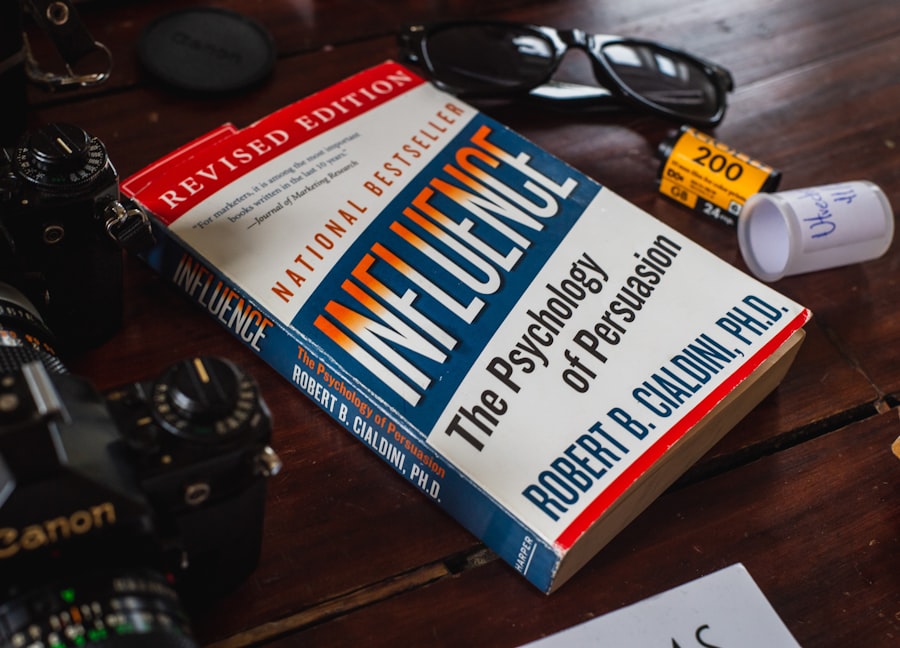
Several psychological mechanisms explain how authority exerts its influence on self-perception, ranging from cognitive biases to social learning theories.
Cognitive Dissonance and Conformity
When an individual’s beliefs or actions conflict with the dictates of an authority figure, cognitive dissonance can arise. To reduce this discomfort, individuals may alter their beliefs or behaviors to align with the authority’s position, thus subtly reshaping their self-perception. This drive for conformity, often fueled by a desire for acceptance and avoidance of punishment, can lead individuals to internalize the values and judgments of those in authority.
Social Learning Theory and Observational Conditioning
Albert Bandura’s social learning theory emphasizes the role of observational learning. Individuals learn by observing the behaviors of others, particularly those they perceive as authoritative or influential. By witnessing how authority figures are rewarded or punished, or how they interact with the world, individuals develop expectations about the consequences of their own actions and begin to model their behavior and self-perception accordingly.
The Placebo Effect and Belief Systems
Similar to the placebo effect in medicine, where a belief in a treatment can lead to tangible improvements, a belief in the authority’s pronouncements can shape an individual’s self-perception and subsequent behavior. If an authority figure expresses confidence in an individual’s ability to perform a task, that individual is more likely to succeed, not necessarily due to an inherent increase in skill, but due to the bolstering of their self-belief.
The Double-Edged Sword: Positive and Negative Impacts of Authority

The influence of authority on self-perception is not inherently good or bad; it is a complex interplay that can lead to both positive growth and detrimental psychological consequences.
Empowering Authority: Fostering Growth and Resilience
Benevolent and supportive authority figures can be instrumental in fostering positive self-perception. Leaders who provide constructive feedback, offer opportunities for development, and express genuine belief in their team members can empower individuals to explore their potential, take risks, and develop a strong sense of competence and self-worth.
Mentorship and Coaching as Authoritative Guidance
Effective mentorship and coaching relationships, while not always formal authority, often involve an element of guidance and expertise. These relationships can be incredibly powerful in shaping self-perception by providing individuals with personalized feedback, challenging their limiting beliefs, and helping them to identify and cultivate their strengths.
Leadership that Inspires and Equips
In organizational settings, leaders who inspire trust and equip their teams with the necessary resources and autonomy can foster a positive self-perception among their employees. When individuals feel supported, valued, and empowered by their leaders, they are more likely to believe in their own abilities and contributions.
Authoritarian Regimes: Stifling Individuality and Self-Worth
Conversely, authoritarian and oppressive forms of authority can have a devastating impact on self-perception. When individuals are subjected to constant control, suppression of dissent, and a lack of autonomy, their sense of self can be diminished, leading to feelings of helplessness, fear, and a loss of personal agency.
The Psychological Toll of Oppression and Control
Living under oppressive regimes often leads to the internalization of the oppressor’s narrative. Individuals may begin to believe they are inherently inferior, incapable of independent thought, or deserving of their subjugation. This can manifest as a profound lack of self-esteem, widespread anxiety, and a pervasive sense of hopelessness.
The Erosion of Critical Thinking and Independent Judgment
Authoritarian structures often actively discourage critical thinking and independent judgment. By dictating acceptable thought processes and punishing deviations, these authorities can erode an individual’s confidence in their own reasoning abilities, leading them to question their own perceptions and rely solely on external validation from the authoritative source.
Recent studies have shown that authority figures can significantly influence an individual’s self-perception, shaping how they view their abilities and worth. For a deeper understanding of this phenomenon, you might find the article on the Unplugged Psychology website insightful, as it explores the intricate dynamics between authority and self-image. This connection highlights the importance of recognizing how external validation can impact our internal beliefs. To read more about this topic, visit Unplugged Psychology.
Agency and Resistance: Reclaiming Self-Perception
| Metric | Description | Example | Impact on Self-Perception |
|---|---|---|---|
| Compliance Rate | Percentage of individuals conforming to authority directives | 75% of participants followed authority instructions in a study | High compliance can reinforce self-view as obedient or submissive |
| Self-Esteem Change | Variation in self-esteem scores after authority feedback | Average self-esteem increased by 10% after positive authority feedback | Positive authority influence can boost self-confidence and self-worth |
| Internalization Rate | Degree to which individuals adopt authority’s values as their own | 60% of subjects internalized authority’s moral standards | Internalization shapes identity and self-concept aligned with authority |
| Resistance Level | Extent of opposition to authority influence | 30% resisted authority’s attempts to change self-perception | Higher resistance maintains original self-perception despite authority |
| Self-Reflection Frequency | How often individuals reflect on their self-identity after authority interaction | Increased from 2 to 5 times per week post-authority engagement | More reflection can lead to deeper integration or rejection of authority views |
While the influence of authority is pervasive, individuals are not merely passive recipients of its power. The capacity for agency, critical reflection, and resistance allows for the potential to reclaim and redefine one’s self-perception.
The Power of Self-Awareness and Critical Reflection
Developing self-awareness is a crucial step in understanding how authority has shaped one’s self-perception. Through critical reflection, individuals can examine the messages they have received from authoritative figures and societal norms, question their validity, and begin to disentangle external judgments from their own authentic sense of self.
Challenging Internalized Beliefs
The process of challenging internalized beliefs, particularly those that are negative or limiting, is central to reclaiming self-perception. This involves actively questioning the assumptions underlying these beliefs and seeking evidence that contradicts them.
The Importance of Diverse Perspectives and Supportive Communities
Surrounding oneself with diverse perspectives and supportive communities can act as a powerful counterbalance to the potentially negative influences of dominant authoritative narratives. These environments provide validation, encouragement, and alternative viewpoints that can help individuals to forge a more robust and self-determined sense of self.
Building a Resilient Sense of Self
Ultimately, developing a resilient sense of self involves cultivating an internal locus of control, where self-worth is derived from within rather than solely from external validation. This allows individuals to navigate the influences of authority with greater autonomy and to maintain a stable and positive self-perception, even in the face of challenging or demanding external forces. The power of authority on self-perception is undeniable, but the power of an individual to critically engage with that authority and to forge their own identity is ultimately the most potent force of all.

They Told Healthy Children Something Was Wrong With Their Speech
FAQs
What is the relationship between authority and self-perception?
Authority can influence self-perception by shaping how individuals view themselves based on the opinions and feedback of those in positions of power or influence.
How does authority impact self-esteem?
Authority figures can impact self-esteem by providing validation, feedback, and recognition that can influence how individuals perceive their own worth and capabilities.
Can authority figures affect self-confidence?
Yes, authority figures can impact self-confidence by instilling belief in individuals through their guidance, support, and encouragement.
What role does authority play in shaping self-image?
Authority figures can play a significant role in shaping self-image by influencing how individuals see themselves in relation to others and the world around them.
How can individuals maintain a healthy self-perception in the face of authority influence?
Individuals can maintain a healthy self-perception by developing self-awareness, setting boundaries with authority figures, seeking feedback from diverse sources, and practicing self-compassion and self-acceptance.