
You might not even realize it’s there, a subtle undercurrent that shapes how you connect, how you trust, how you love. It’s the lingering impact of childhood trauma, a shadow cast by experiences that were overwhelming, frightening, or deeply wounding, and its tendrils can reach far into your adult relationships, affecting everything from your approach to conflict to your very sense of self-worth. It’s not about blame, or about defining you by your past. It’s about understanding, about recognizing the patterns that may be holding you back, and ultimately, about reclaiming your capacity for healthy, fulfilling connections.
When you experience childhood trauma – be it abuse, neglect, witnessing violence, or losing a significant caregiver – your young brain and nervous system are fundamentally altered. This isn’t a conscious choice; it’s a survival mechanism. Your developing brain learns to be hypervigilant, to anticipate danger, and to adapt to an unsafe environment. These adaptations, while crucial for survival during childhood, can become maladaptive in adult relationships.
The Nervous System on High Alert: Fight, Flight, Freeze, and Fawn
Think of your nervous system like an alarm system. In a safe environment, it’s calibrated to detect genuine threats. Trauma can recalibrate this system, making it far more sensitive. You might find yourself perpetually on edge, easily triggered by perceived criticism, abandonment, or conflict. This means that a disagreement with your partner, which a neurotypical brain might see as a solvable problem, can activate your fight response – leading to defensiveness, aggression, or lashing out. Alternatively, you might experience the flight response, wanting to withdraw, isolate, or avoid intimacy altogether. The freeze response can leave you feeling numb, shut down, and unable to express your needs or emotions. And then there’s the fawn response, where you people-please, chameleon, and prioritize the needs of others to an extreme to avoid conflict or rejection. These responses aren’t about being dramatic; they’re your body’s ingrained ways of trying to keep you safe based on past experiences.
Distorted Beliefs About Self and Others: The Foundation of Mistrust
Childhood trauma often instills deeply ingrained beliefs about yourself and the world. If you were neglected, you might have learned that you are unlovable or unworthy of attention. If you were abused, you might have internalized the idea that you deserve to be hurt or that people are inherently dangerous. These core beliefs become the lens through which you view your relationships. You might unconsciously seek out partners who confirm these negative beliefs, or you might struggle to accept genuine affection and kindness because it doesn’t align with your ingrained worldview. This can lead to a pervasive sense of self-doubt and a constant fear of rejection, even when there’s no evidence to support it.
Attachment Styles Forged in Unsafe Waters: The Dance of Connection and Distance
Your early relationship with your primary caregivers shapes your attachment style, which in turn influences how you form bonds in adulthood. Trauma often leads to insecure attachment styles: anxious-preoccupied, dismissive-avoidant, or fearful-avoidant.
The Anxious-Preoccupied Dance: The Constant Need for Reassurance
If you experienced inconsistent care or unpredictable responsiveness in childhood, you might develop an anxious-preoccupied attachment style. In relationships, this can manifest as a desperate need for reassurance, a fear of abandonment, and intense jealousy. You might constantly seek validation from your partner, feel distressed when they’re not readily available, and interpret their actions through a lens of potential rejection. This can be exhausting for both you and your partner, creating a cycle of seeking and then feeling unmet needs.
The Dismissive-Avoidant Wall: The Value of Independence Over Intimacy
Conversely, if your caregivers were emotionally distant or unresponsive, you might develop a dismissive-avoidant attachment style. In adulthood, you may prioritize independence and self-reliance, struggling with emotional intimacy and preferring to keep people at a distance. You might downplay the importance of relationships or feel uncomfortable with vulnerability. When your partner expresses a need for connection, you might pull away, seeing it as an intrusion on your space or a sign of weakness.
The Fearful-Avoidant Paradox: Wanting Connection, Fearing It More
The fearful-avoidant attachment style, often a result of particularly chaotic or unpredictable trauma, is a complex dance of wanting closeness while simultaneously fearing it. You might yearn for deep connection but also constantly anticipate betrayal or hurt. This can lead to erratic behavior, pushing people away when they get too close, only to then regret it and try to pull them back. This push-and-pull dynamic can be incredibly confusing and damaging for relationships.
Childhood trauma can have profound effects on adult relationships, often manifesting as trust issues, emotional dysregulation, and difficulty in forming healthy attachments. For a deeper understanding of this topic, you can explore the article on Unplugged Psych, which discusses the long-term impacts of early adverse experiences on interpersonal dynamics. To read more, visit this article.
Navigating the Minefield: Trauma’s Impact on Trust and Vulnerability
Trust is the bedrock of any healthy relationship, and for those who have experienced childhood trauma, building and maintaining trust can be an uphill battle. The very foundation of safety and reliability was likely fractured, making it difficult to extend that trust to others in adulthood.
The Erosion of Trust: When Betrayal Becomes the Norm
If you were betrayed by those you were supposed to depend on as a child, your innate capacity to trust can be severely compromised. You might be hypervigilant for signs of dishonesty, constantly second-guessing your partner’s intentions, and assuming the worst. Even when your partner is transparent and trustworthy, your trauma can create a narrative where betrayal feels inevitable. This can lead to an inability to fully relax in a relationship and a constant state of suspicion.
The Fear of Vulnerability: Shields Up to Protect a Tender Heart
Vulnerability is essential for deep connection. It’s about opening yourself up, sharing your true thoughts and feelings, and allowing yourself to be seen. For survivors of childhood trauma, vulnerability can feel like an invitation for more pain. The very act of being open can bring back the fear of exploitation or rejection that was so potent in your childhood. You might develop elaborate defense mechanisms, keeping your partner at arm’s length emotionally, never fully revealing your inner world. This can lead to a sense of isolation within the relationship, even when you’re physically together.
The Cycle of Betrayal and Forgiveness: A Difficult Balancing Act
If past trauma has created a pattern of attracting or experiencing betrayal, you might find yourself stuck in a cycle of repeated hurt and often, a reluctant forgiveness that doesn’t truly heal the underlying wound. You might forgive your partner for actions that mirror past traumas, but the emotional impact lingers, and the capacity to truly trust again is not restored. This can lead to resentment building up, a constant feeling of being wounded, and a diminished capacity to imagine a future free from this pain.
The Echoes of Conflict: How Trauma Shapes Your Reactions

Conflict is inevitable in any relationship. However, for survivors of childhood trauma, conflicts can be particularly challenging and often escalate quickly due to ingrained survival responses.
The Triggering Effect: A Simple Disagreement Becomes a Crisis
A minor disagreement can feel like a full-blown crisis if it triggers a past trauma response. For instance, a raised voice might activate a “fight” response, leading to shouting matches, or a partner’s withdrawal might trigger the “freeze” response, leaving you feeling paralyzed and unable to communicate. These reactions aren’t a reflection of your partner’s intent but rather your nervous system’s automatic response to perceived danger. You might feel overwhelmed, panicked, and unable to regulate your emotions during these moments, making rational problem-solving impossible.
Communication Breakdown: The Language of the Traumatized Brain
Trauma can disrupt your ability to communicate effectively. You might struggle to articulate your needs, express your feelings clearly, or even understand your partner’s perspective. This can lead to misunderstandings, misinterpretations, and a sense of being unheard or unseen. Your communication might become accusatory, defensive, or overtly emotional, further escalating conflict rather than resolving it. The ability to engage in calm, reasoned dialogue can feel like an impossible feat.
The Persistence of Resentment: Unresolved Wounds Fueling Anger
If past traumas are not addressed, they can fester and manifest as lingering resentment. This resentment can color your interactions, making you more prone to anger, defensiveness, and a critical outlook. Even when a specific conflict is technically resolved, the underlying wounds remain, making it difficult to move forward with a sense of peace and goodwill. This unaddressed anger can become a constant presence in the relationship, eroding intimacy and connection over time.
Rebuilding the Foundation: Towards Healthy and Fulfilling Relationships
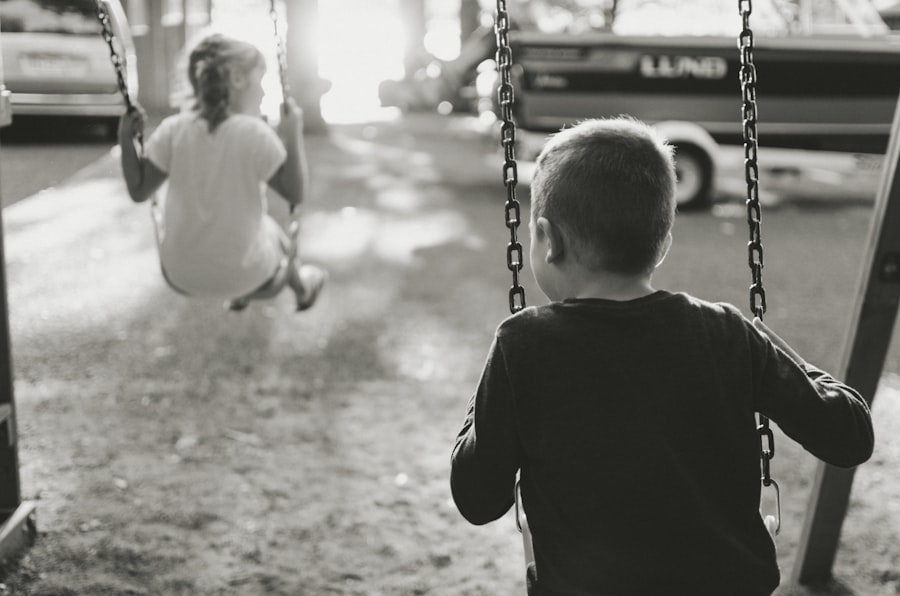
While the impact of childhood trauma can be profound, it doesn’t have to define your adult relationships. Through awareness, self-compassion, and dedicated effort, you can begin to heal and cultivate the capacity for healthy, fulfilling connections.
The Power of Awareness: Recognizing the Patterns Within
The first and most crucial step is to acknowledge and understand the impact of your past. This involves recognizing the patterns of behavior, thought, and emotion that stem from your trauma. Self-reflection, journaling, or even simply observing your reactions in different relational contexts can be incredibly insightful. You start to see how your past experiences have shaped your present, not as a condemnation, but as a map to understanding your own internal landscape.
Seeking Professional Support: Navigating the Depths with Guidance
Therapy, particularly trauma-informed therapy, is an invaluable resource. Therapists can help you process past traumas, understand their impact on your relational patterns, and develop healthy coping mechanisms. modalities like Eye Movement Desensitization and Reprocessing (EMDR), Somatic Experiencing, or Dialectical Behavior Therapy (DBT) can be particularly effective in addressing the physiological and emotional imprints of trauma. A therapist provides a safe, non-judgmental space to explore these complex issues and equips you with the tools to navigate them.
Cultivating Self-Compassion: Treating Yourself with Kindness
Healing from trauma requires immense self-compassion. You’ve been through a lot, and it’s essential to treat yourself with the same kindness and understanding you would offer a friend. This means recognizing that your struggles are not your fault, that you are doing your best, and that healing is a process, not a destination. Practicing self-care, setting healthy boundaries, and offering yourself grace during difficult moments are all vital components of this journey.
Childhood trauma can have profound effects on adult relationships, influencing attachment styles and emotional responses. For a deeper understanding of this topic, you might find it insightful to read an article on the impact of early experiences on interpersonal dynamics. This resource offers valuable insights into how unresolved trauma can shape one’s ability to connect with others. To explore this further, check out the article on Unplugged Psych, which delves into the complexities of trauma and its lasting effects on relationships.
The Path to Healing: Building Bridges of Connection and Safety
| Impact of Childhood Trauma on Relationships | Effects |
|---|---|
| Trust Issues | Difficulty trusting others, fear of abandonment |
| Communication Problems | Difficulty expressing emotions, fear of conflict |
| Attachment Issues | Fear of intimacy, difficulty forming secure attachments |
| Emotional Regulation | Difficulty managing emotions, mood swings |
| Self-Esteem | Low self-worth, feelings of inadequacy |
Healing from childhood trauma is a journey, not a race. It requires patience, perseverance, and a commitment to yourself and your relationships. The impact of trauma can be profound, but it does not have to dictate your future. By understanding its roots, actively working towards healing, and cultivating a secure inner world, you can build relationships characterized by trust, vulnerability, and genuine connection.
Developing Healthy Coping Mechanisms: Tools for Emotional Regulation
Learning to manage your emotional responses is central to healing. This involves developing healthy coping mechanisms that don’t rely on avoidance or self-sabotage. Practices like mindfulness meditation, deep breathing exercises, grounding techniques, and engaging in activities that bring you joy can help you regulate your nervous system and manage difficult emotions when they arise. These tools empower you to respond to challenging situations rather than react impulsively.
Building Secure Attachment in Adulthood: The Art of Safe Connection
As you heal, you can begin to cultivate secure attachment in your adult relationships. This involves practicing open and honest communication, setting healthy boundaries, and actively choosing partners who are also committed to emotional safety and respect. It also means learning to trust your own instincts and to recognize when a relationship feels genuinely safe and supportive. This might involve challenging old patterns of attraction or learning to value partners who offer consistency and emotional availability.
The Transformative Power of Shared Growth: Relationships as a Vehicle for Healing
Your relationships can become not just a place where trauma’s impact is felt, but also a space for profound healing and growth. When you and your partner are willing to engage in open communication about the impact of trauma, to practice empathy, and to support each other’s healing journeys, your relationship can become a sanctuary. This shared journey of growth can deepen your connection, foster a sense of mutual understanding, and ultimately, lead to a love that is resilient, authentic, and deeply fulfilling, transcending the shadows of the past.

Why You Think Everyone’s Bad Mood Is Your Fault
FAQs
What is childhood trauma?
Childhood trauma refers to any distressing or disturbing experience that a child goes through, such as abuse, neglect, or witnessing violence. These experiences can have long-lasting effects on a person’s mental and emotional well-being.
How does childhood trauma affect relationships?
Childhood trauma can impact relationships in various ways, such as difficulty with trust, intimacy issues, communication challenges, and struggles with emotional regulation. These effects can manifest in both romantic and platonic relationships.
What are some common signs of childhood trauma affecting relationships?
Signs of childhood trauma affecting relationships can include fear of abandonment, difficulty forming close connections, a pattern of unhealthy relationships, and challenges with expressing emotions or setting boundaries.
Can childhood trauma be overcome in relationships?
With the right support and resources, individuals who have experienced childhood trauma can work through the impact on their relationships. Therapy, support groups, and open communication with partners can all contribute to healing and growth.
How can someone support a partner who has experienced childhood trauma?
Supporting a partner who has experienced childhood trauma involves being understanding, patient, and empathetic. Encouraging them to seek professional help, practicing active listening, and creating a safe and supportive environment are all important ways to offer support.