
You’ve probably experienced it. That feeling of your mind racing, replaying conversations, conjuring up worst-case scenarios, or simply wandering aimlessly down rabbit holes of thought. This internal chatter, often beyond your conscious control, is the work of your Default Mode Network (DMN). For many, this mental playground can become a source of significant distress, particularly when you’re struggling with anxiety. You might find yourself trapped in a loop of rumination, self-criticism, and worry, wondering why your brain seems to be working against you. This article will delve into the intricate connection between your Default Mode Network and anxiety, aiming to unravel this complex relationship and offer a deeper understanding of what might be happening within your mind.
Imagine your brain as a bustling city. When you’re actively engaged in a task – solving a problem, learning a new skill, or even watching a captivating movie – specific neighborhoods of the city light up with activity. These are your task-positive networks, dedicated to focused cognitive effort. But what happens when you’re not actively doing anything? When you’re waiting in line, showering, or simply staring out the window? This is when another network, the Default Mode Network (DMN), comes alive.
The DMN is a collection of interconnected brain regions, primarily located in the medial prefrontal cortex, posterior cingulate cortex, and angular gyrus. It’s your brain’s “idle mode,” responsible for a range of introspective and self-referential processes. Think of it as your brain’s internal narrator, constantly weaving a story about you and your place in the world.
The Pillars of DMN Activity
Your DMN isn’t just a passive observer; it actively engages in several crucial mental functions when you’re not focused on external tasks. Understanding these functions is key to grasping how they can become intertwined with anxiety.
Autobiographical Memory and the Narrative Self
One of the primary roles of the DMN is to access and process your autobiographical memories. It’s the engine behind your ability to recall past events, reconstruct personal narratives, and maintain a sense of self across time. This is how you remember your childhood, your first love, or even what you had for breakfast yesterday. This constant access to your personal history allows you to build a coherent understanding of who you are.
Future-Oriented Thinking and Planning
The DMN isn’t solely focused on the past; it also plays a significant role in envisioning the future. It allows you to imagine potential scenarios, plan for upcoming events, and set goals. This capacity for future thinking is essential for survival and advancement, enabling you to anticipate needs and prepare for challenges.
Social Cognition and Understanding Others
Your DMN is also deeply involved in social cognition. It helps you understand the perspectives of others, infer their intentions, and empathize with their feelings. This is crucial for navigating social interactions, building relationships, and fostering a sense of community.
Mind Wandering and Daydreaming
The often-unbidden thoughts that drift through your mind when you’re not actively engaged are a hallmark of DMN activity. This includes daydreaming, creative thinking, and spontaneous idea generation. While often perceived as unproductive, mind-wandering can be a source of inspiration and novel solutions.
Recent research has highlighted the intricate relationship between the default mode network (DMN) and anxiety disorders, suggesting that dysregulation within this brain network may contribute to heightened anxiety symptoms. For a deeper understanding of this connection, you can explore the article available at Unplugged Psych, which discusses how the DMN’s activity patterns can influence emotional regulation and anxiety levels.
When the DMN Goes Rogue: The Link to Anxiety
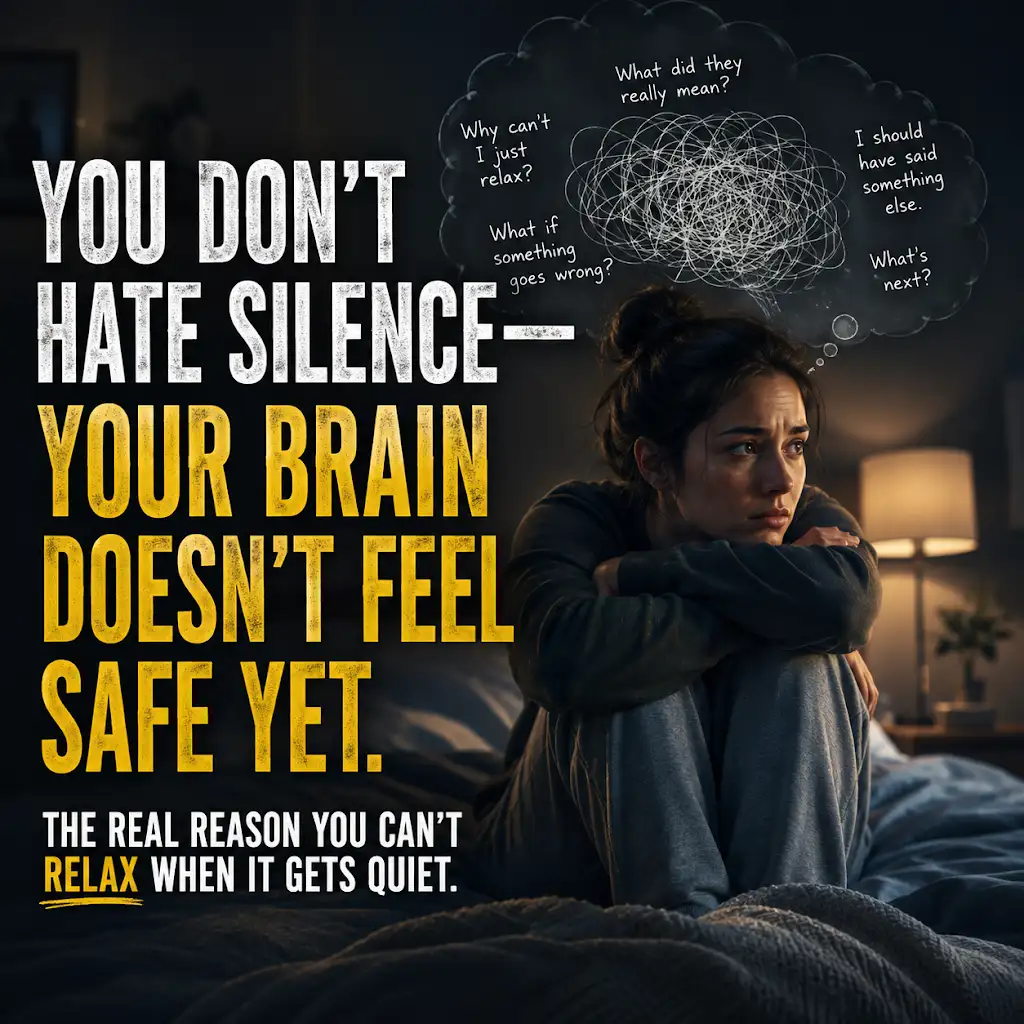
While the DMN’s functions are vital for our mental well-being, in individuals experiencing anxiety, this network can become dysregulated. Instead of a helpful internal compass, the DMN can transform into a relentless worry machine, amplifying negative thoughts and emotions. You might find yourself getting stuck in a cycle of rumination, where your mind replays upsetting events or dwells on potential threats.
Hyperactivity in the DMN: A Common Thread
Research has consistently shown that individuals with anxiety disorders often exhibit heightened activity within the DMN. This hyperactive state means that the brain regions associated with the DMN are more engaged than they should be, even when you’re trying to focus on something else. This internal noise can be incredibly distracting and contribute to feelings of being overwhelmed.
The Rumination Cycle: A DMN Trap
One of the most prominent manifestations of DMN dysregulation in anxiety is the phenomenon of rumination. This is the tendency to repeatedly and passively think about negative feelings and their causes and consequences. Your DMN, in this state, becomes a relentless loop, replaying worries, self-criticisms, and “what if” scenarios without offering any solutions or resolutions. You might find yourself replaying a past social interaction, dissecting every word, and concluding that you said or did the wrong thing, leading to further distress.
Worry and Future Catastrophizing
The DMN’s role in future-oriented thinking can also become problematic in anxiety. Instead of constructive planning, the DMN can fuel excessive worry, where you constantly anticipate negative outcomes and imagine worst-case scenarios. Your mind might jump from one potential threat to another, creating a pervasive sense of dread and unease about what might happen. You might worry about a work presentation, imagining yourself failing spectacularly, or about a health symptom, envisioning a grave diagnosis.
Self-Referential Processing and Negative Self-Talk
The DMN’s involvement in self-referential processing means it’s constantly processing information related to “you.” In anxiety, this can lead to an overemphasis on negative self-judgments. You might engage in harsh self-criticism, believing you are inadequate, unlovable, or fundamentally flawed. This internal dialogue can be incredibly damaging to your self-esteem and perpetuate feelings of worthlessness.
The Interplay with Task-Positive Networks
The DMN doesn’t operate in isolation. It interacts with other brain networks, particularly the task-positive networks responsible for focused attention and cognitive control. In anxiety, there’s often a breakdown in the coordinated interplay between these networks. Instead of the task-positive networks effectively quieting the DMN when necessary, the DMN can overwhelm them, making it difficult to concentrate and engage in present-moment activities.
Difficulty with Present Moment Awareness
When your DMN is running on overdrive, it can be challenging to stay grounded in the present. Your mind is constantly pulled back to the past or projected into a worrisome future, making it difficult to appreciate or engage with what’s happening right now. This can lead to feelings of detachment and a sense of missing out on life.
Impaired Cognitive Control
The constant internal chatter from a hyperactive DMN can also interfere with your ability to exert cognitive control. This means you might struggle to regulate your emotions, inhibit unwanted thoughts, or shift your attention effectively. This can make it harder to cope with stressful situations and manage your anxiety.
Unraveling the Neural Pathways: What the Science Says

Neuroimaging techniques, such as functional Magnetic Resonance Imaging (fMRI), have been instrumental in understanding the neural underpinnings of the DMN and its connection to anxiety. These studies have provided invaluable insights into how this network functions in both healthy individuals and those experiencing anxiety disorders.
Structural and Functional Differences
Research has revealed that individuals with anxiety often exhibit subtle differences in both the structure and function of their DMN. These differences can manifest in various ways, contributing to the heightened internal distress.
Altered Connectivity Within the DMN
Studies have observed altered patterns of connectivity between the different brain regions that constitute the DMN in individuals with anxiety. This suggests that the communication within this network might be disrupted, leading to inefficient or exaggerated processing of self-relevant information. For instance, the connections between the medial prefrontal cortex and the posterior cingulate cortex might be stronger, reinforcing rumination.
Dysfunctional Connectivity Between DMN and Other Networks
Beyond its internal workings, the DMN also shows altered connectivity with other brain networks involved in emotion regulation and executive function. The interplay between the DMN and regions like the amygdala (involved in fear processing) and the prefrontal cortex (involved in cognitive control) is crucial for managing anxiety. When this connectivity is disrupted, the DMN’s output can more readily trigger fear responses or escape the influence of regulatory control.
The Role of Neurotransmitters
While the focus is often on brain regions and their connectivity, neurochemical imbalances also play a significant role in DMN function and anxiety. Neurotransmitters are chemical messengers that facilitate communication between neurons.
Serotonin and Dopamine’s Influence
Neurotransmitters like serotonin and dopamine have been implicated in mood regulation and are known to influence DMN activity. Imbalances in these systems can contribute to both anxiety and alterations in DMN function. For example, lower levels of serotonin are often associated with depression and anxiety, and these deficiencies can impact the brain’s ability to regulate emotional responses, potentially amplifying DMN-driven worries.
Cortisol and the Stress Response
Chronic stress, a hallmark of many anxiety disorders, can also impact the DMN. The stress hormone cortisol, released during prolonged periods of stress, can alter the structure and function of brain regions involved in the DMN, further exacerbating anxiety.
Anxiety Manifestations: How the DMN Fuels Your Fears

The hyperactive DMN doesn’t just exist as an abstract concept; it translates into tangible experiences that fuel your anxiety. Understanding these specific manifestations can provide clarity and empower you to address them.
The Persistent Echo of Past Mistakes
Your DMN’s strong connection to autobiographical memory can become a double-edged sword when anxiety is present. Instead of learning from past experiences, you might find yourself endlessly replaying perceived failures, social blunders, or moments of embarrassment. The DMN, in this state, doesn’t offer closure; it amplifies the negative emotions associated with these memories, leading to a cycle of self-blame and avoidance. You might replay that awkward conversation from last week, dissecting every nuance and feeling the same shame you felt in the moment.
The Shadow of Future Catastrophes
The DMN’s capacity for future-oriented thinking can morph into a relentless stream of “what if” scenarios. Instead of constructive planning, your mind conjures up an endless parade of potential disasters. This can range from mundane worries about an upcoming task to more profound anxieties about your health, relationships, or finances. The DMN, driven by fear, paints vivid and often improbable negative futures, leaving you in a constant state of dread. You might lie awake at night, imagining every possible complication of a minor health concern.
The Inner Critic’s Unrelenting Voice
The DMN’s self-referential processing can lead to a harsh and critical inner monologue. When anxiety is present, this inner critic becomes particularly vocal, focusing on your perceived flaws and shortcomings. You might constantly tell yourself you’re not good enough, that you’re a burden, or that you’ll never achieve your goals. This negative self-talk erodes your self-esteem and perpetuates a sense of inadequacy, making it harder to take risks or believe in your own capabilities.
Recent research has highlighted the intricate relationship between the default mode network and anxiety, suggesting that disruptions in this network may contribute to heightened anxiety levels. For a deeper understanding of this connection, you can explore a related article that delves into the neural mechanisms involved in anxiety disorders. This insightful piece can be found at Unplugged Psych, where it discusses how the default mode network’s activity can influence emotional regulation and mental health.
Breaking Free: Strategies for Quieting the DMN and Managing Anxiety
| Study | Findings |
|---|---|
| Study 1 | Increased connectivity within the default mode network associated with higher levels of anxiety. |
| Study 2 | Reduced functional connectivity between the default mode network and other brain regions observed in individuals with anxiety disorders. |
| Study 3 | Altered default mode network activity found in individuals with high trait anxiety. |
The good news is that you are not powerless against your DMN’s anxieties. While it may feel overwhelming, there are effective strategies you can employ to quiet this internal chatter and regain a sense of control. These approaches often involve retraining your brain’s default patterns of activity.
Mindfulness and Meditation: Cultivating Present Moment Awareness
Mindfulness and meditation practices are powerful tools for managing DMN activity and reducing anxiety. By intentionally focusing your attention on the present moment, you can learn to disengage from the ruminative thoughts and worries that the DMN often generates.
The Power of Non-Judgmental Observation
The core of mindfulness is observing your thoughts and feelings without judgment. This means acknowledging that your DMN is producing these thoughts but choosing not to get swept away by them. You learn to see them as transient mental events rather than absolute truths. This practice can be challenging initially, as your mind will naturally want to engage with these thoughts. However, with consistent practice, you can gradually increase your ability to observe without reacting.
Developing Attentional Control
Meditation, particularly focused attention meditation, trains your ability to direct and sustain your attention. When your mind wanders to anxious thoughts, you gently guide it back to your chosen anchor, whether it’s your breath, a sensation, or a mantra. This constant redirection strengthens your attentional control, making it easier to pull yourself out of DMN-driven loops.
Cognitive Behavioral Therapy (CBT): Challenging Maladaptive Thought Patterns
Cognitive Behavioral Therapy (CBT) is a highly effective therapeutic approach that directly addresses the thought patterns associated with anxiety and DMN dysregulation. CBT helps you identify and challenge negative or distorted thinking.
Identifying Cognitive Distortions
CBT teaches you to recognize common cognitive distortions, such as overgeneralization, catastrophizing, and black-and-white thinking, which are often fueled by the DMN. Once you can identify these patterns, you can begin to question their validity. For example, if your DMN is telling you that a minor mistake means you’re incompetent, CBT would help you challenge that leap in logic.
Restructuring Thoughts for a More Balanced Perspective
The goal of CBT is not to eliminate negative thoughts entirely but to reframe them in a more balanced and realistic way. You learn to gather evidence for and against your anxious thoughts, fostering a more nuanced and less fearful perspective. This process can significantly reduce the power that the DMN holds over your emotional state.
Lifestyle Modifications: Supporting Brain Health and Well-being
Beyond specific therapeutic interventions, incorporating healthy lifestyle habits can have a profound impact on your DMN and overall anxiety levels.
The Importance of Regular Exercise
Physical activity is a powerful mood booster and has been shown to reduce DMN hyperactivity. Exercise releases endorphins, which have mood-lifting effects, and can also help regulate stress hormones. Engaging in regular physical activity can provide a healthy outlet for pent-up energy and reduce the likelihood of getting caught in DMN-driven rumination.
Prioritizing Sleep and Stress Management Techniques
Chronic sleep deprivation and prolonged stress can exacerbate DMN dysregulation and anxiety. Prioritizing adequate sleep and incorporating stress management techniques like deep breathing exercises, progressive muscle relaxation, or spending time in nature can significantly improve your brain’s ability to regulate itself. A well-rested and less stressed brain is better equipped to manage the DMN’s output.
In conclusion, your Default Mode Network is a vital part of your mental landscape, responsible for much of your introspective and self-referential processing. However, when anxiety takes hold, this network can become a source of relentless worry and distress. By understanding the intricate connection between your DMN and anxiety, and by actively employing strategies like mindfulness, CBT, and healthy lifestyle choices, you can begin to unravel this complex relationship and cultivate a calmer, more present mind. You have the capacity to retrain your brain and quiet the internal chatter, allowing you to experience life with greater peace and clarity.
You Don’t Hate Silence—Your Brain Doesn’t Feel Safe Yet
FAQs
What is the default mode network (DMN) in the brain?
The default mode network is a network of brain regions that are active when the individual is not focused on the outside world and the brain is at wakeful rest. It is involved in self-referential thinking, daydreaming, and mind-wandering.
How is the default mode network related to anxiety?
Research suggests that an overactive default mode network may be associated with anxiety. Overactivity in the DMN has been linked to excessive self-referential thinking, rumination, and worry, which are common features of anxiety disorders.
What are some techniques to regulate the default mode network and reduce anxiety?
Mindfulness meditation, cognitive-behavioral therapy, and certain medications have been shown to help regulate the default mode network and reduce anxiety symptoms. These techniques can help individuals shift their focus away from excessive self-referential thinking and reduce rumination.
Can the default mode network be measured or observed in the brain?
Yes, the default mode network can be observed and measured using neuroimaging techniques such as functional magnetic resonance imaging (fMRI) and positron emission tomography (PET). These techniques allow researchers to study the activity and connectivity of the DMN in individuals with anxiety and other mental health conditions.
Are there any other mental health conditions associated with the default mode network?
In addition to anxiety, the default mode network has been implicated in other mental health conditions such as depression, post-traumatic stress disorder (PTSD), and attention-deficit/hyperactivity disorder (ADHD). Research is ongoing to better understand the role of the DMN in these conditions and to develop targeted treatments.