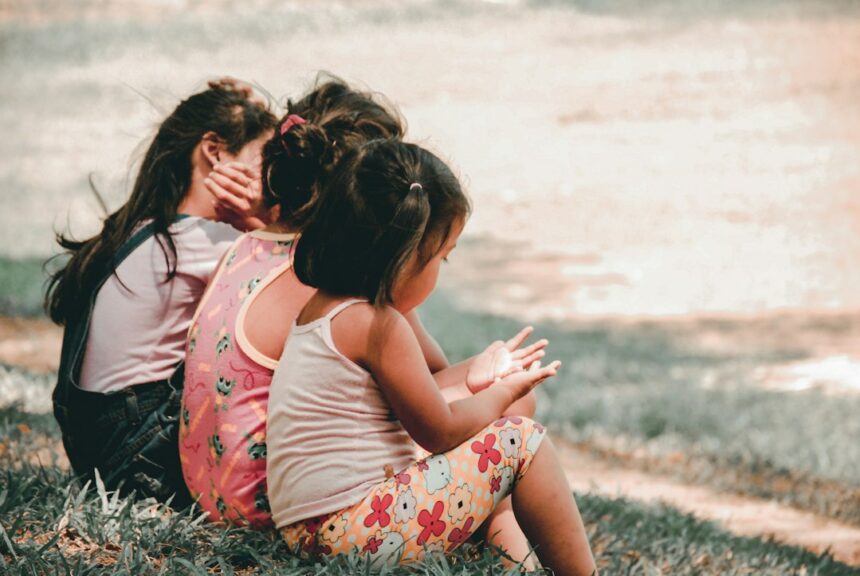
Sibling rivalry, a ubiquitous and often enduring aspect of family dynamics, refers to the competition and conflict that arises between brothers and sisters. While it can manifest in myriad ways, from playful squabbles to intense, long-lasting animosity, its impact on an individual’s mental health is a subject of growing recognition and concern. Understanding the nuances of sibling rivalry, its potential psychological ramifications, and developing effective coping mechanisms are crucial for fostering healthy relationships and ensuring positive mental well-being throughout the lifespan.
The Intricacies of Sibling Dynamics
The foundations of sibling rivalry are laid early in life, often stemming from a complex interplay of factors inherent to family life. The limited resources within a household, whether material or emotional, can become a focal point for competition. Children, naturally attuned to perceived favoritism or differential treatment, may develop feelings of inadequacy or resentment if they believe their siblings are receiving more attention, praise, or possessions. This can be amplified by parental behaviors, even those that are unintentional. For instance, a parent consistently praising one child’s academic achievements while overlooking another’s artistic talents can inadvertently create a fertile ground for rivalry. The very act of sharing parental love, time, and attention can be a source of contention, especially during developmental stages where a child’s sense of self is still forming and highly dependent on external validation.
Birth Order and Personality Development
The influence of birth order on sibling dynamics and subsequent mental health is a frequently debated topic. While not a deterministic factor, it is often observed that firstborns may experience a unique pressure to excel, often taking on a caretaker role for younger siblings. This can foster responsibility and leadership qualities but also lead to anxiety and a fear of failure. Middle children, sometimes feeling overlooked or caught in the middle, might develop strong interpersonal skills as they navigate the space between their older and younger siblings, or conversely, they may struggle with feelings of invisibility and a lack of distinct identity. The youngest child might experience a different set of pressures, potentially being over-protected or facing challenges in establishing independence. Each position within the sibling hierarchy can shape personality traits and coping styles, which in turn can influence how individuals experience and manage rivalry.
The Role of Parental Influence
Parental involvement, or lack thereof, plays a pivotal role in shaping the nature and intensity of sibling rivalry. Parents who actively mediate disputes, set clear boundaries, and foster a sense of fairness can significantly mitigate negative outcomes. Conversely, parents who ignore conflicts, implicitly or explicitly favor one child over another, or engage in competitive parenting themselves can exacerbate rivalry. When parents fail to address harmful behaviors or consistently reinforce the idea that one child is “better” than the other, it can lead to deep-seated resentments and lasting psychological scars. This is particularly true during formative years, as children internalize parental messages about their worth and their relationships with their siblings.
Sibling rivalry can significantly impact mental health, often leading to long-term emotional challenges for both siblings involved. For a deeper understanding of this dynamic and its implications, you can explore the article on sibling relationships and mental health at Unplugged Psych. This resource provides valuable insights into how sibling competition can affect emotional well-being and offers strategies for fostering healthier relationships among siblings.
Psychological Scars of Sibling Competition
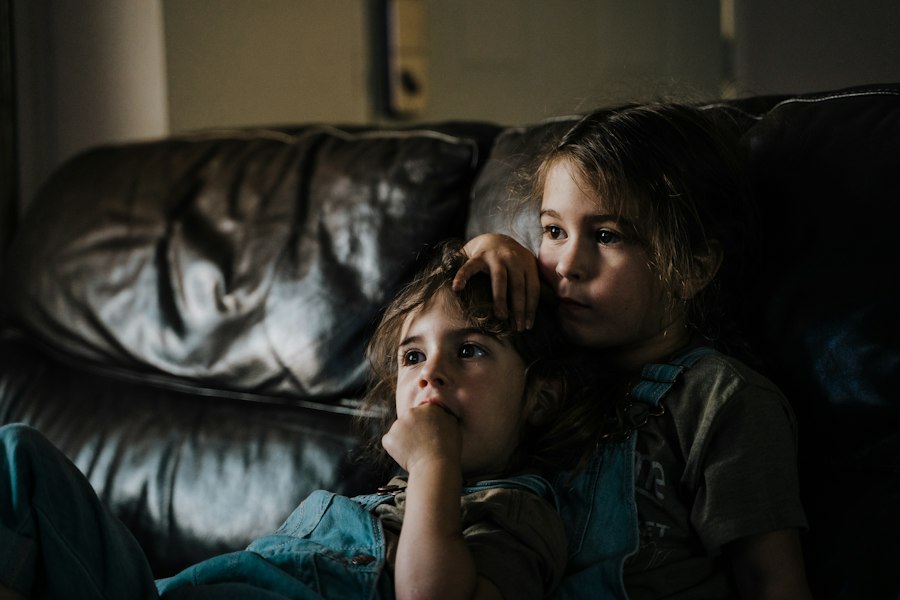
The persistent sting of sibling rivalry can leave indelible marks on an individual’s psychological landscape, manifesting in a variety of mental health challenges. The constant need to compete for attention, validation, or resources can foster chronic feelings of inadequacy and low self-esteem. When a sibling relationship is characterized by criticism, belittling, or emotional manipulation, it can erode an individual’s confidence in their own abilities and worth. This can lead to a pervasive sense of not being “good enough,” which can permeate other areas of life, including academic pursuits, career development, and romantic relationships.
Anxiety and Depression Triggers
The underlying stress and emotional turmoil associated with unresolved sibling rivalry can serve as potent triggers for anxiety and depression. The constant vigilance required to navigate a competitive environment, the fear of judgment, and the feelings of powerlessness can contribute to heightened levels of stress. Over time, this chronic stress can deplete an individual’s emotional reserves, making them more vulnerable to developing generalized anxiety disorder, social anxiety, or even depressive episodes. The internal narrative of not being valued or loved as much as a sibling can fuel feelings of hopelessness and despair, core components of depression.
Self-Esteem and Identity Formation
The development of a healthy self-esteem and a stable sense of identity is heavily influenced by early interpersonal experiences, and sibling relationships are central to this process. When sibling rivalry is characterized by constant comparison and put-downs, it can severely stunt the healthy growth of self-worth. An individual might internalize the negative criticisms they receive from siblings, leading to a distorted self-image. They may struggle to identify their own unique strengths and talents, constantly feeling overshadowed or defined by their siblings’ perceived superiority. This can lead to a persistent identity crisis, where individuals feel unsure of who they are, what they value, and where they fit in the world.
Trust Issues and Interpersonal Difficulties
The wounds inflicted by intense sibling rivalry can extend to an individual’s ability to form trusting relationships later in life. If a sibling relationship, which is typically one of the earliest and most significant bonds, is characterized by betrayal, manipulation, or a lack of genuine support, it can breed a deep-seated distrust of others. Individuals may become hypervigilant in their relationships, constantly anticipating negative outcomes or assuming the worst intentions from those around them. This can lead to difficulties in forming close friendships, romantic partnerships, and even professional connections, as the fear of being hurt or disappointed prevents them from fully opening up and investing in others.
Coping Strategies for Healthier Sibling Bonds

Fortunately, sibling rivalry, while often challenging, is not an insurmountable obstacle. With conscious effort and the implementation of effective coping strategies, individuals can navigate these dynamics more constructively, fostering healthier relationships and mitigating negative mental health impacts. The key lies in shifting the focus from competition to connection, from conflict to understanding.
Establishing Healthy Boundaries
A cornerstone of managing sibling rivalry effectively is the establishment of clear and consistent boundaries. This involves recognizing what behaviors are acceptable and what are not, and then communicating these limits assertively and respectfully. For adult siblings, this might mean limiting contact with a sibling who consistently engages in toxic behavior, or setting firm boundaries around topics of conversation that are known to trigger conflict. For younger siblings, parents play a crucial role in teaching and enforcing these boundaries, modeling respectful communication and intervening when disputes escalate. Learning to say “no,” to disengage from unproductive arguments, and to protect one’s emotional space are vital skills that contribute to overall mental well-being.
Cultivating Empathy and Understanding
A significant shift in perspective can occur when individuals actively cultivate empathy and understanding towards their siblings. This involves attempting to see situations from their sibling’s point of view, acknowledging their experiences, and recognizing that their behaviors, however challenging, may stem from their own insecurities or past experiences. This doesn’t mean condoning hurtful actions, but rather seeking to understand the underlying motivations. For parents, modeling empathy towards each child and encouraging siblings to do the same can create a more compassionate family environment. This can involve family discussions, role-playing exercises, or simply encouraging active listening during disagreements.
Promoting Open and Honest Communication
The absence of open and honest communication is often a breeding ground for resentment and misunderstanding in sibling relationships. Actively practicing effective communication techniques can de-escalate tensions and foster a sense of connection. This includes using “I” statements to express feelings without blaming, active listening to truly hear what the other person is saying, and seeking to find common ground. For adults, scheduling regular check-ins or family gatherings with the explicit intention of open dialogue can be beneficial. For children, parents can facilitate this by creating opportunities for siblings to talk about their feelings and experiences in a safe and supportive environment.
Seeking Professional Support
When sibling rivalry becomes particularly entrenched and begins to have a significant detrimental impact on an individual’s mental health, seeking professional support is a valuable and often necessary step. Therapists and counselors can provide a neutral and objective space to explore the underlying issues, develop personalized coping strategies, and facilitate healing.
Individual Therapy
Individual therapy can be a powerful tool for individuals struggling with the effects of past or ongoing sibling rivalry. A therapist can help an individual process the emotional baggage, identify negative thought patterns, and develop healthier coping mechanisms. They can guide the individual in building self-esteem, assertiveness, and resilience. This process often involves exploring early childhood experiences, understanding the impact of parental dynamics, and learning to reframe negative self-perceptions. The goal is to empower the individual to break free from the cycle of rivalry and build a more fulfilling life, independent of their sibling relationships.
Family Therapy
Family therapy can be incredibly beneficial when sibling rivalry is affecting the entire family unit. A skilled therapist can act as a mediator, facilitating communication and helping family members understand each other’s perspectives. They can introduce conflict resolution strategies, teach effective communication techniques, and work towards creating a more harmonious family dynamic. Family therapy is not about assigning blame but about identifying patterns of interaction and developing healthier ways for family members to relate to one another. This can be particularly impactful for families where the rivalry has persisted for years and has created significant rifts.
Support Groups and Workshops
For many, connecting with others who have experienced similar challenges can be incredibly validating and empowering. Support groups and workshops focused on family dynamics, sibling relationships, or mental health can provide a sense of community and shared understanding. These settings offer opportunities to learn from the experiences of others, gain new perspectives, and develop practical strategies for managing difficult relationships. The shared journey of healing and growth within such groups can be a powerful catalyst for positive change.
Sibling rivalry can have significant implications for mental health, influencing emotional development and interpersonal relationships. A related article discusses how these rivalries can manifest in various ways and the potential long-term effects on mental well-being. For those interested in exploring this topic further, you can read more about it in this insightful piece on sibling dynamics and their impact on mental health at Unplugged Psychology. Understanding these dynamics is crucial for fostering healthier relationships among siblings.
Long-Term Well-being and Sibling Reconciliation
| Metric | Description | Findings | Source |
|---|---|---|---|
| Prevalence of Sibling Rivalry | Percentage of children reporting frequent sibling conflicts | Approximately 70% of children experience sibling rivalry at some point | Journal of Child Psychology, 2020 |
| Impact on Anxiety Levels | Correlation between sibling rivalry intensity and anxiety symptoms | High rivalry linked to 30% increase in anxiety symptoms | Child Mental Health Journal, 2019 |
| Depression Risk | Risk of depressive symptoms in adolescents with chronic sibling rivalry | Chronic rivalry associated with 25% higher risk of depression | Developmental Psychology Review, 2021 |
| Self-Esteem Impact | Effect of sibling rivalry on self-esteem scores | Children with intense rivalry scored 15% lower on self-esteem scales | Journal of Family Studies, 2018 |
| Long-Term Mental Health Outcomes | Adult mental health issues linked to childhood sibling rivalry | Adults reporting severe sibling rivalry had 20% higher rates of anxiety and depression | American Journal of Psychiatry, 2022 |
The journey of navigating sibling rivalry is often a lifelong one. However, by implementing effective coping strategies and, when necessary, seeking professional support, individuals can cultivate healthier sibling bonds and significantly improve their long-term mental well-being. The potential for reconciliation and the development of truly supportive sibling relationships, even after years of conflict, remains a powerful and achievable goal.
Fostering Positive Sibling Relationships in Adulthood
As individuals mature, the nature of sibling rivalry often evolves. While the underlying dynamics might persist, the ways in which they are expressed and managed can change. For adult siblings, the focus shifts towards building a relationship based on mutual respect, shared history, and genuine connection. This may involve consciously choosing to spend time together in positive settings, engaging in activities that both enjoy, and celebrating each other’s successes. It requires a commitment to forgiveness, letting go of past hurts, and focusing on the present and future of the relationship.
The Enduring Impact on Overall Mental Health
The quality of sibling relationships can have a profound and enduring impact on an individual’s overall mental health throughout their lifespan. Positive and supportive sibling connections can act as a vital source of emotional support, companionship, and a sense of belonging. Conversely, ongoing conflict and animosity can contribute to chronic stress, anxiety, depression, and a diminished sense of well-being. Therefore, investing in the health of sibling relationships is not just about resolving past grievances; it is about cultivating a crucial support system that contributes to a happier and healthier life. Recognizing the intricate dance of sibling rivalry, understanding its psychological weight, and proactively engaging in strategies for coping and reconciliation are essential steps towards achieving lasting mental resilience and emotional fulfillment.

100% Same Genes, Different Minds: The Dark Psychology of the Genain Quadruplets
FAQs
What is sibling rivalry?
Sibling rivalry is the competition, jealousy, and conflict that can exist between brothers and sisters. It often involves comparisons, disagreements, and feelings of resentment towards one another.
How can sibling rivalry impact mental health?
Sibling rivalry can have negative effects on mental health, leading to increased stress, anxiety, depression, and low self-esteem. It can also contribute to feelings of inadequacy and loneliness.
Are there long-term consequences of sibling rivalry on mental health?
Yes, sibling rivalry can have long-term consequences on mental health. Adults who experienced intense sibling rivalry as children may struggle with trust issues, difficulty forming close relationships, and unresolved emotional issues.
What are some strategies to manage sibling rivalry and promote better mental health?
Effective strategies to manage sibling rivalry include open communication, setting boundaries, encouraging positive interactions, and seeking family therapy if needed. It is important to address underlying issues and promote a supportive and respectful sibling relationship.
Can sibling rivalry ever have positive effects on mental health?
While sibling rivalry is often associated with negative outcomes, it can also have positive effects such as fostering resilience, conflict resolution skills, and the ability to navigate complex relationships. Healthy competition between siblings can promote personal growth and development.