
You are about to delve into the intricate workings of your own brain, specifically the role that dopamine plays in etching familiar grooves into your behavioral landscape. Imagine your brain as a vast, interconnected city, with dopamine acting as a crucial messenger, guiding the flow of information and reinforcing the pathways that lead you back to places you know, to actions you’ve taken, and to habits you’ve formed. This phenomenon, known as familiar loop reinforcement, is fundamental to your learning, your decision-making, and ultimately, who you are.
When you experience something that is perceived as rewarding, whether it’s the taste of your favorite food, the completion of a challenging task, or even a pleasant social interaction, your brain releases a surge of dopamine. This neurotransmitter, often nicknamed the “pleasure chemical,” is more accurately understood as a critical component of your brain’s reward system. It’s not just about feeling good; it’s about learning what leads to those good feelings and making sure you seek them out again. Think of dopamine as a compass, pointing you towards experiences that have proven beneficial or enjoyable in the past, thereby guiding your future behavior.
The Mesolimbic Pathway: The Core of Reward Processing
The primary circuitry involved in dopamine’s role in familiar loop reinforcement is the mesolimbic pathway. This pathway originates in the ventral tegmental area (VTA) of your midbrain and projects to several key areas, most notably the nucleus accumbens (NAcc), often referred to as the brain’s pleasure center. When you encounter a stimulus that your brain categorizes as rewarding, neurons in the VTA fire, releasing dopamine into the NAcc. This influx of dopamine signals that something important has happened, a positive event worth remembering and repeating.
The Nucleus Accumbens: The Brain’s “Go” Signal
The NAcc acts as a critical hub for processing reward and motivation. When dopamine binds to receptors here, it triggers a cascade of intracellular events that ultimately influence your behavior. It’s the feeling that nudges you to move forward, to pursue the source of the reward. It’s the spark that says, “Yes, this is good. Let’s do it again.” This is where the initial reinforcement of a familiar loop begins.
The Prefrontal Cortex: The Executive Planner
While the mesolimbic pathway is central to reward signaling, the prefrontal cortex (PFC) plays a vital role in integrating this reward information with cognitive processes. The PFC, responsible for executive functions like planning, decision-making, and goal-directed behavior, receives dopamine input from the VTA. This dopamine allows the PFC to associate specific actions or environmental cues with the rewarding outcome. It’s like the city planner receiving feedback from the messenger system, using that information to map out future routes and optimize resource allocation.
Dopamine plays a crucial role in reinforcing familiar loops, as it is often associated with the brain’s reward system, encouraging behaviors that lead to pleasurable outcomes. For a deeper understanding of this concept, you can explore the article on the Unplugged Psych website, which discusses the intricate relationship between dopamine and habit formation. This resource provides valuable insights into how dopamine influences our actions and decisions, ultimately shaping our daily routines. To read more, visit this article.
Learning and the Dopamine “Surprise”
Dopamine’s role in learning is particularly nuanced. It’s not simply about a jolt of pleasure. Instead, research highlights the importance of dopamine signaling in response to the prediction error of reward. This means that dopamine release is strongest when an outcome is better than expected. If you anticipate a certain reward and receive it, the dopamine signal is moderate. If you don’t receive the expected reward, there’s a dip in dopamine. But when you receive a reward that surpasses your expectations, there’s a significant surge. This surprise element is a powerful learning tool.
Prediction Error Signaling: The Brain’s “Aha!” Moment
Imagine you’ve just discovered a new shortcut that consistently shaves five minutes off your commute. Initially, you might be pleasantly surprised. The first few times this happens, your dopamine system registers this positive prediction error. This “aha!” moment reinforces the route-taking behavior. Over time, as the shortcut becomes predictable, your dopamine response to it diminishes. It’s no longer a surprise; it’s expected. However, if one day the shortcut is blocked and you have to take a longer route, your dopamine levels might dip, signaling a negative outcome, and prompting you to adjust your strategy in the future.
Associative Learning: Linking Cues to Rewards
Dopamine plays a crucial role in associative learning, the process by which you learn to associate specific cues or stimuli with particular outcomes. For example, the smell of coffee might become associated with the feeling of alertness you experience after drinking it. This association is strengthened through repeated pairings, with dopamine signaling reinforcing the neural connections between the coffee smell (the cue) and the feeling of alertness (the reward). These associations are the building blocks of your familiar loops, allowing you to navigate your environment efficiently by anticipating outcomes.
Habit Formation: Automating Familiar Loops
As familiar loops become more ingrained, they transition from consciously controlled actions to habits. Dopamine plays a role in this transition, particularly in the shift of control from the PFC to subcortical areas like the basal ganglia. Initially, your PFC is heavily involved in planning and executing the behavior. However, with repeated reinforcement, the dopamine-mediated learning strengthens connections in the basal ganglia, allowing the behavior to become more automatic and less cognitively demanding. This frees up your PFC for more complex tasks, while your brain efficiently handles familiar routines.
Familiar Loops: The Architects of Routine and Efficiency
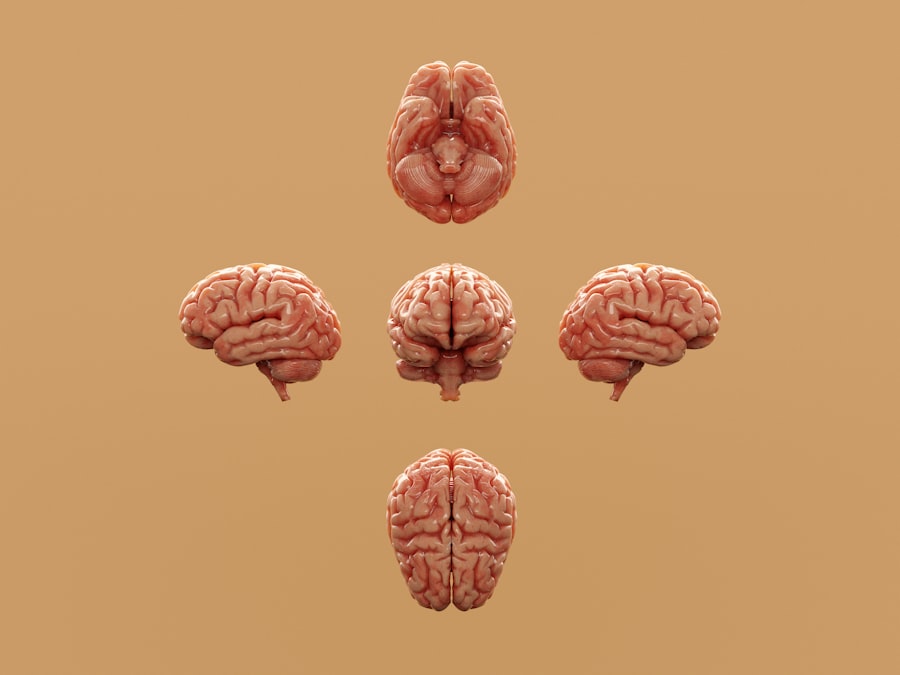
Familiar loops are essentially neural pathways that have been strengthened through repeated activation, often due to dopamine-mediated reinforcement. They are the mental shortcuts your brain uses to navigate routine tasks, make quick decisions, and conserve cognitive energy. Think of them as well-worn paths through a forest; you know the route, you don’t need to consult a map, and you can get there quickly with minimal effort.
The Efficiency of Familiar Pathways
The brain is inherently designed for efficiency. Creating and reinforcing familiar loops allows you to perform countless daily activities without expending significant mental effort. Brushing your teeth, driving a familiar route to work, or even typing on a keyboard are all examples of well-established familiar loops. Dopamine’s role in reinforcing these pathways means that when you engage in these behaviors, your brain efficiently releases the neurotransmitter, solidifying the neural connections and making the actions smoother and more automatic.
Decision-Making Under Uncertainty
Even in situations with some uncertainty, familiar loops can guide your decisions. If you’re presented with a choice between two options, and one option is associated with a past positive outcome that was reinforced by dopamine, you’re more likely to choose that option. This is because the established dopamine pathway signals a higher probability of reward, even if the outcome isn’t guaranteed. It’s like a gambler returning to a slot machine that has paid out in the past, driven by the learned association and the lingering dopamine signals of past wins.
The Role of Cues
Familiar loops are often triggered by specific cues, which can be internal (e.g., a feeling of hunger) or external (e.g., seeing a particular advertisement). These cues act as signals, activating the learned pathways associated with a particular behavior and its associated reward. For example, the sight of your running shoes by the door might be a cue that triggers the familiar loop of going for a run, a behavior that you’ve previously associated with the rewarding feelings of exercise and improved well-being.
When Familiar Loops Become Hindrances: The Dark Side of Reinforcement

While familiar loops are largely beneficial, they can also become detrimental when they reinforce maladaptive behaviors, leading to addiction, procrastination, or unhealthy habits. In these cases, the dopamine system is still at play, but it’s reinforcing behaviors that ultimately lead to negative consequences.
Addiction and Dopamine Hijacking
In addiction, drugs or addictive behaviors cause an unnaturally large and rapid release of dopamine in the mesolimbic pathway. This potent dopamine surge powerfully reinforces the drug-seeking behavior, essentially “hijacking” the brain’s reward system. Over time, the brain adapts to these high levels of dopamine, leading to tolerance and withdrawal symptoms when the substance is absent. The familiar loop of seeking and using the drug becomes overwhelmingly strong, overriding other motivations and leading to a cycle of compulsive behavior.
The Cycle of Procrastination
Procrastination can also be understood through the lens of familiar loop reinforcement. The immediate reward of avoiding an unpleasant task (relief from anxiety) can be more powerfully reinforced by dopamine than the delayed reward of completing the task. This creates a familiar loop where putting off work leads to a temporary sense of comfort, which your dopamine system registers as rewarding, making the habit of procrastination more likely to repeat.
Breaking Bad Habits: Rewriting Neural Pathways
Breaking ingrained, maladaptive familiar loops is challenging because it requires weakening established neural pathways and building new ones. This often involves consciously overriding the automatic responses triggered by cues and seeking out new, more beneficial behaviors that can be reinforced by dopamine. It’s a process of deliberately forging new, healthier paths through the brain’s forest, a process that requires dedication and a willingness to embrace discomfort until the new pathways become familiar and rewarding.
Dopamine plays a crucial role in reinforcing familiar loops, as it is often associated with the brain’s reward system, driving behaviors that lead to pleasurable outcomes. This neurotransmitter not only helps to solidify habits but also influences our motivation to engage in certain activities repeatedly. For a deeper understanding of how dopamine impacts our daily lives and decision-making processes, you can explore this insightful article on the topic at Unplugged Psychology. By examining the intricate relationship between dopamine and behavior, we can gain valuable insights into how our brains navigate familiar patterns and rewards.
The Future of Understanding Familiar Loops
| Metric | Description | Relevance to Dopamine in Reinforcing Familiar Loops | Example Data |
|---|---|---|---|
| Dopamine Release Level | Amount of dopamine released in the brain during loop activity | Higher dopamine release strengthens the reinforcement of familiar behavioral loops | Baseline: 5 nM; During loop: 15 nM |
| Loop Repetition Rate | Frequency at which a familiar behavioral loop is repeated | Increased dopamine correlates with higher repetition rates of familiar loops | Before dopamine increase: 3 loops/hour; After: 7 loops/hour |
| Reward Prediction Error | Difference between expected and received reward | Dopamine signals positive prediction errors, reinforcing loop behavior | Positive error: +0.8; Negative error: -0.5 |
| Neural Plasticity Index | Measure of synaptic strength changes in loop-related brain regions | Dopamine facilitates plasticity, enhancing loop familiarity and strength | Pre-loop: 0.3; Post-loop: 0.7 (scale 0-1) |
| Behavioral Persistence | Duration of continued engagement in a familiar loop | Dopamine reinforcement increases persistence in familiar loops | Average duration: 10 minutes; After dopamine boost: 25 minutes |
Ongoing research continues to unravel the intricate details of dopamine’s role in familiar loop reinforcement. Scientists are exploring how individual differences in dopamine pathways influence susceptibility to addiction, how dopamine interacts with other neurotransmitters, and how we can leverage this understanding to develop more effective treatments for various neurological and psychiatric conditions.
Pharmacological Interventions
Understanding how dopamine influences familiar loops opens doors for pharmacological interventions. For addiction, medications that modulate dopamine signaling can help reduce cravings and withdrawal symptoms, making it easier for individuals to break free from compulsive behaviors. For conditions like Parkinson’s disease, where dopamine production is impaired, dopamine replacement therapies can help restore motor function, which is largely driven by learned motor loops.
Behavioral Therapies and Neuroplasticity
Behavioral therapies, such as cognitive behavioral therapy (CBT), aim to help individuals identify and change maladaptive familiar loops by retraining their reward systems. By introducing new coping mechanisms and reinforcing positive behaviors, CBT encourages neuroplasticity – the brain’s ability to reorganize itself by forming new neural connections. This process essentially helps you overwrite old, unhelpful loops with new, constructive ones, much like a skilled gardener tending to an overgrown plot, clearing away unwanted weeds and nurturing new growth.
Personalized Approaches
Ultimately, the goal is to move towards personalized approaches that consider your unique dopamine signaling patterns and the specific familiar loops that influence your behavior. By understanding your brain’s individual reward architecture, we can develop more targeted and effective strategies for promoting well-being, mitigating the impact of mental health challenges, and enhancing your capacity for learning and growth. You are a complex tapestry of learned experiences, and dopamine is a vital thread in that design, constantly weaving the patterns that shape your reality.
FAQs
What is dopamine and what role does it play in the brain?
Dopamine is a neurotransmitter, a chemical messenger in the brain, that plays a key role in reward, motivation, and reinforcement of behaviors. It helps regulate mood, attention, and learning by signaling pleasurable experiences and encouraging repetition of those behaviors.
How does dopamine reinforce familiar behavioral loops?
Dopamine reinforces familiar behavioral loops by releasing in response to rewarding stimuli or actions. This release strengthens neural pathways associated with those behaviors, making it more likely that the individual will repeat the behavior to experience the same rewarding feeling.
What are examples of familiar loops influenced by dopamine?
Examples include habits like eating, social interactions, and repetitive tasks. When these activities trigger dopamine release, they become reinforced, leading to the formation of habitual loops that can be either beneficial or detrimental depending on the behavior.
Can dopamine reinforcement contribute to addiction?
Yes, dopamine reinforcement is a key factor in addiction. Substances or behaviors that cause excessive dopamine release can create strong reinforcement loops, leading to compulsive seeking and use despite negative consequences.
How can understanding dopamine’s role help in behavior change?
By understanding how dopamine reinforces familiar loops, strategies can be developed to modify behaviors. For example, introducing new rewarding activities or altering environmental cues can help break negative loops and establish healthier habits.