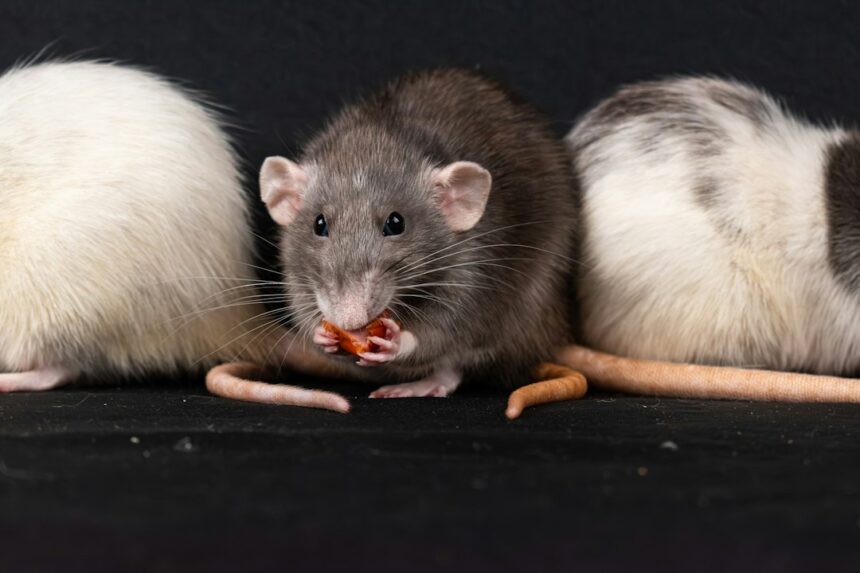
The Rat Park study stands as a pivotal experiment in understanding addiction, challenging prevailing notions about the nature of drug dependence. This groundbreaking research, conducted by psychologist Bruce Alexander and his colleagues in the 1970s and 80s, sought to investigate the environmental and social factors that might influence drug use and addiction, moving away from a purely biochemical or genetic explanation. The core of the study involved a stark comparison between the behavior of rats housed in solitary confinement and those living in a rich, stimulating social environment, dubbed “Rat Park.” This exploration delves into the methodologies, findings, and profound implications of the Rat Park study, highlighting the dramatic divergence in drug consumption and addiction rates observed between the two conditions.
The Genesis of an Inquiry: Challenging Conventional Wisdom
The prevailing scientific and public understanding of addiction prior to the Rat Park study was largely shaped by a “chemical hook” model. This perspective posited that once an individual, or in this case, an animal, encountered an addictive substance, their brain chemistry would be irrevocably altered, leading to compulsive use and an inability to stop. This view often led to a deterministic outlook on addiction, implying that exposure to drugs was a one-way ticket to dependence, regardless of individual circumstances or environment. Bruce Alexander, however, was skeptical of this simplistic explanation. He questioned whether this model adequately accounted for the complex interplay of factors that contribute to addiction in humans and whether the laboratory settings used in previous studies were artificially creating dependence due to the inherent stress and deprivation of isolation.
The Limits of Laboratory Addiction Models
Previous animal studies on addiction often involved placing rats in individual cages, where they were given access to drugs, typically through self-administration mechanisms like drinking water laced with substances such as morphine. These rats, confined to sterile, impoverished environments with little to no social interaction, frequently became heavily reliant on the drugs provided. The conclusion drawn from these experiments was that the drugs themselves were inherently addictive, possessing a powerful grip on the animal’s neurobiology. However, Alexander recognized a critical flaw: these conditions were not representative of natural living environments. Isolation, boredom, stress, and lack of stimulation are powerful negative forces, and it was plausible that the rats were not necessarily becoming addicted to the drugs per se, but rather were using them as a coping mechanism to alleviate the profound distress and anhedonia (inability to feel pleasure) caused by their barren surroundings.
Formulating the Rat Park Hypothesis
Alexander and his team hypothesized that addiction was not solely a property of the drug itself, but rather a complex phenomenon influenced by the environment and social context. They proposed that a rich, stimulating, and socially connected environment might act as a protective factor against addiction, even in the presence of readily available drugs. Conversely, environments characterized by isolation, stress, and lack of social support would likely exacerbate drug-seeking behavior and increase the likelihood of dependence. This hypothesis shifted the focus from the inherent properties of the drug to the organism’s subjective experience and its interaction with its surroundings. The Rat Park experiment was designed to rigorously test this contrasting viewpoint.
The Rat Park experiment, which highlighted the importance of environmental factors in addiction, has been compared to various studies on individual cage conditions and their effects on rat behavior. A related article that delves into these comparisons and explores the implications for understanding addiction and social behavior can be found at Unplugged Psych. This resource provides valuable insights into how different living conditions can significantly influence the psychological and physiological outcomes in rats, furthering our understanding of addiction in both animal models and humans.
Designing for Difference: The Experimental Setup

The cornerstone of the Rat Park study lay in its meticulous design, which aimed to create two vastly different living conditions for the laboratory rats, allowing for a direct comparison of their responses to drug availability. The intention was to isolate the variable of environmental enrichment and social interaction as much as possible, while keeping the availability and potency of the drugs consistent between the groups. This allowed the researchers to attribute any significant differences in drug consumption and addiction to the environmental factors.
Colony Living: The Enriched Environment of Rat Park
Rat Park itself was conceived as a veritable paradise for rats. It was a spacious enclosure, significantly larger than typical laboratory cages, measuring approximately 10 feet by 10 feet. This large area was filled with a variety of stimulating elements designed to mimic a natural rat habitat. These included running wheels for exercise, tunnels for exploration and hiding, wooden blocks for chewing and manipulation, and an abundance of nesting materials. Crucially, the park housed a large colony of rats, comprising both males and females. This allowed for natural social interactions, including mating, grooming, playing, and establishing social hierarchies. The rats in Rat Park lived a life of abundance, with ample food and water readily available, and the opportunity for complex social engagement. This environment was designed to promote well-being, reduce stress, and provide a rich sensory and social experience.
Solitary Confinement: The Deprived Environment
In stark contrast, a control group of rats was housed in standard laboratory cages, typical of those used in most animal research. These cages were small, barren, and provided minimal stimulation. Each rat was housed individually, thereby eliminating any possibility of social interaction. The environment was sterile and devoid of any enrichment. This condition was designed to replicate the deprived and stressful circumstances that Alexander believed characterized previous addiction studies and, by extension, potentially reflected aspects of human environments that contribute to addiction. The absence of social connection, physical activity, and environmental complexity was intended to induce a state of boredom, stress, and potential anhedonia.
Drug Delivery and Monitoring
Both groups of rats were provided with access to two drinking bottles. One bottle contained plain water, and the other contained a solution of either morphine or cocaine. The researchers meticulously monitored the water intake from each bottle for both groups. This allowed them to quantify how much of the drug-laced water each rat consumed over time. The choice of morphine and cocaine was significant, as these are potent psychoactive drugs with well-established addictive potential in humans and previous animal models. The self-administration method allowed the rats to freely choose between the drug and plain water, reflecting a choice-based behavior.
Observed Behaviors: A Tale of Two Worlds
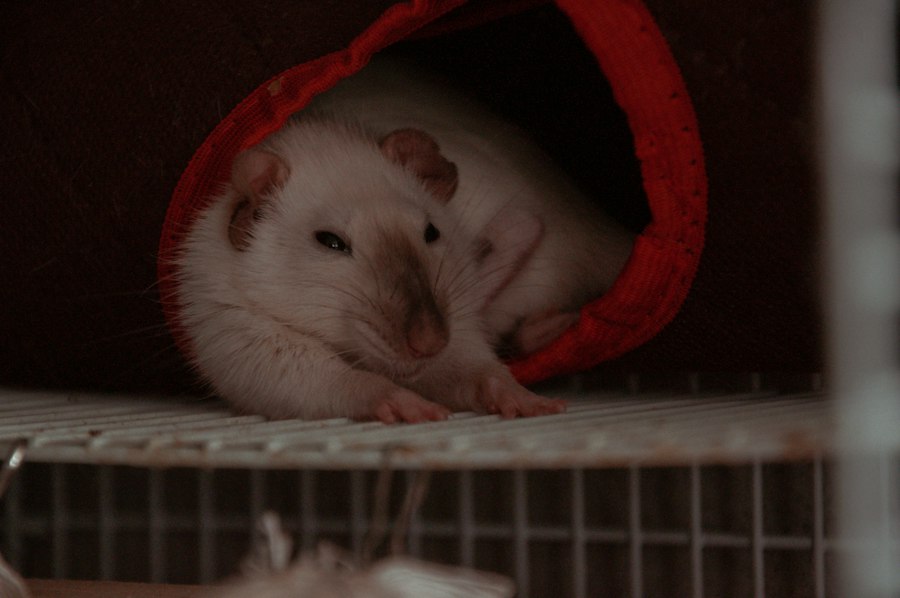
The outcomes of the Rat Park study were nothing short of remarkable and offered compelling evidence for the influence of environment on drug-seeking behavior. The differences observed between the rats in Rat Park and those in solitary confinement were profound, directly challenging the “chemical hook” theory and supporting Alexander’s hypothesis about the importance of social and environmental factors. The experiment provided a visual and quantifiable demonstration of how context can profoundly alter the relationship an organism has with a drug.
Reduced Drug Consumption in the Colony
Perhaps the most striking finding was the dramatically lower consumption of drug-laced water by the rats living in Rat Park. While rats in solitary cages consistently chose the drug solution over plain water, often consuming it to the point of overdose or death in previous studies, the rats in Rat Park showed a marked preference for plain water. Even when morphine was readily available, the rats in the enriched environment consumed significantly less of it. When they did consume the drug solution, it was in much smaller quantities compared to their isolated counterparts. This indicated that the rats in Rat Park did not feel the same compelling need or desire to escape their reality or to seek pleasure from the drug when their environment was already providing them with ample sources of stimulation and positive social interaction.
The Absence of Compulsive Use
Beyond just reduced consumption, the rats in Rat Park also exhibited a striking absence of compulsive drug-seeking behavior. In the solitary cages, rats often displayed signs of escalating drug intake, indicative of developing dependence. They would continue to press levers for more drug even when experiencing negative consequences. However, in Rat Park, this compulsive pattern was largely absent. The rats in the enriched environment seemed to have little interest in the drugs, even when they were readily available. This suggested that the “addiction” observed in previous studies was not an inherent property of the drug but rather a response to the adverse conditions of isolation and deprivation. When provided with a fulfilling life, the motivation to seek solace in drugs diminished considerably.
Social Interaction and Drug Choice
The social dynamics within Rat Park also played a crucial role. When given the choice, the rats clearly prioritized social interactions, play, and exploration over drug consumption. The availability of a vibrant social life seemed to fulfill their needs in a way that drugs could not. Furthermore, when the rats that had been living in Rat Park were later introduced to drug solutions in isolation, their consumption was still lower than that of rats that had been isolated from the beginning. This suggested a lasting protective effect of the enriched environment, implying that the positive experiences had fostered a resilience that persisted even when removed from that context. Conversely, rats that had been isolated and developed a dependence on drugs did not readily give them up when introduced to Rat Park, highlighting that prolonged exposure to deprivation could indeed lead to a more entrenched dependence. However, the initiation and maintenance of addiction were demonstrably influenced by the environment.
Implications for Understanding Addiction
The findings from the Rat Park study had profound implications that rippled through the scientific community and influenced how addiction is understood and treated. It offered a compelling alternative to the purely biochemical model and emphasized the interconnectedness of an individual’s psychological state, social environment, and drug-seeking behavior. This shift in perspective opened up new avenues of research and challenged the stigmatizing narratives often associated with addiction.
Re-evaluating the “Chemical Hook”
The Rat Park study directly challenged the notion that addiction is simply a matter of a drug hijacking the brain’s reward pathways, leading to an inescapable biological imperative. The experiment demonstrated that rats, when given a choice and living in a supportive environment, could make rational decisions to reject drugs, even potent ones. This suggested that the “chemical hook” was not as immutable as previously believed and that external factors could significantly modulate an individual’s susceptibility to and experience of addiction. The drug itself was not the sole determinant of addiction; the context in which it was encountered was equally, if not more, important.
The Role of Environment and Social Support
The study strongly underscored the critical role of environmental factors and social support in preventing and overcoming addiction. It highlighted that isolation, stress, trauma, and lack of social connection can create a void that individuals may attempt to fill with drugs. Conversely, a nurturing and stimulating environment, characterized by positive social relationships, opportunities for engagement, and a sense of belonging, can act as a powerful buffer against addiction. This resonated with observations in human populations, where individuals with strong social networks and fulfilling lives tend to have lower rates of addiction. The Rat Park experiment provided a powerful animal model to study these phenomena.
Shifting the Paradigm of Treatment and Prevention
The paradigm shift initiated by the Rat Park study moved the focus of addiction treatment and prevention away from purely pharmacological interventions towards a more holistic approach. It emphasized the importance of addressing the underlying social and environmental factors that contribute to addiction. This includes creating supportive communities, providing access to mental health services, fostering meaningful social connections, and offering individuals a sense of purpose and belonging. The study’s findings suggested that interventions aimed at improving an individual’s life circumstances and social support systems could be as, if not more, effective than solely focusing on the drug itself. It also contributed to destigmatizing addiction, reframing it as a complex response to environmental and social conditions rather than a moral failing or a solely biological defect.
The Rat Park experiment, which highlighted the importance of social environments in influencing behavior, has drawn attention to the effects of isolation versus community living on various species. A related article explores the implications of these findings on human psychology and addiction, shedding light on how social connections can impact mental health. For more insights into this topic, you can read the article here: explore the connections between environment and behavior.
Criticisms and Refinements of the Study
| Metric | Rat Park Colony | Individual Cage | Comparison |
|---|---|---|---|
| Average Daily Morphine Consumption (mg) | 5.4 | 20.1 | Individual cage rats consume ~3.7x more |
| Number of Rats | 16 | 16 | Equal group size |
| Social Interaction (hours/day) | 6.5 | 0.5 | Rat Park rats have 13x more social interaction |
| Stress Hormone Levels (corticosterone, ng/mL) | 45 | 120 | Individual cage rats have ~2.7x higher stress |
| Exploratory Behavior (number of new areas explored) | 12 | 4 | Rat Park rats explore 3x more |
| Withdrawal Symptoms Score (scale 0-10) | 2 | 7 | Individual cage rats show more severe withdrawal |
Despite its significant impact, the Rat Park study, like any scientific endeavor, has faced scrutiny and generated debate. While its core findings remain influential, researchers have offered criticisms and proposed refinements to the experimental design and interpretation of results. Understanding these critiques is essential for a comprehensive appreciation of the study’s legacy and its place in the ongoing scientific conversation about addiction.
Methodological Challenges and Interpretations
One common criticism pertains to the generalization of animal behavior to human addiction. Critics argue that while the study revealed important insights into rodent behavior, the complexities of human addiction, with its cognitive, emotional, and societal dimensions, may not be fully captured by such experiments. The definition of “addiction” itself in animal models can be debated, and it is challenging to definitively equate a rat’s drug consumption with the multifaceted experience of human addiction. Furthermore, the specific enrichment provided in Rat Park, while effective, might not perfectly mirror the diverse range of human environments and social structures that influence addiction.
The Role of Pre-existing Conditions
Another area of discussion revolves around the pre-existing conditions of the rats. Some researchers have suggested that the rats used in the control group (solitary confinement) might have already been more prone to drug-seeking behavior due to subtle genetic or early-life factors that were not fully controlled for. Conversely, the rats selected for Rat Park might have been inherently less susceptible to addiction. While Alexander and his team did their best to use random assignment, it is a perpetual challenge in animal research to ensure complete homogeneity across groups, especially when dealing with complex behavioral outcomes. The possibility that the “Rat Park” rats were simply less “addiction-prone” from the outset remains a point of discussion for some.
Ongoing Research and Nuances
Subsequent research has sought to build upon and refine the Rat Park findings. Studies have explored different types of enrichment, varied social structures, and investigated the specific neural mechanisms underlying the observed behavioral differences. While the fundamental conclusion that environment significantly influences drug use and addiction holds considerable weight, modern research often delves into more nuanced interactions between genetics, environment, and neurobiology. The Rat Park study served as a crucial catalyst for this more complex and integrated understanding, prompting researchers to consider the interplay of multiple factors rather than relying on single-cause explanations. It laid the groundwork for investigating how positive reinforcement from a rich environment can compete with and override the reinforcing properties of drugs.
The Enduring Legacy of Rat Park
The Rat Park study’s impact extends far beyond the confines of scientific journals. Its findings have permeated public discourse, influenced policy discussions, and offered a more compassionate and understanding perspective on addiction. The experiment’s elegantly simple yet powerful design provided a compelling narrative that resonated with a public often grappling with the complexities of drug use and dependence. It shifted the conversation from one of blame and inherent weakness to one that acknowledges the significant role of social and environmental factors.
A Catalyst for Compassionate Approaches
By demonstrating that addiction is not an inevitable consequence of drug exposure but rather a complex interaction between an individual and their environment, the Rat Park study fostered a more compassionate approach to understanding and addressing addiction. It moved away from punitive models that often characterized addiction as a moral failing and paved the way for evidence-based treatments that focus on rehabilitation, social support, and addressing underlying issues. The idea that an individual’s life circumstances are intrinsically linked to their propensity for addiction offers a more hopeful and empowering framework for both individuals struggling with addiction and those seeking to help them.
Informing Public Health Strategies
The implications of the Rat Park study have informed public health strategies aimed at preventing drug abuse and supporting recovery. Its emphasis on the protective role of social connection and environmental enrichment has led to increased focus on community-based interventions, mental health support, and creating healthier living environments. Recognizing that factors like poverty, trauma, and social isolation can be significant contributors to addiction encourages a proactive approach to public health, focusing on building resilient individuals and communities. The study’s findings provide a scientific rationale for investing in social programs that foster well-being and reduce the environmental stressors that can lead to drug dependence.
A Continued Source of Debate and Discovery
While the Rat Park study has been lauded for its groundbreaking insights, it continues to be a subject of ongoing scientific discussion and refinement. Its legacy lies not only in its direct findings but also in its ability to stimulate critical thinking and further research into the intricate nature of addiction. The experiment serves as a reminder that understanding complex human behaviors requires a multifaceted approach, considering the interplay of biology, psychology, and environment. The questions it raised continue to drive innovation in addiction research, pushing the boundaries of our understanding and guiding the development of more effective interventions. The fundamental lesson remains: a life worth living may be the most potent antidote to a life lost to addiction.

The Famous Addiction Experiment That Fooled Everyone
FAQs
1. How does the environment in a rat park colony compare to an individual cage?
In a rat park colony, rats have access to a larger living space with enrichment items such as toys, tunnels, and social interaction with other rats. In contrast, rats in individual cages have limited space and lack social interaction, which can lead to stress and boredom.
2. What are the effects of social isolation on rats in individual cages?
Rats kept in individual cages can experience negative effects such as increased stress levels, decreased brain function, and higher susceptibility to health issues. Social isolation can also lead to behavioral problems and reduced lifespan in rats.
3. How does social interaction in a rat park colony benefit the rats?
Social interaction in a rat park colony provides rats with opportunities for play, grooming, and communication, which are essential for their well-being. It helps reduce stress, improve cognitive function, and promote overall health in rats.
4. What are some differences in behavior between rats in a rat park colony and rats in individual cages?
Rats in a rat park colony exhibit more exploratory behavior, playfulness, and social interactions compared to rats in individual cages. They are also less likely to display signs of stress or aggression, as they have a more stimulating and enriching environment.
5. How do researchers use the rat park colony versus individual cages in studies?
Researchers use rat park colonies to study the effects of enriched environments and social interactions on rat behavior, health, and well-being. Individual cages are often used to study the impact of social isolation and limited environmental stimulation on rats, providing valuable insights into the importance of social interaction and environmental enrichment for animal welfare.