The story of identical quadruplets is often one of shared experiences, mirrored development, and a profound, almost mystical connection. Yet, in a remarkable case that has captivated researchers and observers alike, a set of identical quadruplets, raised in the same household, under the same parental guidance, and subjected to virtually identical environmental conditions, have diverged in their developmental trajectories in ways that are as surprising as they are illuminating. This article delves into the lives of these four sisters, exploring the subtle yet significant differences that have emerged, and considering the profound implications for our understanding of nature versus nurture.
The Genesis of Uniqueness: A Shared Beginning
The birth of identical quadruplets is a rare event, occurring approximately once in every 15 million pregnancies. For the Miller family, this already extraordinary occurrence was compounded by the fact that all four daughters, Emily, Sarah, Jessica, and Megan, were monochorionic-monoamniotic, meaning they shared a single placenta and amniotic sac. This biological intimacy from the very inception of life suggested an unparalleled level of shared genetic material and prenatal environment. Their genetics were, for all intents and purposes, identical. From the moment of conception, their genetic blueprints were the same, laid down in the single zygote that divided into four. This identical genetic inheritance is the bedrock of the fascination surrounding their diverging paths. Unlike fraternal twins, who share on average 50% of their genes, identical twins and quadruplets are essentially genetic clones. This eliminates the most obvious variable – genetic predisposition – when trying to understand differences in development, personality, and even health outcomes.
From their earliest days, the quadruplets were a marvel of shared existence. Their physical resemblances were striking, often leading to moments of humorous confusion for those not intimately familiar with them. They ate similar foods, slept in similar cribs, and were dressed in coordinated outfits, at least in their younger years. Their parents, overwhelmed and yet deeply devoted, strived to provide an equitable and stimulating environment for each child. The shared nursery, the collective mealtimes, the simultaneous milestones – birth, first steps, first words – all painted a picture of four lives inextricably linked. The early developmental milestones were remarkably aligned. They learned to crawl around the same time, their first words were uttered within weeks of each other, and their initial steps were taken in a synchronized flurry of toddler exploration. This initial synchronicity reinforced the expectation that their futures would be similarly aligned. The challenges of raising quadruplets were immense, demanding a high level of organization and dedication from their parents. Yet, the parents’ consistent approach to discipline, education, and enrichment created a seemingly uniform external environment for all four girls. This consistent parenting style aimed to minimize any potential differential treatment that could account for divergent paths.
The Cradle of Sameness: Family Environment and Upbringing
The Miller household was a carefully orchestrated ecosystem designed to nurture and support four young lives simultaneously. The parents, Mr. and Mrs. Miller, were deeply committed to providing a stable and loving environment. They believed in consistent routines, fair discipline, and equal opportunities for each child. This commitment manifested in several key aspects of their upbringing.
Shared Routines and Resources
From feeding schedules to bedtime stories, the quadruplets’ days were largely synchronized. They shared toys, books, and experiences, ensuring that no one child was deprived of resources or opportunities. Their bedrooms, initially a single large shared space, were decorated similarly, fostering a sense of collective identity. Educational toys and activities were made available to all, and their parents took turns reading to them, ensuring each received individual attention within the group setting. This emphasis on shared resources and synchronized routines was a deliberate strategy to minimize any perceived favoritism or unequal access, further cementing the idea of a uniform upbringing.
Parental Philosophy and Values
The Millers instilled a strong set of family values, emphasizing kindness, cooperation, and resilience. These values were reinforced through daily interactions, storytelling, and consistent role-modeling. The parents actively discouraged rivalry and encouraged mutual support among the sisters. They celebrated each quadruplet’s individual achievements while also highlighting the strength of their collective bond. This shared philosophical approach aimed to shape their moral compass and interpersonal dynamics in a uniform manner.
Identical quadruplets, despite sharing the same genetic makeup, can exhibit remarkably different outcomes when raised together, a phenomenon that has intrigued researchers and psychologists alike. An insightful article on this topic can be found on Unplugged Psychology, which explores the various factors influencing the development of identical siblings, including environmental influences and individual personality traits. For more information, you can read the article here: Unplugged Psychology.
The Unraveling Threads: Emergence of Divergent Personalities
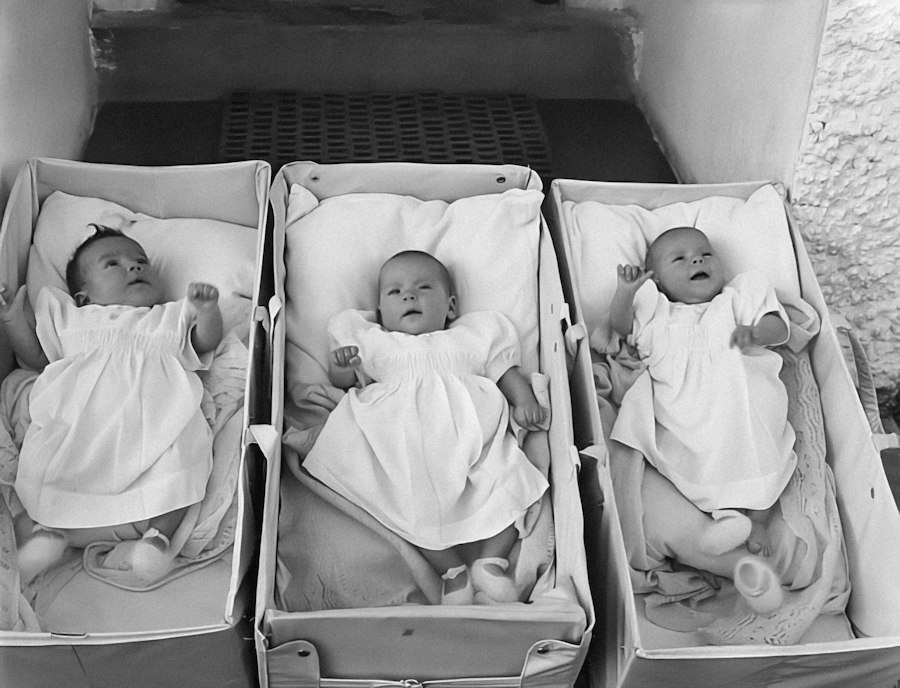
As the quadruplets transitioned from infancy into childhood and adolescence, subtle differences began to emerge. What might have initially been dismissed as fleeting childhood whims gradually coalesced into distinct personality traits and preferences. These divergences were not sudden or dramatic but rather a slow, almost imperceptible widening of individual identities. The uniform cloth of their shared existence began to show subtle fraying, revealing the unique threads of each sister’s burgeoning self.
Shifting Interests and Preferences
By the time they reached elementary school, the quadruplets’ interests began to diverge. Emily, the most introverted of the four, found solace in books and quiet creative pursuits. She developed a deep love for literature, often losing herself in fictional worlds. Sarah, on the other hand, was drawn to the outdoors and physical activity. She excelled in sports, demonstrating a competitive spirit and a natural athleticism. Jessica, ever the social butterfly, thrived in group settings and developed a keen interest in drama and performing arts. She was the natural leader in childhood games and possessed a vibrant, outgoing personality. Megan, the most analytical, showed an early aptitude for logic and problem-solving. She gravitated towards puzzles, science experiments, and understanding how things worked. These diverging interests, while seemingly small, were the first outward manifestations of their individual journeys.
Social Interactions and Friendships
The quadruplets’ social circles also began to reflect their individual personalities. While they remained close, they developed distinct friendships outside the sibling group. Emily’s friends were often quieter, intellectual individuals who shared her love of reading and art. Sarah’s friends were active and adventurous, often found on sports fields or exploring nature. Jessica’s social network was broad and dynamic, filled with peers from her drama club and various extracurricular activities. Megan’s friends tended to be those who shared her curiosity and enjoyed engaging in thoughtful discussions. This branching out into different social spheres provided each quadruplet with unique experiences and perspectives, further contributing to their individual development.
The Uncharted Territories: Academic and Career Paths
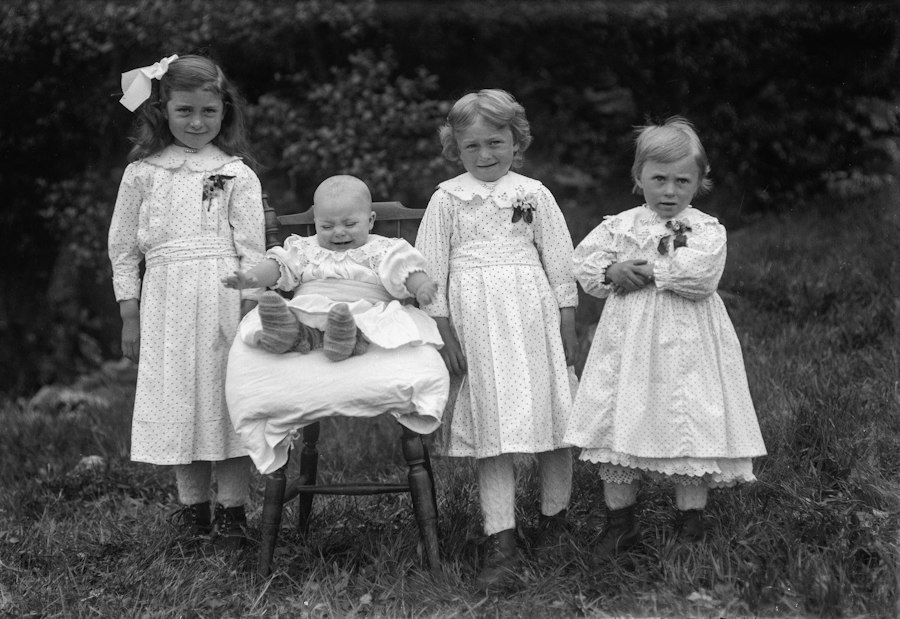
The diverging paths of the quadruplets became even more pronounced as they navigated the challenges of secondary education and began to contemplate their futures. Their academic strengths and career aspirations showcased the profound impact of their individual inclinations.
Academic Aptitudes and Choices
In high school, their academic strengths became more evident. Emily, with her passion for literature, excelled in humanities subjects, particularly English and history. She was a meticulous writer and possessed a deep understanding of complex literary texts. Sarah’s aptitude lay in the sciences, particularly biology and chemistry, fueled by her interest in the natural world. Her hands-on approach to learning, often involving experiments and field studies, led her to pursue a career in environmental science. Jessica, with her flair for communication and performance, shone in subjects like public speaking, drama, and languages. Her innate charisma and ability to connect with people made her a natural for fields requiring strong interpersonal skills. Megan, demonstrating her analytical prowess, excelled in mathematics and physics. Her logical thinking and problem-solving skills pointed her towards a career in engineering or computer science. These differing academic inclinations led them to pursue distinct university majors and ultimately, very different career paths.
Future Aspirations and Professional Pursuits
Emily, after completing her degree in English Literature, found her calling as a librarian, curating collections and fostering a love of reading in her community. Sarah, driven by her passion for the environment, pursued a Master’s degree in Environmental Conservation and began working for a non-profit organization dedicated to wildlife preservation. Jessica, with her captivating stage presence and communication skills, embarked on a career in marketing, where her ability to connect with audiences proved invaluable. Megan, true to her analytical nature, graduated with a degree in Software Engineering and found success in the tech industry, developing innovative solutions. The sheer diversity of their chosen professions, stemming from the same genetic pool and upbringing, underscored the profound uniqueness of each individual.
The Intangible Differences: Emotional Intelligence and Life Outlook
Beyond academic achievements and career choices, the quadruplets also exhibited notable differences in their emotional intelligence, coping mechanisms, and overall outlook on life. These subtler distinctions paint a more nuanced picture of their individual development.
Emotional Landscapes and Coping Strategies
Emily, the introspective reader, developed a rich inner emotional life. She was highly empathetic, often intuiting the feelings of those around her. Her coping strategy involved introspection and creative expression, finding solace in journaling and art. Sarah, the energetic athlete, tended to channel her emotions into physical activity. She was resilient and pragmatic, facing challenges with a determined, action-oriented approach. Jessica, the social connector, expressed her emotions openly and sought support from her network of friends and family. She was adept at navigating complex social dynamics and found strength in shared experiences. Megan, the logical thinker, approached emotional challenges with a problem-solving mindset. She often sought to understand the root cause of her feelings and devise practical solutions, sometimes appearing less outwardly emotional than her sisters. These differing emotional landscapes and coping mechanisms profoundly shaped their interactions and their ability to navigate life’s inevitable ups and downs.
Perceptions of Self and the World
Each quadruplet developed a unique lens through which they viewed themselves and the world. Emily saw herself as a quiet observer, a sensitive soul who found beauty in the subtleties of life. Her outlook was often reflective and appreciative of artistic expression. Sarah perceived herself as a doer, a resilient individual deeply connected to the natural world. Her worldview was grounded in action and a sense of responsibility towards the environment. Jessica saw herself as a connector, a vibrant individual who thrived on social interaction and making meaningful connections. Her perspective was optimistic and focused on the joy of shared human experience. Megan identified herself as a builder, a logical mind who sought understanding and innovation. Her outlook was pragmatic and driven by a desire to solve problems and improve systems. These distinct self-perceptions and worldviews, while rooted in a shared origin, highlighted the powerful influence of individual experience and internal processing.
Identical quadruplets, despite sharing the same genetic makeup, can experience vastly different outcomes in life due to a variety of environmental factors and individual choices. A fascinating exploration of this phenomenon can be found in a related article that discusses how upbringing, social interactions, and personal experiences shape their unique identities. For more insights on this topic, you can read the article here. Understanding these differences not only highlights the complexity of human development but also emphasizes the importance of nurturing individual strengths and interests.
The Nurture Debate Revisited: Unraveling the Complex Interplay
| Metric | Identical Quadruplets Raised Together | Observed Different Outcomes | Possible Influencing Factors |
|---|---|---|---|
| IQ Scores | Average 110 (±5) | Range 95 – 125 | Individual experiences, education, peer influence |
| Personality Traits (Big Five) | Similar baseline scores | Variations in openness, extraversion, and conscientiousness | Social interactions, personal interests, life events |
| Health Outcomes | Genetically identical predispositions | Differences in allergies, minor illnesses, stress levels | Diet, physical activity, environmental exposures |
| Academic Achievement | Similar early performance | Divergence in grades and subject preferences | Teacher relationships, motivation, extracurricular activities |
| Career Paths | Not applicable at birth | Distinct professions and interests | Personal choices, opportunities, mentorship |
| Emotional Well-being | Baseline emotional health | Differences in coping mechanisms and stress resilience | Support systems, life challenges, personality |
The case of the Miller quadruplets serves as a compelling real-world experiment in the enduring nature versus nurture debate. While their identical genetic makeup eliminates genetic variation as a primary differentiating factor, the subtle variations in their experiences, their individual interpretations of those experiences, and their inherent predispositions for certain types of responses have demonstrably shaped their divergent paths.
The Subtle Shaping of Environment
While the quadruplets were raised in the same household, it is crucial to acknowledge the subtle ways in which their environments, even within that shared space, may have differed. These differences are not necessarily about overt parental favoritism but rather about the nuanced interactions that occur within a family. For instance, a particular book might resonate more with one sister, leading her to seek out more literature, or a certain toy might spark a unique interest in another, initiating a chain of exploration. Even small variations in how parents responded to a child’s unique temperament or how siblings interacted with each other could have laid the groundwork for future divergence. The notion of a perfectly identical environment, even within a family, is likely an oversimplification.
The Power of Individual Interpretation and Agency
Perhaps the most significant factor contributing to the quadruplets’ diverging outcomes is their individual interpretation of their shared experiences and their innate sense of agency. Identical genetics provide the blueprint, but the individual’s interaction with that blueprint and the external world is what brings it to life. Each sister, with her unique cognitive and emotional framework, processed information and experiences differently. This internal processing, coupled with their developing sense of self, led them to make different choices, pursue different interests, and ultimately, forge different paths. Their agency – their capacity to act independently and make their own free choices – played a critical role in shaping their individual destinies, even from within the seemingly restrictive confines of a shared upbringing. The Miller quadruplets’ story is not just a testament to the power of nurture, but also a profound illustration of the remarkable resilience and individuality of the human spirit.

100% Same Genes, Different Minds: The Dark Psychology of the Genain Quadruplets
FAQs
1. What are identical quadruplets?
Identical quadruplets are siblings who are born from the same fertilized egg and share the same genetic makeup. They are extremely rare and occur when a single fertilized egg splits into four separate embryos.
2. How were the identical quadruplets in the study raised?
The identical quadruplets in the study were raised together in the same household by their biological parents. They shared the same upbringing, environment, and experiences throughout their childhood and adolescence.
3. What were the different outcomes observed among the identical quadruplets?
Despite being raised together, the identical quadruplets in the study exhibited different outcomes in terms of their education, career choices, personality traits, and overall well-being. This variation suggests that genetic factors may play a role in shaping individual differences.
4. What factors could have contributed to the different outcomes among the identical quadruplets?
Several factors could have contributed to the different outcomes among the identical quadruplets, including genetic variations, epigenetic changes, individual experiences, and random chance. These factors may have interacted in complex ways to shape each quadruplet’s development and life trajectory.
5. What implications do the findings of the study have for our understanding of nature versus nurture?
The findings of the study highlight the intricate interplay between genetic predispositions and environmental influences in shaping human development. While genetics may set the stage for certain traits and outcomes, environmental factors and individual experiences also play a significant role in determining the unique path of each individual.