The hum of a shared household, the echo of laughter from childhood games, the tapestry of memories woven together – these are the hallmarks of sibling relationships. Yet, within this shared space, a striking paradox often emerges: siblings, raised under the same roof, by the same parents, frequently exhibit a remarkable divergence in personality, interests, and life paths. This exploration delves into the myriad reasons behind this fascinating phenomenon, dissecting the complex interplay of factors that sculpt each individual into a distinct entity, even within the embrace of the same family tree.
The Unseen Sculptors: Nature’s Blueprint and Nurture’s Touch
The fundamental divergence between siblings begins with the very building blocks of their existence. Genetics and environment, though intertwined, lay the groundwork for their unique trajectories. Understanding their individual contributions is crucial to appreciating the sculpted differences we observe.
The Genetic Lottery: Inherited Predispositions and Temperamental Seeds
Every individual inherits a unique genetic code, a mosaic of their parents’ DNA. This biological inheritance is not merely about physical traits like eye color or hair texture; it profoundly influences personality, temperament, and predispositions. Siblings, while sharing a significant portion of their genetic material, are not identical clones. Each receives a different combination of genes from each parent, leading to variations in their underlying biological makeup.
One sibling might be genetically predisposed to a more introverted nature, while another inherits a tendency towards extroversion. This doesn’t dictate their entire social behavior, but it sets a baseline, a natural inclination that influences how they interact with the world. Similarly, genetic factors can influence a predisposition towards certain talents or aptitudes. One child might have a genetic leaning towards musicality, while another might show a stronger inclination towards analytical thinking. These inherited tendencies act as the initial seeds, waiting for the soil of their environment to nurture their growth.
Furthermore, temperament, the innate emotional reactivity and self-regulation of an individual, is heavily influenced by genetics. Some infants are naturally more easygoing and adaptable, while others are more sensitive and prone to distress. These early temperamental differences can shape how parents interact with them, how they respond to experiences, and ultimately, how their personalities develop. A child who is naturally more cautious might be perceived and treated differently than a child who is more adventurous, even by the same parents.
The Environmental Mosaic: Birth Order, Parenting Styles, and External Influences
While genetics provides the blueprint, the environment acts as the sculptor, shaping and refining the inherited tendencies. The family environment is a complex ecosystem, and even within this seemingly uniform setting, subtle but significant differences exist for each child.
The Birth Order Effect: Positioning and Perceptions
The position a child occupies within the sibling hierarchy has long been theorized to play a significant role in personality development. While not a rigid determinant, birth order can influence a child’s experiences and the expectations placed upon them.
The firstborn, often privy to undivided parental attention in their early years, may develop traits associated with responsibility, leadership, and achievement. They might be more inclined to follow rules, seek parental approval, and take on nurturing roles. Conversely, the constant need to prove themselves can foster a drive for success.
The middle child, often feeling overlooked or caught between the firstborn’s established role and the lastborn’s privileges, can develop unique coping mechanisms. They might become skilled negotiators, adept at finding their own space, and more independent. They may also be more socially adept, having learned to navigate complex family dynamics.
The youngest child, often benefiting from more relaxed parental supervision and the experience of older siblings, might be more carefree, outgoing, and attention-seeking. They may also be more prone to risk-taking and a desire for novelty.
The “only child” dynamic presents a different set of influences, often characterized by focused parental attention, which can foster self-reliance and a strong sense of individuality. However, they might also experience greater pressure to succeed and less opportunity to practice social skills within a sibling group.
It’s crucial to note that these are broad generalizations, and the specific dynamics of each family can significantly alter these effects. However, the subtle shifts in parental interaction, sibling rivalry, and the individual’s perceived role within the family can contribute to distinct personality traits.
Parenting Styles: Tailored Approaches and Unconscious Biases
Parents, consciously or unconsciously, often adopt different parenting styles for each child. Even with the best intentions of treating all children equally, their individual personalities, needs, and the evolving family context necessitate adjustments.
A parent might be more authoritarian with their first child, establishing clear boundaries and expectations. With subsequent children, they might become more permissive, or their parenting philosophy may evolve as they gain experience and their own lives change. This can lead to one sibling experiencing more structure and discipline, while another enjoys more freedom and autonomy.
Furthermore, parents may unconsciously project their own unmet desires or fears onto their children. One child might be encouraged to pursue a passion the parent always wished they had, while another might be steered away from perceived risks or challenges. These subtle (and sometimes not-so-subtle) influences can shape a child’s aspirations and self-perception.
The emotional responses parents have to their children’s behaviors can also differ. A parent might be more indulgent of one child’s quirks, seeing them as charming, while reacting more critically to similar behaviors in another. These differential reactions, even if minor, can reinforce certain behaviors and discourage others, contributing to divergent personality development.
The External Landscape: Friendships, Schools, and Life Experiences
The family is the primary sphere of influence, but it is not the only one. As siblings mature, their engagement with the external world becomes increasingly significant in shaping their unique identities.
The friends a child chooses, the schools they attend, the extracurricular activities they participate in – all these external influences contribute to their developing worldview and interests. One sibling might gravitate towards a group of academically inclined peers, fostering a love for learning and intellectual pursuits. Another might find their tribe in a more artistic or athletic circle, nurturing different talents and passions.
Life experiences, both positive and negative, leave indelible marks. A challenging illness, a significant move, a major personal success or failure – these events are experienced and processed uniquely by each individual. How a sibling copes with adversity, celebrates triumphs, or learns from mistakes will shape their resilience, their outlook on life, and their fundamental beliefs. These formative experiences, encountered at different junctures in their lives and processed through their individual lenses, further solidify their divergence.
Siblings from the same family often exhibit distinct personalities and traits, a phenomenon that has intrigued psychologists for years. Factors such as birth order, individual experiences, and environmental influences contribute to these differences. For a deeper understanding of this topic, you can explore the article on sibling dynamics and their impact on personality development at Unplugged Psychology. This resource provides valuable insights into how even within the same family, siblings can grow up to be remarkably unique individuals.
The Divergent Paths: Interests, Talents, and Aspirations

The differences between siblings extend beyond their fundamental personalities to the very fabric of their daily lives – their passions, their skills, and the dreams they pursue. These divergences are often the most visibly apparent manifestations of their unique journeys.
The Cultivation of Passions: Nurturing Diverse Flames
The interests that ignite in siblings are rarely carbon copies. One might be captivated by the intricate world of coding, spending hours devising algorithms and building digital landscapes. Another might find solace and expression in the vibrant strokes of a paintbrush, losing themselves in the creation of visual art. These divergent passions are not solely born of innate talent but are also heavily influenced by exposure, encouragement, and the opportunities presented to them.
A parent who actively nurtures a child’s interest in music, providing lessons and opportunities to perform, is likely to see that passion flourish. Conversely, if a child shows a natural inclination towards a subject that is not actively supported or even implicitly discouraged, that flame may flicker and fade. The subtle (or not-so-subtle) cues from caregivers, the availability of resources, and the peer groups they associate with all play a role in the cultivation of these distinct flames of interest.
Furthermore, siblings might develop a shared interest but pursue it with different levels of intensity and focus. One might enjoy casual stargazing, while another dedicates their weekends to astronomical research and telescope building. This variation in depth and commitment further highlights their individual pursuits, even within a similar domain.
The Unfolding of Talents: Unearthing Hidden Gems
Talent is a multifaceted concept, encompassing innate abilities and skills honed through practice and dedication. Siblings often exhibit a unique constellation of talents, with one excelling in public speaking and persuasive argumentation, while another possesses a natural aptitude for intricate problem-solving in mathematics.
These talents are not always immediately apparent. Sometimes, a hidden gem is unearthed through trial and error, through the encouragement of a teacher, or by simply stumbling upon an activity that sparks a dormant ability. A child who might have been perceived as quiet and reserved could discover a hidden talent for performance through a school play, blossoming into a confident orator.
The environment plays a critical role in the unfolding of these talents. Access to mentors, specialized training, and opportunities to showcase their skills can accelerate development. If one sibling has the opportunity to join a debate club, honing their rhetorical skills, while another is encouraged to participate in a science fair, developing their analytical and experimental abilities, their talents will inevitably diverge. These experiences, shaped by external opportunities and individual inclination, allow their unique aptitudes to surface and mature.
The Architect of Aspirations: Dreams Shaped by Experience and Influence
The aspirations that guide siblings’ life choices are as varied as their personalities. One might dream of building a global enterprise, driven by a desire for impact and innovation. Another might aspire to a life of quiet scholarship, dedicating their efforts to the pursuit of knowledge and understanding. These aspirations are not solely born of ambition but are also shaped by a complex interplay of experiences, values, and the individuals they admire.
Witnessing role models, whether within the family or from the wider world, can profoundly influence a child’s aspirations. If a sibling sees a parent who finds deep fulfillment in a career dedicated to helping others, they may internalize that value and pursue a similar path. Conversely, observing a parent who experiences dissatisfaction in their work might lead a sibling to actively seek out entirely different professional trajectories.
The values instilled by parents and the broader culture also play a significant role. A family that prioritizes creativity and self-expression might foster aspirations centered around artistic endeavors. A family that emphasizes security and stability might nurture dreams of professional careers that offer a sense of predictability. Ultimately, the dreams siblings chase are a unique tapestry woven from their personal experiences, the lessons they’ve learned, and the visions of the future they create for themselves.
The Shadow of Perception: How Others See Us and How We See Ourselves
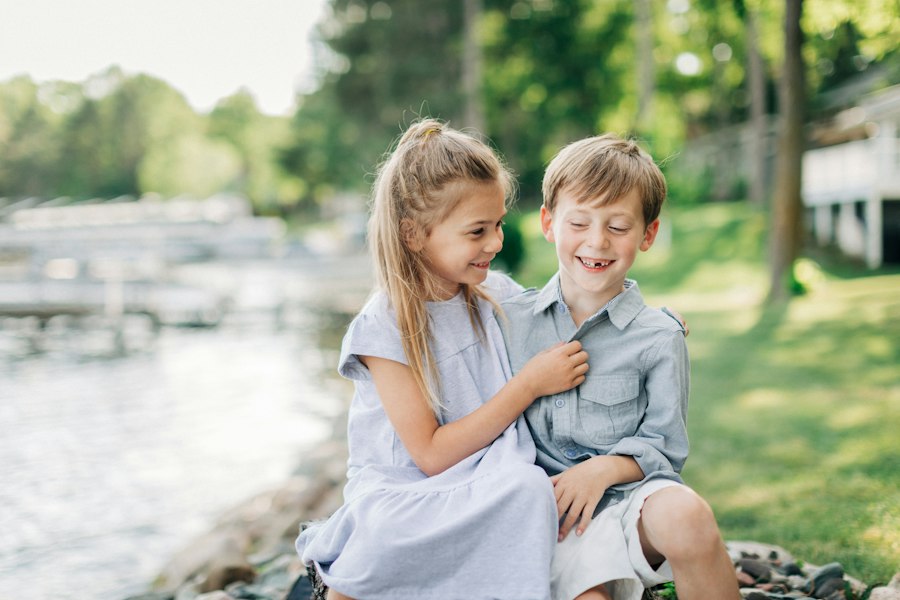
The way siblings perceive each other, and the way they are perceived by others, significantly influences their self-concept and ultimately, their individual development. These perceptions, often rooted in early experiences and reinforced over time, can shape expectations and create self-fulfilling prophecies.
The Lens of Family: Parental Expectations and Sibling Comparisons
Within the family unit, parents often hold distinct expectations for each child, influenced by their birth order, perceived strengths, and even their early temperaments. These expectations, whether explicitly stated or subtly communicated, can act as powerful guiding forces.
A parent might unconsciously place a greater emphasis on academic achievement for one child, while encouraging another to develop social skills or artistic talents. This differential emphasis can lead the children to internalize these perceived roles, focusing their efforts and energies in the areas deemed most important by their caregivers.
Sibling comparisons, both overt and covert, are a common feature of family dynamics. Parents might praise one child’s accomplishments in a way that implicitly highlights another’s perceived shortcomings, or siblings themselves might engage in constant comparisons of achievements, talents, and even popularity. These comparisons, while sometimes intended to motivate, can foster feelings of inadequacy or an unhealthy sense of competition, leading each sibling to strive to differentiate themselves or to meet perceived familial expectations.
The Mirror of Peer Groups: Social Circles and Identity Formation
As siblings venture beyond the family sphere, their peer groups become increasingly influential in shaping their identities. The friends they choose, the social circles they inhabit, and the values espoused by these groups all contribute to their developing sense of self.
One sibling might find themselves drawn to a group of academically driven students, fostering a shared intellectual curiosity and a desire for academic excellence. This peer group can reinforce their interests, provide a sense of belonging, and validate their intellectual pursuits. In contrast, another sibling might gravitate towards a more bohemian or artistic crowd, embracing different values, aesthetics, and social norms.
The identity formation process is deeply intertwined with social interaction. Through these peer groups, siblings learn to navigate social hierarchies, develop communication styles, and experiment with different facets of their personalities. The feedback they receive from their friends – whether through acceptance, rejection, or admiration – profoundly impacts their self-esteem and their understanding of who they are.
The Self-Fulfilling Prophecy: Internalizing Roles and Behaviors
The interplay of internal and external perceptions can lead to the powerful phenomenon of the self-fulfilling prophecy. When a sibling is consistently perceived as “the smart one,” they may internalize this label and dedicate themselves to academic pursuits, thus becoming the smart one. Conversely, if a sibling is consistently labeled “the shy one,” they might begin to exhibit more withdrawn behaviors, reinforcing that perception.
These internalized roles can become self-imposed limitations or, conversely, motivators. If a sibling believes they are not athletically inclined, they may avoid sports, thus never discovering any latent athletic abilities. On the other hand, if a sibling is perceived as a natural leader, they might step into leadership roles, gaining experience and confidence that further solidifies their leadership qualities.
The perceptions held by others, and the subsequent internalization of these perceptions, create a feedback loop that shapes behavior and reinforces existing traits. This is why siblings, even with similar genetic backgrounds, can develop profoundly different identities based on the unique lenses through which they are viewed and the roles they come to embody.
The Evolving Landscape: Life Stages and Shifting Dynamics
The differences between siblings are not static; they evolve and shift throughout their lives. As they navigate different life stages, encounter new experiences, and forge their own paths, the dynamics of their individuality and their relationships with each other continue to transform.
The Crucible of Adolescence: Asserting Independence and Forging Identity
Adolescence is a pivotal period for sibling divergence. This is a time when individuals typically assert their independence, challenge authority, and actively seek to define their unique identities separate from their families. For siblings, this can manifest as a conscious effort to be different from one another.
One sibling might embrace a rebellious streak, experimenting with fashion, music, and social behaviors that are a stark contrast to their more compliant sibling. Another might retreat further into their academic pursuits, seeking validation and a sense of control through scholastic achievement. This is a period of intense self-discovery, and the pressures of peer influence and the desire for individuality can amplify any pre-existing differences.
Furthermore, the development of romantic relationships and the formation of new social circles during adolescence can create further divergence. Siblings might find themselves in vastly different social scenes, with different friends, interests, and experiences. This can lead to a widening gap in their understanding of each other’s worlds, making it more challenging to find common ground.
The Crossroads of Adulthood: Career, Family, and Personal Journeys
Adulthood brings a new set of influences that continue to shape sibling individuality. Career choices, the formation of their own families, and the unique personal journeys they embark upon all contribute to their evolving distinctiveness.
One sibling might dedicate themselves to a demanding career, prioritizing professional advancement and financial success. Another might choose a path focused on personal fulfillment and work-life balance, perhaps opting for a less lucrative but more personally rewarding profession. These divergent career paths not only shape their daily lives but also influence their financial situations, their social networks, and their overall life experiences.
The formation of their own families also introduces significant variations. The dynamics of raising children, the values they choose to impart to their offspring, and the challenges they face in their marriages or partnerships will all contribute to their unique adult identities. A sibling who is a stay-at-home parent will likely have a different daily experience and set of priorities than a sibling who travels extensively for work.
The Enduring Bond: Shared History and Evolving Connection
Despite the myriad differences that emerge throughout their lives, siblings often share an enduring bond forged through their shared history. This shared past, filled with inside jokes, common memories, and a deep understanding of their family’s unique dynamics, serves as a powerful anchor in their relationship.
As adults, siblings may find that their differences, which might have once created friction, now offer a broader perspective and a richer tapestry of experiences to share. They can learn from each other’s diverse paths, offering support and advice based on their unique insights. The ability to appreciate and celebrate these differences, rather than being defined by them, is often the hallmark of a mature and resilient sibling relationship.
The evolution of sibling relationships throughout life is a testament to their adaptability and the enduring power of family ties. While they may embark on vastly different journeys, the thread of their shared origins continues to connect them, creating a unique and dynamic bond that evolves with each passing year.
Siblings from the same family often exhibit striking differences in personality, interests, and behavior, which can be attributed to a variety of factors including birth order, environmental influences, and individual experiences. For a deeper understanding of this phenomenon, you might find it interesting to explore an article on the topic of sibling dynamics and individuality. This article discusses how even within the same family, siblings can develop unique traits and perspectives that shape their identities. To read more about this intriguing subject, check out this insightful piece on sibling differences.
Embracing the Mosaic: The Value of Sibling Uniqueness
| Factor | Description | Impact on Sibling Differences |
|---|---|---|
| Genetic Variation | Each sibling inherits a unique combination of genes from parents. | Leads to differences in physical traits, personality, and abilities. |
| Birth Order | Position in the family (firstborn, middle, youngest) influences experiences. | Affects personality traits such as leadership, responsibility, and risk-taking. |
| Parental Treatment | Parents may treat siblings differently based on needs or circumstances. | Shapes self-esteem, behavior, and emotional development. |
| Environmental Factors | Different experiences outside the home like schools, friends, and activities. | Contributes to diverse interests, skills, and social behaviors. |
| Peer Influence | Friends and social groups impact attitudes and behaviors. | Leads to variation in social skills, values, and hobbies. |
| Unique Life Events | Individual experiences such as illnesses, achievements, or traumas. | Creates distinct emotional and psychological development paths. |
The exploration of why siblings differ reveals a complex interplay of nature and nurture, a dynamic process that sculpts each individual into a distinct mosaic of traits, interests, and aspirations. Rather than viewing these differences as sources of division, it is crucial to recognize the inherent value they bring, not only to the individuals themselves but to the family unit as a whole.
The divergence between siblings is not a testament to parental favoritism or a sign of familial discord. Instead, it is a celebration of individuality, a testament to the unique journey each person embarks upon. Each sibling, with their distinct strengths and perspectives, enriches the family’s collective experience, offering a broader understanding of the world and a wider array of talents and capabilities.
Understanding the forces that shape sibling differences allows for greater appreciation and acceptance. It encourages parents to nurture the unique potential of each child, rather than striving for an unattainable uniformity. It empowers siblings to celebrate their individuality, recognizing that their differences do not diminish their shared history or their bond, but rather add depth and richness to it. Ultimately, the mosaic of sibling uniqueness is what makes a family truly vibrant, a collection of distinct, yet interconnected, individuals contributing to a shared legacy.

100% Same Genes, Different Minds: The Dark Psychology of the Genain Quadruplets
FAQs
1. Why do siblings from the same family have different personalities?
Siblings can have different personalities due to a combination of genetic factors, unique life experiences, and individual preferences. Each child may inherit different traits from their parents, leading to variations in personality.
2. What role does birth order play in shaping siblings’ differences?
Birth order can influence siblings’ differences as older siblings may have different responsibilities and experiences compared to younger siblings. This can impact their personalities, interests, and relationships within the family.
3. How can environmental factors contribute to siblings being different?
Environmental factors such as parenting styles, social interactions, and educational opportunities can play a significant role in shaping siblings’ differences. Each child may respond differently to their environment, leading to diverse personalities and behaviors.
4. Can sibling rivalry contribute to differences between siblings?
Sibling rivalry, competition, and comparisons within the family can contribute to differences between siblings. This can lead to unique strengths, weaknesses, and interests as each child seeks to establish their own identity within the family dynamic.
5. Are there any benefits to siblings being different from each other?
Yes, there are benefits to siblings being different from each other. These differences can promote individuality, personal growth, and mutual learning within the family. Siblings can complement each other’s strengths and weaknesses, fostering a diverse and supportive family environment.