
The Seeds of Attachment: Early Encounters and Intellectual Kinship
The narrative of Harlow and Bowlby’s relationship is one of intellectual cross-pollination, a shared dedication to understanding the profound impact of early relationships on human (and primate) development. While not a conventional romantic or familial bond, their connection was deeply influential, shaping the trajectory of developmental psychology and our understanding of the fundamental human need for connection. Their paths converged during a period of significant upheaval and nascent scientific inquiry into the nature of early social bonds. Bowlby, a British psychoanalyst, was already developing his groundbreaking theories on attachment, initially grappling with the distress observed in children separated from their mothers during wartime and in institutions. His work, rooted in ethology and psychoanalysis, posited that a primary, innate drive in infants is to seek proximity and comfort from a caregiver, a bond crucial for healthy emotional and social development.
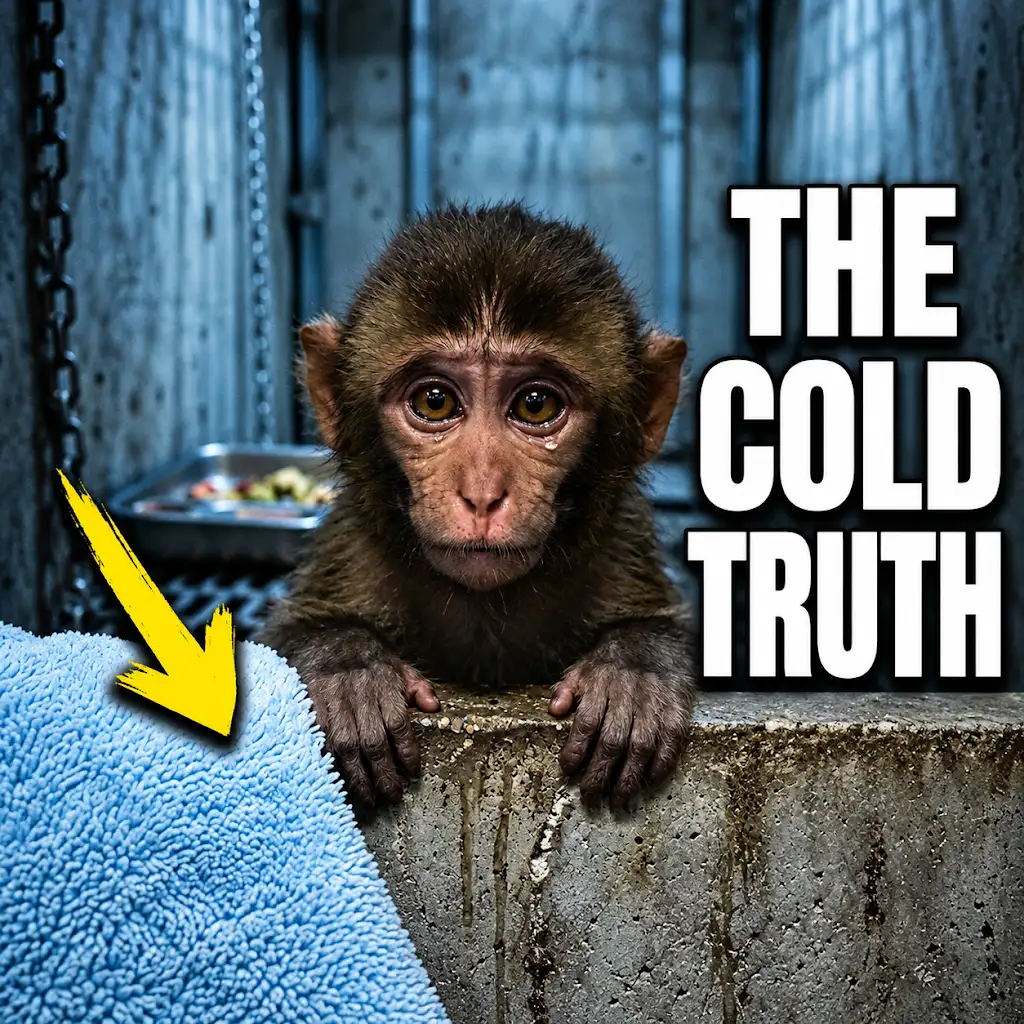
Harlow, an American comparative psychologist, was conducting his seminal experiments with rhesus monkeys at the University of Wisconsin. His research, driven by a desire to understand learning and motivation, took a dramatic turn when he began to question the prevailing behaviorist view that food alone was the primary motivator for infant monkeys. His famous “wire mother” experiments, where infant monkeys were provided with a soft, surrogate cloth mother and a wire mother with a milk dispenser, provided compelling evidence that comfort and tactile reassurance were far more powerful drivers of attachment than mere nourishment. These parallel, yet distinct, lines of inquiry would soon find common ground, laying the foundation for a fertile intellectual exchange.
The timing of their professional acquaintance was crucial. Bowlby’s early work on “The Nature of the Child’s Séparation Anxiety” (1951) and his subsequent “Attachment and Loss” series (beginning in 1969) were gaining traction, challenging established notions and sparking debate within the scientific community. Meanwhile, Harlow’s vivid and often disturbing demonstrations of maternal deprivation in monkeys were generating considerable public and scientific interest. It was through shared conferences, publications, and the burgeoning network of developmental researchers that their intellectual paths began to intersect. They recognized in each other a kindred spirit, a willingness to challenge orthodoxies and to pursue empirical evidence, even when it led to uncomfortable truths. Their relationship, therefore, began not with personal intimacy but with a shared passion for unraveling the complexities of early social development, a passion that would ultimately redefine the field.
The relationship history of Harlow Bowlby is a fascinating topic that delves into the intricate connections between attachment theory and early childhood development. For a deeper understanding of these concepts and their implications, you can explore a related article that provides valuable insights into the psychological frameworks established by Bowlby and Harlow. To read more, visit this link: here.
Bridging the Species Divide: The Monkey Studies and Their Human Implications
Harlow’s groundbreaking experiments with rhesus monkeys served as a powerful empirical lens through which to examine Bowlby’s attachment theory. While Bowlby’s work was largely theoretical, drawing on observations of human children and the broader field of ethology, Harlow’s laboratory provided a controlled environment to isolate and manipulate variables related to maternal care. His conclusion that infant monkeys preferred the comforting cloth mother over the wire mother who provided food was a resounding refutation of the “cupboard love” theory, which argued that attachment was merely a secondary drive learned through the association of the caregiver with the satisfaction of basic needs like hunger. This finding resonated deeply with Bowlby’s assertion that attachment is an innate, primary drive, independent of nutritional needs, focused on security and comfort.
The implications of Harlow’s monkey studies for understanding human development were profound and, at times, controversial. Bowlby, and indeed many in the field, found the experimental results to be a powerful validation of their theoretical framework. They could now point to a compelling, albeit ethically debated, model that demonstrated the critical importance of a nurturing, responsive caregiver for healthy psychological development. The prolonged isolation of infant monkeys, leading to severe social and emotional deficits, mirrored concerns about the effects of institutionalization and maternal deprivation in human children, which had been a key motivator for Bowlby’s initial work. Harlow’s findings provided a stark, visual representation of the potential consequences of failed attachment, reinforcing the urgency and importance of Bowlby’s message.
The exchange between Harlow and Bowlby was largely one of mutual reinforcement and shared conceptualization. Bowlby would often refer to Harlow’s work in his lectures and writings, citing the primate studies as crucial evidence for the universality of attachment needs. Harlow, in turn, was undoubtedly influenced by the theoretical framework provided by Bowlby, which offered a compelling narrative to interpret his empirical findings. This cross-pollination was not a simple unidirectional flow of information; rather, it was a dynamic interplay where theory guided research and research, in turn, refined and strengthened theory. The primate model, while not a perfect one-to-one analogy for human behavior, provided an indispensable tool for exploring the fundamental building blocks of attachment, demonstrating that the need for comfort and security was deeply ingrained in our primate heritage, and by extension, in our own species.
The Long Shadow of Separation: Shared Concerns and Policy Influence
The shared intellectual ground between Harlow and Bowlby extended beyond theoretical validation to encompass a deep concern for the welfare of children experiencing separation from their primary caregivers. Bowlby’s early work was spurred by his observations of children in hospitals and orphanages, and his warnings about the damaging effects of maternal deprivation were central to his contributions to the World Health Organization’s report “Maternal Care and Mental Health” (1952). This report had a significant impact on childcare policies, advocating for the importance of continuous maternal care and criticizing the practice of separating young children from their mothers for extended periods.
Harlow’s monkey studies provided a stark, experimental illustration of the devastating consequences of such separations. The infant monkeys, deprived of maternal contact and social interaction, exhibited profound and lasting deficits in their ability to form social relationships, engage in normal play, and parent their own offspring. These findings lent considerable weight to Bowlby’s arguments, offering concrete, albeit disturbing, evidence of the biological and psychological harm that could result from disrupted attachment bonds. While Harlow’s experiments were ethically fraught and raised serious questions about animal welfare, their scientific impact was undeniable in highlighting the critical role of early social experience.
The influence of their combined work on public policy and practice in childcare was significant, though often met with resistance and controversy. Bowlby’s ideas challenged established medical and social practices, and Harlow’s experiments, by their very nature, were difficult to ignore. Together, they contributed to a growing awareness among professionals and the public about the importance of secure attachment in fostering healthy development. This awareness, fueled by the empirical data from Harlow’s lab and the theoretical framework from Bowlby’s mind, helped to shift the discourse surrounding child welfare, emphasizing the psychological needs of children alongside their physical ones. The legacy of their shared concern can be seen in the move towards more family-centered approaches in hospitals, the emphasis on early childhood education and care that prioritizes stable relationships, and a greater understanding of the long-term consequences of early adversity.
Debates and Criticisms: Navigating the Complexities of Their Legacies
Despite the profound influence of Harlow and Bowlby’s work, both individuals and their research endeavors were not without significant criticism and debate. Harlow’s experiments, particularly those involving the severe deprivation of infant monkeys, ignited a firestorm of ethical concerns. Animal rights activists and a growing number of scientists questioned the moral justification of inflicting such suffering on sentient beings, even for the sake of scientific understanding. The “pit of despair” experiments, where infant monkeys were deliberately isolated in terrifying conditions, became particularly notorious and sparked widespread revulsion. Critics argued that the knowledge gained did not outweigh the immense suffering inflicted.
Bowlby’s attachment theory also faced its share of academic scrutiny. Some psychoanalysts initially resisted his ideas, finding them too deterministic and diverging from traditional Freudian concepts. Critics also questioned the universal applicability of his theories, particularly in cross-cultural contexts, suggesting that cultural variations might influence attachment patterns and outcomes. The emphasis on maternal responsiveness was, for some, perceived as placing an undue burden on mothers, potentially leading to guilt and blame. Furthermore, the notion of a single, primary caregiver being paramount was challenged, with some advocating for the importance of multiple caregivers and broader social networks.
Harlow and Bowlby, though working in parallel, were aware of these debates. Their relationship, though primarily intellectual, likely involved discussions and reflections on these criticisms. They were both strong proponents of their respective lines of inquiry, and while they may have acknowledged the ethical complexities, they largely stood by the necessity of their research for advancing understanding. The enduring legacy of their work is a testament to their conviction, but it also necessitates a critical engagement with the ethical implications and potential biases within their findings. The debates surrounding their work continue to inform contemporary research on attachment, emphasizing the need for ethically sound methodologies and a nuanced understanding of the complex interplay of biological, social, and cultural factors in child development. The conversations they implicitly or explicitly engaged in, even if not explicitly documented as a direct dialogue, were vital in shaping the ongoing evolution of developmental psychology.
The relationship history between Harlow and Bowlby has been a significant topic in the field of psychology, particularly in understanding attachment theory. Their work laid the groundwork for exploring how early relationships with caregivers influence emotional and social development. For a deeper insight into this subject, you can read a related article that discusses the implications of their research on modern psychology by visiting this link. This exploration highlights the lasting impact of their findings on contemporary views of attachment and bonding.
The Enduring Echo: Lasting Impact and Evolving Understanding
| Aspect | Details |
|---|---|
| Harry Harlow | Psychologist known for maternal-separation and social isolation experiments on rhesus monkeys in the 1950s and 1960s |
| John Bowlby | British psychiatrist and psychoanalyst, founder of attachment theory, emphasizing the importance of early relationships between infants and caregivers |
| Relationship | Both contributed foundational work on attachment and bonding, with Harlow providing experimental evidence and Bowlby developing theoretical frameworks |
| Harlow’s Contribution | Demonstrated the importance of “contact comfort” in infant monkeys, showing that emotional attachment is not solely based on feeding |
| Bowlby’s Contribution | Proposed that early attachment relationships influence emotional development and future social relationships in humans |
| Impact on Psychology | Combined insights from both researchers shaped modern understanding of attachment, child development, and the effects of maternal deprivation |
The intellectual kinship between Harry Harlow and John Bowlby, though never overtly personal, left an indelible mark on the landscape of developmental psychology. Their collaborative impact, a product of parallel inquiry and mutual reinforcement, fundamentally reshaped our understanding of the crucial importance of early relationships. Bowlby provided the theoretical scaffolding, articulating the innate drive for attachment and its vital role in emotional and psychological well-being. Harlow, through his controversial yet powerful primate studies, offered compelling empirical evidence, demonstrating that comfort and emotional security were not secondary to basic needs but were, in fact, primary drivers of healthy development.
The reverberations of their work continue to be felt in numerous domains. In clinical psychology, attachment theory remains a cornerstone for understanding a wide range of psychological disorders, from anxiety and depression to personality disorders. Therapists utilize attachment frameworks to assess and treat individuals, recognizing how early relational experiences can shape lifelong patterns of relating. In education, the insights gleaned from their research have informed approaches to early childhood education, emphasizing the need for stable, nurturing environments that foster secure attachments between children and educators. The advocacy for parental leave policies and the emphasis on the importance of early intervention programs are also indirectly influenced by the foundational understanding of attachment that they helped to establish.
Furthermore, the ongoing research in developmental neuroscience and genetics is increasingly revealing the biological underpinnings of attachment, providing further validation for the intuitive concepts that Bowlby and Harlow championed. Neuroimaging studies, for example, are demonstrating how early experiences of secure attachment can shape brain development, influencing areas associated with emotional regulation, stress response, and social cognition. This evolving scientific landscape, while providing new avenues of inquiry, continues to draw upon the fundamental principles first articulated by these two influential figures. The relationship between Harlow and Bowlby, therefore, was not a fleeting encounter but a pivotal moment in scientific history, an intellectual collaboration that continues to echo, guiding our understanding of what it means to be human and the profound, enduring power of connection. Their legacy is not one of definitive answers but of persistent questions, inviting future generations to delve deeper into the intricate tapestry of human relationships.
The Dark Reality of the Monkey Comfort Experiment
FAQs
1. What is the relationship between Harry Harlow and John Bowlby?
Harry Harlow and John Bowlby were both influential psychologists in the field of attachment theory, but they had differing views on the nature of attachment. Harlow’s research focused on the importance of contact comfort and maternal bonding, while Bowlby emphasized the role of a secure base and the internal working model in attachment relationships.
2. Did Harry Harlow and John Bowlby collaborate on any research projects?
Although Harry Harlow and John Bowlby were both prominent figures in the field of psychology, they did not collaborate on any research projects together. Their work on attachment theory developed independently, with Harlow conducting experiments with rhesus monkeys and Bowlby focusing on the attachment behaviors of children.
3. How did Harry Harlow’s research on attachment differ from John Bowlby’s theories?
Harry Harlow’s research on attachment emphasized the importance of contact comfort and the role of maternal bonding in forming secure attachments. In contrast, John Bowlby’s attachment theory focused on the concept of a secure base, the internal working model, and the idea that early attachment experiences shape later relationships.
4. What impact did Harry Harlow and John Bowlby have on the field of psychology?
Harry Harlow and John Bowlby both made significant contributions to the field of psychology, particularly in the area of attachment theory. Harlow’s research with rhesus monkeys helped to demonstrate the importance of early maternal bonding, while Bowlby’s work laid the foundation for understanding how attachment relationships influence human development and behavior.
5. How are Harry Harlow and John Bowlby’s theories still relevant today?
Harry Harlow and John Bowlby’s theories on attachment continue to be influential in psychology and other fields. Their research has shaped our understanding of how early relationships impact later development, mental health, and interpersonal relationships. Their work continues to inform research, clinical practice, and policy related to attachment and caregiving.