
The Robbers Cave Experiment: Understanding Group Conflict
The human capacity for both cooperation and conflict is a fundamental aspect of our social existence. While we are capable of forming profound bonds and working collaboratively towards common goals, we also possess a disturbing propensity for prejudice, animosity, and outright hostility towards those perceived as “outsiders.” Understanding the origins and dynamics of this intergroup conflict has long been a central pursuit in social psychology. Among the most seminal and influential studies to tackle this complex issue is the Robbers Cave Experiment, conducted by Muzafer Sherif and his colleagues in the 1950s. This groundbreaking research provided stark and compelling insights into how group identity, competition, and the pursuit of limited resources can rapidly transform strangers into bitter enemies.
The Robbers Cave Experiment was not a casual undertaking; it was a meticulously designed and ethically complex investigation into the roots of prejudice and hostility. Sherif, a Turkish social psychologist, was deeply interested in the factors that contributed to intergroup conflict, particularly in the context of historical events like World War II. He sought to move beyond theoretical speculation and create a controlled, real-world scenario where these dynamics could be observed and manipulated. The experiment was conducted over several summers at a Boy Scout camp in Robbers Cave State Park, Oklahoma, a location chosen for its relative isolation and natural appeal to young boys.
The Experimental Setup: Creating a Controlled Environment
The researchers went to great lengths to ensure the authenticity of the experience for the participants, while simultaneously maintaining a high degree of control over the experimental variables. The boys were unaware that they were part of a scientific study; they believed they were simply attending a summer camp. This element of deception, while ethically debated, was crucial to eliciting naturalistic behavior. The camp was designed to mimic a typical summer experience, with activities like swimming, hiking, and campfires. However, behind the scenes, the researchers were carefully orchestrating events to foster and then alleviate intergroup tension. The isolation of the camp was also a key factor, minimizing external influences and allowing the internal group dynamics to take center stage.
Selecting the Participants: A Homogeneous Group
To minimize pre-existing differences that might confound the results, the participants were carefully selected. They were all white, middle-class, Protestant boys, typically around 11 years old, who were considered to be of similar intelligence and psychological background. This homogeneity was important because the researchers wanted to isolate the impact of group membership and competition, rather than variations in personality or background. The boys were recruited from similar social and economic backgrounds, ensuring that initial prejudices based on class or ethnicity were unlikely to be a significant factor. Their parents were contacted and informed about the general nature of the camp, but not the specific experimental aims.
The Robbers Cave social psychology experiment, conducted by Muzafer Sherif in the 1950s, provides valuable insights into intergroup conflict and cooperation. For a deeper understanding of the implications of this experiment and its relevance to contemporary social dynamics, you can explore a related article on the topic at Unplugged Psychology. This resource delves into the principles of group behavior and the strategies for fostering collaboration among diverse groups, echoing the findings from the Robbers Cave study.
The Stages of Conflict: From Friendship to Feuds
The Robbers Cave Experiment unfolded in a series of distinct stages, each designed to illuminate a specific aspect of intergroup relations. The brilliance of the design lay in its ability to demonstrate how quickly positive relationships could dissolve into animosity when the right conditions were present, and conversely, how these hostile feelings could be mitigated. The experiment provided a powerful, albeit unsettling, microcosm of societal conflict.
Stage 1: Ingroup Formation – Building Group Identity
The initial phase of the experiment was dedicated to fostering a strong sense of ingroup identity and cohesion among the boys. Upon arrival at the camp, the boys were divided into two distinct groups, unknown to each other. Each group was housed in separate cabins, miles apart, and engaged in activities designed to promote bonding and a shared sense of purpose. They were given group names – the Rattlers and the Eagles – and encouraged to develop their own norms, leaders, and symbols. This period was crucial for establishing a strong “us” versus “them” mentality that would later be amplified.
The Power of Shared Experiences
During this ingroup formation stage, the boys participated in various activities that encouraged teamwork and mutual reliance. They worked together to build shelters, plan meals, and engage in friendly competitions within their own groups. These shared experiences fostered camaraderie, a sense of belonging, and the development of a unique group culture. The boys began to see themselves as distinct entities, with their own unique characteristics and values, separate from the other group. This process of ingroup formation is a fundamental precursor to intergroup conflict, as it lays the groundwork for differentiating between one’s own group and others.
Developing Group Norms and Leadership
As the groups solidified, informal leaders began to emerge, and shared norms of behavior were established. These norms, whether explicit or implicit, guided the boys’ interactions and solidified their collective identity. The development of these internal structures provided a sense of order and belonging, strengthening the bonds within each group. The boys were encouraged to take pride in their group’s accomplishments and to develop a sense of loyalty towards their fellow group members. This was a deliberate effort to create a strong sense of “we-ness” before introducing the element of competition.
Stage 2: Intergroup Competition – The Spark of Conflict
Once the ingroup bonds were firmly established, the experiment entered its most critical phase: intergroup competition. The researchers introduced a series of competitive activities designed to pit the two groups directly against each other. These were not friendly games; they were contests with tangible rewards, such as a coveted trophy and medals. The aim was to create a zero-sum situation where one group’s victory meant the other group’s loss. This element of scarce resources and direct competition was the catalyst that ignited animosity between the Rattlers and the Eagles.
The Tournament of Conflict
The competition took the form of a series of games and challenges, including tug-of-war, baseball, and treasure hunts. The winners of these contests were awarded prizes, while the losers received nothing. This created a clear sense of winners and losers, exacerbating the existing “us” versus “them” divide. The boys were encouraged to view the other group as rivals, and their behavior began to reflect this competitive framing. The introduction of prizes further intensified the stakes and fueled the desire to win at any cost.
The Emergence of Prejudice and Hostility
Almost immediately, the competitive nature of the games began to foster prejudice and hostility. The boys who had previously been strangers, or even potentially friendly acquaintances, started to exhibit negative attitudes towards the members of the opposing group. Insults, name-calling, and taunting became common. The positive interactions and shared experiences of the first stage quickly faded, replaced by an “us” versus “them” mentality that fueled animosity. The boys began to attribute negative characteristics to the outgroup and to rationalize their own group’s aggressive behavior.
The Robbers Cave social psychology experiment is a fascinating study that highlights the dynamics of group conflict and cooperation. For those interested in exploring similar themes, you might find the article on social identity theory particularly insightful. This theory provides a framework for understanding how individuals categorize themselves and others, which can lead to in-group favoritism and out-group discrimination. To delve deeper into this topic, you can read more about it in this related article.
Stage 3: Intergroup Conflict – Escalation of Animosity
The competitive phase rapidly devolved into open conflict. The initial taunts and insults escalated into more serious forms of hostility. The researchers observed the groups engaging in acts of aggression, including vandalism, physical altercations, and the theft of each other’s belongings. The boys’ focus shifted from the games themselves to the desire to defeat and humiliate the opposing group. This stage vividly illustrated the rapid deterioration of intergroup relations under conditions of competition.
Acts of Aggression and Retaliation
The animosity between the Rattlers and the Eagles manifested in a variety of aggressive behaviors. They raided each other’s cabins, stole and destroyed each other’s possessions, and engaged in physical fights. The boys developed negative stereotypes about the other group, viewing them as inherently bad, dishonest, and inferior. Each act of aggression by one group was met with a retaliatory act by the other, creating a cycle of escalating conflict and reinforcing negative perceptions. The researchers meticulously documented these instances of hostility, providing empirical evidence for the power of intergroup competition.
Dehumanization and Stereotyping
As the conflict deepened, the boys began to dehumanize members of the outgroup. They referred to them with derogatory nicknames and attributed malicious intentions to their actions. This process of stereotyping and dehumanization is a common feature of intergroup conflict, making it easier to justify aggression and to dismiss the humanity of the “other.” The boys’ perception of the outgroup became increasingly negative, and their own group’s actions were often viewed as justified and even heroic. This demonstrated how quickly negative stereotypes can take root and influence behavior.
Overcoming Conflict: The Power of Superordinate Goals

The Robbers Cave Experiment was not solely about demonstrating the ease with which conflict arises; it also explored potential solutions for mitigating and resolving intergroup hostility. Sherif and his team recognized that simply removing the competition would not be enough to restore positive relations. They devised a strategy that would require the groups to cooperate to achieve common objectives. This third phase of the experiment proved to be the most crucial in demonstrating how intergroup harmony could be fostered.
Stage 4: Intergroup Cooperation – Finding Common Ground
The researchers introduced a series of “superordinate goals” – goals that were desirable to both groups but could only be achieved through their joint effort. These were designed to shift the focus from intergroup competition to intergroup cooperation. The success of these efforts required the boys to work together, fostering interdependence and breaking down the barriers of hostility. This stage was designed to move beyond the negative dynamics of the previous stages and create a more positive intergroup environment.
The Water Supply Crisis
One of the first superordinate goals involved a fabricated crisis. The camp’s water supply was suddenly cut off, and both groups were informed that the pipes were broken somewhere between their cabins. To restore the water, the boys from both the Rattlers and the Eagles had to work together to find and fix the damaged pipes. This required them to pool their resources, share tools, and communicate effectively, transcending their previous animosity. The shared problem and the necessity of collaboration forced them to see each other as potential allies.
The Blocked Truck and the Movie Fund
Other superordinate goals included a scenario where a truck carrying food for the camp got stuck on a hill. Both groups had to work together to push the truck to its destination. They also pooled their resources to rent a popular movie, requiring them to contribute money and then enjoy the film together. These activities provided opportunities for shared problem-solving and the development of a new, shared positive experience. The success of these endeavors led to a reduction in prejudice and an increase in positive intergroup interactions.
The Emergence of Positive Intergroup Relations
As the boys worked together to achieve these shared goals, their attitudes towards the outgroup began to change. The hostile stereotypes began to fade, replaced by a greater appreciation for the contributions of the other group. The boys started to form friendships across group lines, and the desire to compete was replaced by a desire to cooperate. The experiment demonstrated that intergroup conflict is not an inevitable outcome of group formation, but rather a product of specific environmental and social conditions.
Friendship Formation Across Group Lines
Following the successful implementation of superordinate goals, the researchers observed a significant increase in friendships forming between members of the Rattlers and the Eagles. Boys who had previously been enemies were now seen playing together, sharing meals, and engaging in friendly conversations. This cross-group friendship formation was a powerful indicator of the successful reduction of intergroup hostility. The shared positive experiences and the necessity of cooperation had fundamentally altered their perceptions of each other.
Reduced Prejudice and Increased Harmony
The culmination of the experiment saw a marked decrease in prejudice and an increase in intergroup harmony. The boys no longer viewed the other group with suspicion and hostility; instead, they developed a more favorable and nuanced understanding of their former rivals. The researchers noted that the boys themselves expressed a preference for mixed-group activities and acknowledged the positive qualities of the members of the other group. The Robbers Cave Experiment provided compelling evidence that with the right interventions, intergroup conflict can be effectively managed and overcome.
Implications and Criticisms: The Legacy of Robbers Cave

The Robbers Cave Experiment remains a landmark study in social psychology, offering profound insights into the nature of group conflict. Its findings have had a lasting impact on our understanding of prejudice, discrimination, and the potential for intergroup reconciliation. However, like any influential study, it has also faced criticism and generated ongoing debate regarding its methodologies and ethical considerations.
The Power of Realistic Conflict Theory
One of the most significant theoretical contributions of the Robbers Cave Experiment is its support for Realistic Conflict Theory. This theory posits that intergroup hostility arises from competition for limited resources, whether those resources are tangible (like jobs or territory) or intangible (like social status or power). The experiment provided a clear, albeit simplified, demonstration of how introducing competition for scarce rewards could directly lead to the development of prejudice and conflict. This theory has been influential in explaining conflicts across various social, economic, and political contexts.
Ethical Considerations and Methodological Debates
Despite its groundbreaking findings, the Robbers Cave Experiment has been subjected to ethical scrutiny, particularly regarding the deception involved and the potential psychological distress experienced by the participants. The boys were unaware they were subjects in a study, and the researchers actively manipulated their environment to induce conflict. Critics argue that this level of deception and manipulation may not be justifiable, even for scientific advancement. Furthermore, some methodological criticisms have been raised, questioning the generalizability of the findings to more complex real-world situations and the potential for researcher bias to influence the observations.
Lessons for Society: Bridging the Divide
The enduring legacy of the Robbers Cave Experiment lies in its practical implications for understanding and addressing contemporary intergroup conflicts. The study highlights the critical role of competition and scarcity in fueling animosity, while simultaneously demonstrating the transformative power of superordinate goals in fostering cooperation and understanding. Its lessons are applicable to a wide range of societal issues, from intergroup relations within communities to international diplomacy. The experiment serves as a potent reminder that conflict is not an inherent human trait but a social phenomenon that can be both created and overcome. By understanding the dynamics of group conflict, we can begin to develop more effective strategies for bridging divides and building a more harmonious society.
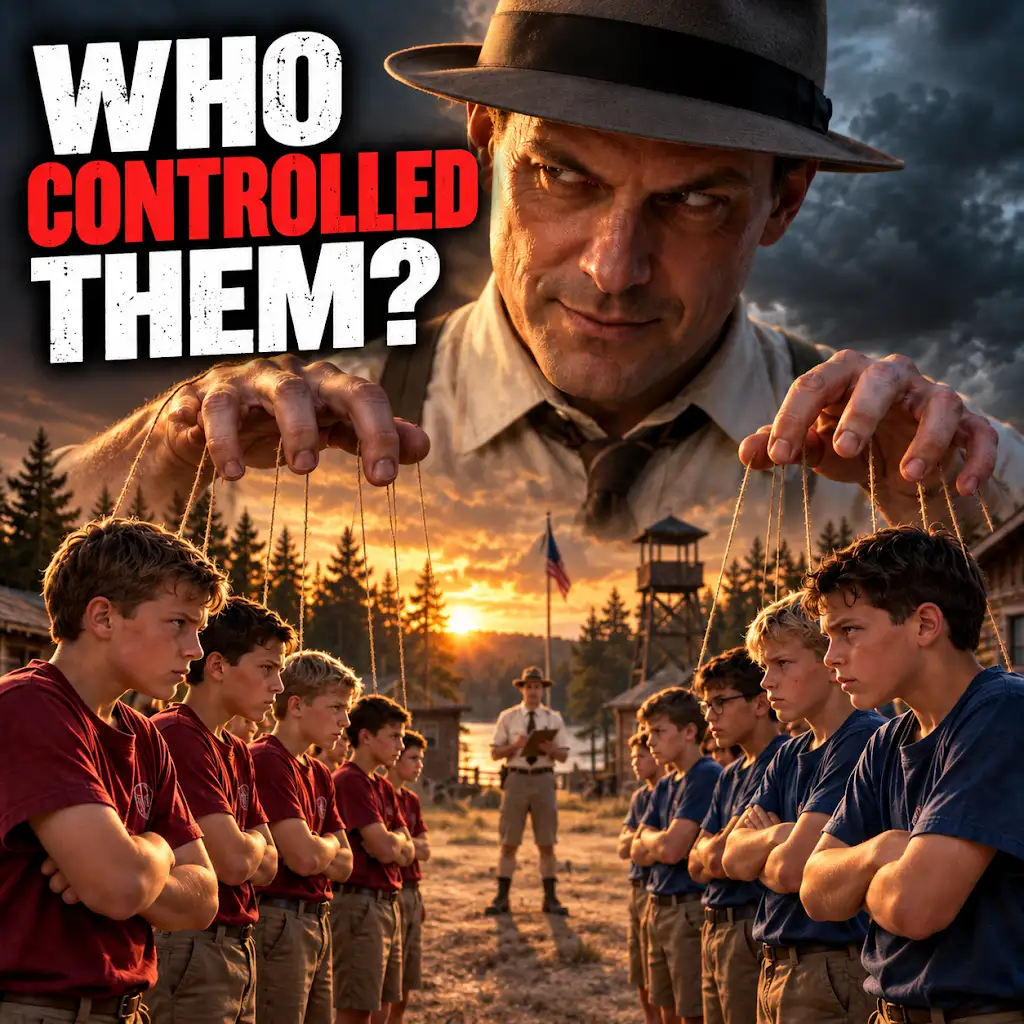
How 22 Boys Were Turned Into Enemies
FAQs
What was the Robbers Cave social psychology experiment?
The Robbers Cave experiment was a classic social psychology study conducted in 1954 by Muzafer Sherif and his colleagues. It aimed to investigate intergroup conflict and cooperation by observing how two groups of boys at a summer camp reacted to competition and cooperation tasks.
How was the Robbers Cave experiment conducted?
The experiment involved dividing 22 boys into two groups, the Eagles and the Rattlers, who were unaware of each other’s existence. The boys participated in various activities to bond within their groups before being introduced to each other and engaging in competitive tasks.
What were the main findings of the Robbers Cave experiment?
The study found that intergroup conflict emerged when the boys were pitted against each other in competitive tasks. Prejudice, stereotypes, and hostility developed between the groups. However, cooperation and positive intergroup relations were fostered when the boys had to work together to achieve common goals.
What were the implications of the Robbers Cave experiment?
The Robbers Cave experiment highlighted the role of intergroup competition in fostering conflict and hostility. It also demonstrated the potential for reducing prejudice and promoting cooperation through shared goals and intergroup cooperation.
What ethical concerns were raised by the Robbers Cave experiment?
Critics of the Robbers Cave experiment have raised ethical concerns about the psychological harm caused to the participants due to the manipulation of intergroup conflict. The study’s design and the deception involved in creating conflict between the boys have been questioned in terms of ethical research practices.