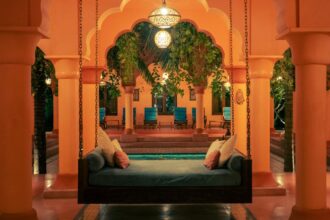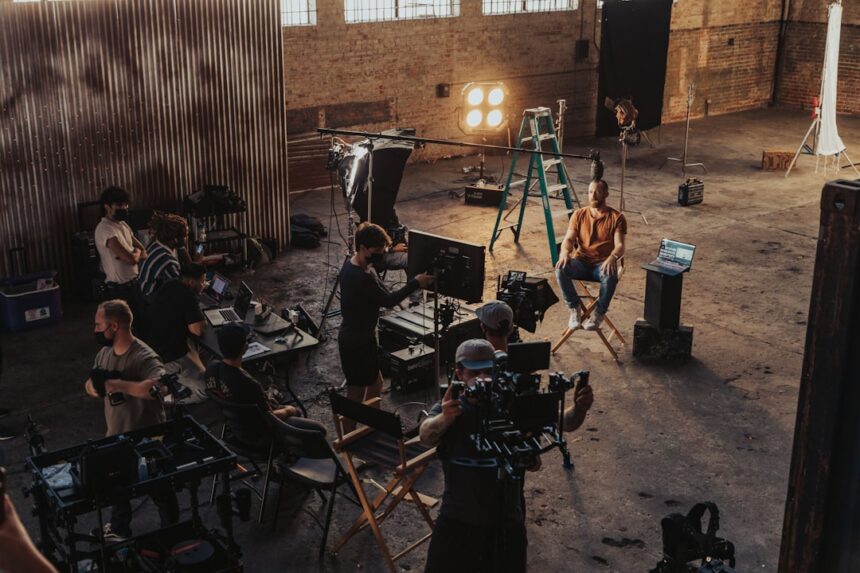
You often find yourself drawn to environments that possess a palpable sense of grandeur, a richness of detail that transcends the mundane. This isn’t merely a preference for the aesthetically pleasing; it’s an engagement with spaces that feel curated, meticulously crafted, much like a cinematic set. You step into these places, and an almost immediate transformation occurs. The ordinary hum of daily existence recedes, replaced by an amplified awareness of your surroundings. You might be in a grand hotel lobby, a historic château, or even a particularly opulent restaurant, but the sensation is consistent: you are no longer just observing; you are inhabiting a narrative.
The Architect of Atmosphere: Designing for Immersion
These glamorous surroundings are not accidental. They are the product of deliberate design, a carefully orchestrated symphony of elements intended to evoke a specific emotional and sensory response. Think of it as a director’s vision for a scene, where every prop, every lighting cue, every costume contributes to the overall feeling.
Visual Storytelling Through Architecture and Decor
The foundational layer of this allure lies in the architectural style and interior decoration. You notice the soaring ceilings, the intricate moldings, the rich wood paneling, or perhaps the minimalist, yet powerfully impactful, lines of a modern masterpiece. These are not just structural choices; they are visual cues that communicate history, status, or a particular aesthetic philosophy.
The Language of Materials
Observe the materials employed. You see the gleam of polished marble, the deep warmth of aged oak, the cool touch of brushed brass, or the shimmering texture of silk. Each material carries its own weight, its own associations. Marble speaks of permanence and classical ideals, while dark wood can suggest tradition and intellectualism. The way light interacts with these surfaces is also crucial, creating highlights and shadows that add depth and drama.
The Power of Palette and Texture
The color palette plays a significant role. You might encounter rich jewel tones that evoke a sense of opulence and indulgence, or muted, sophisticated neutrals that convey understated elegance. Textures are equally important. The plushness of velvet upholstery invites a tactile experience, while the crispness of fine linen offers a different kind of sensory input. The interplay of these elements creates a tactile and visual tapestry that envelops you.
Lighting: The Unseen Director
The lighting in these spaces is rarely an afterthought. It is a carefully managed element, often designed to sculpt the space and direct your gaze. You’ll find ambient lighting that washes the room in a soft glow, accent lighting that highlights specific features, and task lighting that serves a functional purpose but is often an art form in itself.
Creating Mood with Illumination
Consider how different lighting approaches influence your perception. A dimly lit room with strategically placed spotlights can create an intimate and mysterious atmosphere, while bright, diffused light can convey openness and modern sophistication. The color temperature of the light also matters, with warm tones often fostering a sense of comfort and luxury, and cooler tones promoting a feeling of crispness and clarity.
The Art of Shadow and Highlight
Shadows are just as vital as light in defining form and creating dimension. In well-designed glamorous spaces, shadows are not an absence of light but a deliberate tool used to add depth, to obscure certain details and emphasize others, thereby guiding your visual journey through the space.
If you’ve ever found yourself questioning why you feel like you’re living in a movie set, you might find insights in the article titled “Exploring the Illusion of Reality” on Unplugged Psych. This piece delves into the psychological phenomena that can make everyday life seem scripted or surreal, offering explanations that resonate with many individuals. To read more about this intriguing topic, visit the article here: Exploring the Illusion of Reality.
The Immersive Experience: Engaging the Senses
The allure of glamorous surroundings extends beyond the purely visual. These environments are designed to engage multiple senses, creating a holistic and immersive experience that makes you feel a part of something larger than yourself.
Auditory Ambiance: The Soundscape of Sophistication
The sound within these spaces contributes significantly to the overall feeling. You are unlikely to encounter jarring noises; instead, you might hear the gentle murmur of conversation, the soft clinking of glasses, or a curated playlist of calming or evocative music.
Music as a Narrative Element
Music, in particular, functions as a subtle narrative enhancer. A jazz trio in a dimly lit bar, a string quartet in a grand ballroom, or ambient electronic music in a contemporary lounge all contribute to the intended mood and narrative of the space. It’s a soundtrack to your experience, guiding your emotional response.
The Absence of Distraction
Often, the key to a sophisticated soundscape is not what you hear, but what you don’t hear. The absence of intrusive noises, the effective soundproofing, allows the chosen auditory elements to take center stage, contributing to a sense of peace and refinement.
Olfactory Allure: The Scent of Luxury
Fragrance is a potent, yet often subconscious, element in creating glamorous environments. A subtle, sophisticated scent can elevate the perception of a space, signaling cleanliness, luxury, and attention to detail.
Signature Scents and Their Associations
Many high-end establishments develop signature scents that become intrinsically linked to their brand and the experience they offer. You might encounter notes of sandalwood, amber, fresh linen, or subtle floral undertones. These fragrances are designed to be inviting and memorable.
The Psychological Impact of Aroma
The sense of smell has a direct link to the limbic system, the part of the brain associated with emotion and memory. A pleasant and well-chosen scent can therefore evoke feelings of relaxation, happiness, or even nostalgia, contributing to a positive and memorable experience.
The Personal Connection: Becoming Part of the Scene
When you find yourself in a glamorous setting, you don’t just observe it; you become a part of it. This is where the feeling of being on a movie set truly takes hold. You find yourself subtly adjusting your posture, your tone of voice, even your internal monologue, to match the perceived elegance of your surroundings.
The Role of Presentation
Your own presentation becomes intrinsically linked to the environment. You might find yourself choosing to wear an outfit that complements the sophistication of the space, or simply feeling more inclined to adopt a more refined demeanor. It’s a subconscious acknowledgment of the established aesthetic.
Dressing the Part
The act of dressing for such an occasion can be seen as a form of Method acting. You are preparing yourself to inhabit the role that the environment suggests. This doesn’t necessarily mean extravagant attire, but rather clothing that feels appropriate and allows you to move through the space with a sense of ease and belonging.
The Nuances of Behavior
The way you interact with the space and the people within it also shifts. Conversations might take on a more measured pace, gestures become more deliberate, and there’s a general sense of mindful presence. It’s as if the environment itself encourages a certain decorum.
The Narrative You Inhabit
These glamorous surroundings offer you a temporary escape from the everyday. They provide a backdrop against which you can imagine yourself in different roles, experiencing moments of heightened drama, romance, or intrigue. You are no longer a passive observer; you are an active participant in a curated reality.
Crafting Your Own Narrative
Within these settings, you have the opportunity to craft your own narrative. A quiet corner in a grand library can be a space for contemplation, a lavish dining table can be the setting for a significant conversation, and a balcony overlooking a cityscape can be a moment of personal reflection.
The Power of Placeholders
These spaces act as powerful placeholders for aspirational lifestyles or desired emotional states. They offer a tangible representation of what elegance, success, or serenity might look and feel like, allowing you to explore these concepts in a sensory manner.
The Psychology of Allure: Why We Are Drawn to Glamour
Understanding why these surroundings exert such a powerful pull is key to appreciating their allure. It’s not simply vanity; there are deep-seated psychological reasons for our fascination with glamour.
The Appeal of Aspiration and Status
Glamorous settings are often associated with success, wealth, and social standing. They can represent aspirational ideals, offering a glimpse into a world that many desire to be a part of, even if only for a brief period.
Social Signaling and Identity
Encountering and inhabiting glamorous spaces can be a form of social signaling. It can communicate one’s appreciation for quality, taste, and perhaps even one’s own perceived status or aspirations. It’s a way of aligning oneself with a particular image or narrative.
Escapism and Fantasy
For many, glamour offers a potent form of escapism. It provides a temporary departure from the ordinary, allowing for the indulgence of fantasy and the exploration of idealized realities. These spaces are often the physical manifestation of our daydreams.
The Innate Human Desire for Beauty and Order
There is a fundamental human appreciation for beauty, symmetry, and order. Glamorous environments are typically characterized by a high degree of aesthetic control and meticulous attention to detail, tapping into this innate desire.
The Fascination with Craftsmanship
The visible craftsmanship and the high quality of materials used in opulent settings are often captivating. It speaks to a dedication to excellence and a commitment to creating something beautiful and enduring, which humans naturally find appealing.
The Comfort of Predictability and Control
While glamorous settings can feel dramatic, they also often convey a sense of control and predictability. The curated nature of these environments means that elements are in their designated places, contributing to a feeling of order and aesthetic harmony that can be comforting.
Feeling like you are on a movie set can often be linked to a sense of disconnection from reality or an overwhelming awareness of your surroundings. This phenomenon may stem from various psychological factors, including stress or anxiety, which can distort your perception of everyday life. For a deeper understanding of these feelings, you might find it helpful to explore a related article on the topic of perception and reality at Unplugged Psych. This resource offers insights into how our minds interpret experiences and can help clarify why you might feel as though you are living in a cinematic world.
The Enduring Legacy: The Cinematic Influence and Iconic Spaces
The feeling of being on a movie set isn’t just a metaphor; it’s deeply rooted in the pervasive influence of cinema. Films have long utilized glamorous settings to convey character, plot, and mood, shaping our collective understanding and desire for such environments.
The Silver Screen’s Blueprint for Grandeur
From the Art Deco opulence of films like The Great Gatsby to the modern sleekness of spy thrillers, cinema has consistently showcased luxurious locations. These depictions have become ingrained in our cultural consciousness, establishing a visual lexicon for glamour.
Iconic Filming Locations and Their Allure
Many real-world locations have gained iconic status due to their appearances in famous films. These destinations, whether historic hotels, grand estates, or specific architectural landmarks, benefit from the reflected glory of the movies they hosted. Your visit to such a place can feel like stepping directly into a familiar scene.
The Power of Visual Association
When you encounter a space that resembles a setting from a beloved film, there’s an immediate emotional resonance. The visual cues trigger memories and feelings associated with the movie, amplifying the sense of enchantment and immersion.
The Creation of Modern Havens of Glamour
Beyond film, the hospitality industry, luxury retail, and even urban planning have adopted principles of cinematic design to create engaging and desirable environments. These spaces are consciously crafted to evoke a sense of occasion and escape.
Hotels as Stages for Urban Life
Luxury hotels, in particular, often function as sophisticated stages for urban life. Their lobbies, bars, and restaurants are designed to be destinations in themselves, offering a curated experience that blends comfort, style, and a touch of the extraordinary.
The Rise of Experiential Design
The trend towards experiential design means that businesses are increasingly focusing on creating memorable and immersive environments. The goal is to offer more than just a product or service, but a complete sensory and emotional engagement. You are not just buying a coffee; you are experiencing a particular kind of café culture.
You step into these glamorous surroundings, and for a time, you are transported. You are the protagonist in a scene, the character whose presence is acknowledged and amplified by the carefully constructed world around you. The allure lies not just in the beauty, but in the narrative potential, the sensory richness, and the profound psychological resonance that these meticulously crafted environments evoke. You are, quite literally, feeling like you’re on a movie set.

WATCH NOW ▶️ SHOCKING: Why Your “Intuition” Is Actually a Prediction Error
FAQs

1. What does it mean to feel like a movie set?
Feeling like a movie set often refers to the sensation that one’s surroundings or experiences are staged, artificial, or surreal, as if life is scripted or controlled like a film production.
2. What psychological factors can cause someone to feel like they are on a movie set?
This feeling can be linked to dissociation, depersonalization, or derealization, where individuals feel detached from reality or perceive their environment as unreal or fabricated.
3. Can stress or anxiety contribute to feeling like life is a movie set?
Yes, high levels of stress or anxiety can trigger sensations of unreality or detachment, making a person feel as though they are observing life from outside themselves, similar to being on a movie set.
4. Are there any medical conditions associated with feeling like a movie set?
Certain mental health conditions, such as depersonalization-derealization disorder, schizophrenia, or severe anxiety disorders, may cause individuals to experience feelings of unreality or that their environment is staged.
5. How can someone cope with or address the feeling of being on a movie set?
Coping strategies include grounding techniques, mindfulness, seeking support from mental health professionals, and, if necessary, treatment for underlying conditions like anxiety or dissociative disorders.