You’ve likely experienced it. That gnawing sensation, perhaps subtle at first, that the constant hum of connection is beginning to wear thin. The endless notifications, the performative social rituals, the pressure to always be on. You might find yourself yearning for a different kind of space, a deliberate quietude that isn’t born of circumstance but of conscious choice. This is where the concept of choosing solitude, of embracing intentional isolation, enters the picture. It’s not about shutting out the world entirely, but rather about stepping back, stepping inward, and recalibrating your relationship with yourself and your environment.
Before you delve further into the practice of intentional isolation, it’s crucial to differentiate it from its often-confused counterpart: loneliness. Loneliness is an involuntary state of distress, a feeling of being disconnected and unwanted. It carries a negative emotional charge, a yearning for connection that feels unmet. You might feel lonely in a crowded room, overwhelmed by the gulf between your inner state and the outward social tapestry. Solitude, on the other hand, is a chosen state of being alone, a deliberate withdrawal from social interaction that can be profoundly enriching. It’s a space you create, a sanctuary you inhabit, and it’s characterized by a sense of peace and self-possession, not depletion.
The Distinction from Social Anxiety
While social anxiety can lead to avoidance of social situations, its roots are in fear and a distorted perception of others’ judgment. Choosing solitude is not driven by fear, but by a desire for a specific kind of restorative experience. You are not avoiding people because you are afraid of them; you are seeking a period of introspection that social interaction, however benign, can interrupt.
Solitude as a Tool, Not a Punishment
Think of solitude not as a punishment for perceived social failings, but as an active tool for self-care and personal growth. Just as you might intentionally schedule exercise to strengthen your body, you can intentionally schedule solitude to strengthen your mind and spirit.
In exploring the nuances of intentional solitude versus fear-based hiding from society, it is essential to consider the insights provided in the article on the Unplugged Psych website. This resource delves into the psychological aspects of choosing solitude for personal growth and reflection, contrasting it with the avoidance behaviors that stem from anxiety and fear. For a deeper understanding of these concepts, you can read more in the article available at Unplugged Psych.
The Rationale Behind Intentional Isolation
Why would you choose to be alone when the modern world relentlessly pushes for connection? The reasons are as varied as the individuals who seek it. At its core, intentional isolation offers a respite from the demands of external validation. When you are constantly interacting with others, much of your energy is directed towards interpreting their cues, meeting their expectations, and maintaining your social persona. Stepping away from this allows you to reclaim that energy and redirect it inward.
Reclaiming Mental Bandwidth
The constant barrage of communication, information, and social obligations can overwhelm your cognitive resources. Choosing solitude provides a much-needed period of mental decompression. It allows your brain to process information without the immediate pressure of response, to simply be without the imperative to do for others. This can lead to improved focus, clarity, and a reduction in mental fatigue.
Cultivating Self-Awareness Through Quiet Observation
When you are not actively engaged in conversation or performing social roles, you create the space for genuine self-observation. You can begin to notice your own thoughts, feelings, and reactions without the filter of external influence. This quiet observation is the bedrock of self-awareness. You start to understand your patterns, your triggers, your values, and your desires with a clarity that is often obscured in the cacophony of social life.
Breaking Free from External Pressures
The pressure to conform, to achieve certain milestones, or to present a particular image can be immense. Intentional isolation provides an opportunity to momentarily escape these pressures. Without the gaze of others, you are free to explore your own desires and priorities without the immediate need for their approval or judgment. This can be liberating and can lead to a more authentic understanding of your own path.
The Practicalities of Embracing Solitude

Choosing solitude isn’t about disappearing to a remote cabin indefinitely, though for some, that might be the ultimate expression. It’s about integrating moments of deliberate aloneness into your life, in ways that are both manageable and meaningful for you. The key is intention – a conscious decision to carve out this time and space.
Defining Your Solitude Needs
Your needs for solitude will be unique. Some might find an hour each day sufficient to recharge, while others might require a full weekend or even an extended period each year. Consider what feels truly restorative for you. Is it a visual quiet, a lack of spoken words, or a complete absence of external stimuli? Identifying your specific needs will guide your choices in implementing intentional isolation.
Establishing Boundaries in Your Social Life
This is perhaps the most critical practical step. You don’t need to become a hermit to choose solitude. It often involves setting clear, firm boundaries with existing social connections. This might mean politely declining invitations more often, communicating your need for downtime, or creating specific “no-contact” periods. It’s about communicating your needs clearly and confidently, ensuring that your chosen solitude is respected.
Creating Your Personal Sanctuary
Your sanctuary doesn’t have to be elaborate. It could be a quiet corner of your home, a favorite park bench, or even just your headphones and a good book on a bus commute. The physical space should feel conducive to introspection and peace. Consider what elements contribute to your sense of calm – natural light, comfortable seating, minimal clutter, perhaps certain scents or sounds.
The Role of Technology in Intentional Isolation
Technology can be both a friend and an foe to solitude. While notifications can interrupt your chosen quiet, technology can also be used to facilitate it. You might use an app to schedule “do not disturb” periods, listen to calming music, or engage in digital journaling. The key is to use technology mindfully, ensuring it serves your purpose of solitude rather than sabotaging it.
The Benefits of Deliberate Aloneness
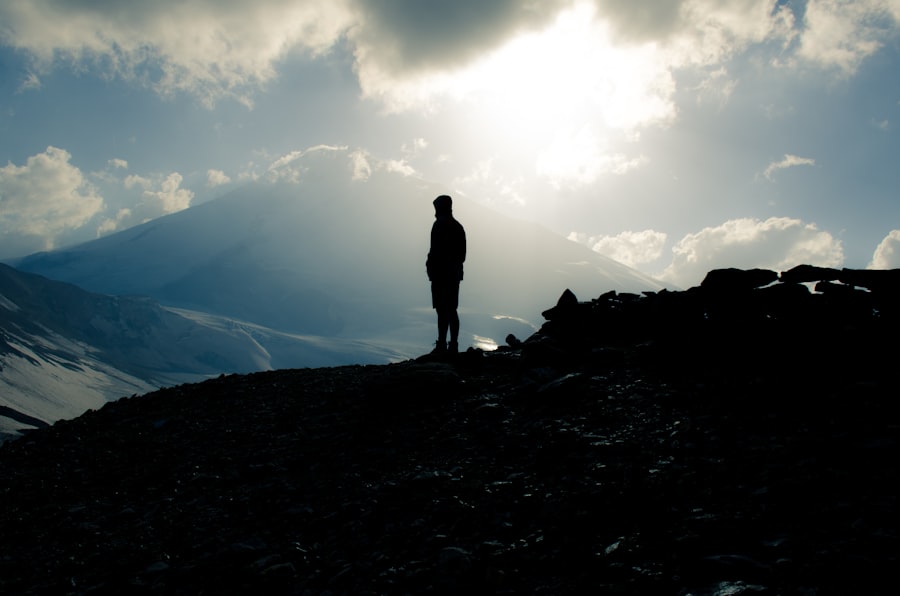
The rewards of embracing intentional isolation are multifaceted and deeply personal. They extend beyond mere relaxation and can lead to significant shifts in your perspective and well-being. When you create space for yourself, you allow for the seeds of growth to take root.
Enhanced Creativity and Problem-Solving
When your mind is not constantly reacting to external stimuli, it has the space to wander, to connect disparate ideas, and to engage in deeper, more imaginative thought processes. Many groundbreaking ideas and creative breakthroughs have emerged from periods of focused introspection. You might find yourself approaching challenges with a fresh perspective, unburdened by the conventional wisdom that often emerges from groupthink.
Deeper Self-Understanding and Inner Wisdom
As mentioned earlier, solitude is a powerful catalyst for self-awareness. By observing your own thoughts and emotions without immediate social commentary, you begin to understand your motivations, your fears, and your deepest desires. This increased self-knowledge can guide your decisions, strengthen your relationships, and lead to a more authentic and fulfilling life. You begin to trust your own inner compass.
Increased Resilience and Emotional Regulation
When you spend time alone, you learn to rely on yourself for emotional support and regulation. You develop the capacity to sit with difficult emotions, to understand their origins, and to process them independently. This builds a stronger internal foundation, making you less susceptible to external pressures and more adept at navigating the inevitable challenges of life with grace and composure. You learn to be your own anchor.
A Renewed Appreciation for Connection
Paradoxically, choosing solitude can lead to a more profound appreciation for social connection when you do decide to re-engage. When you return from a period of intentional isolation, you often do so with a clearer mind and a refreshed spirit. The interactions you have can feel more meaningful, more deliberate, and less like an obligation. You are able to offer your presence more fully and authentically.
In exploring the nuances of intentional solitude versus fear-based hiding from society, one can gain valuable insights from the article on the Unplugged Psych website. This piece delves into the psychological implications of choosing to be alone for personal growth rather than retreating due to anxiety or social pressures. By understanding these differences, individuals can better navigate their own experiences with solitude. For further reading, you can check out the article here.
Navigating the Perceived Downsides
| Comparison | Intentional Solitude | Fear-Based Hiding from Society |
|---|---|---|
| Definition | Choosing to be alone for personal growth or reflection | Avoiding social interaction due to fear or anxiety |
| Impact on Mental Health | Potential for increased self-awareness and clarity | May lead to feelings of isolation and loneliness |
| Reasons | Seeking inner peace, creativity, or spiritual growth | Escaping judgment, rejection, or past trauma |
| Outcome | Empowerment and self-discovery | Continued fear and avoidance of social situations |
It’s important to acknowledge that embracing intentional isolation can come with its own set of challenges and societal perceptions. The world often equates busyness and constant social engagement with success and well-being. Stepping outside of this norm might elicit questions or even judgment from others.
Addressing the Stigma of Being “Alone”
Society often carries a stigma around being alone, associating it with failure or social inadequacy. You might encounter people who misinterpret your need for solitude as a sign of being anti-social or unhappy. It’s imperative to understand that your choice is about empowerment, not exclusion. You can gently educate those around you about the benefits of intentional isolation for your own well-being.
Avoiding the Trap of Isolation Becoming Loneliness
The line between healthy solitude and unhealthy isolation can become blurred if not carefully managed. If your chosen solitude begins to feel like a burden, a source of distress, or an inability to connect when you genuinely desire to, then it has likely tipped into loneliness. Regular self-assessment and a conscious decision to re-engage when needed are crucial safeguards.
The Importance of Re-Engagement Strategies
Choosing solitude doesn’t mean permanent withdrawal. It involves mindful re-engagement. Develop strategies for returning to social life that feel comfortable and authentic. This might involve starting with smaller, more intimate gatherings or focusing on activities that genuinely interest you, rather than feeling obligated to attend every social event. You are in control of the rhythm of your connection.
Embracing intentional solitude is an act of self-advocacy. It’s a quiet revolution against the constant demand for external engagement. By choosing to step back, to create your own space, and to listen to your inner voice, you empower yourself. You cultivate a richer inner life, a deeper understanding of who you are, and a more authentic way of navigating the world. It’s not about rejecting society, but about choosing yourself, for a more grounded, creative, and ultimately, more fulfilling existence.
FAQs
What is intentional solitude?
Intentional solitude refers to the conscious choice to spend time alone for self-reflection, relaxation, and personal growth. It is a deliberate decision to seek solitude as a means of recharging and connecting with oneself.
What are the benefits of intentional solitude?
Intentional solitude can provide individuals with the opportunity to gain clarity, reduce stress, enhance creativity, and cultivate a deeper sense of self-awareness. It can also allow for introspection and the development of a stronger sense of independence.
How does fear-based hiding from society differ from intentional solitude?
Fear-based hiding from society is characterized by a desire to avoid social interaction out of anxiety, insecurity, or a sense of inadequacy. It is driven by a fear of judgment or rejection, whereas intentional solitude is a proactive choice made for personal enrichment.
What are the potential negative effects of fear-based hiding from society?
Fear-based hiding from society can lead to feelings of isolation, loneliness, and a lack of social support. It may also contribute to the exacerbation of anxiety and depression, as well as hinder personal growth and the development of meaningful relationships.
How can individuals strike a balance between intentional solitude and fear-based hiding from society?
Individuals can strike a balance by recognizing the difference between intentional solitude as a healthy practice and fear-based hiding as a coping mechanism. Seeking professional help, practicing self-compassion, and gradually exposing oneself to social situations can also help in overcoming the fear of society.