
The human experience is profoundly shaped by fear. From the primal instinct to flee from danger to the more complex anxieties that color our daily lives, fear is a powerful motivator and a fundamental aspect of our psychological landscape. Understanding the origins and mechanisms of this emotion is crucial, and classical conditioning offers a compelling framework for explaining how many of our fears develop. This psychological phenomenon, first elucidated by Ivan Pavlov, demonstrates how associations can be formed between neutral stimuli and aversive experiences, leading to the automatic and involuntary fear response.
The foundational work of Ivan Pavlov stands as a cornerstone in our understanding of how learning occurs through association. Pavlov, a Russian physiologist, was initially studying the digestive systems of dogs when he observed a peculiar phenomenon. He noticed that his canine subjects began to salivate not only at the sight or smell of food but also at stimuli that had become consistently associated with feeding. This unexpected observation led him to investigate the principles of associative learning.
The Unconditioned Stimulus and Response: Innate Reactions
At the heart of classical conditioning lies the concept of the unconditioned stimulus (UCS) and the unconditioned response (UCR). The UCS is a stimulus that naturally and automatically elicits a response without any prior learning. In Pavlov’s experiments, food was the UCS. The sight, smell, or taste of food would reliably trigger a physiological reaction. This reaction, the UCR, is an innate, unlearned reflex. For the dogs, salivation in response to food was the UCR. These are the biological predispositions that allow organisms to react to their environment in ways that promote survival. Think of blinking when an object suddenly approaches your eye – that’s an unconditioned response to a potentially harmful stimulus.
Introducing the Conditioned Stimulus: The Power of Association
The magic of classical conditioning unfolds when a neutral stimulus (NS) is introduced. An NS is a stimulus that, initially, does not elicit any significant response relevant to the UCR. In Pavlov’s experiments, a bell was an NS. The sound of the bell, on its own, did not cause the dogs to salivate. However, through repeated pairing with the UCS (food), the NS began to acquire the ability to elicit the response. This process is known as acquisition.
The Acquisition Phase: Building the Link
The acquisition phase is where the learning takes place. The neutral stimulus is presented just before, or simultaneously with, the unconditioned stimulus. For example, Pavlov would ring the bell (NS) and then immediately present the food (UCS). This pairing would be repeated numerous times. During this process, the dogs began to associate the sound of the bell with the impending arrival of food. Their brains started to form a neural connection between these two events. The NS, through its consistent association with the UCS, gradually transforms into a conditioned stimulus (CS).
The Emergence of the Conditioned Response: A Learned Fear
Once the association is established, the conditioned stimulus (the formerly neutral stimulus) is capable of eliciting a response on its own. This learned response is called the conditioned response (CR). In Pavlov’s experiments, after repeated pairings of the bell (CS) and food (UCS), the dogs began to salivate at the sound of the bell alone. The CR, salivation in this case, is often very similar to the UCR, but it is now triggered by a stimulus that was not inherently capable of producing that response. This demonstrates that a new, learned association has been formed. The bell, which was once neutral, now elicits a physiological response, showcasing the power of learning through association. This principle is not limited to salivation; it extends to a wide range of emotional and physiological reactions, including fear.
Classical conditioning plays a significant role in the development of learned fear, as demonstrated in various psychological studies. For a deeper understanding of this concept, you can explore the article that discusses the mechanisms behind classical conditioning and its implications for learned fear responses. This article provides valuable insights into how associations are formed and how they can influence behavior. To read more, visit this link.
Learned Fear: The Dark Side of Association
The principles of classical conditioning are not merely academic curiosities; they have profound implications for understanding human behavior, particularly the development of fears and phobias. Many of our anxieties are not innate but are acquired through experiences that link neutral situations or objects with frightening or aversive events.
The Little Albert Experiment: A Landmark in Learned Fear
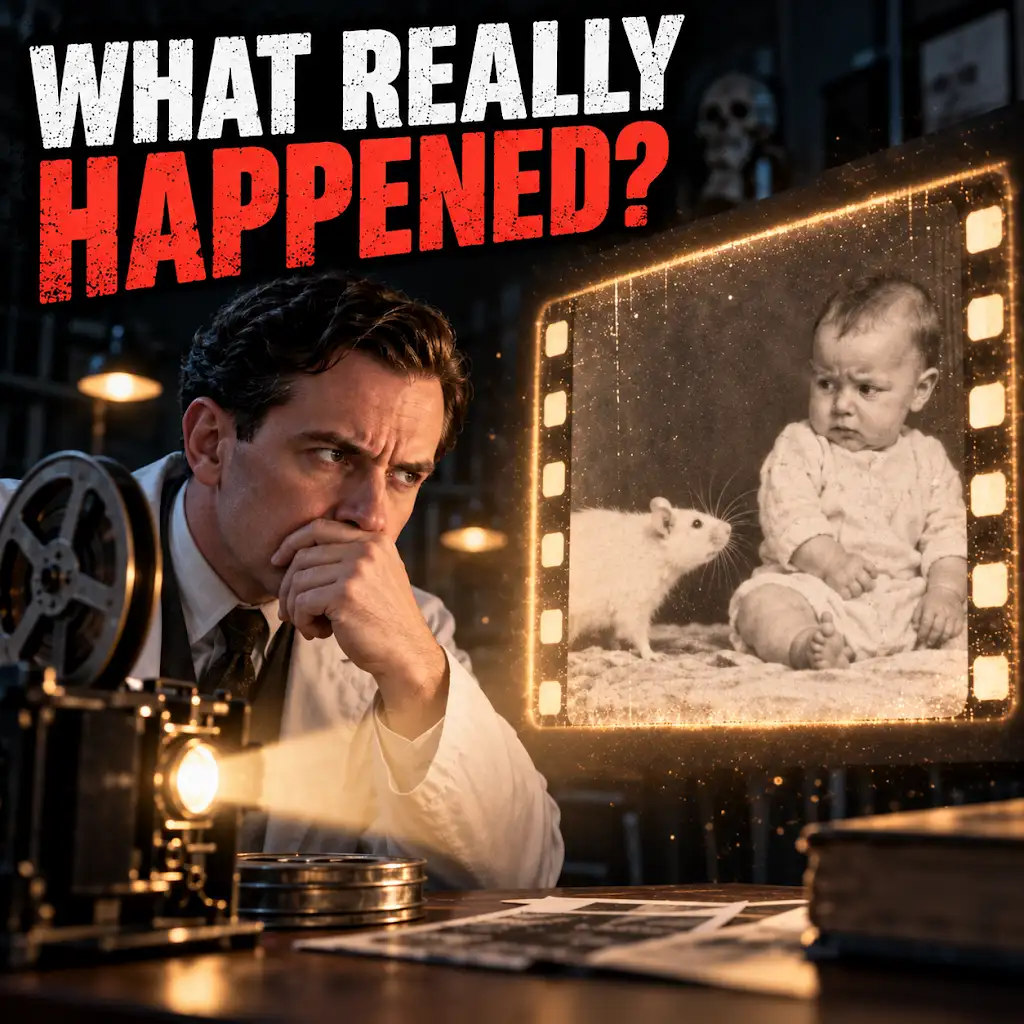
One of the most famous and ethically controversial demonstrations of learned fear in humans is the “Little Albert” experiment conducted by John B. Watson and Rosalie Rayner in 1920. They aimed to show that fear could be conditioned in infants. Little Albert, an 11-month-old boy, was initially fearless of a white rat.
Conditioning a Fear Response: The Hammer and the Rat
Watson and Rayner began by presenting Albert with the white rat (NS). As Albert reached for the rat, a loud, startling noise was made by striking a steel bar with a hammer (UCS). This loud noise naturally caused Albert to cry and show signs of fear (UCR). This pairing was repeated several times.
Generalization of Fear: The Spread of Anxiety
Following the conditioning trials, Albert began to show fear of the white rat even when the loud noise was not present. The rat had become a conditioned stimulus (CS), eliciting a fear response (CR) in Albert. Crucially, Watson and Rayner observed that Albert’s fear also generalized to other furry objects, such as a rabbit, a dog, and even a fur coat, demonstrating that the learned fear was not limited to the original conditioned stimulus but could extend to similar stimuli. This phenomenon of generalization is a key aspect of how fears can become widespread and impact an individual’s life beyond the specific initial triggering event.
Phobias: Extreme and Irrational Fears
Phobias are characterized by intense, irrational fears of specific objects or situations. Classical conditioning provides a powerful explanation for their development. Imagine a child who has a frightening experience with a dog, perhaps being barked at aggressively or knocked over. The fear and distress experienced during this event (UCR) become associated with the dog (UCS). Subsequently, the sight or even the thought of a dog (CS) can trigger a conditioned fear response (CR), leading to avoidance behavior and anxiety. Over time, this learned fear can develop into a full-blown phobia, such as cynophobia (fear of dogs). The intensity of the initial UCS and the emotional impact of the experience play significant roles in the strength of the conditioned fear.
The Mechanisms of Fear: Physiological and Psychological Components

Fear is not just a mental state; it is a complex interplay of physiological and psychological responses. Classical conditioning highlights how a neutral stimulus can become a trigger for these intricate processes.
The Autonomic Nervous System: The Body’s Alarm System
When a fear response is triggered, whether it’s an innate reaction to danger or a learned response to a conditioned stimulus, the autonomic nervous system (ANS) kicks into high gear. The sympathetic nervous system, in particular, mobilizes the body for “fight or flight.”
Fight or Flight: The Body’s Preparedness
This includes a cascade of physiological changes: an increase in heart rate, faster breathing, dilated pupils, sweating, and the release of adrenaline and cortisol. These changes prepare the body to either confront the perceived threat or escape from it. For someone with a phobia of heights, the mere thought of standing on a tall building can activate this sympathetic nervous system response, leading to dizziness, trembling, and a racing heart. The conditioned stimulus (heights) has effectively become a trigger for the body’s primal alarm system.
Cognitive Appraisal: The Interpretation of Threat
Beyond the physiological responses, cognitive appraisal plays a crucial role in the experience of fear. Our brains interpret the situation and the stimuli present, deciding whether a threat is imminent. In classical conditioning, the conditioned stimulus itself becomes interpreted as a threat because of its learned association with an aversive event.
The Role of Memory and Expectation
Memories of the original traumatic or frightening experience are activated, leading to anticipatory anxiety. A person who experienced a car accident might develop a fear of driving. The act of driving (CS) becomes associated with the trauma (UCS). Now, even before getting into the car, the individual may experience anxiety, anticipating the possibility of another accident. This anticipation is driven by the learned association and the cognitive appraisal that driving is inherently dangerous.
Extinction and Recovery: Modifying Learned Fears

While classical conditioning can explain the acquisition of fears, it also offers pathways for their modification and even elimination. The concepts of extinction and spontaneous recovery shed light on how these learned associations can be weakened or re-emerge.
Extinction: Weaning the Association
Extinction occurs when the conditioned stimulus is presented repeatedly without the unconditioned stimulus. In the case of Pavlov’s dogs, if the bell was rung many times without any food being presented, the dogs would eventually stop salivating at the sound of the bell. The learned association between the bell and food would weaken.
Therapeutic Applications: Facing the Fear
In the context of learned fear and phobias, extinction is a key principle behind exposure therapy. Individuals are gradually exposed to the feared stimulus (CS) in a safe and controlled environment, without the aversive consequence (UCS) that was originally paired with it. For example, someone with a fear of public speaking might be asked to speak in front of a small group of supportive friends. By repeatedly engaging in this behavior without experiencing the feared outcome (e.g., severe embarrassment or professional ruin), the association between public speaking and negative consequences can be weakened, leading to a reduction in fear.
Spontaneous Recovery: The Lingering Echoes of Fear
Interestingly, even after extinction, a learned fear response can sometimes reappear. This phenomenon is known as spontaneous recovery. If, after a period of extinction, the conditioned stimulus is presented again, the conditioned response may be elicited, albeit usually less intensely than before. This suggests that the original learned association is not entirely erased but rather suppressed.
Understanding Relapse and Reinforcement
Spontaneous recovery can help explain why individuals in therapy might experience a temporary resurgence of their fears. It underscores the importance of continued practice and reinforcement of new, less fearful associations. In some cases, a single negative experience after a period of remission can re-activate the old learned response, highlighting the enduring power of the initial conditioning.
Classical conditioning plays a significant role in the development of learned fear, as demonstrated in various psychological studies. For a deeper understanding of how these processes work, you can explore an insightful article on this topic at Unplugged Psych. The article delves into the mechanisms behind fear responses and how they can be conditioned through experiences, shedding light on the intricate relationship between learning and emotional responses.
Beyond Basic Conditioning: Higher-Order Conditioning and Applications
| Metric | Description | Typical Measurement | Example Value |
|---|---|---|---|
| Conditioned Stimulus (CS) | Neutral stimulus paired with unconditioned stimulus to elicit learned response | Type of stimulus used (e.g., tone, light) | Tone at 1000 Hz |
| Unconditioned Stimulus (US) | Stimulus that naturally elicits an unconditioned response | Type and intensity of stimulus | Electric shock, 0.5 mA |
| Conditioned Response (CR) | Learned response to the conditioned stimulus | Behavioral or physiological response | Freezing behavior, 70% duration |
| Acquisition Rate | Speed at which the conditioned response is learned | Number of CS-US pairings to reach criterion | 5 pairings |
| Extinction Rate | Speed at which the conditioned response diminishes when CS is presented alone | Number of CS-alone trials to reduce CR by 50% | 10 trials |
| Generalization Gradient | Degree to which stimuli similar to CS elicit CR | Response strength across stimulus variations | 70% at 1000 Hz, 40% at 900 Hz |
| Spontaneous Recovery | Reappearance of CR after extinction and rest period | Percentage increase in CR after rest | 30% increase after 24 hours |
| Physiological Measures | Indicators such as heart rate or skin conductance during conditioning | Change from baseline | Heart rate increase by 15 bpm |
The principles of classical conditioning extend beyond simple pairings of two stimuli. Concepts like higher-order conditioning demonstrate the complex layering of learned associations.
Higher-Order Conditioning: Building on Existing Associations
Higher-order conditioning occurs when a conditioned stimulus becomes associated with another stimulus, which then elicits a conditioned response. Imagine a dog has been conditioned to salivate to a bell. If a light is now consistently paired with the bell, the light can eventually elicit salivation as well, even without the bell being present. The bell, already a CS, now acts as a UCS for the new conditioning.
The Pervasiveness of Learned Associations
This concept illustrates how complex chains of learned associations can be formed, influencing our responses to a wide array of stimuli. In human behavior, this could mean that a particular brand of toothpaste (originally conditioned to be pleasant through marketing associating it with a happy lifestyle) might become associated with a dentist’s office (a potentially anxiety-provoking place). This could lead to a subtle aversion to that toothpaste, even if it was initially liked.
Applications in Therapy and Marketing: Shaping Behavior
The principles of classical conditioning have wide-ranging applications, extending far beyond the laboratory. In clinical psychology, therapeutic interventions like systematic desensitization, aversion therapy, and exposure therapy are all rooted in classical conditioning. These techniques aim to modify maladaptive learned responses, including fears, anxieties, and addictive behaviors.
Marketing and Advertising: The Art of Association
In the realm of marketing and advertising, classical conditioning is a powerful tool. Advertisers frequently pair their products with positive stimuli, such as attractive people, enjoyable music, or desirable lifestyles, to create positive associations in the minds of consumers. A car advertisement featuring a sleek vehicle driving through a scenic landscape with upbeat music aims to condition feelings of freedom, adventure, and success to the brand of car. This learned association can influence purchasing decisions, even if the consumer doesn’t consciously recognize the conditioning process. The persistent repetition of these associations in advertisements shapes our perceptions and preferences, demonstrating that classical conditioning plays a significant role in shaping our consumer behavior and, by extension, aspects of our daily lives. Understanding these mechanisms allows for a deeper appreciation of how our emotional landscape is sculpted by the learning processes that occur throughout our lives.
The Little Albert Experiment May Not Have Worked
FAQs
What is classical conditioning?
Classical conditioning is a type of learning in which a neutral stimulus comes to elicit a response after being paired with a stimulus that naturally elicits that response.
How does classical conditioning contribute to learned fear?
Classical conditioning plays a significant role in the development of learned fear by associating a neutral stimulus with a fear-inducing stimulus, leading to the neutral stimulus eliciting fear on its own.
Can classical conditioning lead to the extinction of learned fear?
Yes, classical conditioning can lead to the extinction of learned fear by repeatedly presenting the conditioned stimulus without the fear-inducing stimulus, resulting in a decrease or elimination of the fear response.
What are some real-life examples of classical conditioning and learned fear?
Examples of classical conditioning and learned fear include associating a loud noise with a specific location, leading to fear of that location, or associating a specific smell with a traumatic event, resulting in fear when encountering that smell.
How is classical conditioning used in treating phobias and anxiety disorders?
Classical conditioning is utilized in treating phobias and anxiety disorders through exposure therapy, where individuals are gradually exposed to the feared stimulus in a safe environment to help them overcome their fear response.