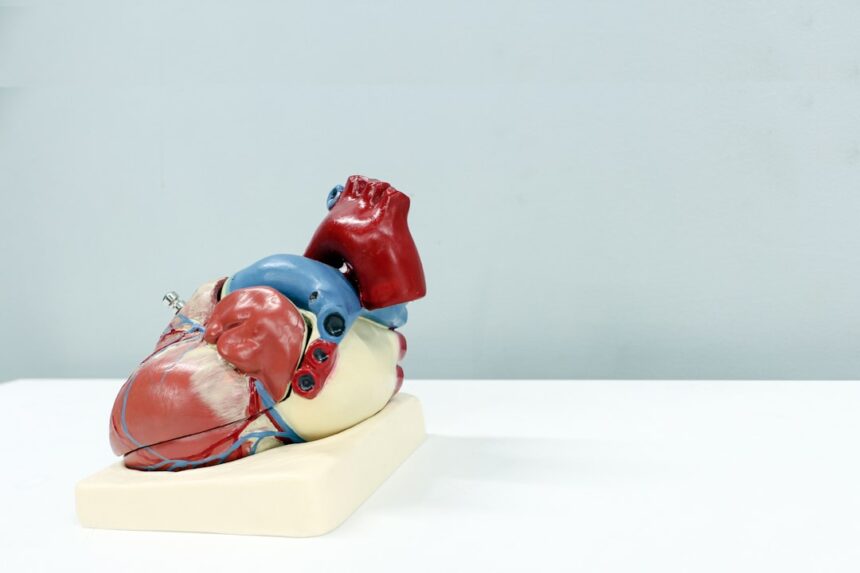
You often find yourself erecting invisible walls, don’t you? A subtle hesitation before sharing a thought, a practiced deflection when personal questions arise. This isn’t a failing; it’s the intricate dance of your brain’s emotional self-protection, a phenomenon rooted deeply in your neurobiology. Your “guarded heart” is not a sign of coldness, but a testament to a highly evolved system designed to safeguard your well-being. Understanding the neural underpinnings of this guard can illuminate your experiences and empower you to navigate your emotional landscape with greater awareness.
At the core of your emotional self-protection lies a tiny, almond-shaped structure deep within your temporal lobes: the amygdala. This primitive region acts as your brain’s early warning system, constantly scanning your environment – both external and internal – for potential threats. When it perceives danger, whether it’s a perceived social slight, a memory of past hurt, or even an anticipated future challenge, it springs into action.
When the Alarm Bell Rings: The Amygdala’s Rapid Response
The Salience Network: Noticing What Matters (and What Might Hurt)
Your brain doesn’t operate in isolation. A complex network of regions works in concert to manage your emotional responses. The salience network, a crucial player in this ensemble, is responsible for identifying and prioritizing stimuli that are most relevant to your survival and well-being, including potential emotional threats. This network, involving areas like the anterior cingulate cortex (ACC) and the insula, helps you become acutely aware of internal states and external cues that signal a need for caution. The insula, in particular, plays a significant role in interoception – your perception of your body’s internal state. When your amygdala flags a potential threat, the insula might register a tightening in your chest or a knot in your stomach, further reinforcing the signal for self-protection. The ACC, on the other hand, is involved in monitoring for conflicts and errors, signaling when your current behavior might lead to undesirable emotional outcomes, prompting you to withdraw or defend.
The Role of Past Experiences: Memory Consolidation and Amygdala Priming
Your amygdala doesn’t just react to immediate stimuli; it’s deeply influenced by your past. Traumatic experiences or repeated instances of emotional pain can hypersensitize your amygdala. This means that even subtle cues that resemble past threats can trigger a robust defensive response. The hippocampus, responsible for forming and retrieving memories, works closely with the amygdala to consolidate emotional memories. This partnership ensures that you learn to associate certain situations or people with past negative experiences, allowing your amygdala to be “primed” for a quicker, more automatic defensive reaction in the future. This learned association is a fundamental aspect of your emotional architecture, shaping how you approach new interactions.
The neurobiology of the guarded heart is a fascinating topic that explores how our emotional experiences and past traumas can shape our physiological responses and interpersonal relationships. For a deeper understanding of this subject, you can refer to a related article that delves into the intricacies of emotional regulation and the brain’s response to vulnerability. To read more about this, visit Unplugged Psych, where you can find valuable insights into the connection between neuroscience and emotional well-being.
The Prefrontal Cortex: The Executive of Restraint
While the amygdala is the alarm, the prefrontal cortex (PFC) is the voice of reason, the executive function that attempts to regulate and modulate the amygdala’s immediate, often impulsive, reactions. This region, located at the front of your brain, is responsible for higher-order cognitive functions, including planning, decision-making, impulse control, and social cognition. The interplay between your amygdala and PFC is critical in determining the strength and nature of your guardedness.
The Orbitofrontal Cortex: Navigating Social Cues and Risk Assessment
The Ventromedial Prefrontal Cortex: Evaluating Value and Making Choices
The Dorsolateral Prefrontal Cortex: Inhibiting Impulses and Directing Attention
The dorsolateral prefrontal cortex (DLPFC) is your seat of executive control. It’s responsible for working memory, cognitive flexibility, and the ability to inhibit inappropriate responses. When your amygdala is screaming “danger!”, the DLPFC attempts to step in, assess the situation more rationally, and override the immediate urge to flee or fight. It helps you maintain focus on your goals rather than being consumed by the emotional surge. If you are generally adept at regulating your emotions, your DLPFC is likely efficiently communicating with your amygdala, dampening its alarm signals when the perceived threat is not truly significant. Conversely, individuals who struggle with emotional regulation may exhibit less effective communication between the DLPFC and the amygdala, leading to more pronounced emotional reactivity.
The Somatic Marker Hypothesis: Your Gut Feelings and Interoceptive Awareness
Your “gut feelings” are not mere whims; they are sophisticated biological signals that contribute significantly to your emotional self-protection. The somatic marker hypothesis, proposed by neuroscientist Antonio Damasio, suggests that emotions are embodied experiences, and physiological states (somatic markers) associated with past experiences are crucial for guiding decision-making and protecting you from harm.
The Insula’s Role in Bodily Awareness and Emotional States
The Somatic Nervous System: The Physical Manifestation of Guardedness
The somatic nervous system carries information from your central nervous system to your muscles and glands, and also transmits sensory information back to the brain. When you feel emotionally guarded, your somatic nervous system is actively participating. You might experience muscle tension, a racing heart, or shallow breathing – all physical manifestations that prepare your body for potential action or withdrawal. These bodily sensations, interpreted by your brain, contribute to your subjective feeling of guardedness. The insula, as mentioned, plays a critical role in processing this interoceptive information, allowing you to become aware of these physical signals and their emotional valence. A highly sensitive insula can contribute to a stronger feeling of apprehension or unease, further reinforcing your desire to protect yourself.
The Gut-Brain Axis: The Unseen Influence of Your Microbiome
Your digestive system is far more than just a processing plant; it’s a dynamic ecosystem that profoundly influences your brain. The gut-brain axis, a bidirectional communication pathway, involves the nervous system, the endocrine system, and the immune system. Your gut microbiome, the trillions of microorganisms residing in your intestines, plays a surprisingly significant role in this communication. These microbes produce neurotransmitters, influence inflammation, and can even impact mood and behavior. An imbalanced microbiome has been linked to increased anxiety and stress responses, potentially contributing to a heightened sense of vulnerability and thus, greater emotional guardedness. When your gut is sending distress signals, your brain can interpret this as a general state of unease, prompting you to adopt a more protective stance.
Neurotransmitter Influences: The Chemical Messengers of Caution
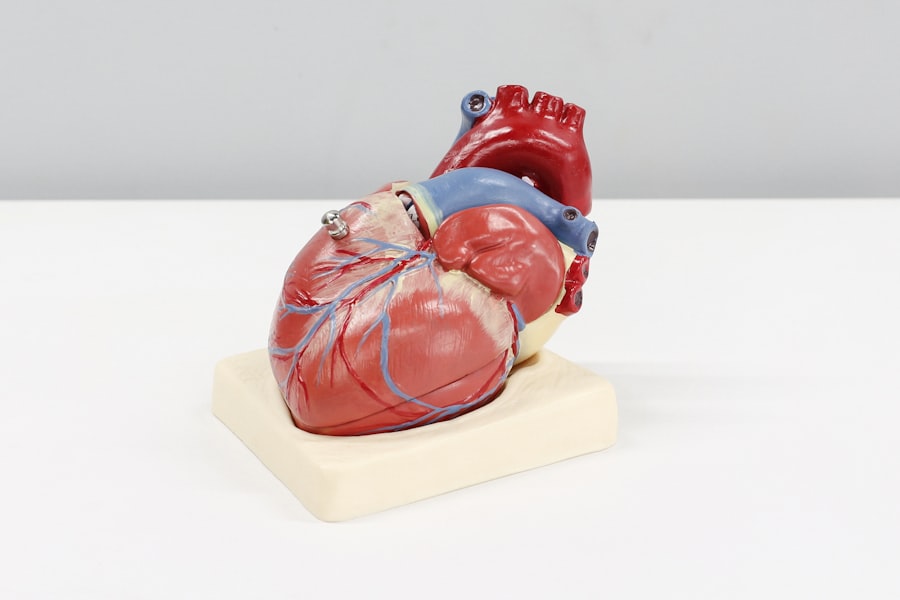
Your brain’s intricate chemical soup, composed of neurotransmitters, plays a vital role in regulating your emotions and influencing your tendency towards guardedness. These chemical messengers facilitate communication between neurons, and imbalances or variations in their levels can have significant implications for your emotional well-being.
Serotonin: The Mood Stabilizer and Social Connection
Serotonin is a neurotransmitter renowned for its role in regulating mood, sleep, appetite, and social behavior. Lower levels of serotonin have been associated with increased anxiety, depression, and impulsivity. Conversely, adequate serotonin levels are linked to feelings of calm, well-being, and a greater capacity for social engagement. If your serotonin system is not functioning optimally, you might experience a greater predisposition towards anxiety and a feeling of being unsafe in social situations, naturally leading to a more guarded demeanor. Your brain may be interpreting ambiguous social cues as overtly threatening due to a diminished capacity for positive emotional processing.
Dopamine: The Reward System and Motivation for Engagement
Dopamine is another crucial neurotransmitter, heavily involved in the brain’s reward system, motivation, and pleasure. While it’s often associated with seeking out novel experiences and rewards, dopamine also plays a role in regulating your willingness to engage with others. If your dopamine pathways are not sufficiently activated or if you have experienced diminished rewards in social interactions, you might find yourself less motivated to put yourself out there, opting for a more withdrawn and guarded approach. Your brain may be signaling that the potential risks of engagement outweigh the perceived rewards, leading to a preference for safety and familiarity.
Cortisol: The Stress Hormone and Vigilance
Cortisol, often referred to as the “stress hormone,” is released by your adrenal glands in response to perceived threats. While short bursts of cortisol are essential for your “fight or flight” response, chronic elevated levels can have detrimental effects on your brain, including impaired PFC function and increased amygdala reactivity. If you are experiencing prolonged periods of stress or have a history of trauma, your cortisol levels might be chronically elevated, keeping your threat detection system on high alert. This persistent state of vigilance naturally fosters a guarded disposition, as your brain is constantly anticipating potential harm.
The neurobiology of the guarded heart is a fascinating topic that explores how our emotional experiences are intertwined with physiological responses. Recent research has shed light on how trauma and stress can lead to protective mechanisms in the brain, influencing our ability to connect with others. For those interested in delving deeper into this subject, a related article can be found at Unplugged Psych, which discusses the intricate relationship between emotional regulation and neurobiological processes. Understanding these connections can provide valuable insights into how we navigate our relationships and emotional well-being.
Neuroplasticity and the Changing Guard: Rewiring for Vulnerability
| Neurobiological Aspect | Explanation |
|---|---|
| Brain Regions | The amygdala, prefrontal cortex, and insula are involved in processing emotions and regulating fear responses. |
| Neurotransmitters | Neurotransmitters such as serotonin, dopamine, and oxytocin play a role in regulating mood, trust, and social bonding. |
| Neuroplasticity | The brain’s ability to reorganize itself and form new neural connections may be influenced by experiences of emotional vulnerability and protection. |
| Stress Response | The hypothalamic-pituitary-adrenal (HPA) axis and sympathetic nervous system are involved in the body’s response to stress and threat, which can impact emotional guardedness. |
The remarkable capacity of your brain to change and adapt throughout your life is known as neuroplasticity. This means that the neural pathways underpinning your guardedness are not immutable. Through conscious effort and specific experiences, you can gradually rewire your brain, softening the edges of your emotional defenses and fostering greater openness.
The Power of Conscious Awareness: Recognizing Your Triggers
The first step in rewiring your neural pathways is to cultivate conscious awareness of your emotional triggers. What situations, people, or thoughts reliably activate your defense mechanisms? By paying attention to the subtle internal and external cues that precede your guarded reactions, you begin to understand the patterns imprinted in your neural circuitry. This awareness allows your PFC to intercept the amygdala’s alarm signals more effectively, preventing automatic, ingrained responses.
The Role of Therapeutic Interventions: EMDR, CBT, and Trauma-Informed Approaches
Various therapeutic modalities are designed to specifically address the neurobiological underpinnings of emotional self-protection. Eye Movement Desensitization and Reprocessing (EMDR), for instance, has been shown to help individuals process traumatic memories, thereby reducing amygdala hyperactivity and facilitating more adaptive responses. Cognitive Behavioral Therapy (CBT) helps you identify and challenge negative thought patterns that contribute to your guardedness, strengthening your PFC’s ability to regulate emotions. Trauma-informed approaches recognize the profound impact of past experiences on your neurobiology and aim to create safe and supportive environments for healing and growth, fostering the neural rewiring necessary for greater emotional vulnerability.
Cultivating Secure Attachments: The Social Brain and Trust Building
Your brain is intrinsically wired for connection. Secure attachments with others play a crucial role in regulating your emotional responses and building resilience. When you experience consistent, dependable support and affirmation from trusted individuals, your brain learns that vulnerability can be met with care and understanding. This can lead to a dampening of amygdala activity and a strengthening of PFC regulation. Building secure attachments allows you to gradually lower your defenses, fostering a sense of safety and trust that is essential for genuine emotional intimacy. Your social brain is constantly learning and adapting; positive relational experiences can actively reshape neural pathways associated with fear and distrust, paving the way for a more open heart.
FAQs
What is the neurobiology of the guarded heart?
The neurobiology of the guarded heart refers to the physiological and psychological processes that occur in the brain and body when an individual is emotionally guarded or closed off in relationships.
What are the potential causes of a guarded heart?
There are various potential causes of a guarded heart, including past experiences of betrayal, trauma, or emotional pain, as well as attachment styles and learned behaviors from childhood.
How does the brain contribute to a guarded heart?
The brain plays a significant role in contributing to a guarded heart through the activation of the amygdala, which is responsible for processing emotions such as fear and distrust, and the prefrontal cortex, which regulates decision-making and emotional regulation.
What are the potential effects of having a guarded heart on mental and emotional well-being?
Having a guarded heart can lead to difficulties in forming and maintaining close relationships, increased stress and anxiety, and a heightened risk of developing mental health issues such as depression and loneliness.
Are there ways to overcome a guarded heart from a neurobiological perspective?
Yes, there are various therapeutic approaches and interventions, such as mindfulness practices, cognitive-behavioral therapy, and trauma-focused therapies, that can help individuals overcome a guarded heart by rewiring neural pathways and promoting emotional regulation and trust.