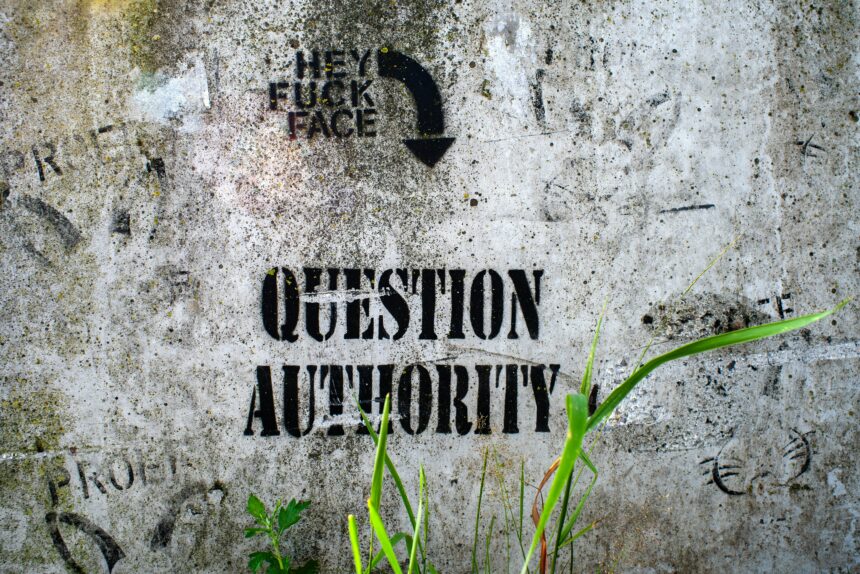
The pervasive nature of authority is an undeniable aspect of human society. From parental guidance to governmental decrees, from hierarchical structures in workplaces to the influence of societal norms, authority shapes our lives in countless ways. While often viewed as a necessary force for order, progress, and safety, the intricate relationship between authority and the human psyche is a complex and often fraught one. This article will delve into the multifaceted ways in which authority, when wielded inappropriately or experienced in certain contexts, can indeed precipitate and exacerbate psychological issues.
Authority, at its core, represents the power or right to give orders, make decisions, and enforce obedience. This power can be derived from various sources: formal positions, expertise, tradition, charisma, or even the perceived legitimacy of a ruling body. The very act of submitting to authority, or wielding it, can trigger profound psychological responses. Understanding these fundamental mechanisms is crucial to grasping how authority can become a source of distress.
The Power Dynamics and Their Impact
The inherent power imbalance present in most authoritative relationships is a primary driver of potential psychological strain.
Submissive Vulnerability
When individuals are in a subordinate position, they may experience a sense of reduced autonomy and control over their lives. This can manifest as feelings of powerlessness, helplessness, and a diminished sense of self-efficacy. The constant need to conform to the dictates of an authority figure can erode an individual’s confidence in their own judgment and decision-making abilities. Over time, this can contribute to the development of anxiety, depression, and even learned helplessness, where individuals cease to try to improve their situation due to a perceived lack of control.
The Weight of Expectation
Authority figures often hold expectations for their subordinates, be it in terms of performance, behavior, or adherence to rules. The pressure to meet these expectations can be a significant source of stress. For those prone to perfectionism or with low self-esteem, the fear of failure and the potential disapproval of an authority figure can lead to chronic anxiety, rumination, and a constant state of unease. This can also fuel impostor syndrome, where individuals feel they are not truly deserving of their position or the recognition they receive, constantly fearing exposure as inadequate.
The Burden of Responsibility
Conversely, for those in positions of authority, the weight of responsibility can be equally taxing. The need to make decisions that affect others, the potential for negative consequences, and the pressure to maintain control can lead to significant stress, burnout, and even paranoia. The constant vigilance required to uphold authority can lead to sleep disturbances, irritability, and a pervasive sense of isolation, as leaders may feel they cannot openly express their own vulnerabilities.
The question of whether authority can create psychological problems is a complex issue that has been explored in various contexts. For a deeper understanding of this topic, you might find the article on psychological impacts of authority figures insightful. It discusses how hierarchical structures can affect mental health and well-being. You can read more about it in this article: Psychological Impacts of Authority.
Manifestations of Psychological Distress Under Authoritarian Regimes
The form and nature of authority play a crucial role in determining the psychological impact. Authoritarian styles of leadership, characterized by strict control, lack of consultation, and intolerance of dissent, are particularly potent in their capacity to induce psychological harm.
The Erosion of Autonomy and Self-Esteem
When authority is absolute and unquestioning, it can systematically dismantle an individual’s sense of self.
Control and Manipulation
Authoritarian figures often employ tactics of control and manipulation to maintain their dominance. This can include gaslighting, where individuals are made to doubt their own perceptions and sanity, or the use of threats and coercion. Such experiences can lead to profound psychological trauma, including post-traumatic stress symptoms, generalized anxiety disorder, and complex trauma. The constant feeling of being controlled can lead to a deep-seated distrust of others and a difficulty in forming healthy relationships.
Suppression of Individuality
In highly authoritarian environments, individuality is often discouraged in favor of conformity. Personal expression, creativity, and unique perspectives may be viewed as threats to the established order. This suppression can lead to a sense of alienation, a loss of identity, and a feeling of being invisible or unheard. Individuals may internalize these messages, leading to a diminished sense of self-worth and a reluctance to assert their own needs and desires, even outside the authoritative context.
The Cycle of Fear and Obedience
Authoritarianism thrives on fear. When obedience is enforced through punitive measures, it instills a persistent state of anxiety and dread. This can lead to a learned response of hypervigilance and a constant anticipation of punishment. Over time, this can manifest as chronic stress, difficulty relaxing, and an increased susceptibility to stress-related illnesses. The psychological toll of living in a constant state of fear can be immense, leading to social withdrawal and a profound sense of isolation.
The Impact on Cognitive Functioning
Beyond emotional distress, prolonged exposure to unhealthy authority can also impair cognitive abilities.
Cognitive Dissonance and Rationalization
When individuals are forced to comply with demands that contradict their personal values or beliefs, they can experience cognitive dissonance. To alleviate this discomfort, they may engage in rationalization, justifying the actions of the authority figure or downplaying their own discomfort. This can lead to a distorted view of reality and a compromised ability to think critically about their situation.
Decision Paralysis and Learned Helplessness
In environments where decisions are always made for individuals, or where independent choices are consistently met with negative repercussions, people can develop decision paralysis. They may become so accustomed to being directed that they struggle to make even minor choices. This, coupled with the repeated experience of having their efforts thwarted, can lead to learned helplessness, a state where individuals believe they have no control over their circumstances and cease to try to effect change.
When Authority Becomes a Catalyst for Trauma

Certain forms of authority, particularly those that involve abuse of power, can directly lead to traumatic experiences, leaving lasting psychological scars.
Abuse of Power: The Dark Side of Authority
The misuse of authority, whether it be physical, emotional, or sexual abuse, is a profound violation of trust and a source of deep psychological injury.
Psychological Abuse and Emotional Manipulation
Psychological abuse by authority figures can include constant criticism, belittling, threats, intimidation, and isolation. This relentless erosion of self-worth can lead to severe depression, anxiety disorders, personality disorders, and suicidal ideation. The insidious nature of psychological abuse makes it particularly difficult to identify and escape, as it often occurs behind closed doors and leaves no visible wounds.
Physical and Sexual Abuse
Direct physical or sexual abuse by individuals in positions of authority represents the most extreme form of psychological harm. The betrayal of trust, coupled with the physical and emotional violation, can result in severe and enduring trauma, including complex post-traumatic stress disorder (C-PTSD), dissociative disorders, and significant difficulties in forming healthy attachments in adulthood. The impact of such trauma can reverberate throughout an individual’s life, affecting their relationships, career, and overall well-being.
The Long-Term Repercussions of Trauma
Survivors of abuse of power often face a lifelong battle with the psychological consequences. These can include:
- Difficulty with Trust: A profound distrust of authority figures and, in some cases, of people in general.
- Relationship Issues: Challenges in forming and maintaining healthy, intimate relationships due to fear of intimacy, vulnerability, or betrayal.
- Mental Health Disorders: Increased risk of depression, anxiety, PTSD, eating disorders, substance abuse, and personality disorders.
- Physical Health Problems: Stress-related physical ailments such as chronic pain, gastrointestinal issues, and weakened immune systems.
- Self-Destructive Behaviors: Engaging in self-harm, risky sexual behavior, or substance abuse as a coping mechanism.
The Subtle Erosion: When Authority Undermines Well-being Through Less Obvious Means

Not all psychological issues stemming from authority are a result of overt abuse. Subtle forms of control and systemic pressures can also take a significant toll.
The Cult of Productivity and Performance Pressure
In many modern workplaces and educational institutions, there is an overwhelming emphasis on productivity and constant performance. Authority figures, driven by organizational goals or personal ambition, can foster environments of relentless pressure.
Burnout and Exhaustion
The constant drive for higher output, coupled with demanding deadlines and a lack of adequate support, can lead to burnout. This state of emotional, physical, and mental exhaustion can manifest as cynicism, detachment, a reduced sense of accomplishment, and increased susceptibility to illness. Authority figures who perpetuate a culture of overwork without regard for employee well-being are indirectly contributing to psychological distress.
The Fear of Falling Behind
The competitive nature of many fields, fueled by the implicit or explicit demands of authority, can create a pervasive fear of falling behind. This anxiety can lead to perfectionism, excessive worry, and a reluctance to take breaks or disconnect from work, further exacerbating stress and contributing to sleep disturbances and other health problems.
The Impersonal Nature of Bureaucracy
Large, bureaucratic organizations often employ hierarchical structures where individuals interact with systems and policies rather than with empathetic human beings. This impersonal nature can be psychologically damaging.
Dehumanization and Objectification
When individuals are reduced to numbers, metrics, or mere cogs in a machine, they can experience a sense of dehumanization. This can lead to feelings of insignificance, apathy, and a detachment from their work and the organization. Authority within such systems can reinforce this objectification by prioritizing efficiency and compliance over individual needs.
Lack of Support and Empathy
In highly bureaucratic environments, there may be a lack of readily available support or empathy from those in positions of authority. When individuals are struggling, they may face bureaucratic hurdles or indifference, which can intensify their distress and feelings of isolation. This lack of human connection can be particularly detrimental to mental health.
The impact of authority on mental health is a complex issue that has garnered attention in recent years. Many individuals experience psychological problems stemming from the pressures and expectations imposed by figures of authority in various settings, including workplaces and educational institutions. For a deeper understanding of this phenomenon, you might find it insightful to read an article that explores the relationship between authority and psychological well-being. You can access it [here](https://www.unpluggedpsych.com/). This resource delves into how authority can influence mental health and offers valuable perspectives on coping strategies.
Navigating the Landscape of Authority: Towards Healthier Interactions
| Aspect | Potential Psychological Impact | Examples | Research Findings |
|---|---|---|---|
| Perceived Authority | Increased stress, anxiety, and obedience leading to internal conflict | Milgram’s obedience experiments showing stress under authoritative pressure | High perceived authority can increase compliance but also cause psychological distress (Milgram, 1963) |
| Abuse of Authority | Development of PTSD, depression, and low self-esteem | Workplace bullying by supervisors, authoritarian parenting | Abuse of power linked to long-term mental health issues (APA, 2019) |
| Authority-Induced Learned Helplessness | Feelings of powerlessness, depression, and anxiety | Repeated punishment or control by authority figures | Learned helplessness theory shows authority can cause psychological problems (Seligman, 1975) |
| Authority and Social Conformity | Loss of individuality, identity confusion, and stress | Peer pressure enforced by group leaders or institutions | Conformity to authority can lead to cognitive dissonance and stress (Asch, 1951) |
While the potential for authority to cause psychological issues is significant, it is not an insurmountable barrier to well-being. Understanding these risks allows for the development of strategies to mitigate them and foster healthier dynamics.
Cultivating Healthy Authority: The Role of Leadership
Responsible and ethical leadership is paramount in preventing the psychological harm associated with authority.
Empathy and Compassion in Leadership
Leaders who demonstrate empathy and compassion are more likely to foster positive psychological environments. They understand that their subordinates are human beings with individual needs and vulnerabilities.
Empowerment and Autonomy
Effective leaders empower their teams by granting autonomy, fostering creativity, and encouraging independent decision-making. This builds self-efficacy and reduces the sense of powerlessness.
Open Communication and Feedback
Creating an environment where open communication and constructive feedback are encouraged is crucial. This allows for concerns to be addressed, misunderstandings to be clarified, and a sense of being heard and valued.
Individual Strategies for Coping and Resilience
Individuals also possess agency in navigating their experiences with authority.
Setting Boundaries
Establishing clear personal boundaries is essential, especially when dealing with demanding or overreaching authority figures. This involves learning to say no, asserting one’s needs, and protecting one’s personal time and energy.
Seeking Support
Connecting with trusted friends, family, mentors, or mental health professionals can provide invaluable support and perspective when dealing with challenging authoritative relationships.
Developing Self-Awareness
Understanding one’s own psychological triggers, vulnerabilities, and coping mechanisms is crucial for navigating stressful situations involving authority. This self-awareness allows for proactive strategies and a greater capacity to respond rather than react.
In conclusion, the intricate tapestry of human interaction is woven with threads of authority. While essential for societal functioning, the potential for authority to inflict psychological damage is undeniable and multifaceted. From the overt abuse of power to the subtle pressures of performance culture, the ways in which authority is exercised can significantly impact an individual’s mental well-being. Recognizing these potential pitfalls is the first step towards fostering healthier, more empowering relationships with authority, both for those who wield it and for those who are subject to it. The cultivation of empathetic leadership, the empowerment of individuals, and the development of personal resilience are vital components in navigating this complex landscape and ensuring that authority serves as a force for good, rather than a source of psychological distress.

They Told Healthy Children Something Was Wrong With Their Speech
FAQs
What is the relationship between authority and psychological problems?
Authority figures can sometimes create psychological problems in individuals through the use of power dynamics, control, and manipulation. This can lead to feelings of fear, anxiety, and low self-esteem.
How can authority figures impact mental health?
Authority figures can impact mental health by exerting pressure, instilling fear, and creating a sense of helplessness in individuals. This can lead to various psychological issues such as depression, anxiety, and trauma.
Can authority figures contribute to the development of psychological disorders?
Yes, authority figures can contribute to the development of psychological disorders such as post-traumatic stress disorder (PTSD), borderline personality disorder, and other anxiety-related disorders. The abuse of power and control by authority figures can have long-lasting effects on an individual’s mental health.
What are some signs that authority is negatively impacting mental health?
Signs that authority is negatively impacting mental health include feelings of fear, constant stress, low self-esteem, difficulty trusting others, and a sense of powerlessness. Individuals may also experience physical symptoms such as headaches, stomach issues, and insomnia.
How can individuals cope with the negative effects of authority on mental health?
Individuals can cope with the negative effects of authority on mental health by seeking support from friends, family, or mental health professionals. Developing healthy coping mechanisms, setting boundaries, and practicing self-care can also help mitigate the impact of authority on mental well-being.