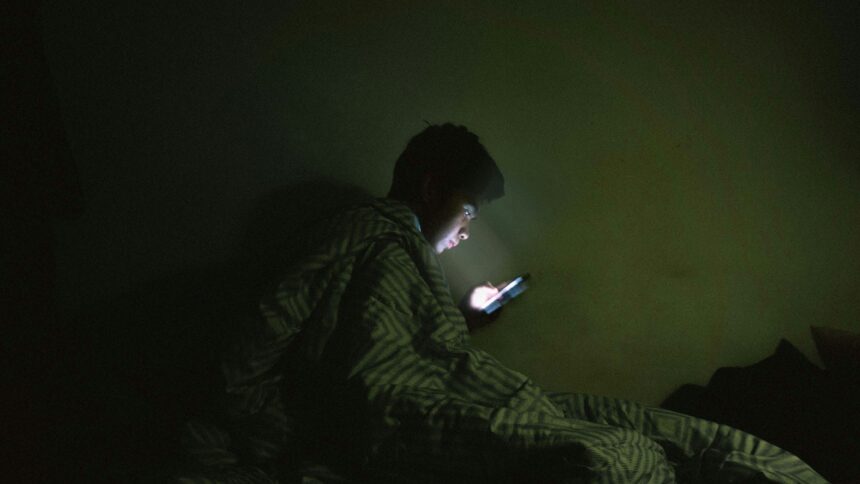
You’re lying in bed, the familiar glow of your phone illuminating your face. It’s late, much later than you intended, and you know you should be asleep. Yet, here you are, scrolling through endless feeds, tempted by notifications, and trapped in a cycle that leaves you feeling exhausted and groggy come morning. Sound familiar? You’re not alone. This is the pervasive nighttime phone habit, and it’s stealing your precious sleep and your overall well-being. But the good news is, you can break free. This guide is designed to equip you with the knowledge and practical strategies to unplug and reclaim your nights.
Understanding the Allure of the Nighttime Glow
Before you can effectively dismantle a habit, it’s crucial to understand why it’s so compelling. For many, the phone has become an extension of themselves, a reliable source of connection, information, and distraction. At night, these factors can be amplified.
The Brain’s Reward System and the Dopamine Hit
Your brain is wired for pleasure and reward. Every notification, every new piece of content, triggers a release of dopamine, a neurotransmitter associated with pleasure and motivation. This creates a powerful feedback loop. You see a notification, you check it, you get a small hit of dopamine, and you’re more likely to do it again. At night, when your brain might be seeking a distraction from the quiet or the effort of winding down, this dopamine hit can be particularly tempting. It’s a form of instant gratification that pulls you away from the more challenging tasks of relaxation and sleep preparation. You might not even be consciously seeking anything specific; the habit itself becomes the reward. The infinite scroll is designed to exploit this, constantly presenting you with novel stimuli that keep your brain engaged and your dopamine levels fluctuating.
Escapism and the Fear of Missing Out (FOMO)
Let’s be honest, sometimes the real world at the end of the day can feel overwhelming or mundane. Your phone offers an escape. Through social media, you can witness the seemingly perfect lives of others, immerse yourself in exciting news, or get lost in fictional worlds. This escapism provides a temporary reprieve from your own stresses and anxieties. Coupled with this is the pervasive fear of missing out (FOMO). You worry that if you’re not online, you’ll miss an important update, a crucial piece of gossip, or a social invitation. This anxiety fuels a constant need to check in, even when you know you should be disconnecting. The curated reality presented online can make your own experiences feel less vibrant, reinforcing the desire to escape into the digital realm.
The Blue Light Effect and Sleep Disruption
Beyond the psychological pull, there’s a very real physiological reason why nighttime phone use is detrimental to sleep. Your phone emits blue light, a type of artificial light that has a significant impact on your body’s natural sleep-wake cycle, known as the circadian rhythm.
How Blue Light Tricks Your Brain
Your circadian rhythm is finely tuned to the natural light-dark cycle of the day. When your eyes are exposed to light, especially blue light, your brain interprets it as daylight. This signals your pineal gland to suppress the production of melatonin, the hormone responsible for making you feel sleepy. Ingesting blue light late at night essentially tells your brain to stay awake, even when your body is craving rest. This can lead to difficulties falling asleep, fragmented sleep, and a general feeling of being less rested. The longer and closer you are to the source of blue light, the more potent its effect. The glowing screen inches from your face is a direct assault on your body’s natural sleep cues.
The Consequences of Poor Sleep
The repercussions of consistently disrupted sleep are far-reaching. You’re likely to experience impaired concentration, reduced cognitive function, irritability, a weakened immune system, and an increased risk of accidents. Chronic sleep deprivation can also contribute to more serious health issues like obesity, diabetes, and cardiovascular disease. Breaking this habit isn’t just about feeling less tired; it’s about investing in your long-term health and well-being. You might notice that your mood fluctuates more significantly, your patience wears thin more quickly, and your ability to tackle complex tasks diminishes. This is the silent toll of sleep debt.
If you’re struggling to stop checking your phone at night, you might find helpful strategies in the article titled “How to Break the Habit of Nighttime Phone Checking.” This article provides practical tips on creating a healthier nighttime routine and reducing screen time before bed. For more insights, you can read the full article here: How to Break the Habit of Nighttime Phone Checking.
Establishing a Digital Curfew for Yourself
The first and most crucial step in breaking your nighttime phone habit is to consciously decide when your digital engagement will cease for the day. This isn’t about deprivation; it’s about setting healthy boundaries with technology.
The Power of a Designated “Off” Time
You need to establish a clear, non-negotiable time after which your phone is off-limits. This might be an hour before your intended bedtime, or perhaps even two, depending on how deeply ingrained the habit is. Think of it as a digital curfew. This time shouldn’t be filled with other stimulating activities either; it should transition into a period of relaxation and preparation for sleep. The key here is consistency. Even on weekends, try to maintain a similar curfew. This consistency helps to retrain your brain’s expectations. You’re not just turning off your phone; you’re signaling to your body and mind that it’s time to wind down.
Practical Strategies for Setting Your Curfew
- Start Gradually: If an hour before bed seems too drastic, start with 30 minutes and gradually increase it. Even a small reduction is a step in the right direction.
- Tell Someone: Share your intention with a trusted friend or family member. Having an accountability partner can make you more likely to stick to your commitment.
- Physically Remove the Device: Charge your phone in another room entirely. This removes the temptation and the immediate accessibility that often leads to reverting back to the habit.
- Use Alarms as Reminders: Set an alarm on your phone for your designated “off” time. When it rings, it’s your cue to put the phone down and engage in your alternative activities.
Avoiding the “Just One More Minute” Trap
The “just one more minute” phenomenon is a notorious saboteur of any habit-breaking effort. You tell yourself you’ll just look at one more thing, read one more article, or reply to one more message, and before you know it, another hour has passed. Be vigilant against this insidious trap.
Recognizing the Triggers
What specific content or apps are most likely to pull you in for “just one more minute”? Is it a particular social media feed, a news app, or even email? Identifying these triggers is essential for developing strategies to avoid them during your wind-down period. Once you know what lures you in, you can actively avoid those rabbit holes.
Setting Clear Boundaries for Yourself
When you feel the urge to pick up your phone past your curfew, consciously remind yourself of your goal: better sleep and improved well-being. Ask yourself: “Is this truly necessary right now? Will this help me sleep better?” Most of the time, the answer will be a resounding no. Practice mindfulness, where you acknowledge the urge without acting on it. You can do this by observing the feeling, naming it as an “urge to check the phone,” and then gently redirecting your attention to your chosen wind-down activity.
Crafting a Relaxing Pre-Sleep Routine
Once your phone is out of the picture, you need to replace that screen time with activities that genuinely promote relaxation and prepare your body for sleep. This is where a well-thought-out pre-sleep routine comes into play.
Engaging Senses for Sleep
Your senses play a crucial role in signaling to your body that it’s time to wind down. Think about how you can engage them in a way that promotes calm and tranquility.
The Power of Aromatherapy and Soothing Scents
Certain scents are known for their calming properties. Lavender, chamomile, and bergamot are popular choices for promoting relaxation and sleep. You can use essential oil diffusers, room sprays, or even scented candles (used safely, of course) to create a tranquil atmosphere. The gentle diffusion of these aromas can subtly shift your mental state from alert to relaxed, making it easier to transition into sleep. The scent itself becomes a sensory cue for winding down, much like the smell of freshly baked bread might cue hunger.
Soft Lighting and Calming Visuals
Dim, soft lighting is essential for signaling to your brain that it’s time to produce melatonin. Avoid bright overhead lights. Opt for bedside lamps with warm-toned bulbs, candles (used cautiously), or even a Himalayan salt lamp. Consider engaging in activities that involve soft, natural light, like reading a physical book or journaling. While you’re avoiding bright screens, you can also engage visually in calming ways. Look at peaceful nature scenes, watch a quiet documentary about nature, or simply gaze at the stars (if you have access). The aim is to replace the harsh, stimulating light of your phone with soothing visual experiences.
Activities That Promote Tranquility
Beyond sensory experiences, there are a variety of activities that can help you unwind and prepare for sleep. The key is to choose something that you find genuinely enjoyable and calming.
The Benefits of Reading a Physical Book
There’s a reason why curling up with a good book is a timeless classic for a reason. Unlike a screen, a physical book doesn’t emit blue light, and the act of reading itself can be a meditative experience. It allows your mind to focus on a narrative, escape into different worlds, and engage your imagination without the constant barrage of notifications and interruptions. Choose books that are engaging but not overly stimulating. A thrilling mystery might keep you up longer than a gentle historical fiction. The tactile experience of turning pages and the absence of digital distractions create a unique pathway to relaxation.
Gentle Stretching and Mindfulness Exercises
Light stretching can release tension in your muscles and promote a sense of physical relaxation. Focus on gentle movements that don’t strain your body. Yoga poses like child’s pose or legs-up-the-wall pose are excellent for pre-sleep. Mindfulness exercises, such as deep breathing techniques or guided meditations, can calm your racing thoughts and bring you into the present moment. There are numerous free apps and online resources that offer guided meditations specifically designed for sleep. By focusing on your breath or a guided visualization, you can quiet the mental chatter that often keeps you from falling asleep.
Journaling for a Clearer Mind
If your mind is buzzing with thoughts, worries, or to-do lists, journaling can be an incredibly effective way to clear your head before bed. Dedicate a few minutes to writing down whatever comes to mind. This “brain dump” can help you process your day, alleviate anxieties, and create a sense of closure. You might be surprised by how much calmer you feel after getting your thoughts out of your head and onto paper. Consider a guided journal with prompts related to gratitude or reflection to further enhance the calming effect.
Creating a “Phone-Free Zone” in Your Bedroom
Your bedroom should be a sanctuary for sleep, not a secondary office or entertainment center. This means intentionally creating a space that’s free from the constant temptation of your phone.
The Bedroom as a Sleep Haven
Your bedroom’s primary purpose should be sleep and intimacy. When you consistently use your phone in bed, you create an association between your bed and wakeful activities, which can make it harder to fall asleep even when you put the phone down.
Making Your Bed an Unplugged Sanctuary
This is perhaps the most impactful strategy you can implement. Make a conscious decision that your bed is a phone-free zone. This means no scrolling, no checking emails, and no late-night browsing while you’re under the covers. If you need to use your phone, get out of bed to do so. This helps to break the psychological link between your bed and your device. The act of leaving the bed to use your phone reinforces the idea that it’s not a place for that activity.
Strategizing Device Storage Away from the Bed
Where will you put your phone when it’s time to unplug? Ideally, it should be out of sight and out of reach. Consider placing it on a dresser, a nightstand on the opposite side of the bed, or even in a different room altogether. This physical distance creates a barrier that makes it less likely you’ll impulsively grab it. If you rely on your phone for alarms, invest in a separate, dedicated alarm clock. This eliminates the need to have your phone charging by your bedside.
The Impact of Visual Cues
The mere sight of your phone can trigger the urge to pick it up. Minimizing these visual cues is therefore vital for successfully unplugging.
Hiding Your Phone (Literally)
If you have a tendency to reach for your phone without thinking, physically hiding it can be a powerful deterrent. Consider placing it in a drawer, a closet, or a designated “phone holder” that’s not easily accessible from your bed. This forces you to make a conscious effort to retrieve it, providing a moment to reconsider your impulse. The added friction of having to actively seek out your phone can be enough to break the habit.
Avoiding “Just Looking” at Notifications
Even if your phone is charging nearby, the temptation to glance at a new notification can be overwhelming. If you’re particularly susceptible, consider turning off all non-essential notifications, especially for social media and email, during your wind-down hours. This reduces the visual fireworks that draw you in. If you absolutely need to be contactable for emergencies, explore the “do not disturb” features on your phone, which allow you to filter essential calls and messages.
If you’re struggling to stop checking your phone at night, you might find it helpful to explore strategies that promote better sleep hygiene. One insightful resource is an article on the Unplugged Psych website, which discusses various techniques to reduce screen time before bed. By implementing these tips, you can create a more restful environment and improve your overall sleep quality. To learn more about these effective methods, check out the article here.
Embracing the Benefits of a Digitally Detoxified Evening
Breaking the nighttime phone habit is not about restriction; it’s about reclaiming your time, your energy, and your sleep. The rewards of a digitally detoxified evening are significant and can ripple positively throughout your life.
Reclaiming Lost Hours for Meaningful Activities
The hours you spend scrolling aimlessly at night are hours you could be investing in activities that truly nourish you. With a conscious effort to unplug, you’ll find yourself with newfound time.
Rediscovering Hobbies and Passions
Have you let your hobbies fall by the wayside due to lack of time or energy? The evenings you reclaim from your phone can be dedicated to rekindling those passions. Whether it’s painting, playing a musical instrument, writing, or knitting, dedicating time to activities you love can be incredibly fulfilling and stress-reducing. These activities provide a creative outlet and a sense of accomplishment that social media rarely provides. They engage different parts of your brain and allow for a more profound sense of presence.
Deeper Connections with Loved Ones
When you’re not glued to your phone, you’re more present and available for the people in your life. This means more meaningful conversations with your partner, more engaged playtime with your children, or more quality time spent with friends. These in-person connections are fundamental to our well-being and contribute to a stronger sense of belonging. The authentic, face-to-face interactions can be incredibly rewarding and can foster deeper bonds than superficial online exchanges. By putting your phone away, you’re signaling to those around you that they are your priority.
Experiencing Enhanced Sleep Quality and Daytime Energy
The most immediate and profound benefit of breaking this habit is the improvement in your sleep.
The Transformative Impact of Consistent Sleep
When you consistently get enough quality sleep, you’ll notice a remarkable difference in how you feel. Your concentration will sharpen, your mood will stabilize, and your ability to manage stress will improve. You’ll feel more alert, more productive, and simply happier. This enhanced sleep quality isn’t just about feeling less tired; it’s about allowing your body and mind to perform at their optimal levels. Your cognitive functions, emotional regulation, and even your physical health are all deeply intertwined with your sleep.
Increased Productivity and Focus Throughout the Day
With a well-rested mind, you’ll find that your workday becomes more efficient and less of a struggle. You’ll be able to focus on tasks for longer periods, make clearer decisions, and experience fewer errors. This increased productivity can lead to a greater sense of accomplishment and a more positive outlook on your professional life. The mental fog that often accompanies sleep deprivation will lift, allowing you to tackle challenges with greater clarity and creativity. You’ll find yourself less prone to procrastination and more capable of sustained effort.
Breaking the nighttime phone habit is a journey, not a destination. There will be days when you slip up. The key is not to be discouraged but to learn from those moments and recommit to your goals. By understanding the allure of the digital world, establishing firm boundaries, creating a relaxing pre-sleep routine, and transforming your bedroom into a sleep sanctuary, you’ll find yourself unplugging more easily and enjoying the profound benefits of a good night’s rest. You have the power to reclaim your nights and, in doing so, to significantly improve the quality of your waking life. Start today, and embrace the calm, restful nights that await you.

Why You Stay Up Late Even When You’re Exhausted
FAQs

1. Why is it important to stop checking my phone at night?
It is important to stop checking your phone at night because the blue light emitted from screens can disrupt your sleep patterns and make it harder to fall asleep.
2. How can I break the habit of checking my phone at night?
To break the habit of checking your phone at night, you can establish a bedtime routine that does not involve screen time, such as reading a book or practicing relaxation techniques.
3. What are the potential consequences of checking my phone at night?
Checking your phone at night can lead to poor sleep quality, increased stress and anxiety, and decreased productivity and focus the next day.
4. What are some tips for reducing phone use at night?
Some tips for reducing phone use at night include setting a specific time to stop using your phone, using the “Do Not Disturb” feature, and keeping your phone out of reach while you sleep.
5. How can reducing phone use at night improve my overall well-being?
Reducing phone use at night can improve your overall well-being by promoting better sleep, reducing stress and anxiety, and allowing for more time to engage in relaxing activities before bed.