
You’re carrying burdens you didn’t create. They are whispers from your past, echoing through generations. Intergenerational trauma, the invisible inheritance, shapes your present in ways you might not even recognize. It’s the persistent anxiety, the difficulty forming deep connections, the ingrained patterns of coping that feel like they were hardwired from birth. This isn’t about assigning blame; it’s about understanding the profound impact of experiences – war, abuse, displacement, systemic oppression – that ripple outward, affecting not only those who directly endured them but also their children, grandchildren, and beyond. Recognizing these patterns is the first, crucial step toward dismantling them.
You might wonder how the pain of your ancestors can manifest in your own life. It’s not magic; it’s a complex interplay of biological, psychological, and social factors. Trauma isn’t just an event; it’s a deeply imprinted experience that can alter the very fabric of how you perceive the world and interact with others.
The Biological Echo: Epigenetic Changes
Consider that trauma can leave a biological imprint. Research in epigenetics suggests that the stress and trauma experienced early in life, or even by previous generations, can lead to changes in gene expression. These are not changes to your DNA sequence itself, but rather modifications that affect how your genes are read and whether they are turned on or off. These epigenetic tags can be passed down, influencing your susceptibility to stress, your emotional regulation, and even your physical health. This means your body might be responding to perceived threats based on ancestral experiences that you never personally lived through. Think of it as a biological alert system that’s been calibrated by past dangers.
The Psychological Transmission: Learned Behaviors and Coping Mechanisms
Beyond biology, you learn. You absorb the emotional climate of your upbringing, the way your parents or caregivers navigated stress, and the narratives they shared – or withheld. If your family history is marked by a need to be hypervigilant, you might develop similar habits. If emotional expression was discouraged or feared, you might find yourself shutting down your own feelings. These learned behaviors, often passed down unconsciously, become your default settings for managing life’s challenges. They are the ingrained responses that feel natural, even if they are ultimately detrimental.
The Social Reinforcement: Family Dynamics and Cultural Narratives
The environment in which you grow up plays a significant role. Family dynamics often reflect and reinforce the patterns of intergenerational trauma. Consider the roles people adopt within a family system – the caretaker, the scapegoat, the silent one. These roles can perpetuate cycles of feeling unheard, unloved, or constantly on edge. Furthermore, cultural narratives, particularly those surrounding marginalized communities, can entrench beliefs about scarcity, distrust, or inherent worthlessness, further solidifying the impact of trauma across generations.
To effectively address and stop the cycle of intergenerational trauma, it is essential to explore various strategies and insights provided by mental health professionals. One valuable resource is the article available on Unplugged Psych, which delves into practical approaches for healing and breaking free from the patterns of trauma that can affect families across generations. For more information, you can read the article here: Unplugged Psych.
Identifying the Manifestations: Recognizing the Signs in Yourself
The first step to breaking the cycle is to see it clearly. Intergenerational trauma doesn’t always scream; often, it whispers, manifests in subtle yet pervasive ways. You might recognize some of these patterns in your own life, perhaps without fully understanding their origin.
Emotional Dysregulation: The Unpredictable Storm
Do you find yourself swinging between intense emotions, or do you struggle to feel anything at all? Emotional dysregulation is a common hallmark. This can look like sudden outbursts of anger, overwhelming sadness, persistent anxiety, or a pervasive sense of numbness. Your emotional responses might feel out of proportion to the situation, or you might struggle to identify and label your feelings. This is your nervous system, shaped by ancestral adversity, still trying to navigate a world that feels inherently unsafe.
Relationship Struggles: The Invisible Walls
Building and maintaining healthy relationships can be a significant challenge. You might find yourself:
- Struggling with trust: Constantly questioning the motives of others or expecting betrayal.
- Experiencing fear of intimacy: Pushing people away when they get too close to avoid perceived hurt.
- Repeating unhealthy patterns: Finding yourself in relationships that mirror those you witnessed or experienced in your family of origin.
- Having difficulty with boundaries: Either being overly rigid or too permeable, struggling to protect your needs.
These patterns are often rooted in past experiences where safety and connection were compromised.
Maladaptive Coping Mechanisms: The Familiar Crutches
When faced with stress, you might reach for familiar coping mechanisms that, while offering temporary relief, ultimately perpetuate the cycle. These could include:
- Substance abuse: Using alcohol or drugs to numb pain or escape difficult emotions.
- Addictive behaviors: Compulsive engagement in activities like gambling, excessive eating, or workaholism.
- Perfectionism: An unrelenting drive to be flawless, often stemming from a fear of failure or judgment.
- People-pleasing: Sacrificing your own needs and desires to gain approval or avoid conflict.
These are often the strategies your ancestors used to survive, but they can hinder your own healing and growth.
Physical Health Issues: The Body Remembers
The impact of chronic stress and trauma isn’t confined to your mind. Research increasingly shows a link between intergenerational trauma and physical health problems. You might experience:
- Chronic pain: Persistent aches and discomfort without a clear medical explanation.
- Digestive issues: Conditions like Irritable Bowel Syndrome (IBS) or inflammatory bowel disease.
- Cardiovascular problems: Elevated blood pressure or an increased risk of heart disease.
- Weakened immune system: A greater susceptibility to illness.
Your body, in its wisdom, is signaling the ongoing effects of past adversity.
Reclaiming Your Narrative: The Power of Awareness and Education

Breaking free from the hold of intergenerational trauma begins with a profound shift in your understanding. It’s about recognizing that your experiences, and those of your family, have a story, and that story doesn’t have to define your future.
Connecting the Dots: Understanding Family History
Take the time to learn about your family’s past. This doesn’t mean dwelling on the painful aspects, but rather seeking to understand the broader context of their lives. What challenges did they face? What were their survival strategies? This exploration can illuminate the origins of your own patterns and provide a sense of empathy and compassion for yourself and for them. Look for recurring themes, unspoken rules, and the legacies of resilience and hardship.
Challenging Limiting Beliefs: You Are Not Your Ancestors’ Burden
Your family’s experiences are not your destiny. You have the capacity to forge a new path. This often involves actively challenging the limiting beliefs that have been passed down. If you were taught that you are not good enough, or that the world is inherently dangerous, you need to consciously counter these messages with evidence of your own worth and the positive aspects of your life. This is an ongoing process of deconstruction and reconstruction.
Seeking Knowledge: Empowering Yourself with Information
Educate yourself about trauma, its effects, and the pathways to healing. Read books, listen to podcasts, and engage with reputable sources that discuss intergenerational trauma and its impact. Knowledge is a powerful tool that can help you make sense of your experiences and empower you to make informed choices about your healing journey. Understanding the mechanisms at play demystifies the process and makes it more manageable.
The Path to Healing: Strategies for Transformation
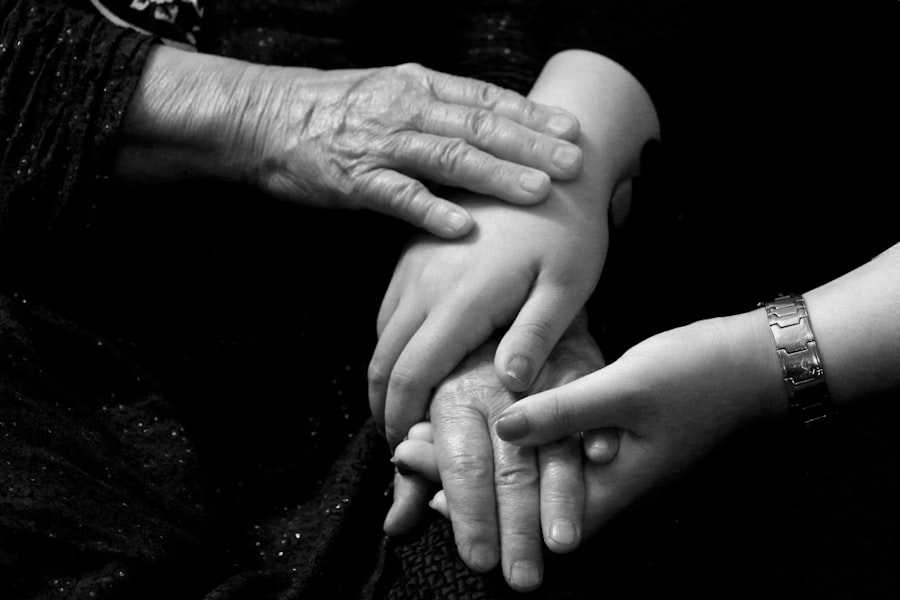
Healing from intergenerational trauma is a journey, not a destination. It requires patience, self-compassion, and a willingness to engage with your experiences in new and courageous ways.
Cultivating Self-Compassion: Be Kind to Yourself
This is paramount. You have likely inherited patterns that have caused you pain. Instead of self-criticism, embrace self-compassion. Treat yourself with the same kindness, understanding, and acceptance you would offer a dear friend who is struggling. Recognize that your reactions are often rooted in past adversity and that you are doing your best to navigate the world. This can involve gentle self-talk, mindful acceptance of difficult emotions, and acknowledging your own efforts toward healing.
Developing Healthy Coping Skills: Replacing Old Habits with New Tools
The goal isn’t to eliminate all coping mechanisms but to replace maladaptive ones with healthier alternatives. This might involve:
- Mindfulness and meditation: Learning to be present with your thoughts and feelings without judgment.
- Journaling: Expressing your emotions and processing your experiences in writing.
- Exercise and movement: Releasing tension and stress through physical activity.
- Creative expression: Engaging in art, music, or writing as a way to process emotions.
- Setting boundaries: Learning to say no and protect your energy and well-being.
These new tools provide you with a stronger foundation for resilience.
Building a Supportive Network: Connection as a Balm
Isolation can deepen the wounds of trauma. Actively build and nurture connections with people who support your healing journey. This could include:
- Friends and family: Sharing your experiences with trusted loved ones.
- Support groups: Connecting with others who understand your struggles.
- Therapists and counselors: Working with professionals trained in trauma-informed care.
These connections provide validation, encouragement, and a sense of belonging, which are vital for recovery.
Intergenerational trauma can have profound effects on families, often perpetuating cycles of pain and dysfunction. To effectively address this issue, it is essential to explore various strategies and resources that can aid in healing. One insightful article that delves into practical steps for breaking this cycle can be found here: how to stop the cycle of intergenerational trauma. By understanding the roots of trauma and implementing supportive practices, individuals and families can work towards a healthier future.
Intergenerational Healing: Changing the Legacy for Future Generations
| Strategies | Impact |
|---|---|
| Therapy and counseling | Helps individuals process trauma and develop coping mechanisms |
| Education and awareness | Empowers individuals to recognize and address intergenerational trauma |
| Community support | Creates a network of support for individuals and families affected by trauma |
| Healing rituals and ceremonies | Provides cultural and spiritual healing for individuals and communities |
| Policy and systemic change | Addressees root causes of trauma and promotes equity and justice |
The work you do for yourself has the power to transform the lives of those who come after you. By breaking the cycle of intergenerational trauma, you are not only healing yourself but also offering a different inheritance to your children and grandchildren.
Modeling Healthy Behavior: The Power of a Lived Example
As you learn and grow, you become a living example of resilience and healing. The way you manage stress, your emotional responses, and your ability to form healthy relationships will offer a different blueprint for those around you. You are demonstrating that it is possible to move beyond the limitations of the past and create a more fulfilling future. Your children will witness your efforts and learn from your example.
Teaching New Narratives: Rewriting the Family Story
You have the opportunity to consciously create new family narratives. Instead of focusing solely on hardship, you can weave in stories of resilience, strength, and love. You can teach your children about their heritage, acknowledging the challenges but also celebrating their ancestors’ survival and their present-day capacity for growth. This conscious storytelling can reframe the past and offer a more hopeful outlook.
Creating a Safe and Nurturing Environment: Seeds of Change
The most impactful change you can enact is by creating a safe, predictable, and emotionally supportive environment for your children. This means:
- Validating their emotions: Allowing them to feel and express their feelings without judgment.
- Practicing effective communication: Listening actively and responding with empathy.
- Modeling healthy conflict resolution: Showing them how to navigate disagreements constructively.
- Prioritizing their well-being: Ensuring their basic needs for safety, love, and belonging are met.
This is how you sow the seeds for a future free from the haunting echoes of the past. Your commitment to your own healing is a gift to those who will follow.
FAQs
What is intergenerational trauma?
Intergenerational trauma refers to the transmission of trauma from one generation to the next. This can occur through various means, including learned behaviors, parenting styles, and the impact of trauma on family dynamics.
What are the effects of intergenerational trauma?
Intergenerational trauma can lead to a range of negative effects, including mental health issues, substance abuse, relationship difficulties, and physical health problems. It can also perpetuate cycles of abuse and dysfunction within families.
How can the cycle of intergenerational trauma be stopped?
Stopping the cycle of intergenerational trauma requires a multi-faceted approach, including addressing the root causes of trauma, providing access to mental health support, promoting healthy parenting practices, and fostering resilience within individuals and communities.
What role does cultural healing play in addressing intergenerational trauma?
Cultural healing can play a significant role in addressing intergenerational trauma by reconnecting individuals and communities with their cultural traditions, values, and practices. This can provide a sense of identity, belonging, and strength that can help mitigate the impact of trauma.
What resources are available for individuals and families affected by intergenerational trauma?
There are various resources available for individuals and families affected by intergenerational trauma, including counseling services, support groups, community organizations, and educational programs. Additionally, there are specific interventions and therapies designed to address intergenerational trauma and promote healing.