
You’ve stood in the aftermath, the acrid scent of smoke still clinging to the air, the landscape seared and unrecognizable. You’ve witnessed the destruction, the tangible evidence of something profound and devastating that has occurred. This isn’t just about the physical space; it’s about the imprint left on you, the deep, unsettling resonance that echoes in your mind and heart. You are experiencing trauma, and its presence can feel as pervasive and destructive as the fire that raged. But even from this charred soil, where nothing seems capable of growing, there is a path to psychological transformation. It’s not about forgetting or erasing what happened, but about understanding its impact and finding ways to cultivate resilience and, eventually, growth.
The immediate aftermath of trauma is often characterized by a profound sense of shock and disbelief. Your world, as you knew it, has been violently disrupted. The familiar has been replaced by the chaotic, and the predictable by the terrifying. This initial phase is about more than just emotional distress; it’s a physiological and psychological upheaval.
The Fight, Flight, or Freeze Response
Your body’s innate survival mechanisms are activated. You might find yourself hypervigilant, constantly scanning your surroundings for threats, or conversely, shut down, unable to process what has happened. This can manifest as irritability, jumpiness, or a pervasive feeling of dread.
Disorientation and Disconnection
You may feel detached from yourself, from others, and from reality. This derealization or depersonalization can be a defense mechanism, a way for your mind to create distance from an overwhelming experience. You might feel like you’re watching your life from the outside, or that the world around you isn’t quite real.
Emotional Numbness and Overwhelm
The range of emotions you experience can be erratic. One moment you might feel a profound emptiness, a dull numbness that numbs you to everything. The next, you could be overwhelmed by intense emotions like fear, anger, or sadness, and find yourself struggling to regulate them.
In exploring the transformative potential of charred soil, one can draw parallels to psychological growth, as discussed in the article on Unplugged Psych. Just as charred soil enriches the earth, fostering new life and resilience, individuals can emerge stronger from their own experiences of adversity. This concept is beautifully articulated in the article, which emphasizes the importance of embracing challenges as opportunities for personal development. For more insights on this topic, you can read the article here: Unplugged Psych.
Navigating the Lingering Shadows: The Challenges of Recovery
The initial shock may subside, but the impact of trauma rarely dissipates on its own. You are left to navigate the complex terrain of its aftermath, facing challenges that can feel isolating and insurmountable. Understanding these challenges is the first step in confronting them.
Persistent Anxiety and Fear
The feeling of being unsafe can linger long after the immediate danger has passed. You might experience intrusive thoughts, nightmares, or flashbacks that bring the traumatic event back with visceral intensity. This hyperarousal can make it difficult to relax, sleep, or engage in everyday activities.
Depression and Hopelessness
The weight of trauma can lead to a profound sense of despair. You might lose interest in activities you once enjoyed, experience changes in appetite and sleep patterns, and struggle with feelings of worthlessness. The belief that things will never get better can be a powerful and debilitating force.
Interpersonal Difficulties
Trauma can strain your relationships. You might withdraw from loved ones, struggle with trust, or find yourself reacting defensively in social situations. The fear of being misunderstood or re-traumatized can make it difficult to connect with others authentically.
Behavioral Changes and Maladaptive Coping Mechanisms
In an attempt to manage the overwhelming emotions and discomfort, you may develop coping mechanisms that are ultimately unhelpful. This could include substance abuse, excessive avoidance of triggers, or engaging in risky behaviors. These strategies, while offering temporary relief, can create further complications.
The Seeds of Healing: Rebuilding from the Ground Up
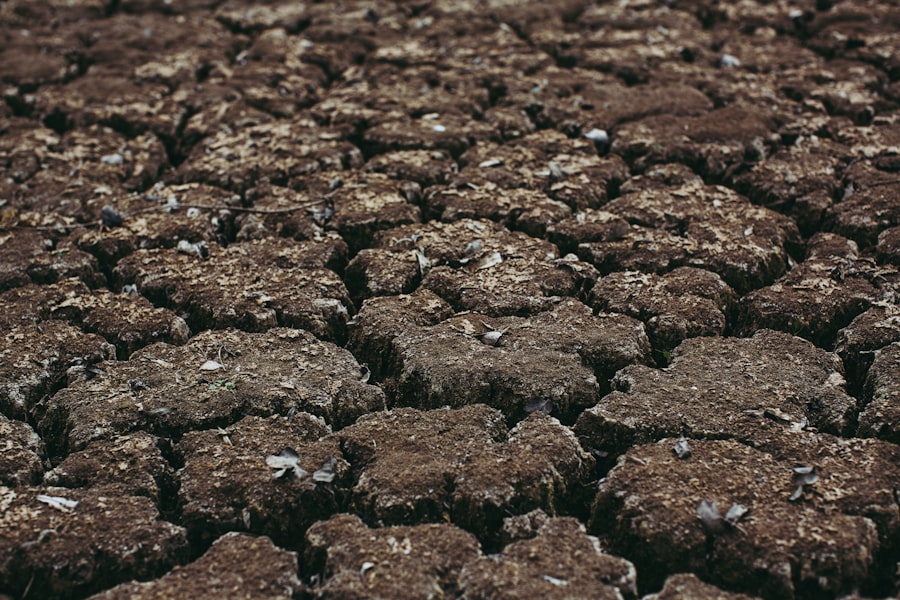
The concept of “growth” after trauma can feel abstract, even contradictory, when you’re still grappling with the pain. However, healing is not about returning to a pre-trauma state, but about cultivating a new way of being that acknowledges and integrates the experience. This process involves actively engaging in practices that foster psychological well-being.
Seeking Professional Support
You don’t have to navigate this alone. A qualified therapist can provide a safe and structured environment to process your emotions, develop coping strategies, and understand the impact of trauma on your nervous system and cognitive patterns. Therapies like Eye Movement Desensitization and Reprocessing (EMDR) and Cognitive Behavioral Therapy (CBT) are specifically designed to address trauma-related symptoms.
The Importance of Trauma-Informed Care
When seeking support, it’s crucial to find providers who understand the nuances of trauma. Trauma-informed care recognizes the widespread impact of trauma and understands potential paths for recovery, emphasizes physical, psychological, and emotional safety for both providers and survivors, and creates open, honest, and respectful environments and services.
Building a Supportive Network
Connecting with trusted friends, family members, or support groups can provide invaluable validation and a sense of belonging. Sharing your experiences with others who understand can reduce feelings of isolation and offer different perspectives and coping strategies.
Cultivating Resilience: Strengthening Your Inner Landscape

Resilience isn’t about being immune to hardship; it’s about your capacity to adapt and bounce back when faced with adversity. It’s about developing the inner resources to navigate difficulties and emerge stronger. This involves intentional practices that fortify your psychological defenses.
Practicing Mindfulness and Self-Awareness
Developing a greater awareness of your thoughts, feelings, and bodily sensations without judgment can be a powerful tool. Mindfulness practices, such as meditation and deep breathing exercises, can help you regulate your emotions, reduce anxiety, and create a sense of grounding.
Developing Healthy Coping Strategies
Actively identifying and implementing strategies that promote your well-being is essential. This might include engaging in physical activity, pursuing creative outlets, spending time in nature, or practicing good sleep hygiene. The key is to find activities that are restorative and not simply distractions.
Setting Healthy Boundaries
Protecting your energy and emotional space is vital after trauma. Learning to say no, limiting exposure to triggering situations or individuals, and communicating your needs clearly are all important aspects of boundary setting that contribute to your overall resilience.
In exploring the transformative power of charred soil, one can draw parallels to the concept of psychological growth, as discussed in a fascinating article on the Unplugged Psych website. This piece delves into how adversity can lead to personal development, much like how nutrient-rich soil can emerge from the ashes of a fire. By understanding the processes that turn destruction into renewal, we can better appreciate our own journeys of resilience. For more insights on this topic, you can read the article here.
The Evolving Landscape: Embracing Post-Traumatic Growth
| Process | Outcome |
|---|---|
| Self-reflection | Increased self-awareness and understanding |
| Therapeutic support | Emotional healing and resilience |
| Community engagement | Building a support network and sense of belonging |
| Education and learning | Acquiring new skills and knowledge |
| Positive mindset | Developing optimism and hope for the future |
The journey from being a survivor of trauma to experiencing post-traumatic growth is a complex and ongoing process. It’s not a destination, but a continuous evolution of self. It acknowledges that while the scars may remain, they can become integrated into a richer, more profound understanding of life.
Finding Meaning and Purpose
For some, trauma can prompt a reevaluation of life’s priorities and a search for deeper meaning. You may discover a newfound appreciation for life, a stronger sense of your values, and a motivation to contribute to something larger than yourself. This can involve advocacy, community involvement, or a shift in career path.
Enhanced Appreciation for Life and Relationships
The experience of profound loss or danger can lead to a heightened awareness of the preciousness of life and the importance of meaningful connections. You might find yourself more present, more grateful for the simple things, and more invested in nurturing your relationships.
Increased Personal Strength and Self-Discovery
Navigating trauma can reveal inner strengths you never knew you possessed. You may emerge with a greater understanding of your own capabilities, a more robust sense of self-reliance, and a confidence in your ability to face future challenges. This can be a profound form of self-discovery.
A Newfound Sense of Spirituality or Worldview
Trauma can challenge existing beliefs and lead to a re-examination of one’s worldview. This can manifest as a deepening of existing spiritual beliefs, the development of new spiritual understandings, or a philosophical shift that allows for greater acceptance of life’s complexities and uncertainties.
Your journey from charred soil to psychological growth is not a linear path. There will be days when the weight of the past feels heavy, and moments when the progress you’ve made seems to recede. But remember this: the capacity for transformation resides within you. By understanding the impact of trauma, actively seeking support, cultivating resilience, and embracing the potential for growth, you can indeed nurture new life, not in spite of the fire, but because of the lessons it has taught you. The landscape of your inner world may be forever changed, but within that change lies the possibility of a richer, more resilient, and profoundly lived existence.
FAQs
What is charred soil?
Charred soil is soil that has been burned or scorched, often as a result of wildfires or controlled burns. This can lead to a loss of nutrients and organic matter in the soil, making it less fertile for plant growth.
How can charred soil be turned into psychological growth?
Charred soil can be turned into psychological growth by using the experience of the fire and its aftermath as a catalyst for personal development and resilience. This can involve finding meaning in the experience, learning from it, and using it as a source of strength and growth.
What are some strategies for turning charred soil into psychological growth?
Some strategies for turning charred soil into psychological growth include seeking support from others, practicing self-care and mindfulness, reframing the experience in a positive light, and finding ways to contribute to the recovery and rebuilding process.
What are the potential benefits of turning charred soil into psychological growth?
The potential benefits of turning charred soil into psychological growth include increased resilience, personal growth, and a greater sense of purpose and meaning. It can also lead to a deeper appreciation for life and a greater ability to cope with future challenges.
Are there any resources available for individuals looking to turn charred soil into psychological growth?
Yes, there are resources available for individuals looking to turn charred soil into psychological growth, including support groups, counseling services, self-help books, and online communities. These resources can provide guidance, support, and inspiration for those seeking to grow from difficult experiences.