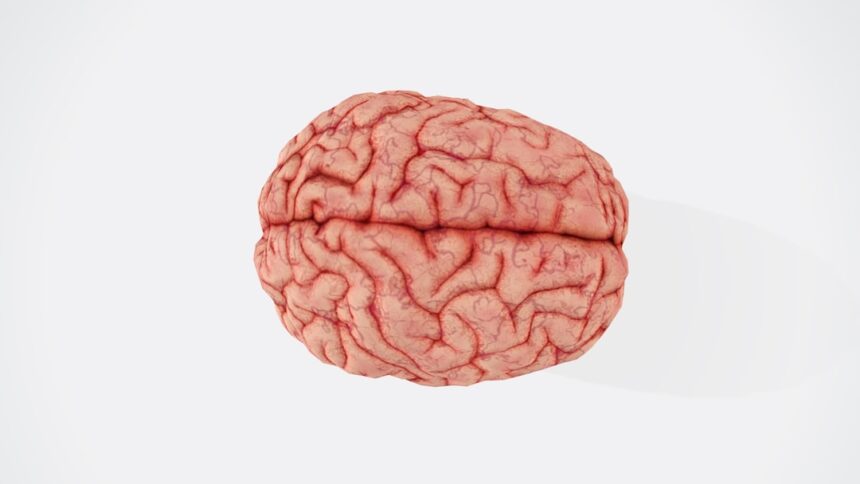
Your brain, that intricate network of billions of neurons, is a tireless guardian. It’s constantly at work, not just orchestrating your every thought and action, but fundamentally dedicated to one paramount objective: your survival. You might not consciously think about it, but your brain’s survival instinct is a powerful, pervasive force that shapes your reactions, influences your decisions, and keeps you safe from harm. Understanding this primal drive is key to unlocking a deeper appreciation for your own resilience and the remarkable biological machinery that keeps you alive.
To grasp why your brain protects you, you need to cast your mind back, far back, to the dawn of life. Your survival instinct isn’t a modern invention; it’s an ancient inheritance, honed over millions of years of evolution. Your brain, in its most basic form, is a product of this relentless evolutionary pressure. Every structure, every neural pathway, has been shaped by the need to survive and reproduce.
The Amygdala: Your Brain’s Built-in Alarm System
At the heart of your survival instinct lies a small, almond-shaped structure called the amygdala. This is your brain’s primary threat detection center. It’s incredibly adept at scanning your environment for potential dangers, whether they be physical threats like a predator or abstract dangers like social rejection. When the amygdala senses a threat, it triggers a cascade of responses, preparing your body for action.
The Fight-or-Flight Response: A Primal Blueprint
The most well-known manifestation of the amygdala’s work is the fight-or-flight response. This is a physiological reaction designed to help you confront a threat (fight) or escape it (flight). When activated, your amygdala sends a signal to the hypothalamus, which then signals the adrenal glands to release stress hormones like adrenaline and cortisol.
Adrenaline’s Surge: Instant Energy for Survival
Adrenaline is your body’s immediate emergency fuel. It causes your heart rate to increase, your breathing to quicken, and your blood flow to be redirected to your muscles. This surge of energy allows you to react with lightning speed, giving you the strength to lift a car to save a loved one or the agility to dodge a falling object.
Cortisol’s Sustained Readiness: Keeping You Vigilant
While adrenaline provides the initial burst, cortisol plays a role in maintaining your body’s readiness over a slightly longer period. It helps to regulate blood sugar, suppress non-essential functions like digestion and reproduction, and further enhance alertness. This sustained vigilance is crucial in the aftermath of a perceived threat, ensuring you remain aware and prepared for any lingering dangers.
The Hippocampus: Learning from Danger, Remembering for Safety
The hippocampus, located near the amygdala, plays a crucial role in memory formation. It works in conjunction with the amygdala to help you learn from your experiences, particularly those involving danger. By encoding memories of threatening situations, the hippocampus helps you avoid similar dangers in the future.
Associative Learning: Connecting Stimuli to Danger
This process is a form of associative learning. Your hippocampus helps you associate specific sights, sounds, smells, or even internal feelings with past negative experiences. For instance, if you had a frightening encounter with a dog, your hippocampus might help you develop a fear of dogs, prompting a cautious response whenever you encounter one.
Spatial Memory: Navigating Towards Safety
The hippocampus is also vital for spatial memory, enabling you to remember the layout of your environment. This allows you to quickly identify safe routes, escape pathways, and familiar territories, further enhancing your ability to navigate away from danger.
Understanding why our brains often react in ways that seem protective can be fascinating and complex. For instance, the article found at Unplugged Psychology delves into the mechanisms of the brain that trigger defensive responses, highlighting how past experiences and emotional memories shape our reactions to stress and perceived threats. This insight can help us better comprehend our instinctual behaviors and the importance of self-awareness in managing our responses to challenging situations.
The Predictive Powerhouse: How Your Brain Anticipates Threats
Your brain doesn’t just react to danger; it’s constantly engaged in the business of prediction. It uses past experiences, current sensory input, and learned patterns to anticipate potential threats before they even materialize. This proactive approach is a cornerstone of your survival.
The Prefrontal Cortex: The Executive Decision-Maker
While the amygdala is the alarm, the prefrontal cortex is the executive. This is the most advanced part of your brain, responsible for higher-level cognitive functions like planning, decision-making, and impulse control. When a threat is detected, the prefrontal cortex weighs the options, considering the potential consequences of different actions.
Risk Assessment: Evaluating Potential Dangers
Your prefrontal cortex constantly engages in a form of risk assessment. It analyzes the probability of a negative outcome and the severity of that outcome. This allows you to make calculated decisions, such as whether to confront a challenging situation or to retreat to safety.
Social Cognition: Navigating Group Dynamics for Safety
Humans are social creatures, and navigating social dynamics is crucial for survival. Your prefrontal cortex, through social cognition, allows you to interpret social cues, understand the intentions of others, and make decisions that promote your safety within a group. This can involve recognizing when to cooperate, when to assert yourself, and when to distance yourself from individuals who pose a threat.
The Basal Ganglia: Automating Safe Behaviors
The basal ganglia are a group of structures deep within the brain that are involved in motor control, habit formation, and procedural learning. They play a crucial role in automating behaviors that have proven to be safe and effective.
Habit Formation: Creating Automatic Safeguards
Through repetition and reinforcement, the basal ganglia help to create automatic responses to familiar dangers. Think about learning to drive: initially, it requires conscious effort. But with practice, your basal ganglia take over, allowing you to perform many driving tasks without actively thinking about them, freeing up your conscious mind for other concerns. This also applies to ingrained safety habits, like always looking both ways before crossing the street.
Instinctive Reactions: Quick and Efficient Responses
In situations where split-second decisions are critical, the basal ganglia can facilitate rapid, instinctual reactions. These are often not fully conscious, but rather deeply ingrained motor programs that have evolved to ensure swift survival.
The Sensory Sentinel: How Your Senses Keep You Informed

Your survival instinct is heavily reliant on the information provided by your senses. Your brain is constantly processing sensory input from your eyes, ears, nose, tongue, and skin, using this data to build a picture of your surroundings and identify potential threats.
Vision: Your Primary Window to the World
Your eyes are arguably your most important sensory organ for survival. They allow you to detect distant threats, identify prey or predators, and navigate complex environments. Your brain dedicates a significant portion of its processing power to visual information.
Peripheral Vision: Detecting Motion and Outlines
Your peripheral vision is particularly adept at detecting motion and outlines. This allows you to catch a glimpse of something moving in your periphery – a potential predator or an unexpected obstacle – even if you aren’t directly looking at it. This is a vital early warning system.
Pattern Recognition: Identifying Familiar Threats
Your brain is incredibly skilled at pattern recognition. It can quickly identify familiar shapes, colors, and movements that have been associated with danger in the past. This might be the characteristic shape of a venomous snake or the sudden darting movement of a predatory animal.
Hearing: Listening for Danger on the Wind
Your sense of hearing is another crucial survival tool. It can alert you to dangers you can’t see, such as an approaching vehicle or the rustle of leaves indicating an animal in hiding.
Auditory Localization: Pinpointing the Source of Sound
Your brain’s ability to localize sound is remarkable. It allows you to determine the direction and distance of a sound, helping you to orient yourself and understand the potential threat it represents.
Alarm Calls and Unusual Sounds: Recognizing Danger Signals
Your brain is wired to pay attention to certain auditory cues. The alarm calls of other animals, for instance, are often universally recognized as indicators of danger. Similarly, unusual or unexpected sounds can trigger an alert response.
Touch and Proprioception: Sensing Your Immediate Environment
Your senses of touch and proprioception (your body’s awareness of its position in space) are vital for your immediate safety. They alert you to physical contact, pain, and changes in your body’s position that could lead to harm.
Pain as a Warning: The Body’s Urgent Messenger
Pain is a fundamental survival mechanism. It signals tissue damage and encourages you to withdraw from the source of injury. Your brain interprets pain signals as urgent warnings, prompting you to protect yourself from further harm.
Balance and Spatial Awareness: Preventing Falls and Collisions
Your proprioceptive system, in conjunction with your inner ear, is crucial for maintaining balance and spatial awareness. This allows you to navigate uneven terrain, avoid tripping, and generally prevent falls and collisions.
The Emotional Compass: How Feelings Guide Your Survival

Emotions are not just fleeting feelings; they are powerful motivators that play a significant role in your survival instinct. Fear, anxiety, and even disgust are all emotions that serve to protect you from harm.
Fear: The Ultimate Motivator for Self-Preservation
Fear is perhaps the most potent emotion associated with survival. It’s the emotional response to a perceived threat, and it can drive you to take extraordinary measures to protect yourself.
The Role of the Amygdala in Generating Fear
As mentioned earlier, the amygdala is central to the experience of fear. When activated, it triggers the physiological and psychological responses that characterize this emotion, preparing you for immediate action.
Learned Fears: The Scars of Past Encounters
Just as you learn to associate certain sights and sounds with danger, you also develop learned fears. These are emotional responses that are conditioned through experience. A traumatic event can instill a deep-seated fear that persists long after the actual danger has passed.
Anxiety: The Pre-Threat Warning System
Anxiety, while often unpleasant, can also serve as a valuable survival mechanism. It’s a state of apprehension about future threats, prompting you to be more cautious and prepared.
Hypervigilance: Heightened Awareness in Uncertain Situations
Anxiety often leads to hypervigilance, a state of heightened awareness where you are more attuned to potential dangers in your environment. This can be beneficial in situations of uncertainty, as it encourages you to scan for threats and take preventative measures.
Avoidance Behaviors: Steering Clear of Perceived Dangers
Anxiety can also motivate avoidance behaviors, where you steer clear of situations or places that you perceive as threatening. While excessive avoidance can be detrimental, a healthy level of anxiety can help you make wise decisions about where to go and what to do.
Disgust: A Protective Barrier Against Contamination
The emotion of disgust plays a crucial role in protecting you from pathogens and toxins. It’s an innate aversion to things that are perceived as impure or dangerous to consume or come into contact with.
The Evolutionary Advantage of Disgust
From an evolutionary perspective, disgust has been a powerful force in promoting survival. It prevents us from ingesting spoiled food, touching contaminated surfaces, and engaging in behaviors that could lead to disease.
Social Disgust: Protecting Against Social Contamination
Disgust can also extend to social situations. We may feel disgusted by behaviors that violate social norms or are perceived as harmful to the group. This “social disgust” can help maintain social order and protect the community from individuals who pose a threat.
Understanding why your brain is trying to protect you can be fascinating, especially when you consider the complex mechanisms at play in our minds. Our brains are wired to respond to perceived threats, often leading to anxiety or stress as a way to keep us safe. This instinctual behavior is explored in depth in a related article, which discusses the evolutionary aspects of our brain’s protective functions. You can read more about this intriguing topic by following this link. By learning how these processes work, we can better manage our responses and improve our mental well-being.
The Subconscious Guardian: How Your Brain Protects You Without Your Direct Input
| Reasons why my brain is trying to protect me |
|---|
| 1. Fear of failure |
| 2. Past traumatic experiences |
| 3. Survival instinct |
| 4. Avoiding discomfort |
| 5. Self-preservation |
Much of your brain’s protective work happens without your conscious awareness. These subconscious processes are essential for your continuous survival, acting as a silent, ever-present guardian.
The Autonomic Nervous System: Regulating Your Body’s Defenses
The autonomic nervous system (ANS) is a division of your nervous system that controls involuntary bodily functions, such as heart rate, breathing, digestion, and pupil dilation. It operates largely without your conscious control, but it’s intimately involved in your survival responses.
Sympathetic vs. Parasympathetic: The Balance of Action and Restoration
The ANS has two main branches: the sympathetic nervous system, which mobilizes your body for action (fight-or-flight), and the parasympathetic nervous system, which conserves energy and promotes rest and digestion. Your brain constantly works to maintain a balance between these two branches, adapting your body’s state to the demands of your environment.
Reflexes: Instantaneous Protective Actions
Reflexes are rapid, involuntary responses to stimuli that bypass conscious thought altogether. The withdrawal reflex, where you pull your hand away from a hot stove, is a prime example. These reflexes are hardwired into your nervous system to provide immediate protection from harm.
Intuition: The Gut Feeling of Danger
Intuition, often described as a “gut feeling,” is your brain’s ability to process information and make judgments on a subconscious level. It can alert you to danger even when you can’t consciously identify the threat.
Pattern Recognition at a Subconscious Level
Your intuition often arises from your brain’s ability to recognize subtle patterns and cues that you might not consciously process. These patterns, drawn from your past experiences, can signal potential danger before you can logically explain why you feel uneasy.
Somatic Markers: The Body’s Clues to Potential Outcomes
Neuroscientist Antonio Damasio proposed the concept of “somatic markers,” which are bodily sensations associated with emotional experiences. When you encounter a situation that has a similar pattern to a past negative experience, your brain might trigger subtle bodily sensations that signal potential danger, influencing your decision-making without conscious awareness.
Sleep and Dreaming: Consolidating Lessons for Future Safety
Even during sleep, your brain is working to protect you. Sleep is crucial for memory consolidation, including the processing of emotionally charged experiences. Dreams, in particular, may offer a safe space for your brain to simulate dangerous scenarios, allowing you to practice your responses and learn from them without real-world risk.
Memory Consolidation: Strengthening Survival-Related Memories
During sleep, your brain replays and strengthens neural connections associated with important memories, including those related to survival. This helps you to better recall and apply lessons learned from past encounters with danger.
Threat Simulation Theory: Rehearsing for Danger
The threat simulation theory suggests that dreams serve as a way for our brains to rehearse responses to dangerous situations. By simulating threats in a safe environment, we can improve our preparedness and ability to cope with similar situations in waking life.
Your brain’s dedication to your survival is a remarkable testament to the power of evolution. From the ancient alarm system of the amygdala to the predictive prowess of the prefrontal cortex, and the constant vigilance of your senses, your brain is a complex and sophisticated guardian. By understanding these protective mechanisms, you can gain a deeper appreciation for your own resilience and the incredible biological intelligence that keeps you alive and thriving. This understanding can empower you to better navigate your own anxieties, trust your instincts, and ultimately, live a safer and more fulfilling life.

You Don’t Hate Silence—Your Brain Doesn’t Feel Safe Yet
FAQs
What is the brain’s primary function?
The brain’s primary function is to regulate and control bodily functions, interpret and respond to sensory information, and process thoughts and emotions.
How does the brain protect the body?
The brain protects the body by initiating the fight-or-flight response in dangerous situations, releasing stress hormones, and regulating bodily functions to maintain homeostasis.
What are some ways the brain tries to protect us?
The brain tries to protect us by generating fear responses to potential threats, regulating emotions to avoid psychological distress, and initiating pain signals to prevent further injury.
Can the brain’s protective mechanisms be harmful?
While the brain’s protective mechanisms are essential for survival, they can also lead to anxiety, stress-related disorders, and chronic pain if they become overactive or dysfunctional.
How can we support our brain’s protective functions?
Supporting the brain’s protective functions can be achieved through stress management techniques, cognitive-behavioral therapy, regular physical activity, and mindfulness practices to promote overall well-being.