
The modern world often feels like a perpetual state of low-grade emergency. For many, the ability to truly switch off, to descend into genuine relaxation, has become an elusive luxury. This pervasive sense of unease, this constant hum of stress and anxiety, isn’t just a psychological quirk; it’s deeply rooted in our biology and psychology. Understanding the science behind this persistent state of alarm can be the first step toward reclaiming a sense of calm.
The Body’s Ancient Alarm System: The Fight-or-Flight Response
The human body is equipped with an incredibly sophisticated, albeit sometimes overzealous, alarm system designed to protect it from immediate danger. This is the fight-or-flight response, a cascade of physiological and psychological changes that prepare an organism to confront a threat or escape from it.
The Amygdala: The Brain’s Fear Center
At the core of this response lies the amygdala, a small, almond-shaped structure deep within the temporal lobe of the brain. The amygdala acts as the brain’s vigilance detector, constantly scanning the environment for potential threats. When it perceives danger – whether it’s a physical predator or a looming deadline – it sends signals to other parts of the brain, initiating the stress response.
The Hypothalamus and the HPA Axis
Upon receiving signals from the amygdala, the hypothalamus, a region of the brain that controls many bodily functions, springs into action. It releases corticotropin-releasing hormone (CRH), which travels to the pituitary gland. The pituitary gland, in turn, releases adrenocorticotropic hormone (ACTH), which then signals the adrenal glands, located atop the kidneys. This chain reaction is known as the hypothalamic-pituitary-adrenal (HPA) axis, and it’s the central command center for the body’s stress response.
Adrenal Glands: The Stress Hormone Powerhouses
The adrenal glands, stimulated by ACTH, release a surge of hormones, most notably cortisol and adrenaline (epinephrine). Adrenaline is responsible for the immediate, visceral reactions: a pounding heart, rapid breathing, dilated pupils, and increased blood flow to the muscles. This is the body preparing for immediate action. Cortisol, a steroid hormone, has broader effects. It mobilizes energy by increasing blood sugar levels, suppresses non-essential bodily functions like digestion and the immune system (in the short term), and enhances memory formation to help recall the experience of the threat.
The Sympathetic vs. Parasympathetic Nervous System
The fight-or-flight response is primarily mediated by the sympathetic nervous system, which is responsible for mobilizing the body’s resources. However, the human nervous system also has an opposing branch: the parasympathetic nervous system. This system is often referred to as the “rest and digest” system. It counteracts the effects of the sympathetic nervous system, slowing the heart rate, lowering blood pressure, and promoting digestion and relaxation. The balance between these two systems is crucial for maintaining homeostasis and well-being. In chronic stress, the sympathetic system can become chronically activated, leaving the parasympathetic system struggling to regain control.
If you’re struggling to relax, you might find it helpful to explore the insights shared in a related article on the Unplugged Psych website. This resource delves into the psychological barriers that prevent us from unwinding and offers practical strategies to help you reclaim your peace of mind. Understanding these factors can be the first step toward achieving a more relaxed state. For more information, you can read the article here: Unplugged Psych.
The Modern Stressors: When the Alarm Bell Never Stops Ringing

While the fight-or-flight response evolved to deal with acute, life-threatening situations, modern life presents a barrage of stressors that are often chronic and psychological rather than immediate physical threats. This constant activation of the stress response, without sufficient recovery periods, can have detrimental effects on both physical and mental health.
The Digital Deluge: Information Overload and Constant Connectivity
The proliferation of smartphones, social media, and the 24/7 news cycle has created an unprecedented level of information overload. The constant stream of notifications, emails, and updates demands our attention, creating a sense of perpetual urgency. The fear of missing out (FOMO) fuels this constant checking, ensuring that the amygdala remains on high alert. The blue light emitted from screens can also disrupt our natural sleep-wake cycles, further exacerbating stress.
Workplace Pressures: Demands, Deadlines, and Uncertainty
The modern workplace is often a significant source of stress. High workloads, tight deadlines, job insecurity, demanding bosses, and a lack of control can all contribute to chronic activation of the stress response. The pressure to perform and the fear of failure can keep the HPA axis churning, leading to elevated cortisol levels. The blurring lines between work and personal life, especially with remote work, can make it even harder to disconnect and decompress.
Societal and Economic Anxieties: The Unseen Threats
Beyond immediate personal concerns, broader societal and economic issues can contribute to a pervasive sense of anxiety. Concerns about climate change, political instability, economic downturns, and social inequality can create a background hum of stress. These are often large-scale problems with no immediate solutions, leaving individuals feeling powerless and overwhelmed. This type of existential stress can be particularly insidious because it’s difficult to directly address or escape.
The Social Media Paradox: Connection and Comparison
Social media platforms, while designed for connection, can paradoxically breed anxiety. The curated nature of online profiles often leads to social comparison, where individuals compare their own lives to the seemingly perfect lives of others. This can foster feelings of inadequacy, envy, and dissatisfaction, all of which contribute to stress. The pressure to maintain an online persona, to present a certain image, can also be exhausting.
The Biological Toll: How Chronic Stress Rewires the Brain and Body

When the stress response is chronically activated, the body’s systems begin to suffer. What was once a life-saving mechanism can become a harmful force, leading to a cascade of negative health outcomes.
Cortisol’s Long-Term Effects: More Than Just a Stress Hormone
While cortisol is essential for short-term survival, prolonged exposure to elevated levels can wreak havoc on the body. It can lead to:
- Weakened Immune System: Chronic cortisol suppresses the immune system, making individuals more susceptible to infections and illnesses.
- Weight Gain: Cortisol promotes the storage of abdominal fat, contributing to obesity. It also increases appetite, particularly for sugary and fatty foods.
- Cardiovascular Problems: Elevated cortisol can contribute to high blood pressure, increased heart rate, and an increased risk of heart disease and stroke.
- Digestive Issues: The suppression of digestive functions during stress can lead to problems like irritable bowel syndrome (IBS), ulcers, and acid reflux.
- Sleep Disturbances: Cortisol levels naturally fluctuate throughout the day, with a dip in the evening to promote sleep. Chronic stress disrupts this rhythm, leading to insomnia and poor sleep quality.
- Cognitive Impairment: While acute stress can enhance memory, chronic high cortisol can impair cognitive functions like memory, concentration, and decision-making. It can also lead to a shrinking of the hippocampus, the brain region crucial for learning and memory.
Neurotransmitter Imbalances: The Chemical Cocktail of Anxiety
Beyond cortisol, chronic stress can disrupt the delicate balance of neurotransmitters in the brain, the chemical messengers that regulate mood, emotion, and behavior.
- Serotonin: This neurotransmitter is crucial for mood regulation. Chronic stress can deplete serotonin levels, contributing to feelings of sadness, irritability, and depression.
- Dopamine: Often associated with pleasure and reward, dopamine systems can become dysregulated under stress, leading to anhedonia (the inability to feel pleasure) or increased cravings for immediate gratification.
- GABA (Gamma-Aminobutyric Acid): GABA is an inhibitory neurotransmitter that calms the nervous system. Stress can reduce GABAergic activity, leading to increased neuronal excitability and heightened anxiety.
- Norepinephrine: While adrenaline is a short-lived surge, norepinephrine is a neurotransmitter that plays a role in alertness and arousal. Chronic stress can lead to persistently elevated norepinephrine levels, contributing to feelings of hypervigilance and anxiety.
The Brain’s Structural Changes: The Lasting Scars of Stress
The brain is not static; it’s a dynamic organ that can be shaped by our experiences. Chronic stress can lead to structural and functional changes in key brain regions. As mentioned, the hippocampus can shrink, impacting memory and learning. The prefrontal cortex, responsible for executive functions like planning, decision-making, and impulse control, can also be negatively affected. Conversely, the amygdala, the fear center, can become hyperactive and enlarged, making it more sensitive to perceived threats. These changes can create a feedback loop, making it harder to regulate emotions and respond effectively to stress.
The Psychological Landscape: Why Worry Becomes a Habit
Beyond the biological underpinnings, psychological factors play a significant role in the inability to relax and the persistence of anxiety. Our thoughts, beliefs, and learned behaviors can all contribute to this state.
Cognitive Distortions: The Mind’s Negative Filter
Cognitive distortions are habitual ways of thinking that are often inaccurate and negative. In individuals prone to stress and anxiety, these distortions can act like a faulty filter, magnifying threats and minimizing coping resources. Common distortions include:
- Catastrophizing: Expecting the worst-case scenario to occur.
- All-or-Nothing Thinking: Seeing things in black and white, with no middle ground.
- Overgeneralization: Drawing broad conclusions based on a single event.
- Mind Reading: Assuming you know what others are thinking, usually negatively.
- Personalization: Taking responsibility for events that are not your fault.
These distorted thought patterns can create a self-fulfilling prophecy, where the anxious anticipation of negative outcomes actually contributes to their occurrence.
Learned Helplessness and Low Self-Efficacy: The Belief in Inability
Learned helplessness occurs when an individual has experienced repeated stressful events over which they had no control. This can lead to a belief that they are powerless to change their circumstances, even when opportunities for control arise. Similarly, low self-efficacy, a lack of belief in one’s own ability to succeed in specific situations or accomplish a task, can fuel anxiety. If someone doesn’t believe they can cope with a challenge, they are more likely to feel overwhelmed and stressed.
Perfectionism and Performance Anxiety: The Fear of Not Being Enough
Perfectionism, the tendency to set excessively high standards and be overly critical of oneself, is a significant contributor to stress and anxiety. The relentless pursuit of flawlessness creates immense pressure and can lead to a fear of making mistakes. This can manifest as performance anxiety, where individuals become so preoccupied with performing perfectly that they inhibit their own abilities. The constant worry about not measuring up can prevent genuine relaxation and enjoyment.
The Role of Early Life Experiences: The Blueprint for Stress Response
Early life experiences, particularly adverse childhood experiences (ACEs) such as abuse, neglect, or parental loss, can significantly shape an individual’s stress response system and predispose them to anxiety later in life. Traumatic experiences in childhood can alter the development of the HPA axis and the amygdala, making them more reactive to stress. This can create a lifelong vulnerability to anxiety and stress-related disorders.
Many people struggle to find moments of peace in their busy lives, often feeling overwhelmed by stress and responsibilities. This inability to relax can stem from various factors, including anxiety, work pressures, and the constant connectivity of modern technology. If you’re curious about understanding this phenomenon better, you might find insights in a related article that explores the reasons behind our struggle to unwind. You can read more about it here. Taking the time to understand these challenges can be the first step towards finding effective ways to achieve a more relaxed state of mind.
Reclaiming Calm: Strategies for Managing Stress and Anxiety
| Reason | Description | Common Symptoms | Suggested Solutions |
|---|---|---|---|
| Stress | High levels of stress from work, relationships, or life events. | Increased heart rate, muscle tension, irritability | Mindfulness, exercise, time management |
| Anxiety | Persistent worry or fear that disrupts calmness. | Restlessness, rapid breathing, difficulty concentrating | Therapy, breathing exercises, medication |
| Overstimulation | Exposure to excessive noise, screens, or social interactions. | Headaches, fatigue, difficulty sleeping | Digital detox, quiet time, nature walks |
| Poor Sleep | Insufficient or low-quality sleep affecting relaxation. | Fatigue, irritability, impaired focus | Sleep hygiene, consistent schedule, avoiding caffeine |
| Unresolved Problems | Lingering issues causing mental preoccupation. | Racing thoughts, inability to focus, tension | Journaling, problem-solving, seeking support |
| Lack of Physical Activity | Insufficient exercise leading to restlessness. | Low energy, muscle stiffness, mood swings | Regular exercise, stretching, outdoor activities |
While the science behind constant stress and anxiety can seem daunting, it also offers a roadmap for intervention. By understanding the mechanisms at play, individuals can implement strategies to regulate their stress response and cultivate a greater sense of calm.
Mindfulness and Meditation: Taming the Overactive Amygdala
Mindfulness involves paying attention to the present moment without judgment. Meditation, a practice that cultivates mindfulness, has been shown to reduce activity in the amygdala and strengthen connections in the prefrontal cortex. Regular meditation practice can help individuals become more aware of their thoughts and feelings without getting carried away by them. This allows for a more measured and less reactive response to stressors. Techniques like deep breathing exercises, body scans, and guided imagery can also promote relaxation.
Cognitive Behavioral Therapy (CBT): Reshaping Thought Patterns
CBT is a highly effective form of psychotherapy that focuses on identifying and changing negative thought patterns and behaviors. By learning to recognize cognitive distortions and challenge unhelpful beliefs, individuals can develop more realistic and balanced perspectives. CBT also equips individuals with practical coping strategies for managing stressful situations, building their sense of self-efficacy and control.
Lifestyle Adjustments: The Foundation of Resilience
Fundamental lifestyle changes are crucial for building resilience to stress. These include:
- Regular Physical Activity: Exercise is a powerful stress reliever. It helps to burn off excess energy produced by the fight-or-flight response, releases endorphins (natural mood boosters), and improves sleep quality.
- Sufficient Sleep: Prioritizing 7-9 hours of quality sleep per night is essential for both physical and mental restoration. Establishing a consistent sleep schedule and creating a relaxing bedtime routine can significantly improve sleep.
- Balanced Nutrition: A diet rich in fruits, vegetables, and whole grains provides the body with the nutrients it needs to function optimally and manage stress. Limiting processed foods, excessive sugar, and caffeine can also help stabilize mood and energy levels.
- Social Support: Strong social connections are vital for well-being. Spending time with loved ones, confiding in trusted friends, and engaging in social activities can provide emotional support and reduce feelings of isolation.
- Time Management and Boundary Setting: Learning to prioritize tasks, delegate when possible, and set clear boundaries between work and personal life can significantly reduce feelings of overwhelm and chronic stress. Saying “no” when necessary is a powerful act of self-care.
Seeking Professional Help: When Self-Help Isn’t Enough
For many, the journey to managing chronic stress and anxiety requires professional guidance. Therapists, counselors, and psychiatrists can provide tailored support, diagnose underlying conditions, and recommend appropriate treatment options, including medication if necessary. Recognizing that seeking help is a sign of strength, not weakness, is a crucial step in the healing process. By understanding the complex interplay of biology, psychology, and environment that contributes to our inability to relax, individuals can embark on a path toward greater peace and well-being.
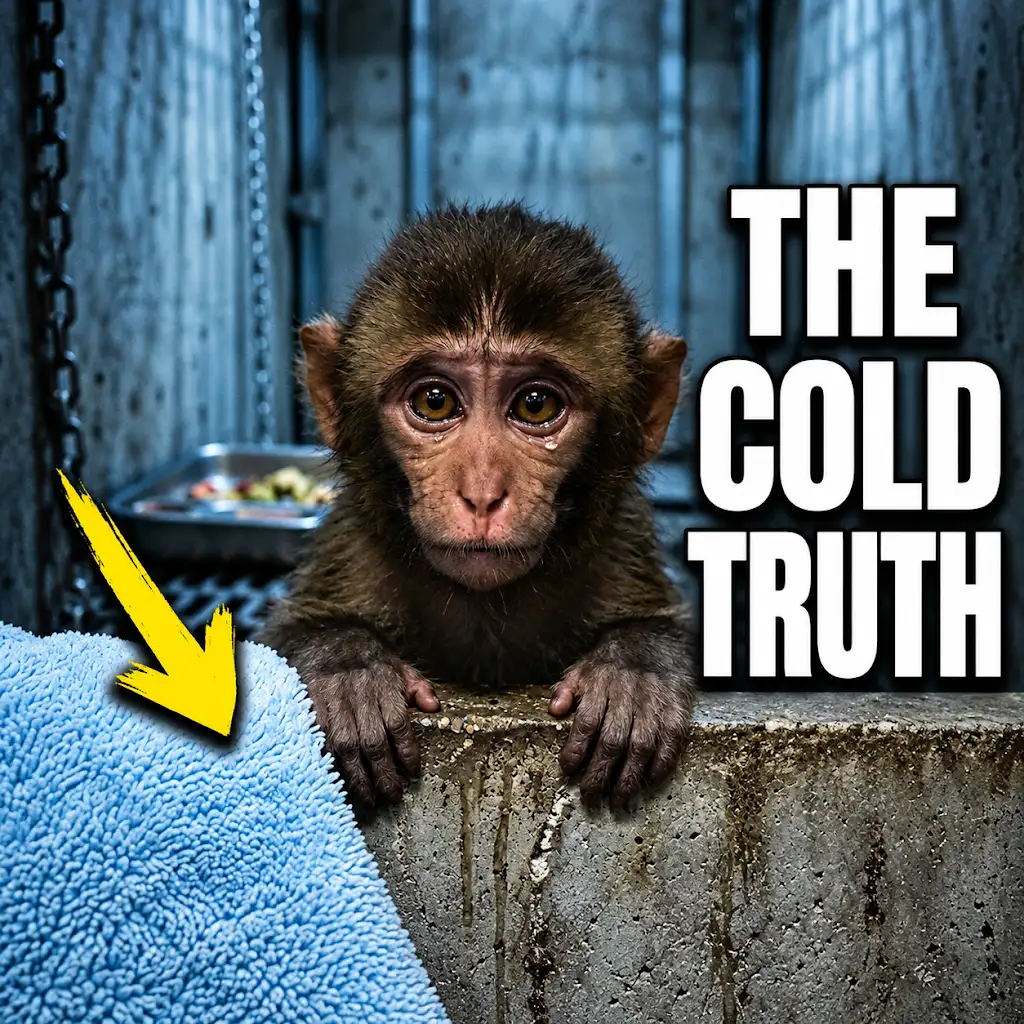
The Dark Reality of the Monkey Comfort Experiment
FAQs
Why do some people find it difficult to relax?
Some people find it difficult to relax due to high levels of stress, anxiety, or a busy lifestyle that makes it hard to slow down and unwind.
Can technology play a role in preventing relaxation?
Yes, technology can prevent relaxation by constantly keeping individuals connected, leading to a lack of downtime and an inability to fully disconnect and relax.
How does lack of self-care contribute to the inability to relax?
A lack of self-care, such as not prioritizing sleep, exercise, or healthy eating, can contribute to increased stress levels and make it harder for individuals to relax and unwind.
What role does overthinking play in the inability to relax?
Overthinking can lead to a constant state of worry and rumination, making it challenging for individuals to quiet their minds and find peace, ultimately hindering their ability to relax.
Can environmental factors impact a person’s ability to relax?
Yes, environmental factors such as noise, clutter, or uncomfortable surroundings can create distractions and discomfort, making it harder for individuals to relax and find a sense of calm.