The Elusive Mirror: How Siblings Perceive the Same Past Through Different Lenses
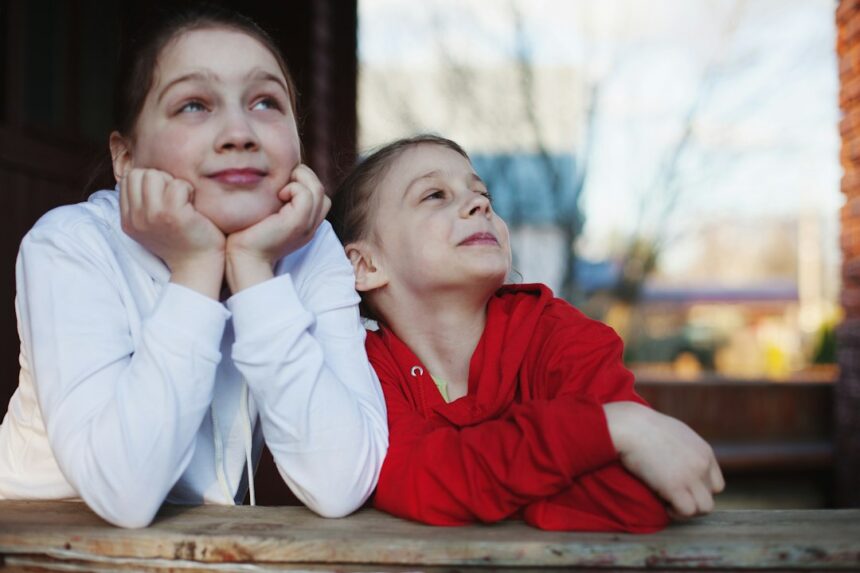
Childhood, a tapestry woven with shared experiences, laughter, tears, and the indelible imprint of family life, is often recounted with a sense of collective memory. Yet, step into a family gathering, and a curious phenomenon invariably emerges: siblings, who ostensibly grew up in the same house, under the same roof, and with the same parents, often recall the very same events with strikingly different perspectives, details, and emotional nuances. One sibling might remember a family vacation as a blissful adventure, while the other recalls it as a stressful ordeal. A childhood pet might be a cherished companion for one, and a source of forgotten anxieties for another. This divergence in memory isn’t a sign of deception or selective amnesia; it’s a testament to the intricate workings of the human mind, influenced by a complex interplay of psychological, neurological, and environmental factors. Understanding why siblings remember childhood differently unlocks a deeper appreciation for the subjective nature of memory and the unique individual journeys each person undertakes, even within the shared landscape of family.
Siblings often have different memories of shared experiences, which can be attributed to various psychological factors, including individual perspectives, emotional responses, and cognitive biases. For a deeper understanding of this phenomenon, you can explore the article on memory differences among siblings at Unplugged Psychology. This resource delves into how personal experiences and interpretations shape our recollections, highlighting the complexities of memory formation within familial relationships.
The Architect of Experience: How Birth Order Shapes Perception
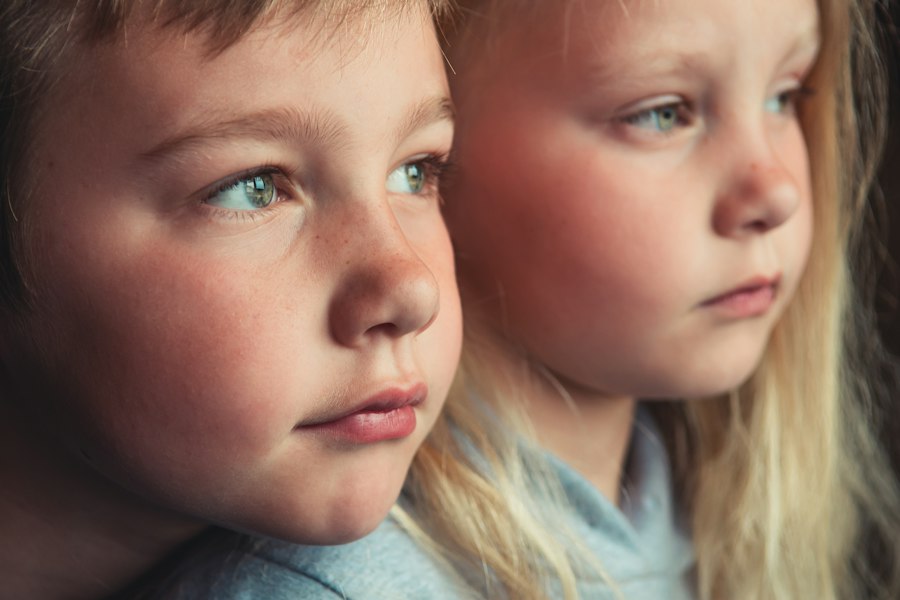
The position an individual occupies within the sibling hierarchy, commonly known as birth order, is one of the most widely studied and influential factors in shaping personality and, consequently, memory. While often oversimplified, the theories surrounding birth order offer compelling insights into how siblings might experience and remember their formative years differently. This is not about destiny, but rather about the distinct social and familial environments each child encounters as they navigate their early lives.
The Eldest Child’s Burden of Responsibility
Eldest children often enter a world where they are the sole focus of their parents’ attention. This initial period of undivided parental energy sets a unique trajectory. As younger siblings arrive, the eldest often assumes a role of responsibility, whether explicitly assigned or implicitly adopted. This can manifest as a caregiver, a protector, or simply a role model. Their memories might be colored by a sense of obligation, a heightened awareness of parental expectations, and a tendency to internalize the consequences of family decisions. They may remember the “firsts” – the first family home, the first major holiday, the first time parents faced significant challenges – with a more pronounced sense of ownership and importance. This can lead to memories that are more detailed regarding rules, parental authority, and the weight of being the first to navigate certain life stages. The feeling of being watched, and the pressure to perform, can imbue their recollections with a more serious, perhaps even slightly anxious, tone. They might recall times of parental stress with greater clarity, having been privy to conversations or situations that younger siblings were shielded from. Conversely, their memories of early childhood might be tinged with a sense of longing for the unburdened days before the arrival of siblings.
The Middle Child’s Quest for Identity
Middle children, often described as the negotiators and peacekeepers, occupy a unique space between the established authority of the eldest and the fresh attention given to the youngest. Their early experiences are intrinsically shaped by comparison. They are constantly measuring themselves against their older sibling(s) and later, the younger sibling(s). This can foster a strong drive for independence and a desire to carve out a distinct identity. Their memories might be characterized by a strategic maneuvering for attention, a keen observation of sibling dynamics, and a more nuanced understanding of social cues within the family. They might recall events where they felt overlooked, or conversely, times they successfully brokered peace or gained recognition through their own efforts. Their memories might be less about direct parental guidance and more about observing and adapting to the existing family structure. The middle child’s narrative is often one of seeking balance, of finding their own voice amidst the clamor, and their memories will likely reflect this ongoing process of self-definition. They might remember the “unfairness” of certain situations, or the clever ways they learned to navigate parental rules by observing their older siblings.
The Youngest Child’s Embrace of Freedom
The youngest child often benefits from a more relaxed parenting style, as parents, having navigated the trials of raising older children, might be more experienced, less anxious, and more willing to let go. This can lead to a sense of freedom and a less demanding environment. Their memories might be characterized by a greater emphasis on play, exploration, and perhaps a more optimistic and carefree outlook. They might recall the funnier, more lighthearted aspects of family life, and less of the strict discipline or parental worries that might have been more prevalent during the upbringing of their older siblings. The youngest child is often the recipient of the attention that their older siblings once commanded, and their memories might reflect a sense of being cherished and doted upon. They may have fewer memories of responsibility and more of being indulged. This can lead to a perception of childhood as a time of relative ease and joy, with fewer sharp edges or significant burdens. Their recollections might be more spontaneous and less structured, reflecting a less prescriptive upbringing.
The Only Child’s Singular Focus
While not a birth order position in the traditional sense, the experience of an only child is distinct and warrants consideration. Their entire childhood world revolves around their parents and their interactions with them. Their memories are unlikely to be influenced by sibling rivalries or comparisons. Instead, their recollections will be deeply intertwined with parental expectations, their own internal world, and the unique dynamics of a two-person or three-person family unit. They might have more detailed memories of conversations with parents, or a more developed sense of individual accomplishment and self-reliance, as they have not had to share the spotlight. The absence of sibling comparisons can lead to a more direct and less filtered experience of their upbringing, with their memories reflecting a more singular and focused developmental path.
The Unseen Architect: Genetic Predispositions and Temperamental Differences

Beyond the external influences of birth order, the very fabric of an individual’s being, their genetic makeup, plays a crucial role in how they perceive and remember their past. Each sibling is a unique biological entity, inheriting a distinct set of genetic predispositions that shape their temperament, their emotional reactivity, and their cognitive processing styles. These innate differences can profoundly color their childhood recollections.
The Emotional Filter: How Mood Influences Recall
Temperament, the innate emotional disposition of an individual, acts as a powerful filter through which life experiences are processed and stored. A child who is naturally more prone to anxiety might remember a seemingly benign event with a focus on potential dangers or negative outcomes. Conversely, a more optimistic child might highlight the positive aspects, minimizing or overlooking the less pleasant details. For instance, a family outing to a crowded amusement park might be remembered by an anxious sibling as a stressful experience filled with overwhelming noise and the fear of getting lost. The same outing, for an easygoing sibling, might be a joyous occasion filled with exciting rides and shared laughter. This emotional lens doesn’t necessarily lead to inaccurate memories, but rather to memories that are selectively emphasized and imbued with the dominant emotional tone of the individual. Over time, these emotionally charged memories become more salient and are more readily retrieved, reinforcing the individual’s underlying temperament and shaping their narrative of childhood.
The Cognitive Style: Attention and Information Processing
Siblings can also possess different cognitive styles, influencing how they attend to information and how their brains process it. Some individuals might be detail-oriented, meticulously recalling factual information and sequences of events. Others might be more holistic, focusing on the overall impression or the emotional essence of an experience. This can lead to significant discrepancies in memory. Imagine a family dinner where a specific argument occurred. A detail-oriented sibling might recall the exact words spoken, the seating arrangement, and the precise duration of the conflict. A more holistic sibling, however, might remember the general atmosphere of tension, the feeling of unease, and the lingering emotional impact, without necessarily recalling the specifics of the dialogue. These differences in attention and processing mean that even when exposed to the same stimulus (the event), the amount and type of information encoded and subsequently retrieved will vary significantly.
The Neurological Landscape: Brain Development and Memory Formation
The biological underpinnings of memory are also subject to individual variation. While the fundamental processes of memory formation are universal, differences in brain structure, neurotransmitter levels, and the efficiency of neural pathways can influence how memories are consolidated and retrieved. For example, variations in the hippocampus, a key area for memory formation, could lead to subtle differences in the vividness and recall of episodic memories. Furthermore, the adolescent brain, a period of significant development, undergoes different trajectories for each individual, impacting the maturation of prefrontal cortex regions responsible for executive functions like working memory and the filtering of information. These biological nuances, while subtle, contribute to the unique tapestry of each sibling’s memory.
The Shadow of Environment: Home, Family Dynamics, and External Influences
While genetics and birth order provide an internal framework for memory, the external environment plays an equally crucial role in shaping how childhood experiences are perceived and remembered. The specific atmosphere of the family home, the nuances of parental relationships, and even the broader societal context can leave indelible marks on individual recollections.
The Family Ecosystem: Parental Relationships and Home Atmosphere
The dynamics within the parental relationship and the overall atmosphere of the home create a unique emotional landscape for each child. Siblings might experience the same parental arguments or periods of stress through different emotional filters, depending on how directly they were involved or how they were shielded. For instance, a child who overheard parental fights might develop anxieties and memories colored by fear and instability. Another sibling, perhaps younger and less aware, might have less vivid recollections of these events, or might remember them as distant background noise. The emotional climate – whether the home was generally warm and supportive, or tense and critical – will deeply influence the emotional tone of memories. A child who felt consistently praised might remember their childhood with a sense of confidence and achievement, while one who felt frequently criticized might recall instances of failure and inadequacy.
The Sibling Dyad: Competition, Camaraderie, and Individual Needs
The relationship between siblings themselves is a powerful shaper of memory. Sibling rivalry, for example, can lead to memories focused on perceived injustices, competition for parental attention, and even acts of aggression, both real and imagined. Conversely, strong bonds of camaraderie can lead to cherished memories of shared adventures, inside jokes, and mutual support. The specific needs and personalities of each sibling within the dynamic also play a role. A highly dependent sibling might recall times they relied on their older sibling for comfort and protection, while that older sibling might remember those instances as burdens or moments of responsibility. These interpersonal interactions create a rich and complex web of shared yet uniquely experienced moments. Each sibling navigates these relationships based on their own developmental stage and individual needs, leading to distinct interpretations of the same interactions.
The Wider World: Social Influences and Cultural Context
While the immediate family environment is paramount, the broader social and cultural context in which a child grows up also leaves its mark. Historical events, prevailing societal norms, and even the specific school or neighborhood a child experiences can influence their memories. A sibling who was more socially outgoing and exposed to a wider range of peer groups might recall their childhood with a greater emphasis on friendships and external activities. Another, who was more introverted or had a more sheltered upbringing, might focus more on solitary pursuits or interactions within the family. Furthermore, cultural narratives and expectations about childhood can subtly influence how events are interpreted and remembered. What one generation or culture considers a significant hardship, another might view as a normal part of growing up.
Siblings often have different memories of the same events, which can be attributed to various factors such as individual perspectives and emotional responses. This phenomenon is explored in depth in a related article that discusses how memory is not just a simple recording of facts but is influenced by personal experiences and interpretations. For a more comprehensive understanding of this topic, you can read the article here. Understanding these differences can shed light on the complexities of familial relationships and the nature of memory itself.
The Neuroscience of Recalled Realities: Memory Consolidation and Retrieval
| Factor | Description | Impact on Memory Differences |
|---|---|---|
| Age Difference | Different ages at the time of an event can affect memory encoding and recall. | Older siblings may remember events younger siblings do not, or remember them differently. |
| Perception and Attention | Each sibling may focus on different aspects of the same event. | Leads to varied details being remembered or emphasized. |
| Emotional Impact | Emotions influence how memories are stored and recalled. | Siblings with different emotional responses may have different memories. |
| Parental Influence | Parents may recount events differently to each child. | Shapes how siblings remember shared experiences. |
| Memory Reconstruction | Memories are reconstructed each time they are recalled, which can alter details. | Leads to gradual divergence in siblings’ memories over time. |
| Individual Experiences | Each sibling may have unique interactions or experiences during the same event. | Results in different memories based on personal involvement. |
At the heart of why siblings remember childhood differently lies the intricate and often imperfect science of memory itself. The brain’s remarkable capacity to encode, store, and retrieve information is not a perfect recording device; it is a dynamic and reconstructive process, prone to individual variations in how information is processed and accessed.
The Ever-Evolving Narrative: Memory as Reconstruction, Not Replication
It is crucial to understand that memory is not a static archive of past events. Instead, it is a reconstructive process. Each time a memory is recalled, it is subtly reassembled, influenced by current knowledge, beliefs, and emotions. This means that even if two siblings witness the same event, their subsequent recollections can diverge as they individually reconstruct the experience. New information or a shift in perspective can alter how the memory is stored and retrieved. Imagine a childhood disagreement. Years later, one sibling might recall it as a minor misunderstanding, while the other remembers it as a deeply hurtful experience. This difference arises not from faulty recall of the initial event, but from the individual’s ongoing processing and reinterpretation of that event over time. The brain, in its effort to make sense of the past, integrates new information, leading to a continuously evolving narrative.
The Emotional Tagging: The Power of Affective Memory
Emotions play a pivotal role in memory formation and retrieval. Events that are associated with strong emotions, whether positive or negative, are more likely to be remembered vividly. This phenomenon, known as affective memory, explains why siblings might focus on different aspects of the same event. A sibling who experienced significant joy during a particular family gathering might have a clearer and more detailed recollection of the celebratory moments. Conversely, a sibling who experienced anxiety or fear during the same event might recall the unsettling aspects with greater clarity. These emotional tags act like mental bookmarks, making certain memories more accessible and more impactful in their recall. The intensity of the emotional response to an event can override the recall of neutral details, leading to a skewed yet personally significant memory.
The Retrieval Cues: The Keys to Unlocking the Past
The way memories are retrieved is also highly individual. Retrieval cues – prompts that help us access stored information – can be diverse and context-dependent. What triggers a memory for one sibling might be completely irrelevant to another. A particular song might instantly transport one sibling back to a specific summer vacation, evoking a flood of associated memories. The other sibling, however, might hear the same song and feel no particular connection. These retrieval cues are shaped by individual experiences, associations, and the unique neural pathways that have been formed. Therefore, even when presented with the same external stimulus, the internal pathways leading to memory access can differ significantly, resulting in varied recollections of the past. The richness and specificity of these retrieval cues are cultivated throughout life, making each individual’s memory access unique.
The Gift of Perspective: Embracing Divergent Childhood Narratives
The realization that siblings remember childhood differently is not a cause for concern, but rather a profound insight into the individuality of human experience. It highlights that each person constructs their own unique narrative of the past, a tapestry woven from their distinct genetic makeup, temperamental predispositions, life experiences, and the complex interplay of their familial environment.
Valuing Each Unique Story
Understanding the scientific underpinnings of these differing memories fosters a greater appreciation for each sibling’s individual journey. It encourages empathy and a willingness to listen to and validate each other’s perspectives, even when they diverge from one’s own. Instead of dismissing a sibling’s recollection as inaccurate or incomplete, one can see it as a genuine reflection of their lived experience. This acknowledgment can strengthen sibling bonds by fostering a sense of mutual respect and understanding. The differences in memory are not a sign of a broken family history, but rather a testament to the diverse ways individuals engage with and make sense of their shared past. Each memory, however distinct, holds a piece of the family’s collective story.
The Importance of Shared Narratives and Open Communication
While individual memories may differ, the act of sharing these memories and engaging in open communication about them can be incredibly enriching. By discussing their recollections, siblings can gain new insights into each other’s perspectives, fill in gaps in their own memories, and even discover forgotten details. This collaborative process of memory reconstruction can create a more complete and nuanced understanding of their shared past. It allows for the creation of a richer, multi-faceted family history, where multiple viewpoints are not only tolerated but celebrated. This dialogue can also serve as a powerful tool for conflict resolution, helping siblings understand the roots of past disagreements and develop more effective communication strategies for the future.
Moving Forward with Compassion and Understanding
Ultimately, recognizing why siblings remember childhood differently allows for a more compassionate and understanding approach to family relationships. It moves beyond the simplistic notion of a singular, objective truth about the past and embraces the subjective realities that each individual carries. This understanding can help to heal old wounds, foster forgiveness, and build stronger, more resilient sibling relationships. It underscores the idea that while they may have shared a home, they have lived vastly different, yet equally valid, childhoods. This acceptance allows for a more authentic and connected present, built on a foundation of mutual respect for each other’s unique histories and interpretations of life.

100% Same Genes, Different Minds: The Dark Psychology of the Genain Quadruplets
FAQs
1. Why do siblings have different memories?
Siblings have different memories due to a variety of factors such as birth order, individual experiences, and unique perspectives on shared events.
2. How does birth order affect siblings’ memories?
Birth order can influence siblings’ memories as older siblings may have different recollections of events compared to younger siblings, based on their age and developmental stage at the time.
3. Can siblings have different memories of the same event?
Yes, siblings can have different memories of the same event because each individual processes and stores memories differently, leading to variations in how they recall specific details.
4. Do siblings’ personalities play a role in their differing memories?
Yes, siblings’ personalities can impact their memories as individuals with different traits may focus on different aspects of an event or interpret it in varying ways, leading to discrepancies in their recollections.
5. How can family dynamics contribute to siblings having different memories?
Family dynamics, such as favoritism, conflicts, or communication patterns, can influence siblings’ memories by shaping their perceptions of events and interactions within the family, leading to divergent recollections.