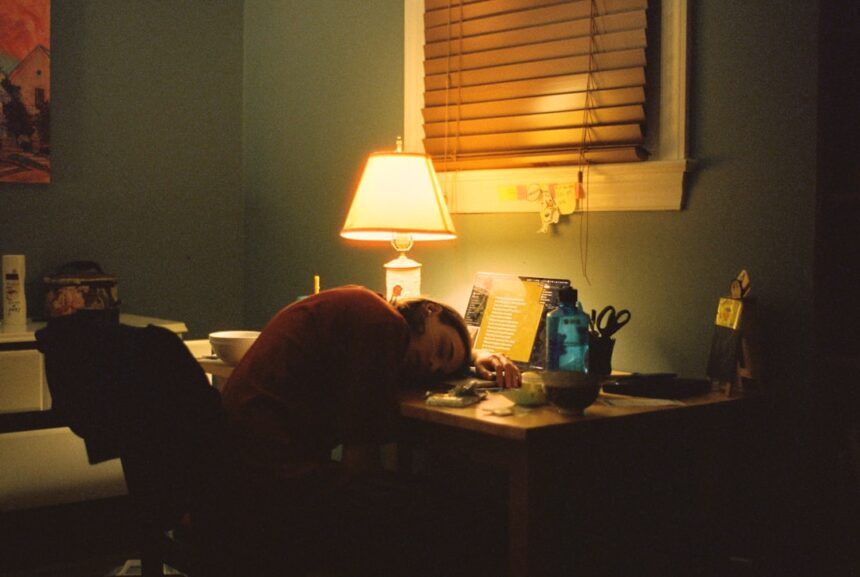
Every night, it’s the same script. You tell yourself, “Just one more episode,” or “I’ll just finish this article,” or “Maybe if I scroll a little longer, I’ll feel less anxious.” And then, before you know it, the clock has crept past midnight, then 1 am, and suddenly, the dread begins to settle in. You know, deep down, that you’re signing yourself up for a day of struggle, a day where every task feels like climbing a mountain. This is the familiar narrative of your own sleep deprivation, a cycle you continuously fall into, and a cycle you perpetually regret.
The Siren Song of the Night
There’s a strange allure to the late hours, isn’t there? The world quiets down, the demands of others fade, and suddenly, you have this perceived window of freedom. It feels like your own personal time, a sanctuary from the hustle and bustle of daylight. This is the siren song of the night, beckoning you with promises of productivity, entertainment, or simply peace. But as you’ve learned time and time again, this peace is fleeting, and the productivity you chase often evaporates by morning. You convince yourself that this is the most efficient time to get things done, to truly focus without interruption. Perhaps you’re catching up on work, diving into a compelling book, or getting lost in the endless scroll of social media. Whatever the allure, the outcome is consistently the same: a promise of more time that ultimately steals from your well-being.
The immediate effects of staying up late are often noticeable the next day – the grogginess, the irritability. But the insidious truth is that even occasional sleep deprivation chips away at your physical health in ways you might not immediately connect. You might experience a cascade of negative physical sensations and symptoms that become a regular toll for your late-night habits.
The Immune System Under Siege
Your immune system is your body’s silent guardian, working tirelessly to protect you from illness. When you consistently skimp on sleep, you’re essentially weakening its defenses. This makes you more susceptible to catching colds, the flu, and other infections. You’ll find yourself getting sick more often, and when you do fall ill, recovery takes longer. Think about it: how many times have you heard yourself say, “I never used to get sick this much before I started staying up so late”? This is your body’s way of telling you that its defense mechanisms are being compromised. The inflammatory responses in your body can become dysregulated, contributing to a general feeling of being unwell and making you a more inviting target for pathogens. You might experience more frequent headaches, a general feeling of malaise, and even a heightened sensitivity to pain.
The Visible Toll: Skin and Appearance
Beyond the internal battles, sleep deprivation also manifests externally. Your skin, in particular, bears the brunt of your late nights. Lack of sleep can lead to dullness, increased puffiness, and even the exacerbation of acne. Dark circles under your eyes become a permanent fixture, and you might notice fine lines appearing prematurely. You try to mask these effects with makeup or skincare products, but you know deep down that the most effective treatment is elusive, lying in the restorative power of sleep. Your complexion loses its natural radiance, appearing sallow and tired, making you look older than you feel. The regenerative processes that occur during sleep, such as cell repair and collagen production, are significantly hampered when you’re not getting enough rest, leading to a less vibrant and more aged appearance over time.
The Metabolic Mayhem: Weight Gain and Increased Disease Risk
The connection between sleep and metabolism is stronger than you might realize. When you’re sleep-deprived, your body’s hormonal balance is disrupted, particularly the hormones that regulate appetite.
The Hunger Pangs: Increased Cravings for Unhealthy Foods
You’ll notice yourself reaching for sugary snacks and high-fat foods more often. Your cravings for unhealthy options skyrocket, and your ability to resist them diminishes significantly. This is because sleep deprivation can increase ghrelin, the hormone that stimulates appetite, and decrease leptin, the hormone that signals fullness. The result is a constant feeling of hunger, even if you’ve eaten recently. Late-night snacking, which often involves processed and calorie-dense foods, becomes a common ritual, contributing to a calorie surplus that your body struggles to manage. This isn’t just about willpower; it’s a biological imperative driven by your lack of sleep. You might find yourself planning your next meal before you’ve even finished your current one, a direct consequence of this hormonal imbalance.
The Unseen Threat: Increased Risk of Chronic Diseases
This consistent indulgence in unhealthy foods, coupled with the metabolic disruptions caused by sleep deprivation, significantly increases your risk of developing chronic diseases. You’re putting yourself on a path toward conditions like type 2 diabetes, heart disease, and obesity. The hormonal imbalances can lead to insulin resistance, making it harder for your body to regulate blood sugar levels. Furthermore, the increased inflammation associated with poor sleep can contribute to the development of cardiovascular issues. You might tell yourself you’ll deal with it later, but the reality is that the foundation for these serious health problems is being laid, night after night. The long-term consequences are far more serious than a few extra pounds; they are life-altering health conditions that could have been mitigated with consistent, quality sleep.
Staying up late often leads to a cycle of regret, as the consequences of sleep deprivation can significantly impact both mental and physical health. For those who find themselves in this predicament, understanding the science behind sleep and its effects on our well-being can be enlightening. A related article that delves into the importance of sleep and the reasons we often regret our late nights can be found at Unplugged Psychology. This resource offers valuable insights that may help you reconsider your nighttime habits and prioritize better sleep for a healthier lifestyle.
The Fog of the Mind: Cognitive Impairments and Emotional Turmoil
The impact of sleep deprivation extends far beyond the physical. Your brain, starved of essential rest, struggles to function optimally, leading to a cascade of cognitive and emotional challenges that make your days a constant uphill battle.
The Struggle for Focus: Decreased Concentration and Attention Span
During the day, you’ll find yourself easily distracted. Simple tasks require immense effort to complete, and your attention span dwindles. You’ll reread sentences multiple times, miss important details in conversations, and struggle to follow instructions. This can have a tangible impact on your work or studies, leading to errors and missed deadlines. You might feel like your brain is moving through molasses, unable to catch up to the demands placed upon it. The ability to sustain focus, a fundamental component of productivity and learning, becomes a precious commodity, constantly slipping through your fingers. You’ll notice yourself making silly mistakes, forgetting appointments, and generally feeling less sharp and efficient than you know you can be.
The Memory Meltdown: Impaired Learning and Recall
Sleep is crucial for memory consolidation. When you don’t get enough, your ability to learn new information and recall existing memories suffers. You’ll find yourself forgetting things you just learned, struggling to remember names, and generally feeling like your short-term memory is compromised. This can be incredibly frustrating, especially if you rely on your memory for work, school, or everyday life. You might feel like you’re constantly catching up, relearning things you already knew, or struggling to form new memories. The process of transferring information from your short-term to your long-term memory is significantly impaired, making it harder to retain important knowledge and skills. You’ll often find yourself asking for the same information repeatedly, or realizing you’ve completely forgotten a conversation you just had.
The Emotional Rollercoaster: Increased Irritability and Mood Swings
Lack of sleep makes you a much shorter fuse. You’ll find yourself becoming easily irritated by minor annoyances, snapping at loved ones, and generally feeling more on edge. Your emotional regulation is compromised, making it difficult to manage your feelings effectively.
The Shadow of Anxiety and Depression
Beyond simple irritability, chronic sleep deprivation can also exacerbate feelings of anxiety and depression. You might experience a pervasive sense of unease, worry, and a lack of motivation. The world can feel bleak and overwhelming when you’re constantly sleep-deprived, and these negative emotions can become a dominant force in your daily life. You might find yourself withdrawing from social activities, losing interest in hobbies you once enjoyed, and struggling to find pleasure in anything. The resilience you once possessed seems to have evaporated, leaving you vulnerable to the dark clouds of mental distress. The biological underpinnings of mood regulation are deeply intertwined with sleep, and when this crucial restorative process is disrupted, the delicate balance that maintains your mental well-being is thrown into disarray.
The Decision Dilemma: Impaired Judgment and Risky Behavior
Your ability to make sound decisions is also significantly impaired when you’re sleep-deprived. You’re more prone to impulsive choices and less likely to consider the long-term consequences of your actions. This can lead to regrettable decisions in your personal and professional life. You might find yourself taking unnecessary risks, saying things you later regret, or making poor financial choices. The prefrontal cortex, responsible for executive functions like judgment and decision-making, is particularly sensitive to sleep deprivation. This means your capacity for rational thought and careful consideration is significantly diminished, leaving you vulnerable to impulsive and potentially harmful actions. You’ll often find yourself acting on gut feelings without proper deliberation, or making snap judgments that you later realize were ill-conceived.
The Productivity Paradox: Why Staying Up Late Actually Hinders Your Progress
You often stay up late with the intention of being more productive, of getting ahead. What a cruel irony it is, then, that this very pursuit of productivity ultimately sabotages it.
The Illusion of Extra Time: The Diminishing Returns of Late-Night Work
That extra hour or two you gain by staying up late is rarely as productive as you hope. Your cognitive functions are impaired, leading to slower work, more mistakes, and a need for revisions. What you might accomplish in those late hours could likely be done more efficiently and effectively with a well-rested mind. You’re essentially forcing a tired brain to perform complex tasks, leading to a frustrating cycle of inefficiency. The quality of your work suffers, and you may even have to redo tasks that you completed while exhausted. The illusion of gaining time is just that – an illusion. In reality, you’re sacrificing quality and efficiency for a perceived quantity of time that doesn’t deliver on its promise.
The Cascade of Errors: Mistakes and Rework
You’ll find yourself making more errors, needing to correct your work, and ultimately taking longer to complete tasks than you would if you had slept. This means that what felt like a productive late-night session often results in more work needing to be done the next day to fix your mistakes. The ripple effect of these errors can extend beyond your immediate task, impacting team projects or client deliverables. You’ll find yourself spending precious daytime hours fixing what you rushed through in the dimly lit hours of the night, a frustratingly familiar pattern. This rework is not only time-consuming but also emotionally draining, reinforcing the regret you feel for not prioritizing sleep.
The Burnout Brigade: Long-Term Impact on Performance
Consistently sacrificing sleep for late-night work is a fast track to burnout. Your body and mind can only sustain this level of stress for so long before they begin to break down. Eventually, your overall productivity plummets, and you may even find yourself struggling to perform at your baseline.
The Performance Plateau: Reaching Your Limit
You might hit a point where no matter how late you stay up, you can’t seem to get anything done. Your brain feels foggy, your motivation wanes, and the tasks that were once manageable feel insurmountable. This is your body’s way of telling you that it has reached its limit, and that you’re depleting your mental and physical resources at an unsustainable rate. The drive you once felt is replaced by a pervasive sense of exhaustion, making even simple tasks feel like Herculean efforts. You’ll find yourself staring blankly at your computer screen, unable to muster the energy or mental clarity to move forward, a clear sign that your body is rebelling against your late-night habits.
The Cycle of Procrastination: The Seed of Future Late Nights
Ironically, the exhaustion and reduced cognitive function caused by sleep deprivation can lead to further procrastination. You might feel so overwhelmed and drained that you’re even less likely to tackle your tasks, perpetuating the cycle of staying up late to catch up, only to fall further behind. This creates a vicious cycle where your attempts to be productive lead to more fatigue, which in turn leads to more procrastination, and ultimately, more late nights. The very act of trying to get ahead by staying up late actually plants the seeds for future struggles and reinforces the pattern you so desperately want to break. You become trapped in a loop of feeling behind, trying to catch up late at night, becoming more tired, and then feeling even more behind.
The Social Strain: How Sleep Deprivation Affects Your Relationships
Your poor sleep habits don’t just impact you; they cast a shadow over your relationships with those closest to you. The irritability, the lack of presence, and the diminished capacity for empathy can create friction and strain.
The Communication Breakdown: Misunderstandings and Conflict
When you’re tired, your communication skills suffer. You’re more likely to misinterpret what others say, to react defensively, and to struggle with expressing yourself clearly. This can lead to frequent misunderstandings and unnecessary conflicts with your partners, friends, and family. You might find yourself having arguments over trivial matters, or saying things you immediately regret. The patience and empathy required for healthy communication become scarce resources when you’re operating on insufficient sleep. Your tone can become sharper, your listening skills dulled, and your ability to navigate sensitive conversations significantly hampered.
The Unseen Distance: Emotional Disconnect
Beyond arguments, a more subtle but equally damaging consequence is the emotional disconnect that creeps into your relationships. When you’re exhausted, you have less energy and emotional capacity to connect with others, to be present, and to offer support. You might find yourself withdrawing, becoming less engaged in conversations, and feeling detached from the people you care about most. This emotional distance can leave your loved ones feeling neglected and unvalued, even if it’s not your intention. The shared moments of joy, the comforting presence during difficult times – these vital aspects of connection become harder to maintain when you’re constantly battling fatigue.
The Missed Moments: Sacrificing Quality Time
The late nights you choose often come at the expense of quality time with loved ones. While you’re scrolling through your phone or working on a late-night project, those precious hours that could be spent connecting, laughing, or simply being together are lost.
The Empty Chair: The Cost of Prioritizing Solitude Over Connection
You might be sitting alone in front of your screen, while your partner is in bed or your family is engaging in evening activities. You tell yourself it’s just an hour, but these stolen hours accumulate, creating a quiet distance. The opportunities for spontaneous conversations, shared experiences, and strengthening bonds are traded for the solitary pursuit of whatever occupies your late-night hours. You may find yourself experiencing guilt later about the missed movie nights, family dinners, or simple quiet evenings spent together, a poignant reminder of the sacrifices you’ve made. The comfort and support you derive from your relationships are also diminished when you consistently choose solitary pursuits over shared experiences.
The Long-Term Erosion: The Impact on Intimacy and Trust
Over time, the consistent prioritizing of late nights over shared time can erode the foundations of intimacy and trust in your relationships. Your loved ones may begin to feel that they are not a priority, or that you are always unavailable. This can lead to resentment and a weakening of the overall bond. The effort required to rebuild these connections, once they have been damaged, can be substantial, making the initial regret for staying up late seem almost trivial in comparison to the long-term consequences. The sense of partnership and shared life that is crucial for fulfilling relationships can be steadily undermined when one individual consistently opts out of shared time in favor of solitary late-night activities.
Staying up late often leads to feelings of regret the next day, as I find myself battling fatigue and decreased productivity. This common struggle is explored in depth in a related article that discusses the psychological effects of sleep deprivation and the importance of maintaining a healthy sleep schedule. By understanding the consequences of our late-night habits, we can make more informed choices about our bedtime routines. For more insights on this topic, you can read the article here.
The Cycle of Regret: Breaking Free from the Late-Night Trap
| Reasons for Regretting Staying Up Late | Impact |
|---|---|
| Feeling tired the next day | Decreased productivity and focus |
| Increased stress and irritability | Difficulty managing emotions |
| Health issues | Compromised immune system and increased risk of chronic diseases |
| Disrupted sleep schedule | Difficulty falling asleep at a regular time |
The regret is a powerful indicator, a signal from your own consciousness that your current habits are not serving you. The good news is that regret, while unpleasant, can be the catalyst for change. You have the power to break free from this cycle.
Recognizing the Pattern: Becoming Aware of Your Triggers
The first step is to become acutely aware of the patterns and triggers that lead you to stay up late. Is it a specific time of day? A particular emotional state? External pressures? Identifying these triggers is crucial for developing strategies to counteract them. You need to actively observe your own behavior and learn to recognize the subtle cues that signal the impending pull of the late night. This might involve keeping a sleep diary or simply taking a moment to reflect at the end of each day. Without this awareness, you’re simply reacting to impulses rather than proactively managing them. You’ll start to notice that certain situations or feelings reliably precede your decision to stay up late, making them easier to anticipate and address.
The “Just One More” Mentality: Challenging Your Automatic Thoughts
You need to challenge the “just one more” mentality that often accompanies late-night activities. When you catch yourself thinking that, pause and ask yourself honestly: “Is this one more thing truly necessary? What are the consequences?” This conscious questioning can disrupt the automatic thought process and give you an opportunity to make a different choice. Replacing these automatic thoughts with more beneficial ones, such as “My body needs rest,” or “I’ll be more effective tomorrow after a good night’s sleep,” can be powerful in shifting your behavior. This conscious interruption of your default thinking is a crucial step in retraining your brain towards prioritizing sleep. You’re actively working to dismantle the ingrained mental pathways that lead you to prolonged wakefulness.
Creating a Haven: Establishing Healthy Sleep Habits
Once you’re aware of your triggers, you can begin to build a healthier sleep routine. This involves creating a conducive sleep environment and establishing a consistent bedtime.
The Wind-Down Ritual: Preparing Your Body and Mind for Sleep
Develop a relaxing wind-down ritual in the hour before bed. This could include reading a book, taking a warm bath, listening to calming music, or practicing mindfulness exercises. Avoiding screens, caffeine, and heavy meals close to bedtime is also essential. This ritual signals to your body that it’s time to transition from the activity of the day to the rest of the night. It’s about creating a clear distinction between waking life and the restorative process of sleep. This intentional transition helps to quiet your mind and prepare your body for the deep sleep it needs to function optimally. You are actively creating a buffer zone between the demands of your day and the stillness of your night.
The Sleep Sanctuary: Optimizing Your Bedroom Environment
Make your bedroom a true haven for sleep. Ensure it’s dark, quiet, and cool. Invest in comfortable bedding and pillows. These environmental factors play a significant role in the quality of your sleep. A well-optimized sleep environment can significantly reduce disturbances and promote deeper, more restorative sleep. Consider blackout curtains to eliminate light pollution, earplugs if necessary, and a comfortable mattress that supports your body. The goal is to create a space that is solely dedicated to rest, free from distractions and conducive to uninterrupted slumber. You are creating a physical space that actively supports your efforts to reclaim your sleep.
Seeking Support: The Power of Accountability and Professional Help
You don’t have to break this cycle alone. Reach out to friends or family for accountability, or consider seeking professional help if sleep deprivation is significantly impacting your life.
The Accountability Partner: Sharing Your Goals and Progress
Find a friend or family member who can support your efforts to improve your sleep. Share your goals with them and ask them to check in on your progress. Having someone to hold you accountable can provide an extra layer of motivation and encouragement. This shared commitment can make the journey less daunting and provide a source of encouragement when you face setbacks. Knowing that someone else is invested in your success can be a powerful motivator to stick with your new habits. You are building a support network that reinforces your commitment to breaking free from the late-night trap.
The Professional Compass: When to Seek Expert Guidance
If you’ve tried to improve your sleep habits and are still struggling, don’t hesitate to consult a doctor or a sleep specialist. They can help identify any underlying sleep disorders and provide personalized strategies for improvement. There are effective treatments and interventions available, and sometimes, a professional perspective is all you need to get your sleep back on track. They can offer evidence-based strategies and support tailored to your specific needs, helping you navigate the complexities of sleep health and overcome persistent challenges. You are empowering yourself by seeking expert guidance to address problems that may be beyond your self-guided efforts.
Your regret is a powerful messenger. Listen to it. Every time you feel that familiar pang of dread the morning after a late night, let it serve as a reminder of the consequences. You are capable of change. By understanding the profound impact of sleep deprivation on your physical, cognitive, and emotional well-being, and by implementing consistent, healthy sleep habits, you can finally break free from the cycle of regret and reclaim your days, your health, and your overall happiness. The promise of those extra few hours at night is never worth the cost of your well-being.

Why You Stay Up Late Even When You’re Exhausted
FAQs
1. What are the negative effects of staying up late?
Staying up late can lead to a variety of negative effects, including fatigue, decreased cognitive function, mood disturbances, and an increased risk of certain health conditions such as obesity, diabetes, and heart disease.
2. How does staying up late affect cognitive function?
Staying up late can impair cognitive function, leading to difficulties with memory, decision-making, and problem-solving. It can also negatively impact attention and concentration.
3. What are the potential health risks of staying up late?
Staying up late has been linked to an increased risk of obesity, diabetes, heart disease, and other chronic health conditions. It can also disrupt the body’s natural circadian rhythm, which may contribute to long-term health issues.
4. How does staying up late affect mood and mental health?
Staying up late can lead to mood disturbances such as irritability, anxiety, and depression. It can also exacerbate existing mental health conditions and contribute to overall feelings of stress and overwhelm.
5. What are some tips for improving sleep habits and avoiding staying up late?
To improve sleep habits and avoid staying up late, it’s important to establish a consistent sleep schedule, create a relaxing bedtime routine, limit screen time before bed, and prioritize a comfortable sleep environment. Additionally, avoiding caffeine and heavy meals close to bedtime can help promote better sleep.