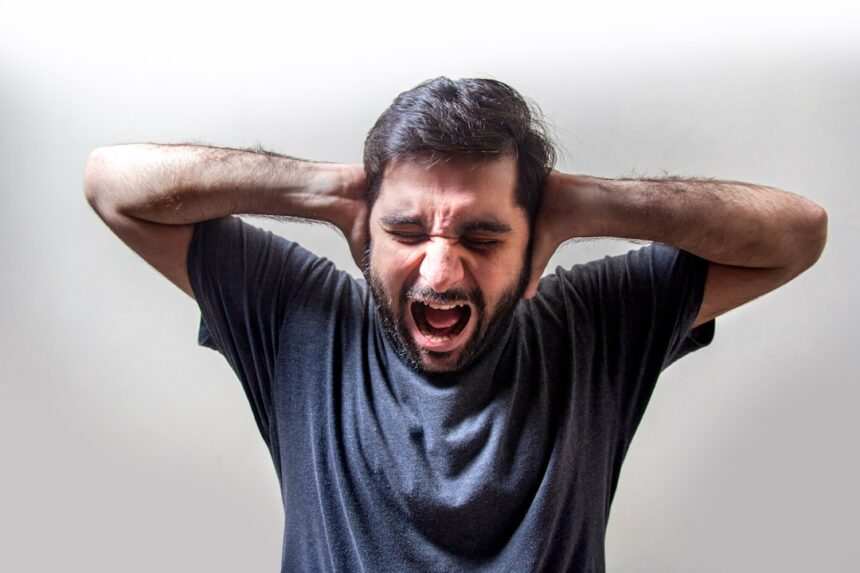
When Someone Pulls Away: Dealing with Anxious Attachment
It’s a familiar, gnawing sensation, isn’t it? That sudden chill in the air, the subtle shift in tone, the perceived withdrawal of affection. You’ve been there. You know the feeling of your heart sinking, your mind racing, and the desperate urge to close the growing distance. You’re experiencing someone pulling away, and if you identify with an anxious attachment style, this scenario can send you into a tailspin. It’s not just a simple disappointment; it’s a deep-seated fear of abandonment being triggered, a symphony of worst-case scenarios playing out in your head. This article is for you, the one who feels it all so acutely, the one who’s been left wondering, “What did I do wrong?”
Understanding anxious attachment is the first, crucial step in navigating these difficult waters. It’s not a flaw or a weakness; it’s a learned response, a pattern of relating that developed from early experiences. Your brain, in its wisdom, created a strategy to try and maintain connection and avoid perceived rejection. While this strategy might have served you in the past, when it comes to adult relationships, it can often lead to more pain than protection. This article will delve into the nuances of anxious attachment, explore the common triggers when someone pulls away, and equip you with practical strategies to manage your reactions and build healthier, more secure connections.
Before you can effectively deal with someone pulling away, you need to understand the roots of your own reactions. Anxious attachment isn’t about being overly needy or demanding, though it can sometimes manifest that way. It’s about a deep-seated fear of abandonment and a strong desire for emotional closeness and responsiveness from your partners. This style often stems from inconsistent caregiving in childhood. Perhaps your needs weren’t always met, or perhaps they were met inconsistently, leaving you in a state of perpetual uncertainty about your caregiver’s availability and affection.
The Core Fears of Anxious Attachment
At the heart of anxious attachment lie specific fears that can be amplified when a partner distances themselves. These fears are potent and can hijack your rational thinking.
Fear of Abandonment
This is the big one. The fear that the person you care about will leave you, often for reasons you can’t control. When someone pulls away, it can feel like confirmation of this deeply held belief. Your mind might conjure images of being left alone, rejected, and unloved. This fear can drive desperate behaviors as you try to prevent the dreaded outcome.
Fear of Rejection
Closely linked to the fear of abandonment is the fear of rejection. You worry that you are inherently unlovable or not good enough, and that the withdrawal of your partner is proof of this. This can lead to intense self-criticism and a tendency to analyze every interaction for signs of disapproval.
Fear of Not Being Enough
The feeling of inadequacy can be a constant companion. You might believe that you need to be perfect, always agreeable, or constantly prove your worth to keep someone close. When someone pulls away, it can feel like you’ve failed in this unspoken test.
The Behavioral Patterns of Anxious Attachment
These core fears often translate into recognizable behaviors, especially when a partner seems distant. Understanding these patterns in yourself is key to changing them.
Clinginess and Over-Attachment
The desire to maintain closeness can lead to behaviors that feel overwhelming to a partner. This might look like constant texting, seeking reassurance, or feeling unhappy when you’re apart for extended periods.
High Need for Reassurance
You might frequently seek validation from your partner, asking questions like, “Do you still love me?” or “Are you mad at me?” This constant need for reassurance stems from the uncertainty you feel about the relationship’s stability.
Difficulty with Independence
While you crave connection, you might also struggle with feeling comfortable and confident when you’re on your own. The thought of being alone can be deeply unsettling, leading you to prioritize your partner’s presence above your own needs.
Intense Emotional Reactions
When your fears are triggered, your emotional responses can be powerful. This might include heightened anxiety, sadness, anger, or a feeling of panic. These intense emotions can be difficult to manage and can sometimes push partners away.
Anxious attachment can often lead to heightened feelings of insecurity when a partner pulls away, causing individuals to experience intense worry and fear of abandonment. Understanding this dynamic is crucial for fostering healthier relationships. For more insights on how anxious attachment styles manifest and strategies to cope with these feelings, you can read a related article on this topic at Unplugged Psych. This resource provides valuable information that can help individuals navigate their emotions and improve their relational patterns.
Recognizing the Signs of Withdrawal
The first step in dealing with someone pulling away is to accurately identify when it’s happening. It’s not always a dramatic declaration; often, it’s a series of subtle cues that can be easily missed if you’re not attuned to them, or easily over-interpreted if your anxiety is already high.
Subtle Shifts in Communication
These are the silent signals that something has changed. They might be so small that you question your own perception, but to an anxious attachment style, they can feel like a siren call.
Reduced Texting or Calling
When a partner who used to initiate contact regularly suddenly becomes less communicative, it can be a significant sign. Fewer texts, longer response times, or a decrease in spontaneous calls can all contribute to feelings of unease.
Shorter or More Superficial Responses
Even if they are still communicating, the depth of their responses might decrease. Conversations can feel less engaging, with more one-word answers or less interest in your day. This can leave you feeling unheard and disconnected.
Avoidance of Deep Conversations
When you try to initiate a conversation about feelings or the relationship, they might deflect, change the subject, or become withdrawn. This avoidance can be particularly upsetting for someone who craves emotional intimacy.
Changes in Behavior and Interaction
Beyond communication, their actions can also signal a shift in their emotional availability.
Less Physical Affection
A decrease in hugs, kisses, hand-holding, or other forms of physical intimacy can be a clear indicator of distance. This can feel particularly alarming for those who rely on physical touch for reassurance.
Increased Time Spent Alone or With Others
If your partner starts spending significantly more time on their own, with friends, or engaged in activities without you, it can feel like they are creating space and pulling away from your shared life.
Less Enthusiasm for Shared Activities
When they show less excitement about plans you’ve made together, or seem less engaged when you are together, it can be a sign that their interest or emotional investment is waning.
Perceived Emotional Distance
You might notice that they seem less emotionally present, less invested in your well-being, or less available to offer support. This emotional unavailability can be a profound source of anxiety.
Managing Your Anxious Response

Once you recognize the signs of withdrawal, the next, and often most challenging, step is managing your own anxious response. This is where conscious effort and self-compassion are essential. Your instinct might be to react immediately and intensely, but learning to pause and employ different strategies can make a world of difference.
The Power of the Pause: Creating Space for Reflection
Your anxious attachment style often drives an impulse to act quickly, to fix the perceived problem, or to prevent the feared outcome. However, the most effective strategy in these moments is often the opposite: to pause.
Breathing Exercises and Mindfulness
When you feel that familiar knot of anxiety tightening in your chest, take a moment to focus on your breath. Deep, slow inhales and exhales can help calm your nervous system. Mindfulness practices, even for a few minutes, can help you ground yourself in the present moment and observe your thoughts and feelings without judgment.
Journaling Your Thoughts and Feelings
Writing down what you’re experiencing can be incredibly cathartic. It allows you to externalize your anxieties, identify the specific thoughts that are fueling them, and begin to untangle them from reality. Ask yourself: What are my fears right now? What evidence do I have for these fears? What is a more balanced perspective?
Grounding Techniques
Engage your senses to bring yourself back to the present. What are five things you can see, four things you can touch, three things you can hear, two things you can smell, and one thing you can taste? This simple exercise can interrupt your anxious thought loop.
Challenging Your Anxious Thoughts
Your mind, when in an anxious state, can be a master storyteller, weaving elaborate narratives that are often far from the truth. The key is to become a critical observer of these stories.
Identifying Cognitive Distortions
Learn to recognize common thinking errors like catastrophizing (assuming the worst will happen), mind-reading (assuming you know what others are thinking), and personalization (taking everything as a personal attack). Once you can identify them, you can begin to challenge their validity.
Seeking Evidence for and Against Your Fears
Instead of accepting your fearful thoughts as facts, actively look for evidence that contradicts them. Has this person shown you consistent love and commitment in the past? Are there other explanations for their behavior besides a rejection of you?
Practicing Self-Compassion
When you’re struggling with anxious thoughts, it’s easy to fall into self-blame. Remind yourself that your attachment style is a learned response and that you are doing your best. Treat yourself with the same kindness and understanding you would offer a friend in a similar situation.
Communicating Your Needs Effectively

Once you’ve managed your immediate anxious response, it’s time to address the situation with your partner. However, this communication needs to be approached with intention and a focus on building connection rather than demanding reassurance.
Expressing Your Feelings Without Blame
The goal is to articulate your experience and needs in a way that fosters understanding, not defensiveness. Avoid accusatory language that can put your partner on the spot.
Using “I” Statements
Frame your feelings and observations around your own experience. Instead of saying, “You always ignore me,” try, “I’ve been feeling a bit disconnected lately, and I miss our deeper conversations.”
Focusing on Specific Behaviors and Their Impact
Instead of vague complaints, point to concrete examples of what you’ve observed and how it makes you feel. For instance, “When I don’t hear from you for a while, I start to feel anxious because I worry about our connection.”
Clearly Stating Your Needs
Once you’ve expressed your feelings, clearly articulate what you need to feel more secure and connected. This might involve a request for more frequent check-ins, more open communication about their feelings, or dedicated time together.
Navigating Your Partner’s Response
Your partner’s reaction to your communication will also be a crucial piece of information. It’s important to be prepared for various responses and to navigate them constructively.
Listening Actively and Empathetically
Even if their response isn’t what you hoped for, try to listen to their perspective without immediately interrupting or invalidating their feelings. Understand that they may have their own reasons for their behavior that have nothing to do with you.
Understanding Their Attachment Style
While this article focuses on anxious attachment, recognizing that your partner might have a different attachment style (secure, avoidant) can help you understand their behavior and tailor your communication. An avoidant partner, for instance, might need space when they feel overwhelmed, and your anxious attempts to connect might inadvertently push them further away.
Setting Healthy Boundaries
If your partner consistently dismisses your feelings or refuses to meet your reasonable needs, it might be necessary to set boundaries. This doesn’t mean you’re demanding perfection, but rather that you’re protecting your own emotional well-being.
Individuals with anxious attachment often experience heightened distress when their partner pulls away, leading to feelings of insecurity and fear of abandonment. This reaction can create a cycle of anxiety that may push the partner further away, exacerbating the situation. For those seeking to understand this dynamic better, an insightful article on the topic can be found at Unplugged Psych, which explores the intricacies of attachment styles and their impact on relationships. Understanding these patterns can help individuals navigate their emotions and foster healthier connections.
Building Secure Attachment in Yourself and Your Relationships
| Metrics | Data |
|---|---|
| Frequency of anxious thoughts | High |
| Physical symptoms (e.g. racing heart, sweating) | Present |
| Emotional distress level | High |
| Behavioral responses (e.g. seeking reassurance) | Frequent |
Dealing with someone pulling away when you have an anxious attachment style is not just about managing the immediate crisis; it’s about embarking on a journey of personal growth and cultivating a more secure way of relating to yourself and others.
Cultivating Self-Soothing Skills
The ultimate goal of working with anxious attachment is to develop the ability to self-soothe, to find internal validation and comfort, rather than relying solely on external sources.
Developing a Strong Sense of Self-Worth
Your worth is not dependent on your partner’s approval or presence. Focus on your own strengths, values, and accomplishments. Engage in activities that make you feel capable and fulfilled, independent of your relationship.
Building a Robust Support System
Surround yourself with supportive friends and family who can offer perspective, comfort, and a sense of belonging. These relationships can act as a buffer against the intensity of romantic relationship challenges.
Practicing Self-Care Consistently
Prioritize activities that nourish your mind, body, and soul. This could include exercise, hobbies, spending time in nature, or anything that brings you joy and relaxation.
Fostering Secure Relationships
As you work on your own internal landscape, you can also actively cultivate more secure dynamics in your relationships.
Choosing Partners Who Exhibit Secure Traits
While you can’t control who you’re attracted to, becoming aware of the qualities of secure partners can help you make more informed choices. Secure individuals tend to be emotionally available, communicate openly, and respect boundaries.
Practicing Secure Communication Patterns
Consciously work on communicating your needs directly and respectfully, listening actively, and being willing to compromise. This creates a foundation of trust and understanding.
Being Patient and Persistent
Building secure attachment is a process, not an overnight transformation. There will be setbacks and moments of doubt. Be patient with yourself and your partners, and celebrate the small victories along the way.
When someone pulls away, it can feel like the end of the world, especially for those with an anxious attachment style. But remember, this is not a reflection of your inherent worth. By understanding your patterns, managing your reactions, communicating effectively, and prioritizing your own well-being, you can navigate these challenging moments with greater grace and build relationships that are not only fulfilling but also deeply secure. You are capable of experiencing love and connection that is both passionate and stable.

Why You Want Them More When They Pull Away
FAQs
What is anxious attachment?
Anxious attachment is a style of attachment in relationships characterized by a fear of abandonment, a constant need for reassurance, and a tendency to become overly dependent on the partner.
What are the signs of anxious attachment when someone pulls away?
When someone with anxious attachment experiences their partner pulling away, they may exhibit signs such as heightened anxiety, increased clinginess, seeking constant reassurance, and feeling a sense of abandonment.
How does anxious attachment affect relationships when someone pulls away?
When someone with anxious attachment experiences their partner pulling away, it can lead to increased insecurity, overthinking, and a heightened fear of abandonment. This can result in behaviors such as clinginess, neediness, and seeking constant reassurance, which can strain the relationship.
What are some ways to cope with anxious attachment when someone pulls away?
Coping with anxious attachment when someone pulls away can involve practicing self-soothing techniques, seeking therapy to address underlying attachment issues, setting healthy boundaries, and working on building self-confidence and self-reliance.
Can anxious attachment be changed or improved?
Yes, anxious attachment can be changed or improved through therapy, self-reflection, and practicing healthy relationship behaviors. By addressing underlying insecurities and learning to regulate emotions, individuals with anxious attachment can develop more secure attachment styles.