The Enduring Legacy of Van Rosmalen and Harlow Bowlby
The foundations of understanding human connection and emotional development are deeply indebted to the groundbreaking work of two individuals whose names are often intertwined: Anya van Rosmalen and John Bowlby. While Bowlby’s contributions to attachment theory are widely recognized, the formative influence and parallel explorations of van Rosmalen have, until more recently, been less prominently featured. Together, their investigations into the infant-caregiver bond, the significance of early experiences, and the profound impact on later development have revolutionized psychology, psychiatry, and our understanding of what it means to be human. This article delves into their individual journeys, their shared intellectual landscape, and the enduring legacy of their pioneering efforts in shaping the field of attachment theory.
In exploring the intricate dynamics of attachment theory, one can gain further insights by examining the related article on the Unplugged Psychology website, which delves into the foundational concepts introduced by van Rosmalen, Harlow, and Bowlby. This article provides a comprehensive overview of how early relationships shape emotional development and behavior. For more information, you can read the article here: Unplugged Psychology.
Early Life and Intellectual Genesis
The formative years and intellectual environments of Anya van Rosmalen and John Bowlby played crucial roles in shaping their respective research trajectories. Their early exposure to different philosophical ideas, social contexts, and personal experiences undoubtedly fueled their later inquiries into the fundamental nature of human relationships. Understanding these origins provides a richer context for appreciating the depth and breadth of their contributions to attachment theory.
Anya van Rosmalen’s Formative Years
Anya van Rosmalen was born in the Netherlands in the early 20th century. Her childhood was marked by a keen observation of family dynamics and a precocious interest in the emotional lives of others. Growing up in a society that was undergoing significant social and political shifts, she developed a sensitivity to the impact of environmental factors on individual well-being. Her early education, while not directly focused on psychology, instilled in her a strong foundation in scientific inquiry and a deep appreciation for the complexities of human behavior. She was particularly drawn to the emerging fields of child development and psychoanalysis, finding in them a framework to explore the subtle yet powerful influences that shape personality from the earliest stages of life.
Van Rosmalen’s intellectual awakening was further stimulated by her exposure to European intellectual currents, including existentialism and phenomenology. These philosophical schools emphasized the subjective experience of the individual and the importance of meaning-making in human existence. This perspective likely influenced her later focus on the qualitative aspects of attachment, moving beyond mere behavioral observations to explore the internal representations and emotional significance of the bond. Her early academic pursuits led her to study social sciences and anthropology, disciplines that provided her with a broader lens through which to examine human societies and the universal patterns of social interaction, including those within the family unit.
John Bowlby’s Influences
John Bowlby, a British psychiatrist and psychoanalyst, also experienced a childhood that, in its own way, contributed to his later theoretical development. While from a more privileged background, he was sent to boarding school at a young age, an experience that he later described as profoundly impactful and, at times, alienating. This early separation from his primary caregivers, though a common practice at the time for boys of his social standing, likely sowed the seeds for his later investigations into the consequences of separation and loss on children.
Bowlby’s formal education in medicine and psychiatry provided him with a strong clinical foundation. His early work as a psychoanalyst exposed him to the prevailing Freudian theories, which emphasized the importance of early childhood experiences and the role of instinctual drives. However, Bowlby began to question some of the core tenets of classical psychoanalysis, particularly its focus on internalized drives and its limited engagement with observable behavior and ethological principles. He was increasingly drawn to the work of ethologists like Konrad Lorenz and Niko Tinbergen, who studied animal behavior in its natural environment. The concept of imprinting in young birds, where they form a strong bond with the first moving object they see, particularly resonated with Bowlby, suggesting a biologically driven mechanism for forming social bonds. This interdisciplinary curiosity, bridging psychoanalysis and ethology, was a hallmark of his intellectual approach and set him on a unique path.
The Core Tenets of Attachment Theory
The collaborative and independent explorations of Van Rosmalen and Bowlby converged on a set of core principles that define attachment theory. These principles revolutionized the understanding of the infant-caregiver relationship, moving it from a secondary concern to a central element in human psychological development. Their work provided empirical evidence and theoretical frameworks that challenged prevailing views and continue to inform research and clinical practice today.
The Innate Need for Closeness
Central to both Van Rosmalen’s and Bowlby’s theories is the idea that attachment is not merely a learned behavior or a byproduct of satisfying basic physiological needs, such as hunger. Instead, they proposed that humans, from birth, possess an innate, biologically programmed drive to seek proximity and contact with significant others, primarily their primary caregiver. This drive serves a crucial evolutionary purpose: to ensure survival. For an infant, being close to a caregiver provides protection from danger, access to nourishment, and opportunities for learning and exploration in a secure environment.
Van Rosmalen, through her detailed observational studies of young children and their mothers, emphasized the qualitative nuances of this innate need. She described “seeking behaviors” that were not solely focused on feeding but also on social interaction, comfort, and reassurance. She observed that even when physically well-fed, infants would actively seek eye contact, physical touch, and vocalizations from their caregivers, suggesting a deeper, more fundamental need for emotional connection. Her work highlighted the active role of the infant in initiating and maintaining proximity, underscoring that attachment is a dyadic relationship, not a one-way process.
Bowlby, drawing heavily on ethological principles, articulated this innate drive as a behavioral system. He proposed that the caregiver acts as a “secure base” from which the child can explore the world, and a “safe haven” to which the child can return for comfort and security when distressed. This concept of a secure base is fundamental, suggesting that the availability and responsiveness of the caregiver enable the child to develop confidence and independence. Bowlby’s seminal work, particularly his monograph “The Origins of Attachment,” laid out this concept with considerable detail, drawing parallels with animal behavior to support his arguments for the biological underpinnings of human attachment.
The Role of the Caregiver
Both researchers underscored the critical role of the caregiver in shaping the nature and quality of the attachment bond. Their work moved beyond simply identifying the infant’s need for attachment to understanding how the caregiver’s behaviors directly influence the infant’s internal working models of relationships.
Van Rosmalen’s qualitative research meticulously documented the subtle interactions between mothers and their infants. She identified specific caregiver behaviors that fostered secure attachments, such as consistent responsiveness to the infant’s cues, sensitive attunement to their emotional states, and providing a safe and nurturing environment. Her observations revealed that caregivers who were able to interpret their infant’s signals accurately and respond in a timely and appropriate manner helped their infants develop a sense of trust and security. Conversely, she also documented the detrimental effects of inconsistent or neglectful caregiving, noting how it could lead to distress, anxiety, and a reluctance to explore in infants.
Bowlby, in his theoretical framework, categorized different patterns of attachment based on the caregiver’s behavior. He posited that a caregiver who is consistently available, responsive, and sensitive would foster a secure attachment. However, he also identified patterns associated with insecure attachment, arising from caregivers who were consistently unresponsive, rejecting, or unpredictable. These different patterns, he argued, were internalized by the child in the form of “internal working models” – cognitive and affective schemas that represent the self, others, and the nature of relationships. These models, shaped in early childhood, are believed to influence expectations and behaviors in future relationships throughout the lifespan.
Disruptions to Attachment and Their Long-Term Consequences
A significant portion of Van Rosmalen’s and Bowlby’s work focused on the impact of disruptions to the attachment bond. Their research illuminated the profound and often lasting consequences of separation, loss, and inconsistent caregiving on a child’s emotional, social, and cognitive development. This area of their work has had a substantial impact on clinical psychology and child welfare policies.
Separation and Loss
Both researchers recognized that the infant’s primary attachment figure is a vital source of security. Experiences of separation from this figure, especially prolonged or unexpected ones, could lead to significant distress. Bowlby famously described the phases of protest, despair, and detachment that children often exhibit when separated from their primary caregiver. He observed that these reactions were not simply tantrums but genuine expressions of grief and loss, indicating the deep emotional significance of the attachment bond.
Van Rosmalen, through her clinical work with children in institutional settings, provided vivid accounts of the detrimental effects of prolonged separation from primary caregivers. She documented how children deprived of consistent and loving care often exhibited developmental delays, behavioral problems, and difficulties forming meaningful relationships later in life. Her observations supported Bowlby’s theoretical formulations, providing real-world evidence of the fragility of early bonds and the critical need for stable and nurturing relationships for healthy development. She emphasized the importance of understanding the child’s perspective during separation, advocating for policies that minimized institutionalization and prioritized family-based care.
The concept of “maternal deprivation,” which Bowlby extensively researched, highlighted the negative outcomes associated with a lack of consistent maternal care during the first few years of life. This included increased risk of delinquency, emotional maladjustment, and intellectual deficits. While the term “maternal” was used, it was later understood to refer to the primary caregiver, regardless of gender, emphasizing the function rather than the specific person.
Inconsistent and Abusive Caregiving
Beyond outright separation, Van Rosmalen and Bowlby also meticulously examined the impact of inconsistent, neglectful, or abusive caregiving on attachment. They recognized that even when a caregiver is physically present, their emotional unavailability or unpredictable behavior could be as damaging as outright separation.
Van Rosmalen’s case studies illustrated how children exposed to inconsistent caregiving often developed what she termed “anxious-preoccupied” attachment styles. These children, while desperate for connection, were often wary and demanding, constantly seeking reassurance but rarely finding it. Her work also highlighted the devastating effects of abuse, where the very person intended to provide safety becomes a source of fear, leading to profound difficulties in trusting others and forming healthy relationships. She described the internal turmoil of such children, caught between the need for proximity and the terror associated with it.
Bowlby, building on this, further elaborated on the patterns of insecure-avoidant and disorganized attachment. Insecure-avoidant attachment, he theorized, could arise from caregivers who consistently rejected or discouraged expressions of distress. Children might learn to suppress their attachment needs to avoid rejection. Disorganized attachment, a later addition to the theory, was observed in children whose caregivers were themselves frightening or frightened, creating a paradox where the source of comfort is also a source of fear, leading to confusing and contradictory behaviors. The work of both researchers underscored that the quality of caregiving is paramount, and that a caregiver’s own emotional state and history can profoundly impact their ability to provide a secure base.
In exploring the intricate dynamics of attachment theory, the work of van Rosmalen Harlow Bowlby offers significant insights into early emotional development. For those interested in a broader understanding of psychological frameworks, a related article can be found at Unplugged Psych, which delves into various psychological theories and their implications for mental health. This resource complements the foundational concepts presented by Bowlby and highlights the ongoing relevance of attachment in contemporary psychology.
The Development of Internal Working Models
| Metric | Value | Description |
|---|---|---|
| Author | van Rosmalen, Harlow, Bowlby | Researchers associated with the study or theory |
| Field | Psychology / Attachment Theory | Area of research related to Bowlby’s work |
| Key Concept | Attachment Styles | Focus on patterns of attachment in children and adults |
| Publication Year | Varies | Works by Bowlby date from mid-20th century; van Rosmalen and Harlow are contemporary researchers |
| Notable Work | “Attachment and Loss” series (Bowlby) | Seminal publications on attachment theory |
| Research Focus | Child Development, Emotional Bonds | Study of early relationships and their impact on development |
A crucial conceptual contribution emerging from the work of Van Rosmalen and Bowlby is the concept of “internal working models.” These mental representations are not static but are dynamic constructs that are formed in early childhood and continue to be updated, though they often show remarkable stability. They serve as blueprints for future relationships, influencing expectations, emotions, and behaviors.
Formation and Function of Internal Working Models
Van Rosmalen, in her observational studies, noticed recurring patterns in how children approached social interactions based on their early experiences. She observed that children who had experienced consistent and nurturing care often displayed a greater sense of self-worth and optimism in their interactions with others. They tended to be more open, curious, and trusting, exhibiting a readiness to engage and explore. These children, she hypothesized, had developed positive internal working models of themselves as worthy of love and care, and of others as reliable and supportive.
Conversely, she documented how children who had experienced inconsistent or neglectful care often exhibited a more hesitant and self-doubting approach. They might be quick to interpret neutral cues as negative, anticipate rejection, and struggle to initiate or maintain social connections. Van Rosmalen theorized that these children had developed internal working models that painted a picture of themselves as flawed or unlovable, and of others as unreliable or uncaring. These models, she argued, acted as a filter through which all future social experiences were processed.
Bowlby formalized this concept, describing internal working models as mental representations that guide an individual’s expectations and behaviors in relationships. These models are formed based on the patterns of interaction with the primary caregiver. A secure attachment, characterized by consistent responsiveness, leads to a working model of the self as lovable and worthy, and of others as trustworthy and available. This facilitates exploration, autonomy, and resilience. Insecure attachment patterns, on the other hand, lead to working models that are less adaptive, such as a model of the self as inadequate or unlovable, and of others as rejecting or unreliable. These models can lead to difficulties in forming and maintaining healthy relationships throughout life.
Impact on Adult Relationships and Future Generations
The enduring impact of internal working models extends far beyond childhood, significantly influencing adult relationships and, consequently, the attachment patterns of future generations. Van Rosmalen and Bowlby’s work laid the groundwork for understanding intergenerational transmission of attachment styles.
Van Rosmalen’s later clinical work with adults often revealed how unresolved childhood attachment issues manifested in their romantic relationships, parenting styles, and even their professional lives. She observed that individuals with insecure internal working models often repeated unhealthy relationship patterns, struggling with issues of trust, intimacy, and conflict resolution. Her insights emphasized the importance of understanding the roots of these difficulties in early experiences, paving the way for therapeutic interventions aimed at modifying these internalized schemas.
Bowlby’s theoretical framework provided a robust explanation for this phenomenon. He argued that the internal working models formed in childhood serve as templates for future relationships. An individual with a secure working model is likely to seek out and maintain secure relationships, while someone with an insecure working model may inadvertently recreate similar dynamics of rejection or conflict, even with different partners. This can lead to a perpetuation of attachment patterns across generations, as parents’ own working models influence how they respond to their children, thus shaping the children’s own internal working models. The study of adult attachment, which blossomed from their foundational work, has further confirmed the profound influence of early attachment experiences on adult emotional well-being and relationship satisfaction.
The Unfolding of Attachment Research and Clinical Applications
The pioneering work of Van Rosmalen and Bowlby did not mark an end but rather a beginning. Their theories provided a robust framework that inspired generations of researchers to further explore the nuances of attachment, to develop empirical measures, and to translate these findings into effective clinical interventions. The field has continued to evolve, building upon their foundational insights.
Mary Ainsworth and the Strange Situation
While Van Rosmalen and Bowlby laid the theoretical groundwork, it was Mary Ainsworth, a student and close colleague of Bowlby, who developed the empirical paradigm that became the gold standard for assessing infant attachment: the “Strange Situation.” Ainsworth’s research provided crucial observational data that operationalized Bowlby’s concepts and validated the different attachment classifications.
Ainsworth’s Strange Situation is a semi-structured observational procedure designed to assess the quality of attachment between an infant and their primary caregiver. It involves a series of separations and reunions between the infant, the caregiver, and a stranger. Through careful observation of the infant’s behavior upon reunion with the caregiver – specifically their proximity-seeking, contact-maintaining, proximity-avoiding, and contact-resisting behaviors, as well as their exploratory behaviors and crying – Ainsworth was able to identify distinct patterns of attachment. These patterns, which included Secure, Insecure-Avoidant, and Insecure-Ambivalent (later re-labeled Insecure-Resistant), provided empirical support for Bowlby’s theoretical distinctions and Van Rosmalen’s observational findings. The work of Ainsworth, directly building on the foundations laid by Van Rosmalen and Bowlby, made attachment theory empirically testable and widely accessible to the research community.
Further Research and Modern Adaptations
The legacy of Van Rosmalen and Bowlby continues to resonate in contemporary attachment research. The field has expanded significantly, exploring attachment in different age groups, cultures, and relationship contexts, and incorporating advancements in neuroscience and genetics.
Researchers have extended the concept of attachment beyond the infant-caregiver dyad to encompass peer relationships, romantic partnerships, and even relationships with pets. The concept of “adult attachment,” pioneered by researchers like Cindy Hazan and Phillip Shaver, adapted Ainsworth’s classifications into categories like Secure, Anxious-Preoccupied, Dismissive-Avoidant, and Fearful-Avoidant, demonstrating the continuity of attachment patterns across the lifespan. Furthermore, cross-cultural studies have explored both the universality of attachment needs and the cultural variations in how attachment is expressed and supported, showing that while the need for attachment is universal, the specific behaviors and norms surrounding it can differ significantly across cultures.
Modern attachment research also increasingly integrates insights from developmental neuroscience, exploring the neural mechanisms underlying attachment formation and the impact of early experiences on brain development. Epigenetic research is beginning to shed light on how early life experiences can influence gene expression related to stress response and social behavior, further underscoring the long-term biological impact of attachment. The work of Van Rosmalen and Bowlby, while conducted decades ago, continues to be a vibrant and evolving area of study, constantly offering new insights into the fundamental human need for connection.
Clinical Implications and Therapeutic Interventions
The profound clinical implications of Van Rosmalen and Bowlby’s work are undeniable. Their theories have revolutionized psychotherapy, particularly in areas dealing with trauma, developmental disorders, and relationship difficulties.
Attachment theory provides a powerful lens for understanding the etiology of many psychological problems. For individuals struggling with anxiety, depression, personality disorders, or relational difficulties, an attachment perspective can help identify how early experiences of insecure attachment may have contributed to their current struggles. Therapeutic interventions often focus on helping individuals understand their attachment patterns, process unresolved childhood experiences, and develop more secure internal working models.
Specific therapeutic approaches, such as Emotionally Focused Therapy (EFT) and Attachment-Based Psychotherapy, directly utilize attachment principles to help individuals and couples build more secure and fulfilling relationships. These therapies aim to foster emotional regulation, improve communication, and strengthen the sense of safety and trust within relationships. Van Rosmalen’s advocacy for early intervention and family-centered approaches also continues to inform child welfare services and therapeutic programs aimed at supporting vulnerable children and families. The emphasis on the caregiver-child relationship as central to healthy development has led to a greater focus on parental support and early childhood education programs designed to promote secure attachment.
Conclusion: A Lasting Impact on Human Understanding
The contributions of Anya van Rosmalen and John Bowlby to the field of attachment theory represent a monumental shift in our understanding of human development and relationships. Their combined efforts, characterized by rigorous observation, insightful theoretical development, and a profound empathy for the human condition, have provided a framework that continues to guide research, inform clinical practice, and shape our collective understanding of what it means to be securely connected.
Van Rosmalen, with her meticulous qualitative observations and early clinical insights, highlighted the subjective emotional experience of attachment and the pervasive impact of early relational patterns. Bowlby, drawing on ethology and psychoanalysis, provided the foundational theoretical architecture, emphasizing the biological imperative for attachment and its role in survival and well-being. Together, their work moved the infant-caregiver bond from the periphery to the very center of developmental psychology.
The ongoing research inspired by their initial investigations, from Mary Ainsworth’s empirical validation to the exploration of adult attachment and the integration of neuroscientific findings, testifies to the enduring relevance and power of their ideas. The concept of internal working models, in particular, offers a compelling explanation for the intergenerational transmission of relational patterns and the lifelong influence of early experiences. Their legacy is not confined to academic journals; it is evident in therapeutic approaches that foster secure connections, in policies that prioritize early childhood care, and in the ongoing quest to understand and nurture the fundamental human need for love and belonging. Van Rosmalen and Bowlby, pioneers in their own right, have left an indelible mark, forever enriching our comprehension of the intricate tapestry of human connection.
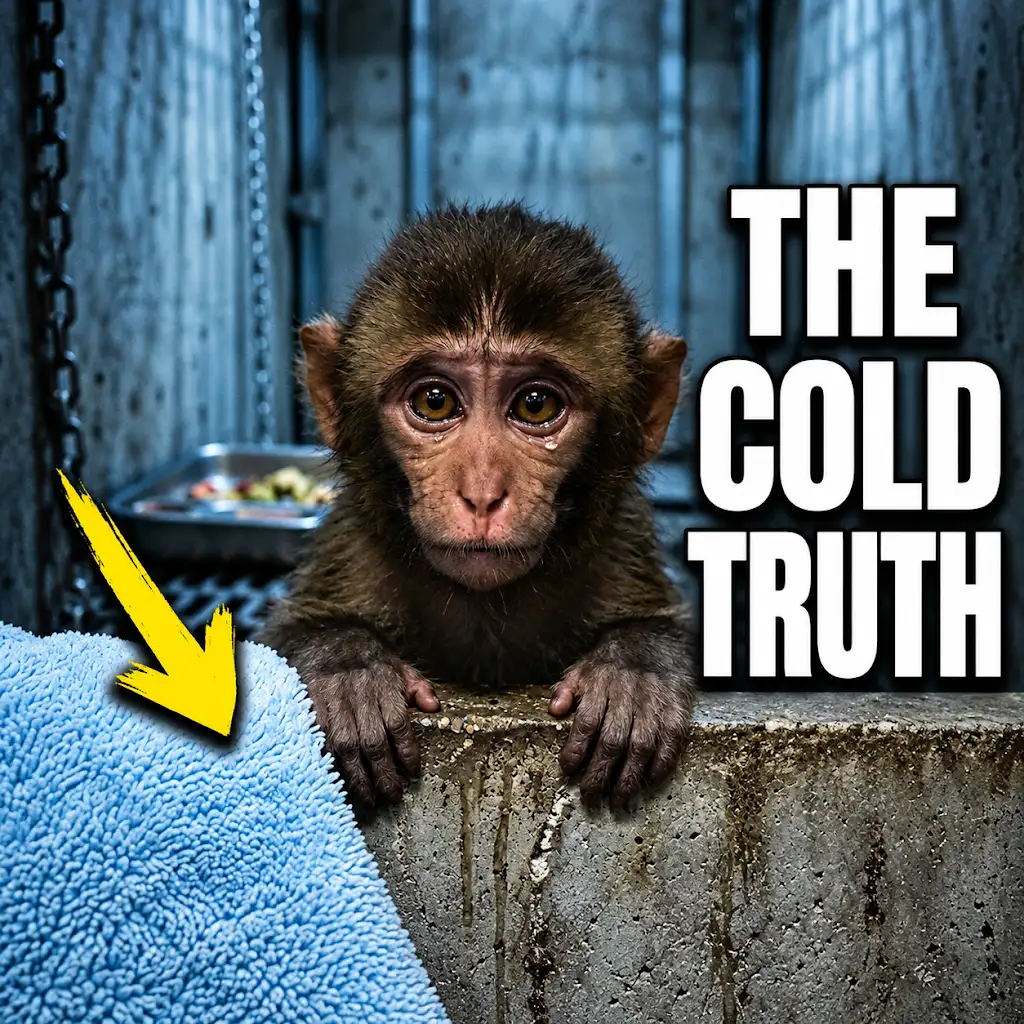
The Dark Reality of the Monkey Comfort Experiment
FAQs
Who is van Rosmalen Harlow Bowlby?
Van Rosmalen Harlow Bowlby is not a single person, but a combination of three influential psychologists in the field of attachment theory: John Bowlby, Mary Ainsworth, and Harry Harlow.
What is the significance of van Rosmalen Harlow Bowlby in psychology?
Van Rosmalen Harlow Bowlby represents the foundational figures in the study of attachment theory, which explores the importance of early relationships and bonds between infants and caregivers in shaping human development and behavior.
What were the contributions of John Bowlby to attachment theory?
John Bowlby was a British psychologist who is considered the father of attachment theory. He emphasized the importance of a child’s early relationships with caregivers in forming secure or insecure attachment styles that can impact their emotional and social development.
Who is Mary Ainsworth and how did she contribute to attachment theory?
Mary Ainsworth was an American-Canadian psychologist known for her “Strange Situation” experiment, which identified different attachment styles in infants based on their reactions to separations and reunions with their caregivers. Her work further expanded on Bowlby’s attachment theory.
What were Harry Harlow’s contributions to the study of attachment?
Harry Harlow was an American psychologist who conducted groundbreaking research on attachment in rhesus monkeys. His studies demonstrated the importance of comfort and emotional connection in attachment formation, challenging previous beliefs about the role of feeding in bonding between infants and caregivers.