
You grew up in chaos. Not the occasional, manageable kind that makes for dramatic stories later, but a persistent, swirling vortex of unpredictability. Perhaps it was the volatile moods of a parent, the constant threat of financial instability, or the ever-present hum of anxiety that permeated your childhood home. Whatever its form, this chaos became your normal. It shaped you, etched itself into your very being, and now, as you navigate adulthood and strive for peace, you find it strangely… unsafe.
You remember the feeling of being on edge. It wasn’t a conscious decision; it was a biological imperative. Your nervous system was constantly on high alert, scanning for threats, anticipating the next upset. This constant vigilance, while exhausting, was also deeply familiar. It was the rhythm of your life, the soundtrack to your upbringing.
When Stability Felt Like a Lie
Even when things were ostensibly calm, a part of you remained braced for impact. A quiet afternoon could feel like a deceptive pause before the inevitable eruption. You learned to distrust serenity, to suspect that beneath the placid surface, the storm was merely gathering strength.
The Anxiety of Silence
The absence of conflict, the hush in the air, could be more unnerving than the noise itself. It meant you weren’t sure what was coming next. Was this the calm before another, worse storm? You were so accustomed to the tension, the dramatic shifts, that stillness felt like a void, a space where danger could lurk unseen.
The Skill of Crisis Management
You became an expert at navigating turbulent waters. You learned to read the subtle cues, to anticipate outbursts, to de-escalate, or to withdraw. These were survival skills, honed through years of practice. You could expertly weave your way through emotional minefields, always keeping one eye on the exit.
The Invisible Armor
This constant preparedness built a kind of invisible armor around you. You became adept at presenting a calm exterior, even when your insides were churning. This armor protected you from further hurt, but it also created a barrier between you and genuine connection, making it difficult for others to see the real you.
Growing up in an environment filled with chaos can significantly impact one’s perception of peace, often leading to feelings of unease even in tranquil situations. An insightful article that delves into this phenomenon is available on Unplugged Psych, which explores the psychological effects of childhood trauma and how it shapes our adult relationships with stability and calmness. For more information, you can read the article here: Unplugged Psych.
The Unsettling Nature of Calm
Now, as you actively seek out peace, it feels foreign, almost alien. The quietude of a stable relationship, the predictability of a secure job, the gentle unfolding of everyday life – these things, which others crave, can leave you feeling exposed and vulnerable.
The Discomfort of Predictability
You’ve been conditioned to expect the unexpected. When life proceeds smoothly, without major dramas, your mind struggles to process it. It feels like a glitch in the system, a deviation from the norm that triggers a low-grade hum of unease.
Is This Real?
Your internal alarm bells, accustomed to ringing at the slightest tremor, are now strangely silent. This silence can be more frightening than the alarm itself. You might question the authenticity of your current situation, wondering if it’s too good to be true, or if you’ve somehow missed a crucial sign of impending doom.
The Longing for the Familiar, Even the Painful
There’s a perverse comfort in the familiar, even if that familiarity is rooted in pain. The chaos, in its own way, provided a predictable narrative. You knew the roles, the triggers, the outcomes. Peace, on the other hand, is an uncharted territory, and your instincts tell you to be wary.
The Echoes of Past Traumas
The lingering echoes of past traumas can resurface in the quiet. When the external world isn’t demanding your immediate attention, your mind can wander back to the sources of your original distress. The absence of external chaos can, paradoxically, amplify the internal one.
Relearning the Language of Safety

Your journey is one of unlearning deeply ingrained survival mechanisms and relearning how to inhabit a space of genuine safety. This isn’t a quick fix; it’s a profound rewiring of your internal landscape.
The Slow Erosion of Old Habits
The habits formed in chaos are tenacious. The urge to anticipate the worst, to brace for impact, to look for the hidden threat – these are deeply etched. You have to consciously interrupt these patterns, to choose a different response, even when your instinct screams otherwise.
Practicing Presence
A key to this relearning is cultivating presence. When you’re in the moment, fully engaged with the present, you have less mental space to conjure up future anxieties or revisit past traumas. Mindfulness, meditation, and simply paying attention to your surroundings can be powerful tools.
Building New Associations with Peace
You need to actively create new associations with peace and stability. This involves seeking out healthy relationships, engaging in calming activities, and consciously reframing your perception of safety.
The Gentle Nurturing of Trust
Trust, in yourself and in others, is a fragile seedling that needs careful tending. It involves taking small risks, allowing yourself to be vulnerable, and observing how your healthy choices are met with genuine kindness and stability.
The Courage to Be Vulnerable

True peace requires a willingness to be vulnerable, something your chaotic upbringing likely taught you to avoid at all costs. Your armor, once a shield, now becomes a cage.
Shedding the Layers of Protection
Slowly, deliberately, you begin to shed the layers of protection you’ve built around yourself. This is terrifying. It means exposing the parts of you that have been wounded, the parts you’ve worked so hard to conceal.
The Risk of Connection
Opening yourself up to others carries the risk of hurt, a risk you’ve become intimately familiar with. However, the alternative – a life lived in perpetual defensive posture – is equally detrimental. True connection requires the courage to be seen, flaws and all.
Finding Strength in Softness
You learn that strength isn’t always about being tough and unyielding. There’s a profound power in softness, in allowing yourself to feel and to be felt. This is a concept that might feel entirely alien to you.
Embracing Imperfection
Embracing your imperfections, rather than striving for an unattainable perfection, is a crucial step. Your childhood may have instilled a fear of making mistakes, but in a safe environment, mistakes can be learning opportunities, not catastrophes.
Growing up in a chaotic environment can leave lasting impressions on one’s psyche, making the experience of peace feel unsettling or even unsafe. This phenomenon is explored in depth in a related article that discusses the psychological implications of childhood trauma and its effects on adult relationships and emotional well-being. Understanding these dynamics can be crucial for those seeking to navigate their feelings in a calmer world. For further insights, you can read more about this topic in the article found here.
Redefining Strength and Resilience
| Reasons Why Peace Feels Unsafe After Growing Up in Chaos |
|---|
| Lack of trust in stability |
| Hypervigilance and anxiety |
| Difficulty in forming healthy relationships |
| Struggle with uncertainty and change |
| Emotional scars and trauma |
Your definition of strength has likely been skewed by your experiences. You equate resilience with enduring hardship, with bouncing back from adversity. While that is a form of resilience, true strength also lies in building and maintaining peace.
The Strength of Stillness
You begin to recognize the strength inherent in stillness. The ability to be calm amidst external chaos, to find an inner anchor, is a remarkable feat. This is not passive weakness; it is active self-regulation.
Cultivating Inner Peace
The ultimate act of resilience might be the cultivation of inner peace, not in spite of your past, but because of it. It’s about reclaiming your right to serenity, to a life free from the constant threat of upheaval.
The Resilience of Growth
Your journey is a testament to your resilience. You have survived, and now you are thriving. The scars remain, but they are no longer open wounds. They are a part of your story, a reminder of where you’ve come from, and a testament to your capacity for healing and growth.
You are learning to trust that peace is not a fleeting illusion, but a sustainable reality. You are teaching yourself that when the storm subsides, it is safe to rest, to breathe, and to finally, truly, be at home within yourself. The journey is ongoing, and there will be moments of doubt, but with each conscious choice to embrace calm, you are building a new foundation for your life, one where peace is not a threat, but a welcoming embrace.
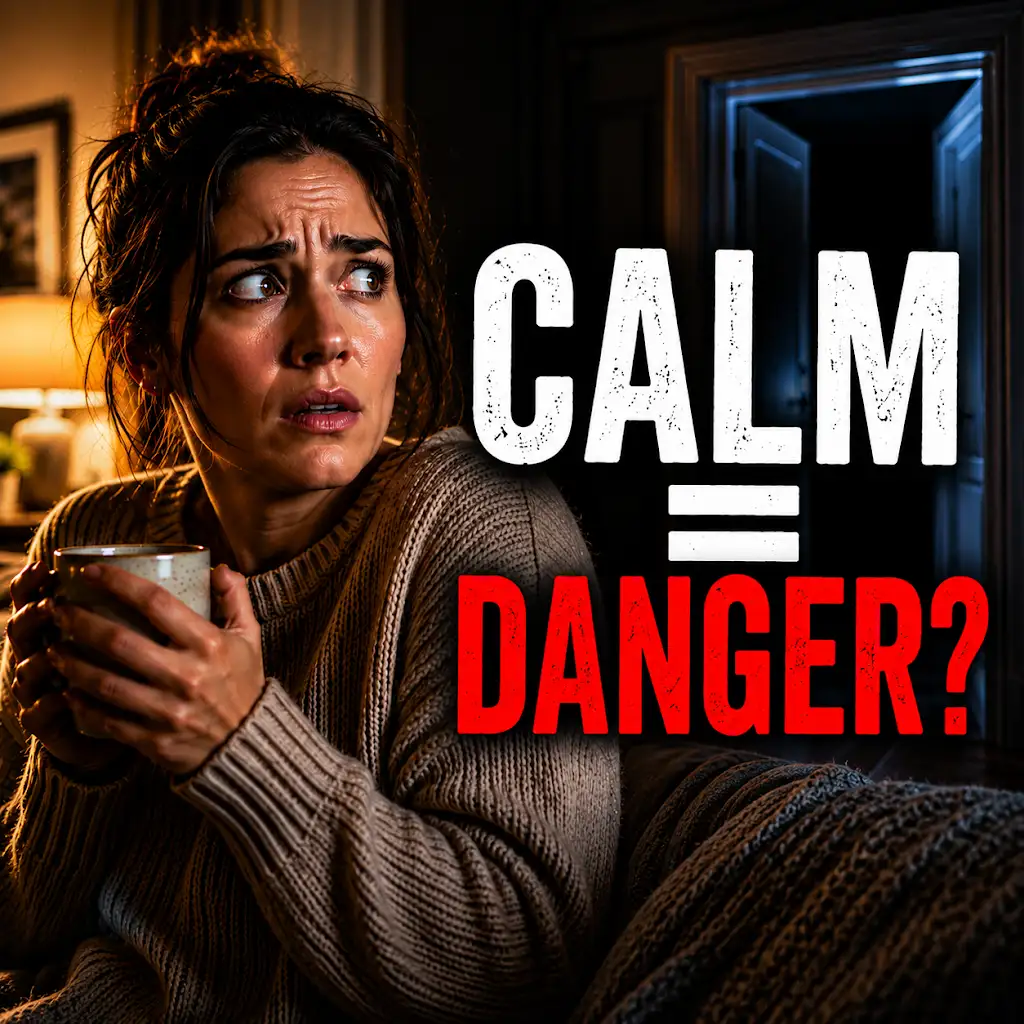
Your Life Is Safe. So Why Are You Still on Alert?
FAQs
1. What are the common effects of growing up in a chaotic environment on a person’s perception of peace?
Growing up in chaos can lead to a heightened sense of alertness and hypervigilance, making it difficult for individuals to feel safe and at peace in calm environments.
2. How does the experience of chaos in childhood impact an individual’s ability to trust others and form secure relationships?
Children who grow up in chaotic environments may struggle to trust others and form secure attachments, as they may have experienced inconsistent or unreliable caregiving during their formative years.
3. What are some coping mechanisms that individuals who have grown up in chaos may develop to navigate feelings of unsafety in peaceful environments?
Some individuals may develop coping mechanisms such as avoidance, emotional numbing, or overcompensation in an attempt to manage their feelings of unsafety in peaceful environments.
4. Can therapy or counseling help individuals who have grown up in chaos to feel safer and more at peace in their lives?
Therapy and counseling can be effective in helping individuals process their experiences, develop healthy coping strategies, and work towards feeling safer and more at peace in their lives.
5. Are there any long-term impacts of growing up in chaos on an individual’s mental and emotional well-being?
Growing up in chaos can have long-term impacts on an individual’s mental and emotional well-being, including increased risk of anxiety, depression, post-traumatic stress disorder (PTSD), and difficulties in forming and maintaining healthy relationships.