A profound and insightful documentary, “Unpacking Childhood Labels,” delves into the enduring impact of the labels we are given and adopt during our formative years. This compelling film, helmed by a team of psychologists and filmmakers, offers a vital exploration of how these early categorizations shape our identities, relationships, and overall well-being well into adulthood. Through a rich tapestry of personal narratives, expert interviews, and evocative imagery, “Unpacking Childhood Labels” invites viewers on a journey of self-discovery, challenging them to examine the origins and consequences of their own childhood identifiers.
The documentary begins by meticulously tracing the origins of childhood labels, illustrating how they are often imposed by parents, teachers, peers, and even society at large. These labels, whether explicitly stated or subtly implied, can range from overtly negative (“troublemaker,” “shy,” “difficult”) to seemingly benign but equally impactful (“smart,” “artistic,” “athletic”). The film emphasizes that at a young age, children are highly impressionable and often internalize these external definitions, allowing them to become integral parts of their burgeoning self-concept.
Parental Influence: The Primary Architects of Early Labels
A significant portion of the film is dedicated to the powerful role of parents in assigning and perpetuating childhood labels. Through poignant interviews with adults reflecting on their upbringing, the documentary reveals how parental expectations, biases, and even their own unresolved issues can inadvertently create or reinforce specific labels for their children. One interviewee recounts how her parents consistently praised her academic achievements, labeling her “the smart one.” While seemingly positive, this label, she explains, created immense pressure to always perform, stifling her exploration of other interests and fostering a deep-seated fear of failure. Another individual describes being constantly referred to as “the sensitive one” by his mother, which, while perhaps an accurate observation, led him to suppress his emotions, believing that expressing sadness or frustration was a sign of weakness. The film underscores that parents, often with the best intentions, may not fully grasp the long-term ramifications of the language they use to describe their children.
The Schoolyard Echo: Peer Influence and Social Stratification
Beyond the home, the school environment emerges as another fertile ground for label formation. “Unpacking Childhood Labels” showcases how classroom dynamics, playground hierarchies, and peer interactions can solidify or challenge existing labels. Children are quick to categorize each other, and these classifications can significantly influence social belonging and self-esteem. The documentary features an interview with a woman who was labeled “the quiet one” throughout her school years. This label, she explains, led to her being overlooked for opportunities and contributed to a pervasive sense of invisibility. Conversely, another individual describes the debilitating impact of being labeled “the class clown,” a label that, while earning him temporary popularity, masked his underlying insecurities and prevented him from being taken seriously in academic pursuits. The film highlights how these early social labels can contribute to a sense of identity that is dictated by external validation and social acceptance.
Societal Blueprints: Broader Cultural Narratives and Expectations
Furthermore, the documentary broadens its scope to examine how societal narratives and cultural expectations contribute to the labeling process. It explores how gender, race, socioeconomic status, and perceived abilities can all become the basis for pre-conceived notions and labels that influence how children are treated and how they perceive themselves. The film presents examples of how societal stereotypes can shape expectations from a very young age, creating self-fulfilling prophecies that can limit potential and perpetuate inequality. This section of the documentary serves as a critical reminder that the labels we encounter are not just personal but are often embedded within larger social structures and power dynamics.
In the realm of psychology, the impact of childhood labels on personal development is a critical topic that has garnered significant attention. A related article that delves deeper into this subject can be found on Unplugged Psychology, which explores how labels assigned during childhood can shape self-perception and influence behavior throughout life. For more insights, you can read the article here: Unplugged Psychology.
The Internalization of Labels: From External Perception to Self-Definition
The second major theme of “Unpacking Childhood Labels” focuses on the profound psychological process of internalization. The documentary illustrates how external labels, once repeatedly encountered, are gradually absorbed and integrated into an individual’s internal sense of self, often becoming deeply ingrained beliefs about who they are. This internalization can lead to a self-fulfilling prophecy, where individuals unconsciously act in ways that are consistent with their childhood labels, regardless of whether those labels accurately reflect their current capabilities or desires.
The Power of Belief: When Labels Become Core Identities
The film powerfully articulates how certain labels can evolve from mere descriptors into core components of an individual’s identity. When a child is consistently told they are “difficult,” they may begin to believe that their inherent nature is problematic. This belief can then manifest in behaviors that are indeed challenging, creating a cycle of reinforcement. The documentary presents numerous case studies where adults are still grappling with the manifestations of these childhood labels. One man, labeled “lazy” by his parents due to his struggles with organization, finds himself perpetually procrastinating, even in areas where he is passionate and capable. He reveals that the label has instilled a deep-seated fear of effort, as he associates exertion with the negative judgment he experienced as a child. The film emphasizes that these internalized labels can act as invisible barriers, limiting ambition and preventing individuals from reaching their full potential.
The Silent Scripts: Unconscious Behaviors Driven by Labeling
“Unpacking Childhood Labels” delves into the concept of “silent scripts,” unconscious behavioral patterns that are dictated by internalized labels. These scripts operate beneath the surface of conscious awareness, guiding our actions and reactions in ways that often align with our childhood self-perceptions. For example, an individual labeled “shy” might consistently avoid social situations, even when presented with opportunities for connection and personal growth. This avoidance is not necessarily a conscious choice but rather a deeply ingrained behavioral response to the internalized belief that they are inherently awkward or unlikable in social settings. The documentary uses animated sequences to visually represent these silent scripts, depicting them as unseen forces dictating movement and interaction.
The Weight of Expectations: Fulfilling or Resisting Childhood Roles
The film explores the dual nature of internalized labels: the tendency to either fulfill the expectations associated with them or to actively resist them, often at great personal cost. Those who strive to fulfill their labels may find a sense of comfort and predictability, but at the expense of authenticity and personal growth. Conversely, those who fight against their labels may experience significant internal conflict and a constant battle against their perceived inherent nature. A woman who was labeled “too emotional” by her family shares her journey of learning to reframe her emotional expression not as a weakness but as a source of empathy and resilience. Her struggle, however, was immense, as she had spent years suppressing her feelings to avoid the judgment she had come to expect.
The Lingering Scars: Long-Term Psychological and Relational Impacts

The third section of “Unpacking Childhood Labels” shifts its focus to the enduring and often detrimental consequences of these early identifiers. The documentary powerfully illustrates how childhood labels can leave deep psychological scars, impacting mental health, self-esteem, and the ability to form healthy and fulfilling relationships well into adulthood. The film argues that unexamined labels can become significant obstacles to personal happiness and well-being.
The Erosion of Self-Esteem: The Constant Battle for Worth
One of the most prevalent impacts of negative childhood labels is the erosion of self-esteem. When individuals are consistently told they are inadequate, incapable, or flawed, it can lead to a profound sense of worthlessness. The documentary features individuals who, despite achieving external success, continue to struggle with internal feelings of inadequacy, a direct consequence of the labels they received in childhood. One successful entrepreneur reveals that he still battles with imposter syndrome, constantly fearing that he will be “found out” as not being as competent as others perceive him to be, a lingering echo of being labeled “not smart enough” as a child. The film highlights how this persistent self-doubt can hinder career advancement, limit personal expression, and contribute to anxiety and depression.
Relational Roadblocks: The Influence on Interpersonal Dynamics
The documentary extensively examines how childhood labels can create significant roadblocks in adult relationships. Individuals may unconsciously project their internalized labels onto others or find themselves drawn to partners who reinforce those labels. For instance, someone labeled “unlovable” might sabotage healthy relationships out of a subconscious belief that they are not deserving of love. Another example provided is of individuals labeled “attention-seeking” who may struggle to receive genuine affection and validation, often misinterpreting it as excessive or manipulative. The film features therapists discussing how understanding the origins of these relational patterns is crucial for healing and fostering healthier connections.
The Shadow of Anxiety and Depression: Mental Health Ramifications
The psychological toll of unaddressed childhood labels is undeniable, and “Unpacking Childhood Labels” sheds light on its contribution to anxiety and depression. The constant internal struggle to reconcile perceived inadequacies with lived experiences can create significant mental strain. The documentary presents compelling interviews with individuals who trace their ongoing struggles with anxiety and depression back to the relentless negativity of their childhood labeling. The film emphasizes that the burden of carrying these negative self-perceptions can be overwhelming, leading to a persistent sense of unhappiness and a diminished quality of life.
Deconstructing the Labels: The Path to Liberation and Self-Acceptance
The fourth and arguably most hopeful section of “Unpacking Childhood Labels” focuses on the process of deconstruction – the conscious effort to dismantle the power of internalized childhood labels and reclaim one’s authentic self. This involves a journey of critical self-reflection, therapeutic intervention, and the embrace of self-compassion. The film offers practical insights and inspiring stories of individuals who have successfully navigated this path to liberation.
The Power of Awareness: Recognizing the Roots of Internalized Beliefs
The first step towards liberation, the documentary suggests, is the cultivation of awareness. This involves consciously recognizing the origin and nature of the labels that have shaped one’s identity. Through guided introspection exercises and the poignant narratives of those who have undergone this process, viewers are encouraged to identify the specific instances and individuals who contributed to their childhood labeling. One interviewee describes the “aha!” moment she experienced when she realized that her fear of public speaking was directly linked to being labeled “the clumsy speaker” in elementary school. This realization, she explains, was the first step in dismantling the ingrained belief that she was destined to be awkward and inarticulate. The film stresses that simply identifying the source of these beliefs is a powerful act of reclaiming agency.
Therapeutic Interventions: Unraveling the Knots of the Past
“Unpacking Childhood Labels” highlights the vital role of therapy and other psychological interventions in unpacking and healing from the impact of childhood labels. Expert interviews with psychologists and therapists explain various therapeutic approaches, such as cognitive behavioral therapy (CBT) and psychodynamic therapy, that can help individuals challenge distorted thinking patterns, reframe negative self-talk, and process past traumas associated with labeling. The documentary features case studies where individuals have found profound healing through these therapeutic modalities, learning to identify the irrationality of their internalized beliefs and developing healthier coping mechanisms. One individual shares how EMDR therapy helped her to process the trauma of being consistently labeled “disruptive,” allowing her to finally release the shame and guilt associated with her childhood experiences.
The Practice of Self-Compassion: A Balm for Wounded Selves
Central to the process of deconstruction is the cultivation of self-compassion. The documentary argues that for too long, individuals have been harsh critics of themselves, internalizing the negative judgments they received in childhood. The film advocates for a paradigm shift towards self-kindness, understanding, and acceptance. Through gentle narratives and guided meditations, viewers are encouraged to offer themselves the same empathy and understanding they would offer a loved one. One participant in the documentary shares how learning to practice self-compassion, by acknowledging her struggles without judgment, was instrumental in overcoming her lifelong battle with perfectionism, a direct result of being labeled “needing to try harder.” The film emphasizes that self-compassion is not about excusing poor behavior but about recognizing one’s humanity and inherent worth.
In exploring the impact of childhood labels on psychological development, the documentary sheds light on how these early designations can shape self-perception and behavior throughout life. For a deeper understanding of this topic, you can read a related article that discusses the long-term effects of labeling in childhood and its implications for mental health. This insightful piece can be found here, providing valuable context to the themes presented in the documentary.
Reclaiming Identity: Building a Future Unburdened by Past Labels
| Metric | Value | Description |
|---|---|---|
| Documentary Title | Childhood Labels: The Psychology Behind | Name of the documentary |
| Duration | 90 minutes | Total length of the documentary |
| Release Year | 2023 | Year the documentary was released |
| Number of Experts Interviewed | 8 | Psychologists and researchers featured |
| Childhood Labels Discussed | 5 | Common psychological labels explored (e.g., ADHD, dyslexia) |
| Average Viewer Rating | 4.3 / 5 | Average rating from viewers on popular platforms |
| Impact on Awareness | High | Documentary’s effectiveness in raising awareness about childhood labels |
| Number of Case Studies | 6 | Real-life childhood cases featured |
The final, and perhaps most inspiring, section of “Unpacking Childhood Labels” focuses on the process of reclaiming one’s authentic identity and building a future unburdened by the constraints of past labels. This involves actively cultivating new narratives, embracing personal growth, and advocating for a more compassionate and understanding society. The documentary concludes with a powerful message of hope and empowerment, demonstrating that liberation from childhood labels is not only possible but profoundly transformative.
Crafting New Narratives: The Power of Personal Storytelling
The film emphasizes that the most potent tool for reclaiming identity is the ability to craft new personal narratives. This involves consciously challenging and rewriting the stories that have been imposed by childhood labels. Through active storytelling, individuals can redefine themselves on their own terms, highlighting their strengths, resilience, and aspirations. The documentary features individuals who have found liberation by writing their own biographies, creating art, or engaging in public speaking to share their journey and inspire others. One woman, who was labeled “unintelligent” in school, has become a successful author, using her writing to challenge societal perceptions and celebrate intellectual diversity. Her journey illustrates the transformative power of actively shaping one’s own narrative.
Embracing Growth and Evolution: A Lifelong Journey of Self-Discovery
“Unpacking Childhood Labels” underscores that reclaiming identity is not a one-time event but a lifelong journey of growth and evolution. As individuals shed the constraints of old labels, they open themselves up to new experiences, opportunities, and ways of being. The film celebrates the ongoing process of self-discovery, encouraging viewers to embrace change, learn from their mistakes, and continue to expand their understanding of themselves. One interviewee, who once identified solely as “the victim,” now embraces her role as an advocate for mental health awareness, finding purpose and fulfillment in sharing her story and empowering others. The documentary presents these evolving identities as a testament to human resilience and the capacity for profound transformation.
Advocating for a Label-Free Future: Cultivating Compassion in Society
The documentary concludes with a powerful call to action, urging viewers to contribute to a more label-free future. It advocates for fostering environments that celebrate individuality, promote empathy, and challenge the harmful practice of labeling. The film suggests that by raising awareness, challenging societal biases, and practicing greater understanding in our daily interactions, we can collectively create a world where children are free to explore their potential without the burden of limiting identifiers. The filmmakers themselves express a hope that “Unpacking Childhood Labels” will serve as a catalyst for this societal shift, encouraging a more compassionate and accepting approach to raising and understanding one another. The final scenes offer a mosaic of individuals from diverse backgrounds, each sharing a simple yet profound statement of self-acceptance, a testament to the enduring power of liberation from the echoes of childhood labels.
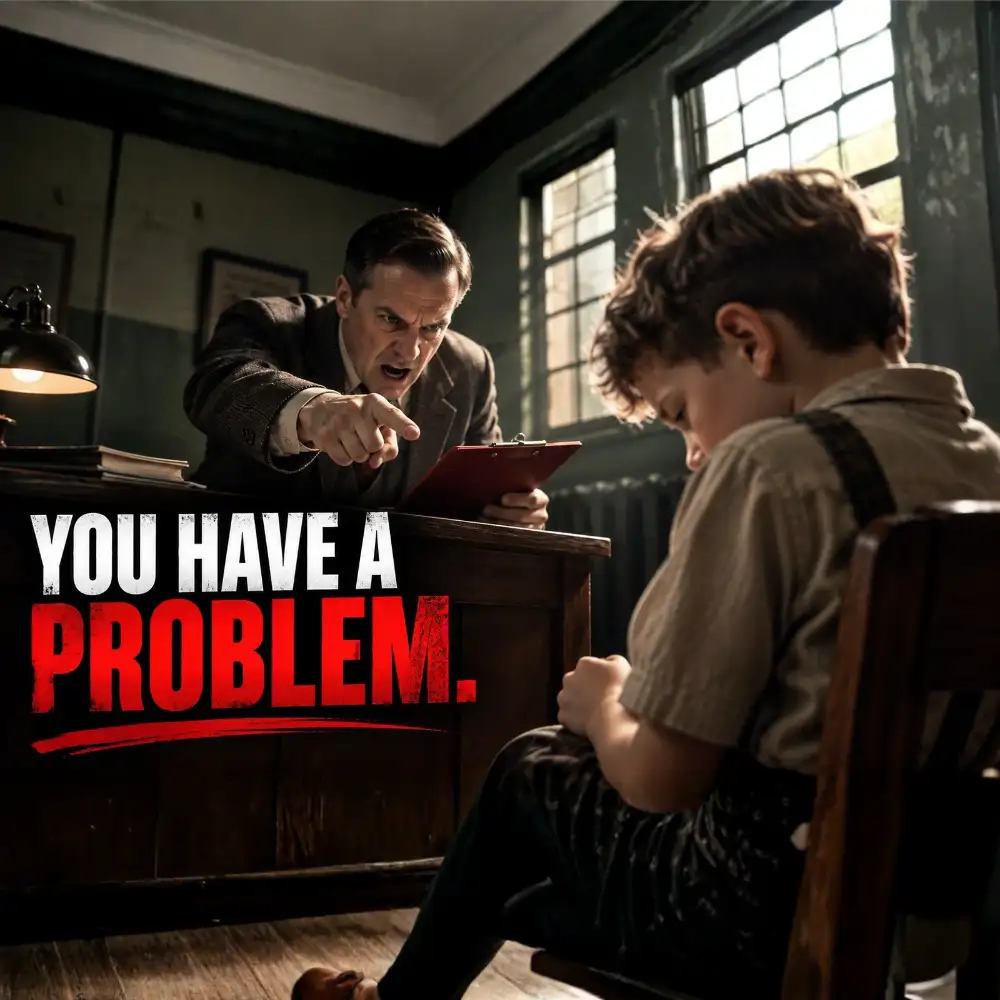
They Told Healthy Children Something Was Wrong With Their Speech
FAQs
What is the psychology documentary about childhood labels about?
The psychology documentary explores the impact of labels placed on children during their formative years and how these labels can shape their self-perception and behavior.
Who is featured in the psychology documentary about childhood labels?
The documentary features psychologists, educators, parents, and individuals who have experienced the effects of childhood labels firsthand.
What are some common types of childhood labels discussed in the documentary?
Some common types of childhood labels discussed in the documentary include “gifted,” “troublemaker,” “shy,” “bully,” and “underachiever,” among others.
What are the potential long-term effects of childhood labels on individuals?
Childhood labels can have lasting effects on individuals, impacting their self-esteem, relationships, academic and career success, and overall mental health.
How can parents and educators help mitigate the negative effects of childhood labels?
The documentary offers insights and strategies for parents and educators to help children navigate and overcome the negative effects of labels, including fostering a growth mindset, promoting self-compassion, and providing support and encouragement.