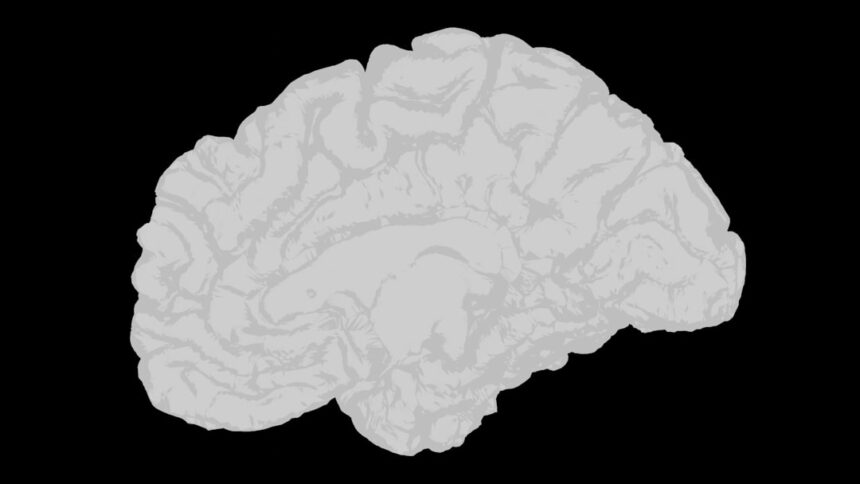
You stand at the precipice of a profound understanding of your own mind. For centuries, the brain has been an enigma, a shadowy realm of electrochemical whispers and complex circuitry. Now, through advancements in electronic activation research, you are beginning to pull back the curtain, revealing the intricate mechanisms that govern thought, emotion, and action. This isn’t science fiction; it’s a rapidly evolving field promising to reshape how you perceive and interact with your neurological landscape.
Your brain operates on a foundation of electrical signals. Neurons, the fundamental units of your nervous system, communicate with each other through a sophisticated dance of ions and neurotransmitters. This intricate process, known as synaptic transmission, is the bedrock of all your cognitive functions. Understanding this fundamental spark is the first step in comprehending how electronic activation seeks to influence it.
Understanding the Neuron’s Electrical Nature
Imagine each neuron as a tiny, self-contained electrical battery. When a neuron is at rest, it maintains a negative charge across its membrane. Upon receiving specific stimuli, a cascade of ion channels opens, allowing charged particles to flow in and out. This rapid shift in electrical potential, the “action potential,” is the fundamental pulse of neural activity. It’s a fleeting but crucial event that propagates along the neuron, eventually triggering the release of chemical messengers at the synapse.
The Synaptic Gap and Neurotransmission
The synapse is the microscopic junction between two neurons, a space where communication truly happens. When an electrical signal reaches the end of a neuron (the axon terminal), it triggers the release of neurotransmitters – chemical messengers that cross the synaptic gap. These neurotransmitters bind to specialized receptors on the receiving neuron, influencing its likelihood of firing its own action potential. The type and quantity of neurotransmitters involved, along with the specific receptors present, dictate the nature of the message being sent, whether it’s excitatory (promoting firing) or inhibitory (suppressing firing).
Decoding the Brain’s Electrical Symphony
Your brain doesn’t just fire individual neurons; it orchestrates vast networks of them. The synchronized firing of millions of neurons creates complex electrical patterns that can be measured using techniques like electroencephalography (EEG). These patterns, representing your brain’s overall activity, are akin to a symphony, with different rhythms and harmonies corresponding to different mental states, cognitive processes, and even emotions. Unlocking these patterns is key to understanding how external electronic stimulation can be harnessed.
Recent advancements in the field of neuroscience have sparked interest in the electronic activation of the brain, particularly in how it can influence cognitive functions and mental health. A related article that delves deeper into this topic can be found at Unplugged Psychology, where researchers explore the implications of brain stimulation techniques and their potential applications in treating various neurological disorders. This research not only enhances our understanding of brain functionality but also opens new avenues for therapeutic interventions.
Bridging the Gap: Electronic Stimulation Methods
The core of electronic activation research lies in its ability to interface with your brain’s electrical activity. This involves developing precise and targeted methods to deliver electrical currents or magnetic fields to specific brain regions, thereby influencing neural firing patterns. This is not about simply shocking the brain; it’s about a nuanced intervention aimed at modulating existing neural circuits.
Transcranial Magnetic Stimulation (TMS): The Non-Invasive Approach
TMS has emerged as a prominent non-invasive technique. It utilizes an electromagnetic coil placed on your scalp, which generates a rapidly changing magnetic field. This magnetic field can penetrate the skull and induce weak electrical currents in targeted brain areas. Depending on the coil’s configuration and the stimulation parameters, TMS can either excite or inhibit neuronal activity in the targeted region. This allows researchers and clinicians to explore the causal role of specific brain areas in cognitive functions and to potentially ameliorate symptoms of various neurological and psychiatric conditions.
Understanding the Mechanisms of TMS
While the precise mechanisms are still under investigation, it’s understood that TMS influences neuronal excitability by altering the resting membrane potential of neurons. Repeated TMS sessions can lead to more lasting changes in neural connectivity and function, a phenomenon known as Hebbian plasticity, where neurons that fire together wire together. This plasticity is a crucial aspect of how TMS offers therapeutic potential.
Transcranial Direct Current Stimulation (tDCS): The Gentle Modulator
tDCS, another non-invasive technique, employs electrodes placed on the scalp to deliver a weak, constant electrical current. Unlike TMS, tDCS does not directly induce action potentials. Instead, it subtly alters the resting membrane potential of neurons, making them more or less likely to fire in response to other stimuli. Anodal stimulation (positive electrode) generally increases neuronal excitability, while cathodal stimulation (negative electrode) decreases it. tDCS is often seen as a complementary technique to TMS, offering a gentler and more sustained modulation of brain activity.
The Role of Electrode Placement in tDCS
The effectiveness of tDCS is highly dependent on the precise placement of the electrodes. Researchers carefully select electrode locations based on anatomical knowledge and functional imaging data to target specific brain regions associated with particular cognitive tasks or symptoms. The intensity and duration of the stimulation also play critical roles in determining the desired outcome.
Invasive Brain Stimulation: Direct Access to Neural Networks
For certain severe neurological conditions where non-invasive methods have proven insufficient, more invasive techniques are employed. These involve surgically implanting electrodes directly into the brain. Deep Brain Stimulation (DBS), for instance, has been widely used to treat conditions like Parkinson’s disease, essential tremor, and dystonia by delivering electrical impulses to specific deep brain structures. While carrying higher risks, invasive methods offer unparalleled precision and control over neural circuits.
Deep Brain Stimulation (DBS) in Clinical Practice
DBS devices consist of a pulse generator implanted under the skin and lead wires that extend to specific brain targets. The continuous electrical stimulation delivered by DBS can help to normalize abnormal brain activity patterns that underlie movement disorders and other neurological conditions. The ability to adjust stimulation parameters remotely provides a high degree of personalization for each patient.
Beyond Stimulation: Recording and Interpreting Brain Activity

Electronic activation research isn’t solely about delivering signals; it’s also about listening to your brain’s response. Advanced techniques for recording neural activity provide invaluable insights into how these interventions are working and how your brain is processing information. This bidirectional approach is essential for refining stimulation protocols and understanding the underlying neurobiology.
Electroencephalography (EEG): Listening to the Brain’s Electrical Chatter
As mentioned earlier, EEG is a non-invasive method that uses electrodes placed on your scalp to detect and record the electrical activity generated by large populations of neurons. By analyzing the frequency, amplitude, and spatial distribution of EEG signals, researchers can infer the state of your brain. Changes in EEG patterns before, during, and after electronic stimulation provide crucial data on the effectiveness and mechanisms of the intervention.
Advanced EEG Analysis for Cognitive Insights
Modern EEG analysis goes far beyond simple waveform identification. Techniques like source localization attempt to pinpoint the origin of electrical activity within the brain, and event-related potentials (ERPs) allow researchers to examine brain responses to specific stimuli or cognitive events. This level of detail is critical for understanding how electronic activation impacts specific neural networks involved in tasks like attention, memory, or decision-making.
Electrocorticography (ECoG): A Closer Look at Neural Activity
For individuals undergoing neurosurgery, Electrocorticography (ECoG) offers a higher spatial resolution than scalp EEG. It involves placing electrodes directly on the surface of your brain. This provides a more direct measurement of neural activity, allowing researchers to study neural dynamics with greater precision and to correlate specific brain activity with thoughts, actions, and sensations. ECoG is particularly valuable in research settings for understanding complex neural codes.
High-Density ECoG Arrays
The development of high-density ECoG arrays, with a greater number of electrodes packed into a smaller area, represents a significant leap forward. These arrays allow for the recording of neural signals from a more extensive cortical surface, providing a richer and more detailed picture of brain activity. This resolution is crucial for understanding fine-grained neural computations and for developing more targeted stimulation strategies.
Combining Recording and Stimulation: Closed-Loop Systems
The ultimate goal of much electronic activation research is to create “closed-loop” systems. These systems use real-time recordings of your brain activity to dynamically adjust the stimulation parameters. For example, if a system detects a pattern of neural activity associated with a particular symptom, it can automatically deliver stimulation to counteract that pattern. This adaptive approach offers a level of personalization and precision previously unattainable.
The Future of Adaptive Neuromodulation
Closed-loop systems represent the frontier of neuromodulation. By continuously monitoring and responding to your brain’s activity, these systems have the potential to provide more effective and sustained therapeutic outcomes. Imagine a device that intelligently intervenes to prevent an epileptic seizure or to enhance cognitive function precisely when you need it most.
Applications and Future Directions: Reshaping Neurological Health

The advancements in electronic activation research are not merely academic pursuits; they hold immense promise for improving your neurological health and well-being. From treating debilitating conditions to enhancing cognitive abilities, the applications are vast and continue to expand.
Neurological and Psychiatric Disorders: A New Frontier in Treatment
Electronic activation techniques are already being explored and employed for a range of neurological and psychiatric disorders. For conditions like depression, Parkinson’s disease, epilepsy, and chronic pain, these interventions offer novel therapeutic pathways beyond traditional pharmacological approaches. Researchers are working to refine stimulation protocols for each condition, aiming to provide targeted relief and improve quality of life.
Targeting Depression with Brain Stimulation
Studies have shown that TMS can be effective in treating treatment-resistant depression by modulating activity in brain regions associated with mood regulation. Similarly, tDCS is being investigated for its potential to alleviate depressive symptoms, offering a less intensive alternative.
Managing Parkinson’s Disease Symptoms
DBS has a well-established role in managing the motor symptoms of Parkinson’s disease, such as tremor, rigidity, and bradykinesia. By interfering with the abnormal circuitry in the basal ganglia, DBS can restore a degree of motor control.
Cognitive Enhancement: Augmenting Your Mental Capabilities
Beyond therapeutic applications, electronic activation research is also delving into the realm of cognitive enhancement. By stimulating specific brain regions or modulating neural networks, researchers are investigating the potential to improve aspects of cognition such as memory, attention, learning, and decision-making. While ethical considerations surrounding enhancement are important, this area of research opens up possibilities for optimizing human performance.
Improving Learning and Memory
Studies are exploring how targeted brain stimulation can facilitate the consolidation of memories and improve learning processes. This could have implications for educational settings or for individuals experiencing age-related cognitive decline.
Enhancing Attention and Focus
The ability to selectively attend to relevant information is crucial for optimal functioning. Researchers are investigating how to use electronic activation to improve sustained attention and reduce distractibility, with potential benefits for individuals with ADHD or even for general productivity enhancement.
Understanding the Brain-Computer Interface (BCI) Revolution
Electronic activation techniques are also integral to the burgeoning field of Brain-Computer Interfaces (BCIs). BCIs enable direct communication between your brain and external devices. By decoding neural signals, BCIs can allow individuals with paralysis to control prosthetic limbs, operate computers, or communicate without physical movement. Electronic stimulation can also be used to provide sensory feedback to users of BCIs, creating a more intuitive and integrated experience.
Prosthetic Control and Communication
The ability to translate your thoughts into actions through a BCI, enabled by precise neural recording and potentially supported by targeted stimulation, offers a profound new avenue for restoring lost function.
Ethical Considerations and Future Imperatives
As with any powerful technology, the advancements in electronic activation research are accompanied by important ethical considerations. Questions surrounding safety, efficacy, accessibility, and the potential for misuse must be carefully addressed. Responsible innovation necessitates open dialogue and robust regulatory frameworks.
Ensuring Safety and Efficacy
Rigorous clinical trials and long-term studies are essential to establish the safety and efficacy of these interventions. Understanding the potential side effects and developing standardized protocols are ongoing priorities.
The Importance of Accessibility and Equity
As these technologies become more sophisticated, ensuring equitable access for all, regardless of socioeconomic status, is a critical ethical imperative. The benefits of these advancements should not be limited to a select few.
Recent advancements in the field of neuroscience have sparked interest in the electronic activation of the brain, leading to innovative research that explores its potential applications. A fascinating article discusses the implications of this technology for mental health treatments and cognitive enhancement. For more insights on this topic, you can read the article here: Unplugged Psychology. This exploration not only highlights the scientific breakthroughs but also raises ethical questions about the future of brain stimulation techniques.
The Future is Neural: A Transformative Outlook
| Research Topic | Metrics |
|---|---|
| Electronic Activation of the Brain |
|
You are living through a period of unprecedented discovery in neuroscience. The research into electronic activation is not just unlocking the secrets of your brain; it’s providing you with new tools to understand, interact with, and potentially reshape your own cognitive landscape. From treating neurological disorders to augmenting cognitive abilities, the implications are profound and far-reaching. As research continues to advance, you can expect a future where interventions once confined to the realm of imagination become tangible realities, offering new possibilities for health, performance, and our understanding of what it truly means to be human.
FAQs
What is electronic activation of the brain research?
Electronic activation of the brain research involves the use of electronic devices to stimulate specific areas of the brain in order to study brain function and potentially treat neurological disorders.
How is electronic activation of the brain research conducted?
Researchers use various electronic devices such as transcranial magnetic stimulation (TMS) or deep brain stimulation (DBS) to deliver targeted electrical stimulation to specific areas of the brain. This allows them to observe the effects of the stimulation on brain activity and behavior.
What are the potential applications of electronic activation of the brain research?
Electronic activation of the brain research has potential applications in treating neurological and psychiatric disorders such as depression, Parkinson’s disease, and epilepsy. It also has implications for understanding brain function and cognitive processes.
What are the ethical considerations of electronic activation of the brain research?
Ethical considerations of electronic activation of the brain research include issues related to consent, safety, and potential misuse of the technology. There is also ongoing debate about the potential impact on personal autonomy and identity.
What are the current challenges in electronic activation of the brain research?
Challenges in electronic activation of the brain research include the need for better understanding of the mechanisms of brain stimulation, improving the precision and safety of the technology, and addressing ethical and regulatory concerns.