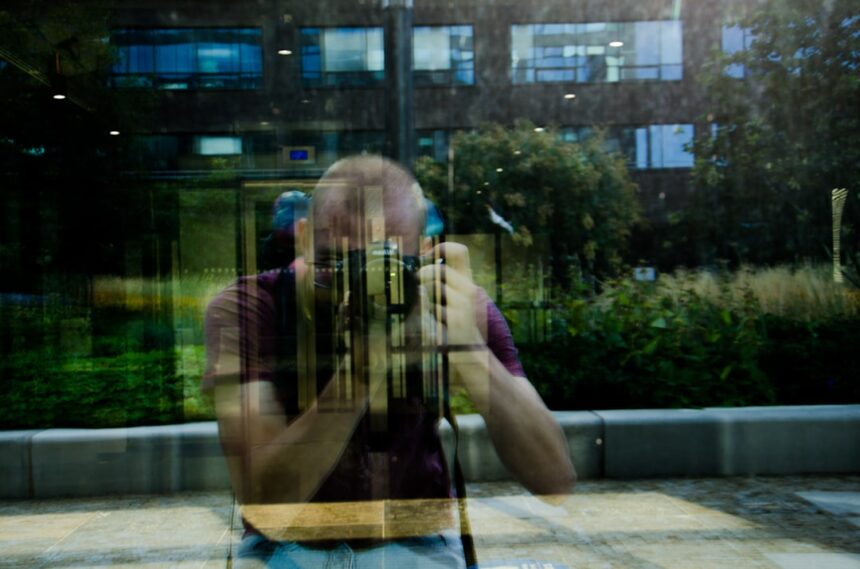
You stand before the mirror, expecting to see your familiar visage, the map of your life etched onto your features. But today, something is askew. The eyes staring back are yours, undeniably, yet alien. The mouth moves when you do, but its expression feels foreign, as if a puppeteer has gained a temporary lease on your reflection. This disquieting phenomenon, where your own image seems like a stranger, is not a figment of your imagination or a ghostly apparition. It is a fascinating intersection of neuroscience, psychology, and the very fabric of your perception. You are experiencing what is sometimes termed “unfamiliar reflection,” and the science behind it is remarkably intricate.
Your brain is not a passive camera, faithfully recording external reality. Instead, it is an active sculptor, constantly interpreting and reconstructing sensory input to create a coherent experience of the world. When you look in the mirror, your brain isn’t just receiving light particles that have bounced off your face. It’s engaged in a complex dance of processing visual information, integrating it with your internal representations of yourself, and ultimately constructing what you perceive.
The Visual Cortex: The First Brushstrokes
The journey of your reflection begins in your eyes. Light reflecting off your face enters your pupils and strikes your retinas, where photoreceptor cells (rods and cones) convert this light energy into electrical signals. These signals are then transmitted via the optic nerve to the visual cortex at the back of your brain. This is where the initial processing of visual information occurs – identifying lines, shapes, colors, and textures. Think of the visual cortex as the artist’s first, rough sketch, laying down the fundamental outlines of your face.
Object Recognition: Identifying “You”
Crucially, your brain doesn’t just see a collection of features. It possesses sophisticated object recognition systems. Specialized neural networks are dedicated to identifying familiar objects and faces. When your brain processes the incoming visual data from the mirror, it attempts to match these patterns against its memory banks. The fact that you usually recognize your reflection so instantaneously is a testament to the efficiency of these systems. They have been trained over years of looking in mirrors, associating your unique facial configuration with the concept of “self.”
The Role of the Fusiform Face Area (FFA): The Face Specialist
Within the temporal lobe, a region known as the fusiform face area (FFA) plays a pivotal role in face recognition. This area exhibits heightened activity when you are processing faces, both familiar and unfamiliar. The FFA is remarkably adept at extracting the crucial features that define a face – the arrangement of eyes, nose, and mouth – and distinguishing them from other visual stimuli. It’s like having a specialized art critic within your brain, solely dedicated to judging the authenticity and familiarity of faces.
If you’ve ever looked into a mirror and felt like the reflection staring back at you resembles a stranger, you’re not alone. This phenomenon can be attributed to various psychological factors, including self-perception and the way we internalize our identity. For a deeper understanding of this intriguing experience, you might find the article on Unplugged Psych insightful. It explores the complexities of self-image and perception, shedding light on why our reflections can sometimes feel unfamiliar. You can read more about it here: Unplugged Psych.
The Shadow of “Self”: Internal Models and Identity
The reason your reflection usually feels so familiar lies in the sophisticated internal models your brain holds of yourself. This isn’t just a static image; it’s a dynamic construct encompassing your physical appearance, your history, your memories, and your sense of identity. When you see your reflection, your brain compares the incoming visual data to this rich internal tapestry.
Embodied Cognition: The Mind-Body Connection
Your sense of self is deeply intertwined with your physical body. This concept, known as embodied cognition, suggests that your thoughts, feelings, and perceptions are shaped by your physical experiences. When you see your reflection, your brain is not just processing visual input; it’s also accessing proprioceptive information (your sense of your body’s position in space) and kinesthetic information (your awareness of movement). This integrated information creates a powerful link between what you see and what you feel like you are.
The Extended Self: Beyond the Physical Form
Your internal model of “self” extends beyond mere physical appearance. It includes your personal history, your experiences, and your social interactions. When you look in the mirror and perceive familiarity, it’s not just the geometry of your face that triggers recognition, but the narrative that face represents. It is the sum of all the moments you have lived within that physical form.
When the Mirror Lied: Disruptions in the System
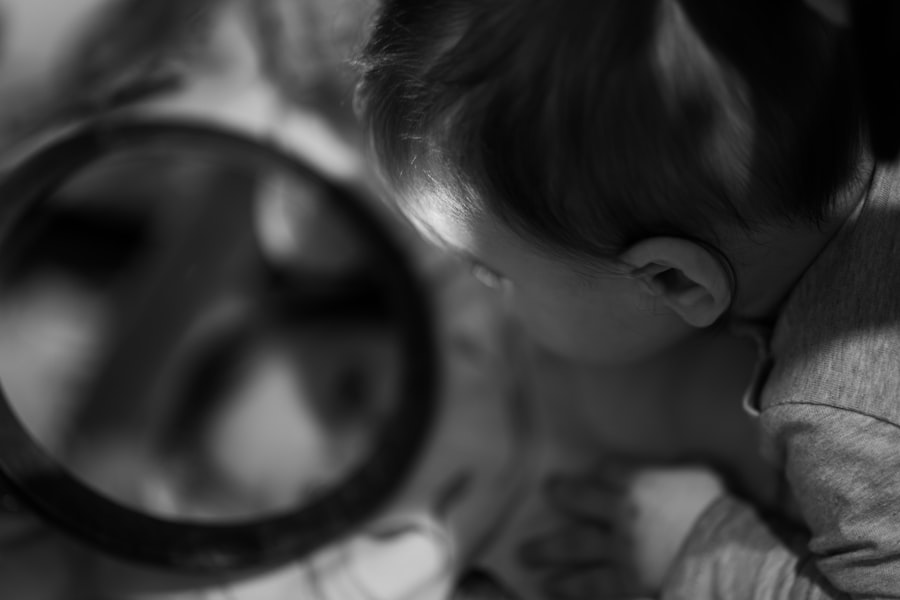
The eerie sensation of seeing a stranger can arise from a disruption in any of the intricate processes that normally lead to self-recognition. These disruptions can be subtle or significant, affecting either the incoming visual information or the brain’s interpretation of it.
Perceptual Illusions: Tricks of the Light and Mind
Sometimes, the environment itself can play tricks on your perception. Poor lighting conditions, for instance, can distort shadows and contours, making your features appear unusual. Reflections on slightly warped surfaces, like old glass or polished metal, can also subtly alter your appearance, creating a visual dissonance. These are essentially minor glitches in the visual input, like a slightly out-of-focus photograph.
Fatigue and Stress: The Brain Under Duress
When you are experiencing extreme fatigue or stress, your brain’s processing capabilities can be compromised. This can lead to difficulties with attention, memory, and sensory integration. In such states, the usual automatic process of self-recognition might falter, and your brain may struggle to reconcile the incoming visual data with your internal models. It’s as if your brain’s processing power is siphoned off, leaving less capacity for intricate tasks like self-perception.
Sleep Deprivation Studies: The Disconnected Self
Research has shown that sleep deprivation can significantly impact facial perception. Studies have found that people who are sleep-deprived are less able to recognize familiar faces, including their own. This suggests that adequate rest is crucial for optimal functioning of the neural circuits involved in face processing and self-recognition. The lack of sleep acts like a fog rolling in, obscuring your usual clarity of perception.
The Psychological Echo: Subjective Experiences and Identity

Beyond the purely neurological, psychological factors can also contribute to the feeling of seeing a stranger in the mirror. Your mental state, emotions, and even your sense of self-concept can subtly influence how you perceive your reflection.
Body Dysmorphic Disorder (BDD): A Distorted Lens
In conditions like Body Dysmorphic Disorder (BDD), individuals become excessively preoccupied with perceived flaws in their appearance. This can lead to a severely distorted perception of their own body and face, where even minor imperfections are magnified to an extreme degree. For someone with BDD, every reflection can feel like a stranger, a distorted version of themselves that fuels their distress. This is not a mere fleeting feeling; it’s a persistent, tormenting distortion of reality.
Depersonalization and Derealization: A Sense of Unreality
Depersonalization is a dissociative symptom where you feel detached from your own body, thoughts, feelings, or actions. Derealization is a similar feeling of unreality about your surroundings. When experiencing these symptoms, your reflection can indeed feel like a stranger because you are not fully connected to the physical self that is being reflected. It’s like watching a movie of your life, where you are an observer rather than a participant.
Shifting Self-Perception: The Internal Narrative
Your perception of yourself is not static. It evolves with your experiences, your successes, and your failures. If you have undergone a significant life change, or if you are experiencing a period of profound personal growth or doubt, your internal narrative about who you are might be in flux. This internal shift can sometimes create a disconnect with your external appearance, leading to a fleeting sense of unfamiliarity. It’s as if the story you tell yourself about yourself is temporarily out of sync with the cover page.
Many people experience moments when they look into a mirror and feel as though they are staring at a stranger, a phenomenon that can be unsettling and confusing. This disconnection can stem from various psychological factors, including self-perception and identity issues. To explore this topic further, you might find it interesting to read an article on the subject at Unplugged Psych, which delves into the reasons behind these feelings and offers insights into how our reflections can sometimes seem foreign to us. Understanding the complexities of our self-image can help us navigate these moments with greater clarity.
Re-establishing the Connection: Bridging the Gap
| Reason | Description | Possible Causes | Frequency |
|---|---|---|---|
| Mirror Self-Misidentification | A neurological condition where a person does not recognize their own reflection. | Brain injury, dementia, stroke | Rare |
| Depersonalization Disorder | Feeling detached from oneself, leading to unfamiliarity with one’s reflection. | Stress, anxiety, trauma | Uncommon |
| Body Dysmorphic Disorder | Distorted perception of one’s appearance causing the reflection to seem strange. | Psychological factors, low self-esteem | Moderate |
| Lighting and Angle Effects | Unusual lighting or angles can distort facial features in the mirror. | Poor lighting, mirror quality, viewing angle | Common |
| Fatigue or Illness | Physical or mental exhaustion can alter perception of self-image. | Lack of sleep, sickness | Common |
| Psychological Stress | High stress levels can cause temporary changes in self-recognition. | Life events, anxiety | Common |
Experiencing an unfamiliar reflection is often a temporary phenomenon, a fleeting moment of perceptual disconnect. However, if these feelings are persistent or accompanied by significant distress, seeking professional help is advisable. Understanding the science behind it can also be a step towards reclaiming a sense of familiarity and comfort with your own image.
Understanding the Normalcy of Fleeting Disconnects
It’s important to recognize that brief moments of seeing your reflection as slightly “off” are not unusual. As mentioned, factors like fatigue, stress, or even just a brief lapse in attention can contribute to these fleeting sensations. The human brain is incredibly complex, and occasional glitches in perception are part of its normal functioning. It’s a testament to its intricate machinery that it usually gets it right so consistently.
When to Seek Professional Help
If the sensation of seeing a stranger in the mirror is persistent, causes you significant distress, interferes with your daily life, or is accompanied by other concerning symptoms like significant mood changes or dissociative experiences, it is crucial to consult a medical or mental health professional. They can help identify any underlying conditions and provide appropriate strategies for managing these experiences.
Mindfulness and Self-Acceptance: Reconnecting with Your Image
Practicing mindfulness can help you ground yourself in the present moment and observe your thoughts and sensations without judgment. By consciously observing your reflection with an open mind, you can begin to re-establish a sense of connection. Cultivating self-acceptance, recognizing that your appearance is a consequence of your life’s journey, can also foster a more positive relationship with your reflection. It’s about gently guiding your perception back to the familiar shores of your own identity.
The experience of seeing a stranger in the mirror, while unsettling, is a profound reminder of the intricate and dynamic nature of human perception. It highlights the remarkable capacity of your brain to construct your reality, to weave together sensory input with internal models to create the experience of “you.” By understanding the scientific underpinnings of this phenomenon, you gain a deeper appreciation for the complex symphony of your mind and body working in concert to present you with the most familiar sight of all: your own face.
FAQs
Why does my mirror reflection sometimes look like a stranger?
This phenomenon can occur due to a psychological effect called the “stranger illusion,” where your brain processes your mirror image differently than your usual self-perception. Factors like lighting, angle, and facial expressions can also alter how you see yourself, making the reflection appear unfamiliar.
Can changes in my appearance cause my reflection to look strange?
Yes, changes such as new hairstyles, makeup, weight fluctuations, or aging can make your reflection look different from what you expect, leading to a feeling that the mirror image is a stranger.
Is it normal to feel disconnected from my mirror reflection?
It is normal for some people to occasionally feel disconnected or surprised by their mirror image. This can be influenced by mood, stress, or neurological factors, but if the feeling is persistent or distressing, it may be worth consulting a healthcare professional.
Does lighting affect how my reflection looks in the mirror?
Absolutely. Lighting can dramatically change the appearance of your reflection by casting shadows, highlighting certain features, or altering colors, which can make your mirror image look unfamiliar.
Can neurological conditions affect how I perceive my reflection?
Yes, certain neurological or psychological conditions, such as depersonalization disorder or prosopagnosia, can affect self-recognition and cause your reflection to seem like a stranger. If you experience ongoing issues with self-perception, seeking medical advice is recommended.