
You’ve been there. You’ve felt the sickening lurch in your stomach, the gnawing uncertainty, the slow creep of dread as silence descends where connection once thrived. You’re being ghosted. It’s a modern-day social phenomenon, a sudden severing of communication, leaving you adrift in a sea of unanswered messages and unspoken goodbyes. But beyond the immediate frustration, what’s the true emotional toll? Understanding the impact of ghosting is crucial, not just to navigate your own experiences, but to foster healthier communication and relationships for everyone.
The moment you realize you’re being ghosted, a cocktail of confusion and disbelief floods your system. Your mind scrambles to find a rational explanation, desperately seeking any evidence to contradict the stark reality. This initial phase is often marked by a potent mix of emotions that can leave you reeling.
Questioning Reality: “Did I Dream This?”
You replay the last conversation, the last text, the last interaction. You search for any hint of a problem, any missed cue, any subtle shift in their demeanor that you might have overlooked. Was there something you said? Did you do something wrong? This internal interrogation is exhausting, a futile attempt to find a logical reason for the abrupt silence. You might even question your own memory, wondering if you’ve misread the situation entirely. Perhaps they’re just busy. Perhaps their phone is broken. Perhaps they’re planning a surprise. These rationalizations, however flimsy, offer a temporary shield against the painful truth.
The “What If” Spiral: Endless Scenarios
When logical explanations fail, your mind conjures up a myriad of “what if” scenarios. What if they met someone else? What if they were never serious? What if they’re actually in trouble and can’t respond? These imagined narratives, while often negative, are your brain’s way of trying to make sense of the incomprehensible. Each scenario, however far-fetched, contributes to the growing unease and anxiety. You might find yourself obsessing over their social media, searching for any clue, any sign that will either confirm your worst fears or offer a sliver of hope. This compulsive checking only exacerbates the emotional turmoil.
The Erosion of Trust: Doubting Future Connections
This initial shockwave doesn’t just affect your perception of the current situation; it can also plant seeds of doubt about future relationships. If someone you felt a connection with can simply disappear without a word, how can you ever truly trust anyone again? This nascent distrust can make you hesitant to open up, to invest emotionally, or to believe in the sincerity of others. The ghosting experience can leave you with a lingering sense of vulnerability, a feeling that you’re always one step away from being abandoned.
Understanding why ghosting hurts so much can be further explored in the insightful article available at Unplugged Psych. This resource delves into the psychological impacts of sudden emotional withdrawal and the feelings of rejection that often accompany it. By examining the emotional and cognitive responses triggered by ghosting, readers can gain a deeper understanding of their own experiences and learn strategies for coping with the pain of being ghosted.
The Deep Dive into Rejection: Hurt and Self-Doubt
Once the initial confusion subsides, the raw emotion of rejection takes center stage. Ghosting, by its very nature, is a profound form of interpersonal rejection, and its impact on your self-esteem can be devastating.
The sting of the Unsaid Goodbye: A Profound Lack of Closure
Unlike a breakup where there’s often a conversation, however difficult, ghosting robs you of that crucial element: closure. You’re left with unanswered questions, unresolved feelings, and a sense of incompleteness. This lack of an official ending makes it incredibly difficult to move on. Your mind is still tethered to the person who vanished, constantly replaying past interactions and searching for meaning that isn’t there. The absence of a goodbye feels like a personal affront, a declaration that your feelings and the connection you shared were not even worthy of a final acknowledgement. This can feel more painful than a messy, albeit honest, parting.
The Weight of Perceived Inadequacy: “Am I Not Good Enough?”
When someone ghosts you, it’s easy to internalize their behavior as a reflection of your own worth. You start to ask yourself: “What did I do wrong? Why wasn’t I enough for them to even send a text?” This self-blame is a common and deeply painful consequence of ghosting. The silence becomes a judgment, an unspoken verdict that you are somehow flawed or undesirable. This can lead to a significant dip in your self-esteem, making you question your attractiveness, your personality, and your overall desirability in relationships. This internal narrative can be incredibly damaging and difficult to shake off.
The Vulnerability to Future Scrutiny: Hyper-Awareness of Others’ Actions
After being ghosted, you might become hyper-aware of other people’s communication patterns and actions. You might scrutinize every delayed response, every unanswered call, every vague text message with a heightened sense of anxiety. This hyper-vigilance is a defense mechanism, an attempt to preemptively identify signs of potential abandonment. However, it can also lead to paranoia and make it difficult to enjoy genuine interactions, as you’re constantly on guard for signs of disinterest or withdrawal. This can create a self-fulfilling prophecy, pushing people away due to your own anxious behavior.
The Lingering Emptiness: Sadness and Loneliness

The emotional residue of ghosting often manifests as a persistent feeling of sadness and an intensified sense of loneliness. The void left by the abrupt departure can feel vast and difficult to fill.
The Echo of Connection: Missing What Was Lost
Even if the connection was relatively new or casual, the loss of it can still be keenly felt. You miss the shared laughter, the engaging conversations, the anticipation of future interactions. This grief is a natural response to the severance of a bond, however tenuous. You might find yourself reminiscing about the positive moments, making the current emptiness feel even more acute. This is not just about missing the person, but about mourning the potential that was lost, the future that was imagined, and the connection that was building.
The Isolation of Unspoken Words: Feeling Invisible and Unheard
Ghosting leaves you feeling invisible and unheard. Your attempts at communication are met with silence, reinforcing the idea that your voice and your feelings don’t matter. This isolation can be profound, particularly if you don’t have a strong support system to confide in. You might feel like you’re carrying this experience alone, with no one to validate your feelings or offer comfort. The lack of an outlet for your emotions can make the sadness fester and deepen.
The Search for Meaning in the Void: grappling with Uncertainty
The unresolved nature of ghosting means you’re left grappling with uncertainty. You don’t have the answers you crave, and this lack of resolution can contribute to feelings of despondency. You might find yourself constantly trying to piece together what happened, a futile exercise that keeps you trapped in the past. This inability to find meaning in the experience can make it harder to process and move forward, leaving you in a state of emotional limbo.
The Impact on Future Relationships: The Shadow of Fear

The emotional scars left by ghosting can cast a long shadow over your future relationships, influencing how you approach new connections and how you perceive the actions of others.
The Reluctance to Re-engage: Building Walls of Self-Protection
After experiencing the pain of ghosting, you might find yourself becoming more guarded and reluctant to open up to new people. The fear of being hurt again can lead you to build emotional walls, preventing genuine intimacy from developing. You might be hesitant to share personal details, to express your feelings, or to invest too much time and energy into someone new, all in an effort to protect yourself from the possibility of further rejection. This self-protection, while understandable, can hinder your ability to form meaningful connections.
The Paranoia of Signals: Misinterpreting Ambiguity
As mentioned earlier, you might become overly sensitive to any perceived signals of disinterest or withdrawal. A delayed text, a canceled plan, a vague response can all trigger anxiety and lead you to believe you’re about to be ghosted again. This paranoia can lead to misinterpretations, causing you to pull away from people who are genuinely interested but simply facing everyday life challenges. The fear of being blindsided can make you overly critical and suspicious, potentially sabotaging good relationships before they even have a chance to blossom.
The Internalized Dialogue: Self-Sabotage and Avoidance
The emotional impact of ghosting can lead to an internalized dialogue that promotes self-sabotage and avoidance. You might unconsciously push people away, convinced that they will eventually leave anyway. You might become more critical of potential partners, looking for flaws that justify your pre-existing belief that you’re destined for abandonment. This internalized script can become a powerful force, dictating your behavior and shaping your relationship experiences in ways that reinforce your original fears.
Understanding why ghosting hurts so much can be a complex emotional experience, as it often leaves individuals grappling with feelings of rejection and confusion. For those seeking deeper insights into the psychological impact of such abrupt endings in relationships, a related article offers valuable perspectives on the emotional aftermath of being ghosted. You can explore this further in the article found here, which delves into the reasons behind these feelings and provides guidance on how to cope with the pain of sudden disconnection.
Moving Forward: Healing and Resilience
| Reasons why ghosting hurts so much | Impact |
|---|---|
| Feelings of rejection | Causes emotional pain and self-doubt |
| Lack of closure | Leaves individuals with unanswered questions and confusion |
| Loss of trust | Can lead to difficulty trusting others in future relationships |
| Impact on self-esteem | Can lower self-worth and confidence |
While the emotional impact of ghosting can be profound, it doesn’t have to define your future. You have the capacity for healing and the strength to build resilience.
Acknowledging the Pain: Validating Your Experience
The first step towards healing is acknowledging the pain you’ve experienced. Don’t minimize your feelings or tell yourself you’re overreacting. What you went through was a legitimate emotional wound. Allow yourself to feel the sadness, the anger, the confusion, and the hurt. Validate your own experience. It’s okay to be upset when someone treats you with such disregard. This validation is the foundation upon which you can begin to rebuild your emotional well-being.
Seeking Support: Connecting with Others
You are not alone. Many people have experienced ghosting. Talking about your experience with trusted friends, family members, or a therapist can be incredibly beneficial. Sharing your story can help you process your emotions, gain perspective, and realize that you are not at fault. Support groups, both online and in person, can offer a safe space to connect with others who understand what you’re going through. The shared experience can be incredibly validating and empowering.
Rebuilding Self-Worth: Focusing on Your Strengths
Ghosting can significantly damage your self-worth. It’s crucial to actively work on rebuilding it. Focus on your strengths, your accomplishments, and the qualities that make you a valuable person. Engage in activities that make you feel good about yourself, whether it’s pursuing a hobby, exercising, or learning something new. Remind yourself of your inherent worth, independent of anyone else’s validation or opinion. This is an ongoing process, but each positive step contributes to a stronger sense of self.
Setting Healthy Boundaries: Communicating Your Needs
As you move forward, learning to set healthy boundaries is essential. This includes communicating your needs and expectations in relationships, and being willing to walk away from situations where your boundaries are not respected. This might involve being more upfront about your communication preferences, or being clearer about what you’re looking for in a connection. It’s about establishing a framework that protects your emotional well-being and ensures that you are treated with respect. This also includes not engaging in ghosting behavior yourself, choosing instead to communicate with kindness and respect, even when ending a connection. Your ability to move forward with grace and respect, for yourself and for others, is a testament to your growth and resilience.
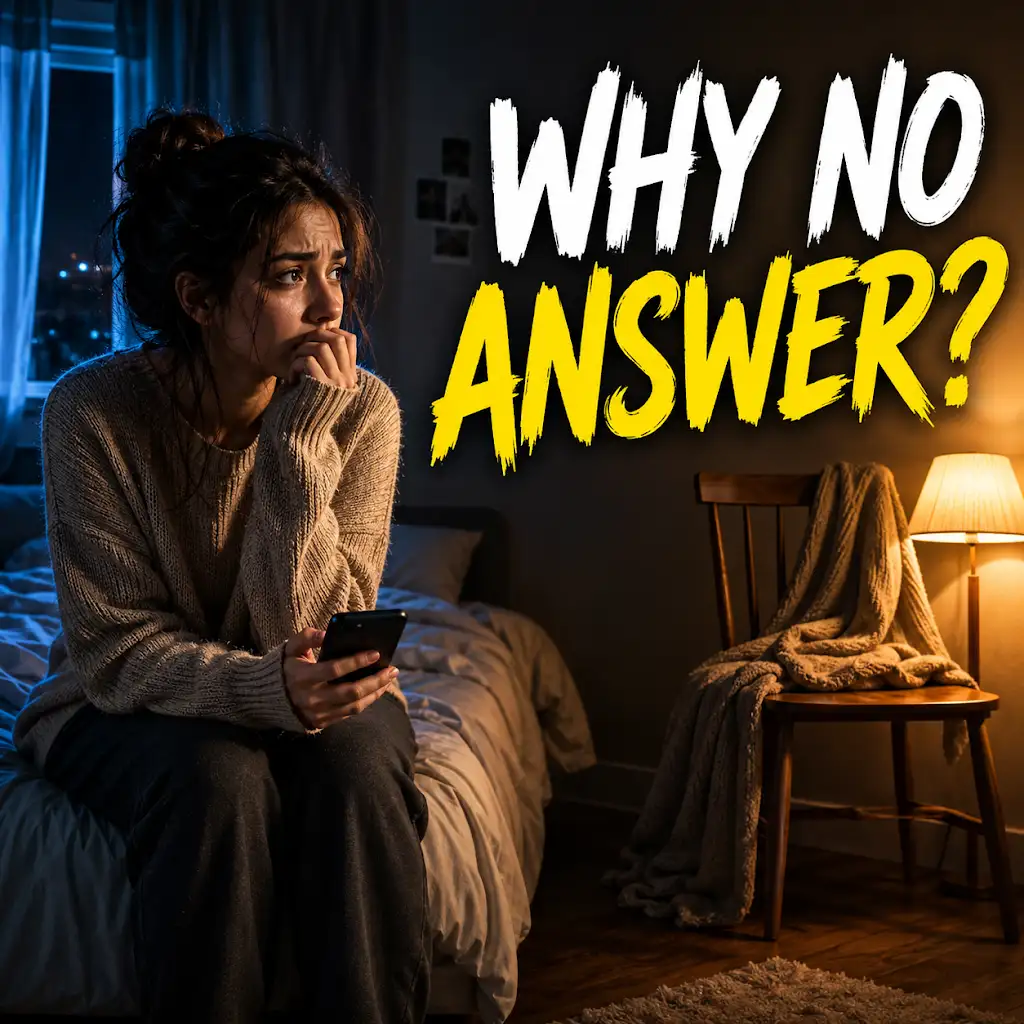
Why Your Brain Can’t Let Go When Someone Ignores You
FAQs
What is ghosting?
Ghosting is the act of suddenly ending all communication with someone without any explanation or warning. This can happen in various types of relationships, including romantic, friendship, or professional.
Why does ghosting hurt so much?
Ghosting can be particularly painful because it leaves the person who is being ghosted with unanswered questions and a sense of rejection. It can also lead to feelings of confusion, self-doubt, and a loss of closure.
What are the psychological effects of ghosting?
The psychological effects of ghosting can include feelings of abandonment, betrayal, and a blow to one’s self-esteem. It can also lead to increased anxiety, depression, and difficulty trusting others in future relationships.
How can understanding the reasons behind ghosting help with the pain?
Understanding the reasons behind ghosting, such as the other person’s fear of confrontation or their own emotional issues, can help the person who has been ghosted to make sense of the situation and begin to heal. It can also provide a sense of closure.
What are some healthy ways to cope with the pain of being ghosted?
Some healthy ways to cope with the pain of being ghosted include seeking support from friends and family, engaging in self-care activities, and seeking professional help if needed. It’s also important to focus on building self-esteem and maintaining a positive outlook on future relationships.