You’ve likely heard both “reflection” and “rumination” tossed around, often interchangeably. But understanding the subtle, yet crucial, difference between them can be a game-changer for your mental well-being. They both involve thinking about past events, but one fosters growth and learning, while the other can trap you in a cycle of negativity. This article will help you clearly distinguish between the two, so you can harness the power of beneficial thinking and break free from the grip of unhelpful patterns.
At its heart, the difference between reflection and rumination boils down to purpose and outcome. Reflection is about actively engaging with your experiences in a constructive way, aiming to gain insight and foster personal development. It’s like a skilled craftsman examining a piece of work, identifying areas for improvement and learning from any mistakes. Rumination, on the other hand, is a passive and often repetitive replay of past events, fixated on negative emotions and often leading to a sense of being stuck. It’s more like a scratched record, playing the same unhappy tune over and over without any resolution.
Reflection: A Tool for Growth
When you reflect, you are intentionally turning your attention to a past experience with the aim of understanding it better. This isn’t about re-living the pain or guilt, but rather about dissecting the event to extract valuable lessons. You’re asking yourself what happened, why it happened, and what you can do differently in the future. This process is forward-looking, even though it starts with a backward glance. It’s about building a toolkit of knowledge and strategies that will serve you well in navigating future challenges. Think of it as a mental debrief, where the goal is to emerge stronger and wiser.
Rumination: The Endless Loop
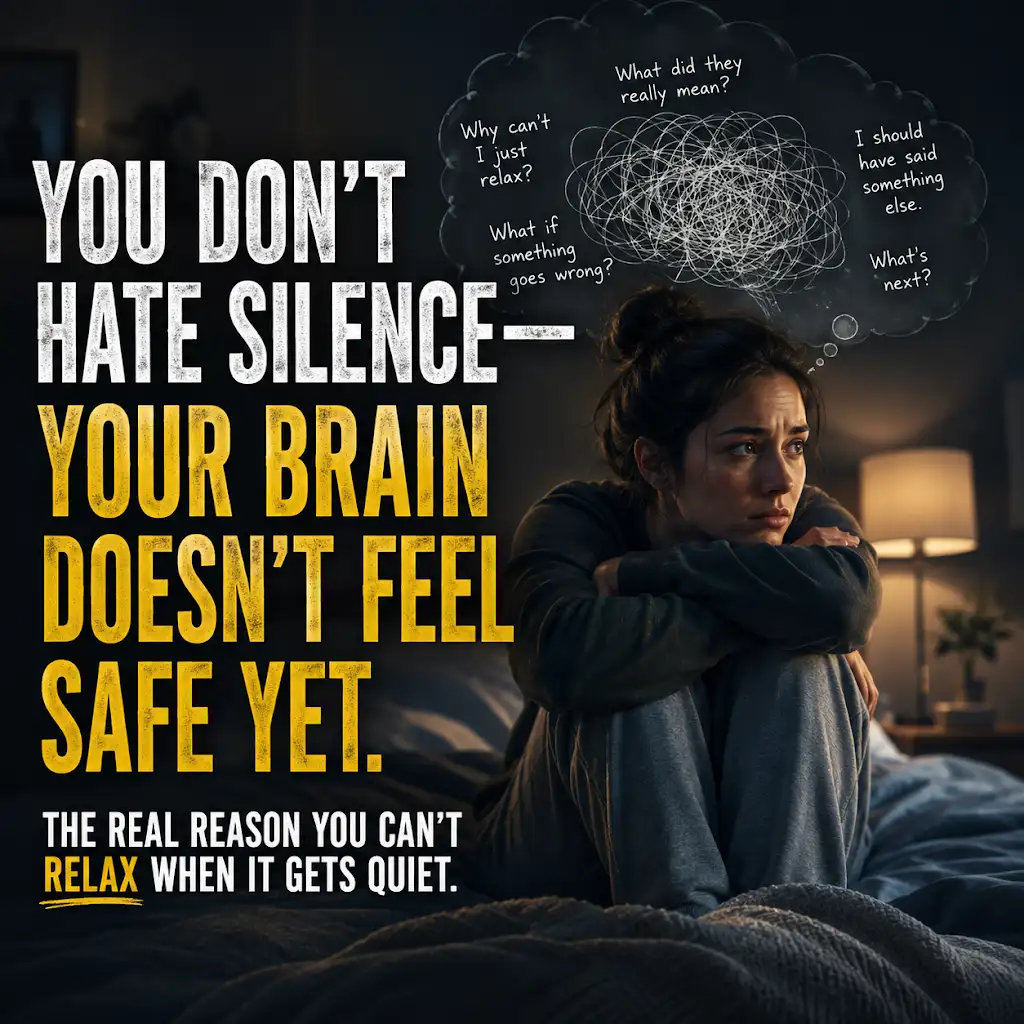
Rumination is characterized by a persistent and intrusive focus on negative thoughts and feelings associated with a past event. It’s a mental treadmill that spins you in circles, replaying the same scenarios and dwelling on the ‘what ifs’ and ‘should haves’ without any sense of progress. The emotional tone of rumination is overwhelmingly negative – anxiety, sadness, frustration, or self-criticism. It’s often accompanied by a sense of helplessness and a belief that you are unable to change the situation or your feelings about it. Unlike reflection, which seeks resolution, rumination often amplifies distress and can lead to a sense of being overwhelmed.
The Brain’s Role: Active Processing vs. Passive Replay
From a neurological perspective, reflection involves more active engagement of higher-level cognitive functions. You might be accessing your memory, analyzing cause and effect, problem-solving, and employing metacognition (thinking about your thinking). This leads to the formation of new neural pathways and a deeper understanding. Rumination, conversely, tends to activate more primal, emotionally-driven areas of the brain, particularly the amygdala (the brain’s alarm system). This can trigger a stress response, flooding your system with hormones like cortisol, which can be detrimental to both your mental and physical health over time. It’s a feedback loop where negative thoughts trigger negative emotions, which in turn fuel more negative thoughts.
In exploring the concepts of reflection versus rumination, it can be beneficial to delve into related articles that provide further insights into these psychological processes. One such resource is available at Unplugged Psych, which offers a comprehensive explanation of how reflection can lead to personal growth while rumination may contribute to negative thought patterns. Understanding the distinctions between these two mental activities can significantly impact emotional well-being and overall mental health.
Signs You’re Reflecting Constructively
Recognizing the signs of healthy reflection is key to differentiating it from its unhelpful counterpart. It’s not about eliminating all negative feelings, but about how you engage with them. When you’re reflecting effectively, you’ll likely notice a shift in your perspective and a sense of moving forward.
The Focus on Learning and Insight
One of the most significant indicators of reflection is your intention to learn. You’re not just replaying a memory; you’re actively seeking out the lessons embedded within it. This might involve asking yourself questions like:
- What was my role in this situation? (Acknowledging your agency, not just blaming others)
- What did I learn from this experience? (Identifying specific takeaways)
- What could I have done differently? (Exploring alternative actions, not dwelling on regret)
- What skills or knowledge can I gain from this? (Focusing on future application)
- How has this experience changed me or my perspective? (Recognizing personal growth)
The answers you derive are not meant to be definitive judgments, but rather opportunities for understanding. You’re building a richer tapestry of your experiences, appreciating the nuances and complexities.
The Goal of Problem-Solving and Future Planning
Reflection is inherently forward-looking. Even when you’re examining a past problem, the ultimate aim is to find solutions and prepare for similar situations in the future. You’re not just dissecting the past; you’re using that dissection to build a better future. This might manifest as:
- Developing coping strategies: You identify what didn’t work and brainstorm what might.
- Setting new goals: Based on your insights, you might adjust your aspirations or create new ones.
- Making concrete plans: You might decide to practice a new skill, communicate differently, or avoid certain triggers.
- Building resilience: Each reflective experience strengthens your capacity to handle future adversity.
The feeling after a period of reflection is often one of clarity, empowerment, and a sense of agency over your life.
The Emotional Tone: Balanced and Objective
While reflection can involve acknowledging difficult emotions, the overall emotional tone is more balanced and objective. You’re not swept away by anger or despair. Instead, you can observe your feelings from a slight distance, understanding them as part of the experience rather than being consumed by them. You might feel a sense of sadness or disappointment, but it’s tempered with acceptance and a recognition of the learning process. There’s a sense of self-compassion, recognizing that you’re human and prone to mistakes, but that doesn’t define you.
The Outcome: Closure and Moving Forward
Ultimately, effective reflection leads to a sense of closure and the ability to move forward. You haven’t necessarily “forgotten” the experience, but you’ve integrated it into your life in a healthy way. The negative charge dissipates, and the lessons learned become valuable assets. You feel a sense of resolution, not in the sense of erasing the past, but in the sense of having processed it and extracted its value. This allows you to release the emotional burden and invest your energy in present and future endeavors.
Recognizing the Grip of Rumination

Rumination is a mental trap that can feel incredibly difficult to escape. It’s characterized by a self-perpetuating cycle of negative thoughts and emotions that can significantly impact your well-being. Identifying the signs is the first step towards breaking free.
The Persistent Focus on Negativity
The hallmark of rumination is its relentless focus on the negative aspects of a situation. You’re not looking for lessons or solutions; you’re replaying the worst parts, the mistakes, the perceived failures, and the associated painful emotions. This might involve:
- Obsessive worry: Constantly replaying worst-case scenarios, even if they are unlikely.
- Self-criticism: Engaging in harsh and relentless self-judgment, focusing on your flaws and shortcomings.
- Blaming others (or yourself excessively): Getting stuck on who or what was to blame, without moving towards understanding or resolution.
- Reliving negative emotions: Continuously feeling the anger, sadness, anxiety, or shame associated with the event.
The thought process is often circular, with one negative thought leading to another, creating an escalating spiral of distress.
The Inability to Let Go
A key characteristic of rumination is the feeling of being unable to let go of the past. Even when you know you should move on, your mind keeps returning to the same painful memories and thoughts. This can manifest as:
- Intrusive thoughts: The event or negative thoughts about it pop into your head unexpectedly and persistently.
- Difficulty concentrating: Your mind is so preoccupied with the past that you struggle to focus on present tasks.
- Feeling “stuck”: A pervasive sense that you’re unable to make progress or move forward in your life.
- Repeatedly rehashing the details: You find yourself going over the same sequence of events again and again, looking for something you missed, but finding no new insights.
This inability to disengage leaves you feeling drained and powerless.
The Emotional Toll: Amplified Distress
Rumination doesn’t just involve thoughts; it’s deeply intertwined with negative emotions. Instead of processing and releasing these emotions, rumination amplifies them, making them feel more intense and overwhelming. You might experience:
- Increased anxiety and worry: The constant rehashing fuels a sense of dread and unease.
- Heightened sadness and depression: Dwelling on negative experiences can lead to feelings of hopelessness and despair.
- Increased anger and resentment: Focusing on perceived injustices or mistakes can foster bitterness.
- Guilt and shame: Intense feelings of self-blame can plague you, even if the situation wasn’t entirely your fault.
These amplified emotions can be debilitating, impacting your mood, motivation, and overall sense of well-being.
The Outcome: Increased Suffering and Impaired Functioning
The ultimate outcome of rumination is often increased suffering and impaired functioning. Instead of learning from your experiences, you become trapped in a cycle of negative thoughts and emotions, which can lead to:
- Worsening mental health conditions: Rumination is a common symptom and a contributing factor to anxiety, depression, and other mental health challenges.
- Physical health problems: Chronic stress from rumination can weaken your immune system, disrupt sleep, and contribute to various physical ailments.
- Relationship difficulties: When you’re constantly consumed by negative thoughts, it can be hard to be present and engaged with loved ones.
- Reduced productivity and performance: The mental energy consumed by rumination can leave you with little left for other aspects of your life.
Rumination is not a passive process; it’s an active perpetuation of distress that can significantly hinder your ability to live a fulfilling life.
The Neuroscience Behind the Difference: How Your Brain Reacts

Understanding the neurological underpinnings of reflection and rumination can provide valuable insight into why one is beneficial and the other is not. Your brain is a dynamic organ, and the way you engage with your thoughts directly influences its activity and structure.
Reflection: Engaging the Prefrontal Cortex
When you engage in reflection, you are actively utilizing your prefrontal cortex (PFC). This area of the brain is responsible for higher-order cognitive functions such as:
- Executive functions: Planning, decision-making, problem-solving, and impulse control.
- Working memory: Holding and manipulating information temporarily.
- Cognitive flexibility: Shifting perspectives and adapting to new information.
- Metacognition: Thinking about your own thoughts and processes.
During reflection, the PFC is actively engaged in analyzing information, evaluating situations from different angles, and constructing new understanding. This process leads to the formation of new neural connections and strengthens existing ones, promoting cognitive growth and resilience. It’s akin to building a more robust and efficient mental infrastructure.
Rumination: Hijacking the Amygdala and Limbic System
Rumination, on the other hand, tends to be driven by the amygdala, the brain’s emotional processing center, and other parts of the limbic system. These areas are primarily responsible for:
- Detecting threats: The amygdala is quick to flag potential dangers, triggering the stress response.
- Processing emotions: The limbic system is involved in the generation and experience of emotions, particularly fear, anger, and sadness.
When you ruminate, the amygdala is constantly activated, signaling to the rest of your brain that there is a problem. This triggers the release of stress hormones like cortisol, which can lead to a cascade of physiological and psychological effects. The PFC’s ability to regulate these emotional responses is often diminished during rumination, leaving you feeling overwhelmed and unable to gain perspective. It’s a cycle where the emotional alarm system is perpetually sounding, preventing the more rational, problem-solving parts of your brain from taking over.
The Role of Neurotransmitters: Serotonin and Dopamine
The interplay of neurotransmitters also plays a role. While research is ongoing, it’s understood that serotonin, often associated with mood regulation and feelings of well-being, can be negatively impacted by rumination. The constant stress response can deplete serotonin levels, contributing to feelings of sadness and anxiety. Conversely, the problem-solving and insight gained through reflection can support healthier neurotransmitter balance. Dopamine, associated with reward and motivation, may be less involved in the negative loop of rumination, further contributing to feelings of lethargy and lack of drive.
Long-Term Effects: Neural Plasticity and Resilience
The repeated patterns of neural activity associated with reflection and rumination can have long-term effects on your brain’s structure and function due to neuroplasticity – the brain’s ability to reorganize itself by forming new neural connections throughout life.
- Reflection fosters positive neural plasticity: By consistently engaging in reflective thinking, you strengthen the neural pathways associated with problem-solving, emotional regulation, and insight. This can lead to increased cognitive flexibility, improved mood, and greater resilience to stress. You are essentially training your brain to be more adept at learning and adapting.
- Rumination promotes negative neural plasticity: Conversely, chronic rumination can strengthen neural pathways associated with negative emotions and threat detection. This can make you more susceptible to anxiety and depression, and less able to disengage from negative thought patterns. You are, in essence, training your brain to be more prone to worry and distress.
Understanding these neurological processes underscores the importance of consciously choosing reflection over rumination for your long-term mental and emotional health.
In exploring the differences between reflection and rumination, it is helpful to consider how these processes impact mental well-being. Reflection can lead to personal growth and insight, while rumination often results in negative thought patterns that can hinder progress. For a deeper understanding of these concepts and their implications, you can read a related article that delves into the nuances of these mental processes. Check it out here for more insights on how to cultivate healthy reflection while avoiding the pitfalls of rumination.
Cultivating Reflective Habits and Breaking Free from Rumination
| Reflection | Rumination |
|---|---|
| Focuses on understanding and learning from experiences | Repetitively dwelling on negative thoughts and feelings |
| Leads to personal growth and development | Can lead to increased stress and anxiety |
| Encourages problem-solving and positive change | Can result in feeling stuck and unable to move forward |
| Helps in gaining insight and perspective | Can lead to self-criticism and self-doubt |
The good news is that you can learn to cultivate reflective habits and actively break the cycle of rumination. It takes practice and conscious effort, but the rewards are significant for your well-being.
Strategies for Enhancing Reflection
Making reflection a regular part of your life can be achieved through various practical strategies. These are not about adding more tasks to your day, but about reframing how you engage with your experiences.
- Journaling: Dedicate a few minutes each day or week to writing down your thoughts and feelings about recent events. Ask yourself specific questions about what you learned, what went well, and what could have been done differently. The act of writing can help you process and clarify your thoughts.
- Mindful pauses: Throughout your day, take short moments to simply check in with yourself. Ask: “What am I experiencing right now? What am I feeling? What just happened?” This brief pause can interrupt automatic reactions and create space for more deliberate thought.
- Guided reflection exercises: There are many resources available, such as guided meditations or prompts designed to facilitate reflection on specific aspects of life, relationships, or challenges.
- Talking it through with a trusted person: Sometimes, articulating your thoughts and experiences to a supportive friend, family member, or therapist can provide new perspectives and help you move from rumination to reflection. The act of verbalizing can untangle complex thoughts.
- Setting aside dedicated time: Block out specific times in your schedule for reflection, much like you would for any other important activity. This could be a quiet 20 minutes before bed or a longer session on a weekend morning.
- Reviewing accomplishments and lessons learned: At the end of each week or month, take time to review your successes, both big and small, and the lessons you’ve gained. This reinforces positive experiences and helps you see progress.
Techniques for Interrupting Rumination
Breaking free from rumination requires active strategies to interrupt the negative thought cycle. It’s about redirecting your mental energy.
- Thought stopping: When you notice yourself entering a rumination loop, mentally (or even out loud, if appropriate) say “Stop!” This can help to jolt you out of the pattern. Follow this immediately with a redirecting activity.
- Distraction with engaging activities: Immediately engage in an activity that requires your focus and attention. This could be reading a book, listening to upbeat music, exercising, playing a game, or working on a hobby. The goal is to shift your mental bandwidth away from the ruminative thoughts.
- Practicing mindfulness: Mindfulness meditation teaches you to observe your thoughts without judgment and to bring your attention back to the present moment. By focusing on your breath or bodily sensations, you can create space between yourself and your ruminative thoughts, reducing their power.
- Challenging negative thoughts: When you catch yourself ruminating, question the validity of your negative thoughts. Are they based on facts or assumptions? What’s another way to look at this situation? This is a key component of Cognitive Behavioral Therapy (CBT).
- Problem-solving instead of dwelling: If the rumination is about a specific problem, shift your focus to brainstorming solutions. Break the problem down into smaller, manageable steps and take action, however small. Action can be a powerful antidote to the paralysis of rumination.
- Setting time limits for worry: If you find yourself constantly worrying, designate a specific “worry time” each day (e.g., 15 minutes). Outside of this time, practice thought-stopping and redirection techniques when worries arise. This helps to contain the worry rather than letting it consume your entire day.
The Importance of Self-Compassion
Throughout this process, remember to be kind to yourself. Learning to distinguish between reflection and rumination and to shift your thinking habits takes time and effort. There will be days when you fall back into old patterns.
- Acknowledge your efforts: Recognize and appreciate the times you successfully engage in reflection or interrupt rumination.
- Practice self-kindness: Treat yourself with the same understanding and compassion you would offer a friend who is struggling. Avoid harsh self-criticism.
- View setbacks as learning opportunities: If you find yourself ruminating, see it not as a failure, but as another opportunity to practice your new skills. What can you learn from this instance of rumination?
By actively cultivating reflective habits and employing strategies to interrupt rumination, you can harness the power of your mind to foster growth, resilience, and a more positive outlook on life. You have the capacity to shift your thinking patterns and build a healthier relationship with your past experiences.
You Don’t Hate Silence—Your Brain Doesn’t Feel Safe Yet
FAQs
What is reflection?
Reflection is the process of thinking about and analyzing experiences, thoughts, and emotions in a constructive and positive way. It involves considering the meaning and implications of events and how they can be used for personal growth and learning.
What is rumination?
Rumination is the process of repetitively focusing on negative thoughts and emotions, often without finding a solution or resolution. It can lead to increased stress, anxiety, and depression, and can hinder problem-solving and decision-making abilities.
How do reflection and rumination differ?
Reflection involves a purposeful and constructive analysis of experiences, while rumination involves dwelling on negative thoughts and emotions without finding a resolution. Reflection is focused on learning and growth, while rumination is focused on negative emotions and can lead to increased distress.
What are the effects of reflection?
Reflection can lead to increased self-awareness, personal growth, and improved problem-solving abilities. It can also help individuals gain a deeper understanding of their emotions and experiences, leading to better decision-making and a more positive outlook on life.
What are the effects of rumination?
Rumination can lead to increased stress, anxiety, and depression. It can also hinder problem-solving abilities and decision-making, and can lead to a negative and pessimistic outlook on life. Rumination is associated with a range of mental health issues and can have a detrimental impact on overall well-being.