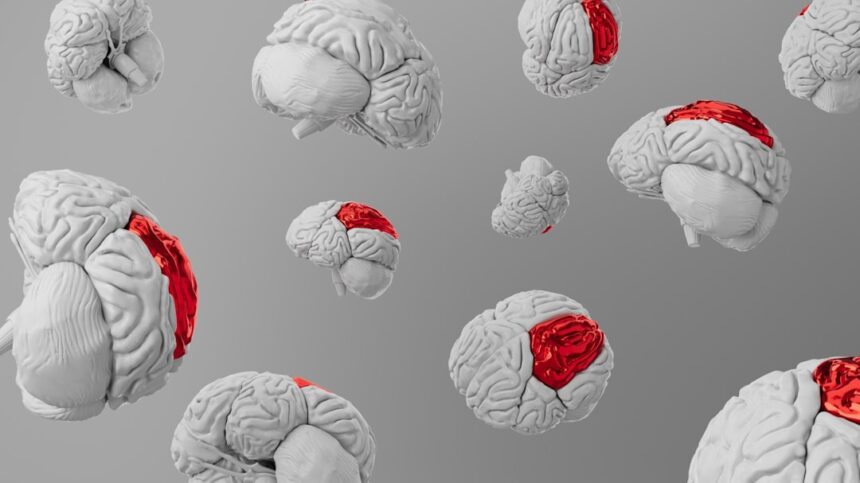
You’ve experienced trauma, and now your brain is working overtime to keep you safe. This isn’t a conscious decision; it’s a sophisticated, albeit sometimes overwhelming, biological response. Understanding how your brain learns from these traumatic experiences is crucial for healing and regaining a sense of control. It’s about deciphering the whispers and shouts of your nervous system, recognizing that it’s not broken, but rather trying its best to navigate a world that suddenly feels unpredictable and dangerous.
The Brain’s Rewiring: A Survival Imperative
After trauma, your brain doesn’t just return to its pre-trauma state. It undergoes significant changes, re-prioritizing its circuits to maximize survival. Think of it as an emergency upgrade. Systems designed for acute threats, like the fight-or-flight response, become hyperactive. Meanwhile, areas responsible for executive functions, like rational thought and emotional regulation, might be temporarily suppressed or re-routed. This rewiring is fundamentally about learning: learning that certain stimuli are dangerous, learning to anticipate threats, and learning to react instinctively to avoid further harm.
The Amygdala: Your Brain’s Alarm System
The amygdala, a small almond-shaped structure deep within your brain, is your primary threat detector. In the context of trauma, the amygdala becomes highly sensitized. It’s like a smoke alarm that’s been recalibrated to detect even the faintest whiff of smoke, sometimes leading to false alarms. This heightened sensitivity means that even reminders of the trauma, or situations that share even a superficial similarity, can trigger a strong fear response. You might find yourself experiencing intense anxiety, a racing heart, or a feeling of impending doom, all without a clear present-day threat. This is your amygdala screaming “Danger!” based on learned associations from the past.
From Acute Threat to Chronic Vigilance
Initially, the amygdala’s heightened activity is a useful survival mechanism. It helps you avoid repeating dangerous situations. However, if the trauma was severe or prolonged, this hypervigilance can become chronic. Your brain starts to operate under the assumption that danger is always lurking. This can manifest as difficulty relaxing, a constant feeling of unease, and an exaggerated startle response. You might find yourself scanning your environment obsessively, always on the lookout for potential threats, even when you are in a safe place.
The Role of Stress Hormones
The amygdala’s activation triggers the release of stress hormones like cortisol and adrenaline. These hormones prepare your body for action – increasing heart rate, blood pressure, and diverting blood flow to your muscles. In a single, acute trauma, this surge is temporary. However, in the aftermath of trauma, the stress response system can become dysregulated. This means that even small stressors can trigger a significant hormonal release, keeping your body in a state of chronic activation. This constant state of alert is exhausting and can have detrimental effects on your physical and mental health. You might experience sleep disturbances, digestive issues, and a weakened immune system, all consequences of a body perpetually braced for impact.
The Hippocampus: Memory and Context
The hippocampus is crucial for forming new memories and retrieving old ones. It also plays a vital role in placing memories in context, helping you understand when and where something happened. After trauma, the hippocampus can be impaired, affecting your ability to process and store traumatic memories effectively. Instead of being integrated into a coherent narrative, traumatic memories can become fragmented, intrusive, and feel as though they are happening in the present moment. This is why flashbacks can be so vivid and distressing.
Fragmented Memories and Dissociation
Trauma can disrupt the hippocampus’s ability to create a cohesive memory. You might have vivid sensory fragments of the event – a sound, a smell, a feeling – without a clear narrative of what happened. This fragmentation can lead to a sense of disorientation and detachment from your own experiences. Dissociation, a feeling of being disconnected from your body, your thoughts, or your surroundings, can be a protective mechanism that arises when the hippocampus is overwhelmed. It’s your brain’s way of creating distance from unbearable experiences.
The Impact on Learning and Future Planning
When the hippocampus is compromised, it affects more than just recall of the past. It also impacts your ability to learn from new experiences and plan for the future. Your brain struggles to create stable, integrated memories of safe experiences, making it harder to build confidence and a sense of predictability. You might find yourself stuck in a loop, replaying the trauma or struggling to make decisions because the neural pathways for future orientation have been disrupted. This can contribute to feelings of hopelessness and a sense of being trapped by your past.
Understanding how the brain learns safety after trauma is a crucial area of research in psychology and neuroscience. An insightful article on this topic can be found on Unplugged Psychology, which explores the mechanisms through which traumatic experiences shape our perception of safety and influence our responses to future threats. For more information, you can read the article here: Unplugged Psychology. This resource provides valuable insights into the brain’s adaptive processes and therapeutic approaches to help individuals reclaim their sense of security.
The Prefrontal Cortex: Executive Functions and Regulation
The prefrontal cortex (PFC), located at the front of your brain, is responsible for higher-level cognitive functions, including decision-making, impulse control, emotional regulation, and social behavior. Trauma can significantly impact the PFC, leading to difficulties in these areas. It’s like the brain’s CEO is struggling to manage operations effectively, leading to chaos in other departments.
The Downturn in Executive Control
When you experience trauma, the PFC’s ability to regulate the amygdala’s alarm system can be compromised. This means that the amygdala’s fear signals might go unchecked, leading to an overreaction to perceived threats. You might find yourself acting impulsively, struggling to control your emotions, or having difficulty concentrating. This isn’t a lack of willpower; it’s a neurological consequence of trauma. The PFC, which normally acts as a brake on the amygdala, is essentially on strike, leaving the alarm system to run unchecked.
Impaired Decision-Making and Problem-Solving
The PFC is crucial for rational thought and problem-solving. Trauma can impair these functions, making it difficult to make sound decisions or navigate complex situations. You might experience indecisiveness, a tendency to ruminate on problems without finding solutions, or a feeling of being overwhelmed by choices. This can extend to everyday tasks, making it challenging to manage work, relationships, or even personal hygiene. The ability to weigh consequences and strategize is diminished when the PFC is under duress.
Difficulty with Emotional Regulation
Emotional regulation is a key function of the PFC. After trauma, you might struggle to manage intense emotions like anger, sadness, or anxiety. This can manifest as emotional outbursts, irritability, or an inability to calm down once you become upset. Conversely, you might also experience emotional numbing or a sense of detachment from your feelings, a response that also originates from the PFC’s attempt to protect itself from overwhelming emotional pain. The intricate dance of experiencing, processing, and managing emotions becomes a difficult and often exhausting battle.
Neurotransmitters: The Brain’s Chemical Messengers
Neurotransmitters are chemical messengers that transmit signals between nerve cells. Trauma can disrupt the delicate balance of these chemicals, leading to a range of emotional and behavioral changes. These chemical imbalances are not to be underestimated; they are fundamental to how you feel and function.
The Role of Serotonin and Dopamine
Serotonin is often associated with mood regulation, while dopamine is linked to pleasure and reward. Trauma can lead to a depletion of serotonin, contributing to feelings of depression and anxiety. Dopamine pathways can also be affected, leading to a loss of interest in activities that once brought you joy and a diminished sense of motivation. You might find yourself struggling with anhedonia – the inability to experience pleasure – which is a significant consequence of these neurotransmitter disruptions.
The Impact on Sleep and Appetite
The dysregulation of neurotransmitters can also impact fundamental bodily functions like sleep and appetite. You might experience insomnia, hypersomnia, or disrupted sleep patterns, all of which can exacerbate other symptoms. Similarly, your appetite can be affected, leading to overeating or undereating. These changes are not simply behavioral choices but are deeply rooted in the altered neurochemistry of your brain.
Understanding how the brain learns safety after trauma is a complex process that involves various neurological and psychological mechanisms. Research indicates that traumatic experiences can significantly alter the way individuals perceive threats, leading to heightened anxiety and hyper-vigilance. For those interested in exploring this topic further, a related article discusses the intricate relationship between trauma and the brain’s safety learning processes. You can read more about it in this insightful piece on unpluggedpsych.com, which delves into the strategies that can help individuals reclaim a sense of security in their lives.
The Influence of Norepinephrine
Norepinephrine is a neurotransmitter that plays a key role in the body’s stress response. In trauma survivors, norepinephrine levels can remain elevated, contributing to hypervigilance, anxiety, and a heightened startle response. This chemical surge keeps your system in a constant state of alert, making it difficult to relax and feel safe. It’s like having a perpetual low-grade fever that drains your energy and leaves you feeling on edge.
The Cycle of Anxiety and Hyperarousal
Elevated norepinephrine can create a vicious cycle of anxiety and hyperarousal. You become more anxious because you are constantly on alert, and this heightened anxiety further fuels the release of norepinephrine. This can make it incredibly difficult to break free from the grip of chronic worry and fear. The brain learns to associate even neutral stimuli with danger, perpetuating the cycle.
Learning and Relearning: The Path to Healing
While trauma profoundly impacts your brain, it’s important to remember that the brain is remarkably plastic. This means it has the capacity to change and adapt, even after trauma. Healing involves actively engaging in processes that help your brain relearn safety and regain balance. This isn’t about forgetting the trauma, but about integrating it in a way that no longer dictates your present and future.
Trauma-Informed Therapies: Guiding the Relearning Process
Therapies specifically designed to address trauma, such as Eye Movement Desensitization and Reprocessing (EMDR), Trauma-Focused Cognitive Behavioral Therapy (TF-CBT), and Somatic Experiencing, work by helping your brain process traumatic memories in a safe and controlled environment. These therapies guide your brain through the experiences that led to its survival-oriented rewiring, allowing it to re-evaluate threat cues and build new, healthier associations. You are actively participating in the relearning process, with professional guidance.
Creating New Neural Pathways
Through consistent therapeutic work, you can begin to create new neural pathways. This involves consciously engaging in activities that promote relaxation, mindfulness, and a sense of agency. For example, practicing meditation can help strengthen the prefrontal cortex’s ability to regulate the amygdala. Engaging in creative activities or physical exercise can release endorphins and promote positive neurochemical changes. These actions are not just pleasant distractions; they are active rewiring strategies.
The Importance of Safety and Connection
A fundamental aspect of relearning safety is experiencing it. This means creating environments and relationships that feel secure and trustworthy. Connecting with supportive individuals who understand and validate your experiences can be incredibly healing. It provides a counterbalance to the isolation and fear that trauma often breeds. When you feel safe and connected, your brain receives powerful signals that the world is not as dangerous as it has been conditioned to believe.
Gradual Exposure and Desensitization
Healing often involves a process of gradual exposure to triggers, but in a controlled and safe manner. This allows your brain to encounter feared stimuli without the overwhelming threat response it has learned to associate with them. With repeated safe experiences, the amygdala learns that these stimuli are no longer dangerous, and the prefrontal cortex can reassert its regulatory control. This is a slow, deliberate process of challenging deeply ingrained survival responses.
Building Resilience: Strengthening Your Brain’s Capacity
Trauma can erode your sense of resilience, making you feel vulnerable and overwhelmed. However, by actively engaging in self-care, setting healthy boundaries, and seeking support, you can rebuild your resilience. Resilience is not about being immune to pain; it’s about your capacity to bounce back and adapt in the face of adversity. Each step you take towards healing strengthens your brain’s ability to cope with future challenges. You are not just recovering; you are building a stronger, more adaptable self.
The Ongoing Journey of Understanding
Understanding your brain’s response to trauma is not a one-time event; it’s an ongoing journey. As you continue to heal, you will gain deeper insights into your own internal landscape. Be patient with yourself, acknowledge your progress, and remember that your brain, though deeply affected, is also incredibly capable of healing and growth. You are actively engaged in a profound process of self-discovery and reconstruction, and that is a testament to your inherent strength and the brain’s remarkable capacity for adaptation.

Your Life Is Safe. So Why Are You Still on Alert?
FAQs

What is the process of the brain learning safety after trauma?
The process of the brain learning safety after trauma involves the amygdala, which is responsible for processing emotions, and the prefrontal cortex, which is responsible for decision-making and rational thinking. Through repeated exposure to safe and non-threatening situations, the brain can gradually re-learn that it is safe, and the fear response can be reduced.
What are some common techniques for helping the brain learn safety after trauma?
Some common techniques for helping the brain learn safety after trauma include exposure therapy, cognitive behavioral therapy, mindfulness and relaxation techniques, and building a strong support network. These techniques can help individuals gradually re-learn that they are safe and reduce the fear response associated with the trauma.
How long does it take for the brain to learn safety after trauma?
The time it takes for the brain to learn safety after trauma can vary depending on the individual and the severity of the trauma. It can take weeks, months, or even years for the brain to fully re-learn safety and reduce the fear response associated with the trauma. Consistent and targeted therapy can help expedite the process.
What are the long-term effects of trauma on the brain’s ability to learn safety?
Long-term effects of trauma on the brain’s ability to learn safety can include heightened fear response, hypervigilance, and difficulty trusting others. These effects can impact an individual’s ability to feel safe and secure in their environment, and may require ongoing therapy and support to address.
Can the brain fully recover and learn safety after trauma?
While the brain may never fully “forget” the trauma, it is possible for individuals to re-learn safety and reduce the fear response associated with the trauma. With the right therapy, support, and techniques, the brain can adapt and form new neural pathways that support a sense of safety and security.