
You’re experiencing something unsettling. It’s not a simple headache or a bout of forgetfulness, but a strange disruption in your perception, your memories, your emotions, and even how you process sounds and language. You might find yourself feeling like an orchestra conductor whose musicians have suddenly begun to play their own, discordant tunes from different parts of the concert hall. This is often the hallmark of a temporal lobe misfire, a rather dramatic way of saying that the crucial processing centers located within your temporal lobes are not functioning as smoothly as they should. Understanding these misfires is the first step to navigating their complex and often bewildering landscape.
Think of your temporal lobes as the central control room for a vast array of critical functions. Situated just behind your temples, these two hemispheres of your brain are the maestros orchestrating your auditory processing, your memory formation and retrieval, your emotional regulation, and your ability to understand language. They are the silent engines that allow you to recognize the melody of your favorite song, recall the scent of your childhood home, feel the pang of joy or sorrow, and comprehend the words spoken to you. When these lobes misfire, the symphony of your cognitive experience can descend into cacophony.
Auditory Hallucinations: When the Ears Hear What Isn’t There
One of the most striking symptoms that can arise from a temporal lobe misfire is the experience of auditory hallucinations. This isn’t simply hearing a distant siren or a creaking floorboard; it’s perceiving sounds that have no external source. Imagine a radio suddenly sputtering to life in an empty room, broadcasting voices or noises that no one else can detect.
The Nature of Auditory Hallucinations
These auditory experiences can manifest in a variety of ways. You might hear single words, complete sentences, music, or even a cacophony of random noises. The content of these hallucinations can range from neutral to benign, or they can be distressing, commanding, or even threatening. It’s as if your brain’s internal sound system has developed a glitch, playing back phantom audio or generating entirely new soundscapes without any input. This can be profoundly disorienting, blurring the lines between reality and the internal world of your mind.
Memory Disruptions: The Fickle Nature of Recollection
Your temporal lobes are the architects of your memories, meticulously constructing and retrieving the tapestry of your past. When they misfire, this intricate process can falter, leading to a range of memory-related issues that can feel like trying to grab smoke.
Anterograde Amnesia: The Blocked Path to New Memories
Anterograde amnesia is a particularly challenging symptom where forming new memories becomes incredibly difficult, if not impossible. It’s like trying to write on a waterlogged notebook; whatever you try to inscribe simply washes away, leaving no lasting impression. You might meet someone new and, minutes later, have no recollection of the encounter. This can lead to a feeling of perpetual disorientation and a disconnect from your present reality.
Retrograde Amnesia: The Fading Echoes of the Past
Retrograde amnesia, on the other hand, affects the ability to recall memories formed before the onset of the temporal lobe misfire. It’s as if chunks of your personal history have been whited out or blurred beyond recognition. You might struggle to remember significant life events, people you know well, or even your own personal information. The more severe the retrograde amnesia, the further back in time these memory gaps can extend, leaving you feeling adrift from your own lived experience.
Confabulation: Filling the Void with Fabrications
When memory falters, the brain sometimes attempts to fill the resulting gaps with fabricated information, a phenomenon known as confabulation. This isn’t intentional lying; rather, it’s your brain’s often unconscious effort to create a coherent narrative when actual memories are absent. It’s like a storyteller who, when asked to recount a specific event, improvises details to bridge the missing pieces of the plot, believing these fabricated elements to be true. This can lead to what appears to be factual inaccuracies or even bizarre stories, all stemming from a genuine attempt to make sense of missing information.
Temporal lobe misfire symptoms can manifest in various ways, including unusual sensory experiences and emotional disturbances. For a deeper understanding of these symptoms and their implications, you can refer to a related article that explores the complexities of temporal lobe dysfunction. This insightful piece provides valuable information on the subject and can be found at this link.
Emotional Dysregulation: Riding the Waves of Unpredictable Feelings
Your temporal lobes play a crucial role in your emotional processing and regulation. They act as the dials that help you modulate your feelings, preventing extreme swings and ensuring that your emotional responses are generally in proportion to the situation. When these lobes misfire, these dials can become erratic, leading to an unpredictable and often overwhelming emotional landscape.
Mood Swings: The Unpredictable Tides of Emotion
You might find yourself experiencing rapid and intense shifts in your mood, moving from profound sadness to unbridled rage or euphoria without any apparent trigger. It’s like being on a boat in a stormy sea, tossed about by waves of emotion that you have little control over. These mood swings can be exhausting and distressing, impacting your relationships and your ability to function in daily life.
Increased Irritability and Aggression: The Spark that Ignites
A temporal lobe misfire can lower your threshold for frustration, making you more prone to irritability and outbursts of anger. Small annoyances that you might once have brushed aside can now feel like major provocations, leading to snapping at loved ones or engaging in aggressive behavior. It’s as if a protective filter has been removed, leaving your emotional responses raw and easily triggered.
Anxiety and Fear: The Lingering Shadow of Apprehension
Conversely, you might experience persistent feelings of anxiety and fear, even in the absence of any real threat. This can manifest as a constant sense of unease, panic attacks, or a pervasive feeling of doom. It’s like living with a lurking shadow, always sensing danger even when the sun is shining. This can significantly impact your quality of life, leading to avoidance behaviors and social withdrawal.
Language and Communication Difficulties: The Garbled Transmission

The temporal lobes are vital for processing language, both in understanding what others say and in formulating your own coherent thoughts. When they misfire, communication can become a frustrating exercise in misinterpretation and word loss.
Receptive Aphasia: The Unintelligible Cacophony of Words
Receptive aphasia, also known as Wernicke’s aphasia, is a condition where you have difficulty understanding spoken or written language. You might hear words, but they sound like a foreign tongue, a jumbled collection of sounds without meaning. It’s like listening to a radio station that’s heavily out of tune, the signal garbled and incomprehensible. This can lead to significant frustration in conversations, as you struggle to follow along and respond appropriately.
Expressive Aphasia: The Tongue-Tied Struggle to Speak
Expressive aphasia, or Broca’s aphasia, affects your ability to produce coherent speech. While you may understand language, forming the words to express your thoughts becomes a challenge. Your speech might be slow, effortful, and grammatically incorrect, or you might struggle to find the right words altogether, leaving you tongue-tied. It’s like having a library of thoughts but no clear passage to the exit, obstructing the flow of your intended message.
Word-Finding Difficulties: The Elusive Quarry of Vocabulary
Even without full-blown aphasia, you might experience word-finding difficulties, often referred to as the “tip-of-the-tongue” phenomenon, but with greater frequency and intensity. The word you need is on the brink of your awareness, almost graspable, but it evades you, leaving you grasping at synonyms or resorting to descriptions. It’s like trying to catch a butterfly with a net full of holes; the intended prize slips through.
Seizures and Other Neurological Manifestations: The Electrical Storms
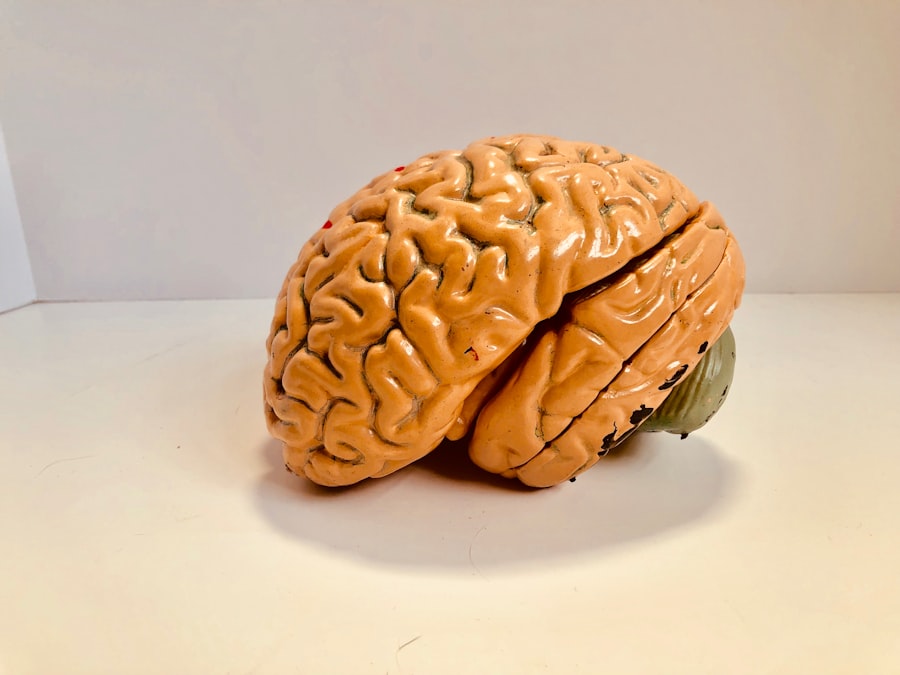
Temporal lobe epilepsy is a common cause of temporal lobe misfires, characterized by recurrent seizures that originate in this area of the brain. These seizures can manifest in a variety of ways, often referred to as focal or partial seizures, as they don’t involve the entire brain.
Focal Seizures with Altered Awareness: The Dissociative Experience
Focal seizures that affect the temporal lobes can lead to altered states of consciousness. You might experience a period of confusion, disorientation, or even a sense of detachment from your surroundings. This can feel like a moment of dissociation, where you are aware of what’s happening but feel as though you are observing it from a distance, like a spectator at an unfolding drama you can’t fully participate in.
Automatisms: The Unconscious Reenactments
During some temporal lobe seizures, you might engage in repetitive, seemingly purposeless movements or behaviors, known as automatisms. These can range from lip-smacking and chewing to more complex actions like fumbling with clothing or walking around. You are generally unaware of these actions while they are happening and may have little to no memory of them afterward. It’s like a sleeper walking, performing actions guided by an internal script that bypasses your conscious control.
The Aura: The Warning Signal Before the Storm
For some individuals, temporal lobe seizures are preceded by an aura, a sensory or psychological symptom that serves as a warning sign that a seizure is about to occur. These auras can be varied and are often unique to the individual. They might include the smell of burning rubber, a sense of déjà vu, a sudden wave of fear, or a visual distortion. The aura is essentially a localized electrical discharge within the temporal lobe itself, a premonition of the impending seizure activity.
Understanding temporal lobe misfires is a journey of recognizing these diverse and often unsettling symptoms. They are not necessarily a sign of a complete breakdown, but rather an indication that a critical network within your brain is experiencing temporary disruptions. By arming yourself with knowledge about these symptoms, you can better communicate with healthcare professionals, advocate for your needs, and begin to navigate the complex landscape of temporal lobe misfires with greater clarity and resilience. This understanding is your compass in charting a course towards diagnosis and effective management.
FAQs
What are common symptoms of a temporal lobe misfire?
Common symptoms include sudden changes in mood or behavior, unusual sensations such as déjà vu, auditory or visual hallucinations, confusion, and sometimes seizures or loss of awareness.
What causes temporal lobe misfires?
Temporal lobe misfires can be caused by epilepsy, brain injury, infections, tumors, or other neurological conditions that affect the temporal lobe of the brain.
How is a temporal lobe misfire diagnosed?
Diagnosis typically involves neurological examinations, brain imaging techniques like MRI or CT scans, and electroencephalogram (EEG) tests to detect abnormal electrical activity in the temporal lobe.
Can temporal lobe misfires be treated?
Yes, treatment may include anti-epileptic medications, lifestyle changes, and in some cases, surgery. The specific treatment depends on the underlying cause and severity of the symptoms.
When should someone seek medical attention for temporal lobe misfire symptoms?
Medical attention should be sought if symptoms such as seizures, sudden behavioral changes, confusion, or hallucinations occur, especially if they are recurrent or worsening, to ensure proper diagnosis and treatment.