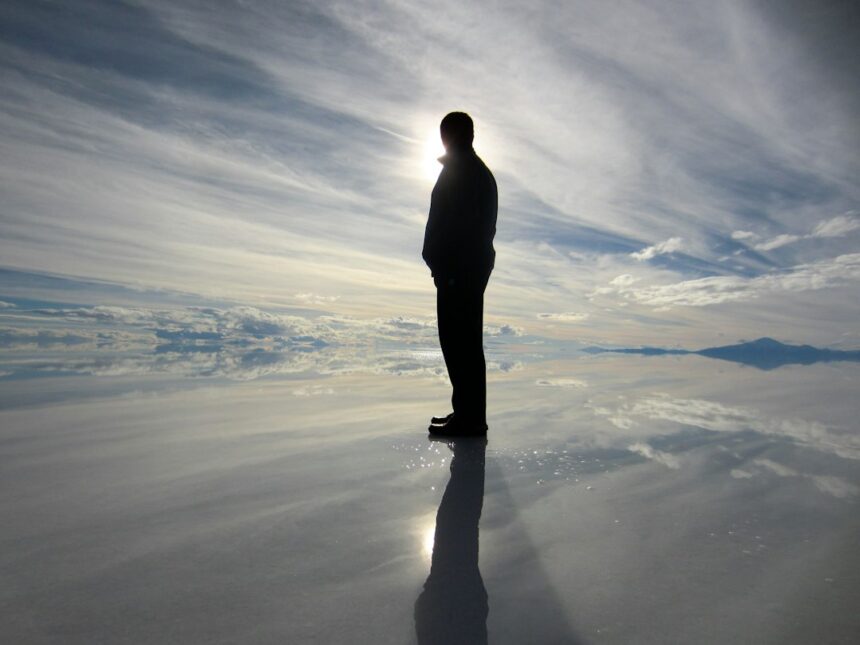
You might find yourself in a quiet room, the world outside a distant hum. Perhaps it’s by choice, a deliberate stepping away from the clamor of daily life, or perhaps it’s a consequence of circumstances, a space you didn’t actively seek. In these moments, it’s crucial to understand the nuanced difference between the two states that often get conflated: solitude and loneliness. They can feel like close cousins, sharing the characteristic of being alone, but their internal landscapes and the emotional resonance they carry are worlds apart. You’re not just experiencing a lack of company; you’re navigating a profound distinction that can shape your well-being, your self-perception, and your connection to the world.
Embracing the Quiet: The Nature of Solitude
Solitude is not an absence of people; it’s a presence of self. Think of it as a deliberate immersion in your own company, a chosen retreat where you have the freedom to explore your thoughts, reconnect with your inner world, and engage in activities that nourish your spirit, unburdened by external expectations or the need for social validation. It’s a sanctuary you construct, a space where you can breathe deeply, process your experiences, and simply be. You might find yourself drawn to solitude for a myriad of reasons: to recharge your batteries after intense social interaction, to focus on a creative project that requires deep concentration, or to engage in introspection and self-discovery. It’s the kind of aloneness that feels expansive, a fertile ground for growth and introspection.
The Voluntary Act of Being Alone
The cornerstone of solitude is its voluntary nature. You are the architect of this quiet time. You choose when it begins, how long it lasts, and what you do within its embrace. This agency is what differentiates it from involuntary isolation. When you decide to spend an evening reading by yourself, a weekend hiking in nature, or a quiet hour journaling, you are actively selecting solitude. This choice imbues the experience with a sense of control and empowerment. You are not a victim of your circumstances; you are an active participant in crafting your own peace. This conscious decision is the antidote to the feeling of being adrift. It’s the deliberate act of steering your own ship towards a calm harbor, even if that harbor is within your own mind.
Solitude as a Pathway to Self-Discovery
Within the quietude of solitude, you create the optimal conditions for introspection. Without the constant influx of external stimuli and the pressure to conform to social norms, your own thoughts and feelings begin to surface with greater clarity. You have the space to examine your motivations, your values, and your aspirations. You can revisit past experiences, not with judgment, but with a discerning eye, extracting lessons and insights that can inform your present and future. This self-exploration is not always comfortable; it can involve confronting difficult emotions or challenging deeply ingrained beliefs. However, it is precisely through this honest engagement with yourself that you can achieve a deeper understanding of who you are and what you truly desire. This journey inward is essential for authentic self-awareness and personal growth.
The Creative and Productive Power of Solitude
Many of the world’s greatest thinkers, artists, and innovators have recognized the profound link between solitude and creativity. When you are free from the distractions of social interaction, your mind is free to wander, to make connections, and to generate novel ideas. Solitude allows for sustained periods of deep work, where you can immerse yourself in a task or a creative pursuit without interruption. This focused attention is crucial for developing complex ideas, honing skills, and producing meaningful work. The quiet allows for the incubation of thoughts, the weaving of narratives, and the refinement of creative expressions. It is a space where inspiration can take root and flourish, unhindered by the noise of the external world.
The distinction between solitude and loneliness is a fascinating topic that has garnered much attention in psychological discussions. While solitude can be a positive state of being that allows for self-reflection and personal growth, loneliness is often viewed as a negative experience associated with feelings of isolation and sadness. For a deeper exploration of this subject, you can read a related article that delves into the nuances of these two concepts at Unplugged Psych.
Navigating the Void: The Experience of Loneliness

In stark contrast to the enriching embrace of solitude, loneliness is a painful and unwelcome emotional state characterized by a profound sense of isolation, disconnection, and a longing for meaningful social connection. It’s not simply about being alone; it’s about feeling alone, a subjective experience of lacking the quality or quantity of social interaction that you desire. Loneliness can creep in insidiously, even when you are surrounded by people, or it can be a sharp, acute ache when you are physically isolated. It’s the gnawing emptiness, the feeling that no one truly understands you, or that you are fundamentally separate from others. It’s a signal that something is missing, a cry for connection that, when unmet, can lead to significant distress.
The Subjective Feeling of Disconnection
Loneliness is deeply personal. It’s the chasm between your perceived social needs and the social reality you experience. You might have a large network of acquaintances, but if those connections lack depth, intimacy, or genuine emotional support, you can still experience profound loneliness. Conversely, someone with fewer social ties but a few deeply fulfilling relationships might feel perfectly content. The key is the subjective feeling of disconnection. It’s the sense that your inner world is not being shared or understood, that you are invisible, or that you have nothing to offer or receive in the realm of human connection. This feeling of being an island, even in a crowded sea, is the hallmark of loneliness.
The Emotional Toll of Unmet Social Needs
The emotional consequences of loneliness can be severe and far-reaching. It can manifest as sadness, anxiety, depression, and a pervasive sense of hopelessness. The lack of belonging can erode self-esteem, leading to feelings of worthlessness and inadequacy. You might find yourself constantly seeking reassurance from others, or conversely, withdrawing further to protect yourself from perceived rejection. This emotional distress can impact your physical health as well, contributing to stress-related ailments, sleep disturbances, and a weakened immune system. The feeling of being disconnected can create a vicious cycle, making it harder to reach out and form the very connections you so desperately crave.
When Being Alone Becomes a Burden
Unlike solitude, which is a chosen state, loneliness often feels like an imposed burden. You don’t necessarily want to be in this state of emotional isolation, but you find yourself there nonetheless. This involuntary nature can breed feelings of frustration, despair, and even anger. You might question why you are experiencing this, blaming yourself or the circumstances that have led to your isolation. This feeling of being trapped in a state of unwanted aloneness is a crucial differentiator from solitude. It’s the difference between a peaceful retreat and a barren desert.
Identifying the Nuances: Key Distinctions

The line between solitude and loneliness can sometimes blur, especially in the early stages of experiencing either. However, by paying close attention to the underlying emotions, the degree of volition, and the impact on your overall well-being, you can begin to discern the fundamental differences. It’s not about the presence or absence of other people, but rather the quality of your internal experience and your relationship with yourself and the social world.
The Role of Choice and Agency
The most significant differentiator is the element of choice. In solitude, you are in the driver’s seat. You are consciously opting for this time alone. In loneliness, you often feel a lack of control, a sense of being left behind or abandoned. Even if you are physically alone by choice, if the underlying feeling is one of wanting to be with others and a distress over their absence, then it leans towards loneliness. The crucial question to ask yourself is: “Did I choose this, and do I feel empowered by it, or do I feel a sense of lack and longing?” This reflection on agency is paramount.
The Quality of Inner Experience
The internal landscape of solitude is typically one of peace, contentment, and self-acceptance. You might be engaging in activities that bring you joy or facilitate reflection. The inner dialogue is often kind and constructive. Loneliness, however, is characterized by internal distress. Your thoughts might be dominated by feelings of sadness, self-criticism, or a pervasive sense of emptiness. The inner voice might be harsh, whispering doubts about your worthiness of connection. The quality of your thoughts and emotions is a strong indicator of whether you are experiencing solitude or loneliness.
The Impact on Well-being
Solitude, when embraced and managed well, can be incredibly beneficial for your mental and emotional well-being. It can reduce stress, enhance creativity, and foster a stronger sense of self. Loneliness, on the other hand, is detrimental. It can lead to chronic stress, anxiety, depression, and a host of physical health problems. The impact on your overall health and happiness is a stark indicator. If your time alone leaves you feeling energized and refreshed, it’s likely solitude. If it leaves you feeling drained, despondent, and unwell, it’s likely loneliness.
Cultivating Solitude and Mitigating Loneliness
Understanding the difference is the first step. The next is to actively cultivate the enriching aspects of solitude while taking proactive steps to address and alleviate the pain of loneliness. This involves a conscious effort to shape your internal experience and your external connections.
The Practice of Intentional Solitude
To intentionally cultivate solitude, you need to schedule it, just as you would an important appointment. Identify periods in your week or month where you can intentionally disconnect from social obligations and external demands. This could be an hour each evening for reading or meditation, a weekend afternoon dedicated to a hobby, or even a planned digital detox. Treat this time as sacred. Communicate your need for solitude to loved ones so they understand and respect it. The key is to approach it with a positive mindset, seeing it as an opportunity for self-care and rejuvenation, not as an obligation.
Strategies for Overcoming Loneliness
If you find yourself experiencing loneliness, it’s important to acknowledge the pain without judgment and then to take action. This can involve:
- Reaching Out: Even when it feels difficult, make an effort to connect with existing friends or family members. A simple phone call or text message can be a powerful starting point.
- Joining Groups or Activities: Seek out communities that align with your interests. This could be a book club, a hiking group, a volunteer organization, or a class. Shared activities provide natural opportunities for connection.
- Focusing on Quality over Quantity: Prioritize building deeper, more meaningful connections rather than accumulating a large number of superficial acquaintances. Invest time and energy in nurturing relationships that offer genuine support and understanding.
- Practicing Self-Compassion: Be kind to yourself during this process. Overcoming loneliness can take time and effort. Recognize that it is a common human experience and that you are not alone in feeling this way.
- Seeking Professional Help: If loneliness is significantly impacting your mental health, consider speaking with a therapist or counselor. They can provide support, coping strategies, and guidance in navigating these feelings.
Understanding the difference between solitude and loneliness can significantly impact our mental well-being. While solitude can be a choice that fosters creativity and self-reflection, loneliness often stems from a lack of meaningful connections. For a deeper exploration of this topic, you might find the article on Unplugged Psych insightful, as it delves into how these two states affect our emotional health and offers strategies for embracing solitude positively.
The Interplay Between Solitude and Connection
| Aspect | Solitude | Loneliness |
|---|---|---|
| Definition | Voluntary state of being alone, often chosen for reflection or relaxation | Involuntary feeling of sadness or distress due to lack of social connection |
| Emotional Impact | Positive, peaceful, rejuvenating | Negative, distressing, isolating |
| Duration | Temporary and controlled | Can be prolonged and persistent |
| Choice | Chosen and welcomed | Unwanted and imposed |
| Effect on Mental Health | Can improve creativity, self-awareness, and emotional regulation | Associated with depression, anxiety, and decreased well-being |
| Social Connection | Maintained or intentionally paused | Perceived lack or loss of connection |
| Physical Health Impact | Generally neutral or positive | Linked to increased risk of cardiovascular issues and weakened immunity |
It’s important to recognize that solitude and meaningful connection are not mutually exclusive; in fact, they are often complementary. A healthy life involves a dynamic balance between the two. The richness gained from solitude can actually enhance your ability to connect with others. When you are well-rested, self-aware, and emotionally balanced, you are better equipped to engage in genuine and fulfilling relationships.
Solitude as a Foundation for Stronger Relationships
The space and introspection gained from solitude can provide you with a clearer understanding of your own needs and boundaries. This self-knowledge allows you to communicate your desires more effectively in relationships and to set healthy expectations. When you’ve spent time reconnecting with yourself, you have more to offer in terms of emotional presence and authenticity. You’re less likely to rely on others to fill a void within yourself, and more likely to seek out connections that genuinely enrich your life. Solitude allows you to enter relationships from a place of wholeness, not need.
The Power of Re-entry After Solitude
When you emerge from a period of intentional solitude, you often do so with a renewed sense of energy and perspective. This can make your interactions with others more vibrant and engaging. You might find yourself more present, more appreciative of company, and more able to contribute positively to social interactions. The contrast between the quiet introspection of solitude and the engagement of social connection can highlight the value of both, fostering a deeper appreciation for the human experience in all its forms. It’s like returning from a restorative retreat, ready to share your revitalized self with the world.
Finding Your Optimal Balance
The ideal balance between solitude and social connection is unique to each individual. There is no one-size-fits-all answer. You need to listen to your own internal cues and experiment to discover what feels right for you. Some people thrive on more social interaction, while others require more alone time. The goal is to create a life where you feel both deeply connected to yourself and meaningfully connected to others, without succumbing to the pain of loneliness or the isolation of unwanted aloneness. It’s a continuous process of adjustment and self-discovery, ensuring that both your inner world and your external relationships are nurtured and sustained.

Why “Any Plans This Weekend?” Feels So Hard to Answer
FAQs
What is solitude?
Solitude is the state of being alone or secluded from others. It is a choice to spend time in peaceful isolation for self-reflection, relaxation, or personal growth.
What is loneliness?
Loneliness is the feeling of sadness or distress that arises from feeling disconnected or isolated from others. It is often characterized by a sense of emptiness or longing for companionship.
How are solitude and loneliness different?
Solitude is a positive and intentional experience of being alone, while loneliness is a negative emotional state resulting from a perceived lack of social connection. Solitude can be a fulfilling and enriching experience, whereas loneliness is often associated with feelings of sadness and isolation.
What are the benefits of solitude?
Solitude can provide opportunities for self-discovery, creativity, introspection, and relaxation. It allows individuals to recharge, reflect on their thoughts and emotions, and gain a deeper understanding of themselves.
How can one differentiate between needing solitude and feeling lonely?
Needing solitude is a natural desire for personal space and time alone to recharge and reflect, whereas feeling lonely is a negative emotional state resulting from a lack of social connection. It is important to pay attention to one’s feelings and motivations to determine whether solitude is being sought for positive reasons or if loneliness is the underlying issue.