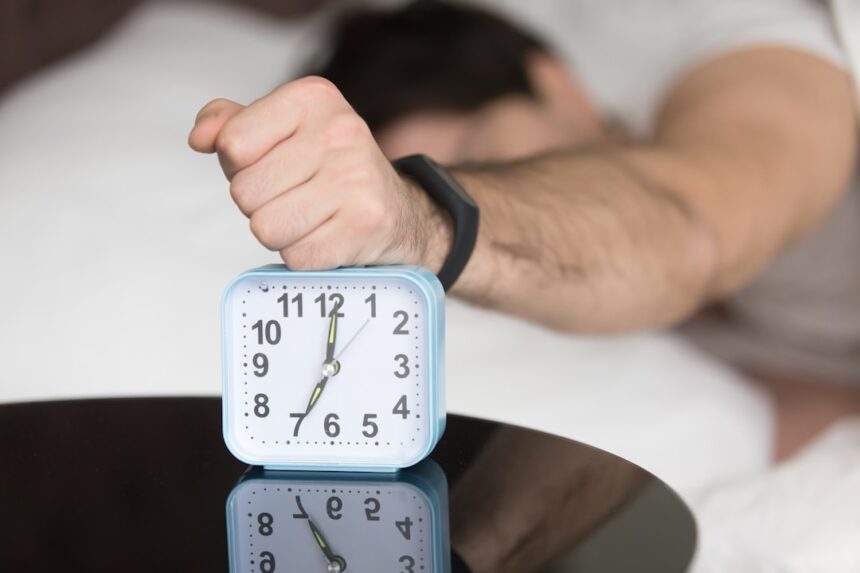
You’re lying in bed. The clock on your nightstand glows a mocking 2:17 AM. Your eyes are wide open, staring at the ceiling’s familiar cracks. You know you need to sleep. You have that early meeting, your to-do list is already overflowing, and your body is practically screaming for rest. Yet, here you are. Scrolling through social media. Rewatching that YouTube rabbit hole. Reading an article about… well, about sleep procrastination, ironically. You’re caught in the grips of it again: sleep procrastination. It’s a phenomenon many of you are intimately familiar with, a frustrating paradox where you actively delay sleep, even though you know it’s detrimental. This isn’t about being genuinely unable to sleep; it’s about choosing not to. It’s about recognizing the need for rest and then, in a weird act of rebellion or self-sabotage, pushing it further away.
This article is for you, the one who’s staring at the ceiling, the one who feels that nagging guilt as the hours tick by. We’re going to delve into the fascinating and often confusing world of sleep procrastination. We’ll explore why you do it, the various forms it takes, and, most importantly, how you can start to reclaim your sleep.
Before you can tackle a problem, you need to understand it. Sleep procrastination, often referred to as “bedtime procrastination” or “revenge bedtime procrastination” (though we’ll explore that nuance later), isn’t a medical insomnia. It’s a behavior. It’s the deliberate act of postponing sleep without any external mandatory obligations preventing you from sleeping. You have the time, you have the opportunity, but you choose not to.
Is It Just Being a Night Owl?
It’s crucial to differentiate. Being naturally inclined to sleep and wake later, a “night owl,” is a circadian rhythm preference. Sleep procrastination, on the other hand, is about actively delaying sleep when you could be sleeping. Think of it this way: a night owl might be most productive at 11 PM and go to bed at 1 AM. A sleep procrastinator might want to go to bed at 10 PM to be productive the next day, but then finds themselves on their phone until 2 AM, regretting it. The intention is there, but the action is delayed.
The “Revenge” Aspect: Taking Back Your Time
You might have heard the term “revenge bedtime procrastination.” This specific flavor of procrastination often stems from a feeling of lacking control over your waking hours.
The High-Pressure Life
Your days are packed. You’re juggling work, family responsibilities, social obligations, and maybe even attempts at self-improvement. By the time you finally get a moment to yourself, it’s late, and you feel like you haven’t had any genuine downtime.
A Sense of Autonomy
In this scenario, delaying sleep becomes a way to reclaim a sliver of autonomy. Even if it’s just for an hour or two, those late-night hours are yours. You get to decide what you do, without anyone else’s demands on your time. It’s a quiet rebellion against the constant demands of modern life.
What Sleep Procrastination Isn’t
- Insomnia: As mentioned, insomnia is a sleep disorder characterized by difficulty falling asleep, staying asleep, or experiencing non-restorative sleep. Sleep procrastination is a behavioral choice, not a physiological inability to sleep.
- Simply staying up late for a specific reason: This isn’t about pulling an all-nighter for a deadline or enjoying a rare social event. It’s the habitual, often irrational, delay of sleep.
Understanding these distinctions is the first step. You’re not “bad” at sleeping; you’re engaging in a specific, often unconscious, behavior.
Sleep procrastination, a common issue where individuals delay going to bed despite feeling tired, can significantly impact overall well-being. For a deeper understanding of this phenomenon and its psychological underpinnings, you can explore a related article that delves into the reasons behind sleep procrastination and offers practical tips for overcoming it. To read more, visit this article on Unplugged Psychology.
The Underlying Drivers: Why Do You Do This to Yourself?
This is where it gets interesting, and perhaps a little uncomfortable. Why, when your body and mind are signaling exhaustion, do you actively resist sleep? The reasons are often complex and multifaceted, touching on psychological needs, societal pressures, and even technological influences.
The Need for Control and Autonomy
As we touched upon with “revenge bedtime procrastination,” this is a significant driver. In a world where your time feels dictated by others, those late-night hours become your sanctuary.
Breaking Free from the Day’s Demands
Think about your typical day. You wake up to an alarm, rush through breakfast, attend meetings, respond to emails, manage household tasks, and then potentially engage in social activities or caregiving. There’s very little room for “just you.”
The Illusion of Free Time
The late hours of the night, when the world is quiet and everyone else is asleep, offer the illusion of unfettered freedom. You can read, watch, play, or simply exist without the pressure of external expectations. This perceived control can feel incredibly liberating, even if it comes at the cost of sleep.
Stress and Anxiety Management (or Mismanagement)
For some, delaying sleep is a coping mechanism for stress and anxiety. The quiet of the night can ironically make you more anxious about things – a problem you’ve been avoiding, a worry that festers.
Avoiding the Next Day’s Worries
If tomorrow holds something you’re dreading, delaying sleep can feel like postponing the inevitable. You’re consciously (or unconsciously) avoiding facing the challenges that await you.
The “Worry Time” Phenomenon
Sometimes, the quiet of the night amplifies worries. Instead of letting your mind race uncontrollably, you might engage in a distracting activity, creating a buffer against your anxious thoughts. This is a maladaptive coping strategy, as it prevents you from addressing the underlying issues.
The Allure of Entertainment and Information
This is arguably the most significant modern contributor to sleep procrastination, thanks to the ubiquitous nature of our digital devices.
The Infinite Scroll
Social media platforms, streaming services, and online gaming are designed to be engaging and addictive. The “just one more episode” or “just one more scroll” mentality is a powerful force.
Fear of Missing Out (FOMO)
In the digital age, FOMO is a potent driver. You worry that if you disconnect, you’ll miss an important update, a trending topic, or a crucial social interaction. This constant vigilance can keep your mind buzzing and your body awake.
The Dopamine Hit
Engaging with digital content often provides a quick dopamine hit, a reward that your brain craves. This can create a cycle where you seek out these pleasurable stimuli, even at the expense of sleep.
Boredom and Lack of Stimulation
Paradoxically, for some, sleep procrastination stems from a lack of engaging activities during their waking hours. If your days feel monotonous or unfulfilling, the “excitement” of late-night activities can become more appealing.
Filling the Void
Some individuals may feel a general sense of emptiness or a lack of purpose. The late hours can become a time to fill that void, experimenting with hobbies or simply seeking novelty.
Mental Fatigue and Difficulty Transitioning
Sometimes, you might be mentally exhausted from your day, but your mind struggles to switch off.
Racing Thoughts
Even if you’re tired, your brain might still be active, replaying conversations, planning future tasks, or dwelling on past events. This mental busyness makes it hard to initiate the shift to sleep.
Difficulty Winding Down
The transition from being “on” all day to being “off” for sleep requires a conscious effort to wind down. If you haven’t built in a proper pre-sleep routine, your mind and body might resist the transition.
Exploring these drivers is crucial. Only by understanding why you’re delaying sleep can you begin to address the root causes and implement effective strategies.
The Multifaceted Manifestations of Sleep Procrastination: How Does It Look For You?
Sleep procrastination isn’t a monolithic behavior. It can manifest in a variety of ways, depending on your personality, your daily life, and your specific desires. Recognizing your own patterns is key to breaking them.
The “Just One More Thing” Syndrome
This is perhaps the most common and straightforward form. It’s the endless loop of telling yourself you’ll go to bed after you finish one more task.
The Endless To-Do List
Your mental to-do list might feel like it has no end. You might convince yourself that finishing a particular item (even if it’s not urgent) will somehow make tomorrow easier, making it a “productive” use of your time.
The “Shoulds” and “Oughts”
You might feel an obligation to be productive, even in your downtime. This can manifest as nagging yourself to finish that book, learn a new skill, or even tidy up the house, all while knowing you should be sleeping.
The “I’ll Do It Tomorrow” Self-Deception
This is the insidious whisper that allows you to push sleep further and further. You promise yourself you’ll “catch up” on sleep, even though you know that’s rarely how it plays out.
The Digital Distraction Deep Dive
This is where technology plays a starring role, often luring you into a trance of endless scrolling and clicking.
The Social Media Black Hole
You open Instagram or TikTok “just to check,” and suddenly an hour has vanished. You’re lost in a sea of curated lives, viral trends, and endless short-form videos.
The Streaming Binge
That compelling series or movie is just too good to turn off. You tell yourself you’ll stop after the cliffhanger, but then another episode beckons, and another, until dawn approaches.
The Gaming Graveyard
Long gaming sessions can easily eat away at precious sleep hours. The adrenaline, the challenge, and the social interaction of multiplayer games can be highly engaging.
The “Me Time” Reclaimers (Revenge Procrastination)
As discussed earlier, this is about seizing personal time when the demands of the day have subsided.
The Quiet Hours for Hobbies
You might finally have the uninterrupted time to pursue a hobby you love, whether it’s painting, playing an instrument, or writing. The joy and fulfillment from these activities can outweigh the desire for sleep.
The Solitary Escape
For introverts, the quiet of the night can be a welcome refuge from the social demands of the day. Engaging in solitary activities like reading or journaling can feel like a necessary recharge.
The Pursuit of Knowledge (or Entertainment)
This can include delving into documentaries, educational videos, or even complex articles online, all in the name of self-improvement or intellectual curiosity.
The Unwinding and Stalling Tactic
Some individuals use bedtime procrastination as a way to delay the inevitable transition to sleep, especially if they’re dreading the next day.
The Pre-Sleep Routine as a Delay Tactic
You might find yourself meticulously performing your bedtime routine – brushing teeth, washing your face, preparing your clothes for the next day – but then prolonging each step unnecessarily, or adding extra steps to delay actually getting into bed.
The “Just One More Drink of Water” or “Need to Use the Bathroom Again” Rituals
These are small, seemingly innocent delays that can add up, keeping you out of bed for longer than intended.
The Mental Rehearsal of the Next Day
Instead of winding down, you might be mentally running through your schedule, replaying conversations, or planning your responses to potential challenges, keeping your mind too active for sleep.
Identifying your specific procrastination patterns is a crucial step towards addressing them. Are you a digital escape artist? A relentless task-completer? Or someone seeking solace in the quiet hours? Your answer will guide your strategy.
The Domino Effect: The Consequences of Chronic Sleep Procrastination

You know it’s not good for you. You feel it the next day – the grogginess, the irritability, the brain fog. But the long-term consequences of consistently prioritizing other activities over sleep can be far more significant than you might realize. It’s a slow erosion of your physical and mental well-being.
The Immediate Repercussions: Dragging Yourself Through the Day
These are the most obvious and frequently experienced effects.
Impaired Cognitive Function
Your ability to focus, concentrate, and make decisions is severely hampered. You might find yourself making silly mistakes, forgetting important details, or struggling with complex tasks.
Reduced Productivity and Performance
When your brain isn’t functioning at its best, your work or academic performance will suffer. Deadlines might be missed, mistakes will be made, and your overall efficiency plummets.
Mood Swings and Irritability
Lack of sleep often leads to a shorter fuse. You might find yourself snapping at loved ones, feeling easily frustrated, or experiencing heightened emotions like anxiety and sadness.
Decreased Creativity and Problem-Solving Skills
When you’re sleep-deprived, your brain’s ability to think outside the box and come up with innovative solutions is significantly diminished.
Increased Risk of Accidents
Fatigue impairs your reaction time and judgment, making you more susceptible to accidents, whether it’s while driving, operating machinery, or even just walking.
The Escalating Physical Health Concerns
Chronic sleep deprivation isn’t just about feeling tired; it can have profound and lasting effects on your physical health.
Weakened Immune System
Your body’s ability to fight off infections is compromised when you don’t get enough sleep. You become more prone to catching colds, the flu, and other illnesses.
Weight Gain and Metabolic Issues
Sleep plays a crucial role in regulating hormones that control appetite and metabolism. Lack of sleep can disrupt these hormones, leading to increased cravings for unhealthy foods, weight gain, and an elevated risk of type 2 diabetes.
Cardiovascular Problems
Consistent sleep deprivation is linked to an increased risk of high blood pressure, heart disease, and stroke. Your cardiovascular system is put under increased strain when it doesn’t get adequate rest.
Increased Inflammation
Chronic sleep loss can contribute to systemic inflammation in the body, which is a known risk factor for a wide range of diseases, including cancer and autoimmune disorders.
The Deepening Mental and Emotional Toll
The impact on your mental well-being is just as significant, if not more so.
Exacerbation of Mental Health Conditions
If you struggle with anxiety, depression, or other mental health issues, lack of sleep can significantly worsen your symptoms. It can make it harder to manage stress and regulate your emotions.
Increased Strain on Relationships
Irritability, moodiness, and a general low mood can put a strain on your relationships with friends, family, and romantic partners. You might find yourself withdrawing or being less present.
Reduced Quality of Life
When you’re constantly tired, stressed, and unwell, your overall quality of life diminishes. You’re less likely to engage in activities you enjoy, feel motivated, or experience happiness.
A Vicious Cycle of Procrastination
The more you procrastinate on sleep, the more you suffer the consequences. This can lead to a feeling of being overwhelmed and further fuel your desire to escape through late-night activities, perpetuating the cycle.
Recognizing these consequences can be a powerful motivator. It’s not just about feeling a bit sluggish tomorrow; it’s about the cumulative, long-term damage you’re doing to your health and happiness.
Sleep procrastination is a common issue that many people face, often leading to negative effects on both mental and physical health. If you’re looking to understand this phenomenon better, you might find a related article on the topic quite enlightening. It delves into the reasons behind why individuals delay sleep and offers practical tips for overcoming this habit. To explore more about this intriguing subject, you can read the full article here.
Reclaiming Your Nights: Strategies to Break Free from Sleep Procrastination
| Factors | Explanation |
|---|---|
| Bedtime Procrastination | The act of delaying going to bed, often due to engaging in non-essential activities. |
| Self-Control | The ability to resist the temptation of delaying bedtime and prioritize sleep. |
| Consequences | Impact on overall sleep quality, daytime functioning, and mental well-being. |
| Strategies | Implementing bedtime routines, setting specific sleep schedules, and creating a sleep-conducive environment. |
The good news is that sleep procrastination is a behavior, and behaviors can be changed. While it takes conscious effort and persistence, you can learn to prioritize your sleep and break free from this frustrating cycle. Here are practical strategies you can implement starting tonight.
Cultivating a Strong Pre-Sleep Routine
This is your anchor, the signal to your brain and body that it’s time to wind down. Consistency is key.
Establish a Consistent Bedtime and Wake-Up Time
This is the foundation of good sleep hygiene. Even on weekends, try to stick as close as possible to your weekday schedule. This helps regulate your body’s natural sleep-wake cycle (circadian rhythm).
Create a Relaxing Wind-Down Period (at Least an Hour Before Bed)
This is crucial. Your pre-sleep routine should be a buffer against the demands of your day.
Dim the Lights
Bright lights, especially blue light emitted from screens, can interfere with melatonin production, the hormone that signals sleep. Opt for dim, warm lighting in the evenings.
Avoid Stimulating Activities
This means no intense workouts, no stressful conversations, and absolutely no engaging with work emails or highly stimulating content.
Engage in Calming Activities
- Reading a physical book: Choose something light and enjoyable, not a complex academic text or a thriller that will keep you on edge.
- Taking a warm bath or shower: The drop in body temperature after a warm bath can promote sleepiness.
- Listening to calming music or a podcast: Opt for soothing melodies or gentle storytelling.
- Gentle stretching or yoga: Focus on relaxation poses, not vigorous exercise.
- Meditation or deep breathing exercises: These can help quiet a racing mind.
- Journaling: Write down your thoughts, worries, or gratitudes to clear your head.
Make Your Bedroom a Sleep Sanctuary
Your bedroom should be associated with sleep and intimacy, not work or stress.
Keep it Dark, Quiet, and Cool
Invest in blackout curtains, earplugs, or a white noise machine if needed. Aim for a temperature between 60-67°F (15-19°C).
Remove Electronics
Ideally, your bedroom should be a screen-free zone. If you must have your phone, keep it out of reach and turn off notifications.
Addressing the Psychological Roots of Procrastination
Once you’ve established a routine, you need to start tackling the “why” behind your procrastination.
Acknowledge and Validate Your Feelings
If you’re using sleep procrastination to reclaim downtime, acknowledge that your need for personal time is valid. The goal isn’t to eliminate this need, but to find healthier ways to meet it.
Practice Mindful Awareness
When you find yourself reaching for your phone or delaying sleep, pause and ask yourself: “What am I feeling right now? What is this urge trying to tell me?” This mindful pause can interrupt the automatic behavior.
Challenge Your “Productivity” Beliefs
If you feel you must be productive even at the expense of sleep, question this belief. True productivity comes from a well-rested mind. Is that extra hour you’re spending scrolling really contributing to your long-term goals?
Develop Alternative Ways to Get “Me Time”
Can you carve out small pockets of enjoyable activities during your lunch break, or dedicate a specific hour on the weekend to your hobbies, rather than sacrificing sleep?
Consider Professional Help
If stress, anxiety, or depression are significant drivers of your sleep procrastination, consider speaking with a therapist or counselor. They can help you develop healthier coping mechanisms and address underlying mental health concerns. Cognitive Behavioral Therapy for Insomnia (CBT-I) can also be highly effective for sleep-related issues, even if you’re not experiencing true insomnia.
Taming the Digital Monster
This is often the biggest battleground.
Implement Tech-Free Zones and Times
Designate specific times and areas of your home where electronics are not allowed. Your bedroom is a prime candidate for this.
Use Screen Time Limits and Apps
Most smartphones have built-in features that allow you to set daily time limits for specific apps. There are also third-party apps designed to help you manage your screen time.
Unfollow or Mute Triggering Accounts
If certain social media accounts consistently lead you down rabbit holes or make you feel inadequate, unfollow or mute them.
Schedule “Digital Detox” Periods
Intentionally disconnect from all digital devices for a set period each day or week. This can help reset your relationship with technology.
Replace Digital Habits with Analog Ones
Instead of scrolling through social media before bed, try knitting, building a puzzle, or engaging in another tactile activity.
Shifting Your Mindset and Setting Realistic Goals
Change doesn’t happen overnight. Be patient and compassionate with yourself.
Start Small
Don’t try to overhaul your entire sleep schedule in one go. Aim to go to bed 15-30 minutes earlier than usual. Celebrate these small victories.
Practice Self-Compassion
If you slip up, don’t beat yourself up. Acknowledge it, learn from it, and recommit to your goals. Self-criticism can be counterproductive and lead to further procrastination.
Visualize Success
Imagine yourself waking up feeling refreshed and energized. This positive visualization can be a powerful motivator.
Track Your Progress
Keep a sleep diary to note your bedtime, wake-up time, how you felt upon waking, and any instances of sleep procrastination. This can help you identify patterns and see how far you’ve come.
Breaking free from sleep procrastination is a journey, not a destination. It requires self-awareness, patience, and a commitment to prioritizing your well-being. By understanding the drivers behind your behavior and implementing practical strategies, you can gradually reclaim your nights and wake up to more energized, fulfilling days. Remember, sleep isn’t a luxury; it’s a fundamental necessity for a healthy and happy life.

Why You Stay Up Late Even When You’re Exhausted
FAQs
What is sleep procrastination?
Sleep procrastination refers to the act of delaying going to bed, even though one is aware of the negative consequences of not getting enough sleep. This behavior often involves engaging in non-essential activities, such as watching TV or scrolling through social media, instead of going to bed at a reasonable time.
What are the causes of sleep procrastination?
There are several potential causes of sleep procrastination, including poor time management, excessive screen time, stress, anxiety, and a lack of awareness about the importance of sleep for overall health and well-being. Additionally, underlying sleep disorders or medical conditions can also contribute to sleep procrastination.
What are the consequences of sleep procrastination?
Sleep procrastination can lead to a variety of negative consequences, including fatigue, decreased cognitive function, impaired decision-making, mood disturbances, and an increased risk of developing chronic health conditions such as obesity, diabetes, and cardiovascular disease. It can also impact productivity and overall quality of life.
How can sleep procrastination be addressed?
Addressing sleep procrastination involves implementing healthy sleep habits and making changes to one’s daily routine. This may include setting a consistent bedtime, creating a relaxing bedtime routine, limiting screen time before bed, managing stress and anxiety, and seeking treatment for any underlying sleep disorders or medical conditions.
What are some tips for overcoming sleep procrastination?
Some tips for overcoming sleep procrastination include prioritizing sleep, creating a comfortable sleep environment, avoiding stimulants like caffeine and nicotine close to bedtime, exercising regularly, and seeking support from a healthcare professional if sleep procrastination is significantly impacting one’s daily life.