You’ve likely experienced it. That nagging feeling that something isn’t quite right. Perhaps it’s a mistake you made at work, a disagreement with a loved one, or a general sense of dissatisfaction with your life choices. Your mind immediately goes into overdrive. You replay the events, dissect every word, and dissect every potential outcome. You’re stuck in a loop, and it’s exhausting. This, my friend, is the insidious grip of rumination.
But what if there was another way? What if you could learn to process these difficult experiences in a way that leads to growth and understanding, rather than despair? This is where the power of reflection comes in. While rumination keeps you tethered to the past, trapped in a cycle of negative thoughts, reflection offers a pathway to the future, a tool for learning and evolution. Understanding the fundamental differences between these two mental processes is not just an academic exercise; it’s a crucial step towards reclaiming your mental well-being and fostering a more productive and fulfilling life.
You might think you’re being productive by constantly thinking about a problem, dissecting it from every angle. You might even feel like you’re doing something by replaying the scenario over and over. But in reality, you’re often just spinning your wheels, going nowhere. Rumination is like being stuck in quicksand; the more you struggle, the deeper you sink. Reflection, on the other hand, is like climbing a ladder; it requires deliberate effort, but it moves you upwards towards a clearer perspective.
This article is your guide to understanding this vital distinction. We’ll explore the nature of both reflection and rumination, delve into their detrimental effects, and most importantly, equip you with the strategies to harness the power of reflection and escape the debilitating cycle of rumination. Get ready to embark on a journey of self-discovery and empowerment, where you learn to transform your internal dialogue from a destructive force into a constructive one.
You’re caught in a cycle. A difficult event occurs, and your mind latches onto it. It’s not just a passing thought; it’s a persistent, intrusive replay of what happened, coupled with a barrage of negative emotions. You’re not actively trying to solve anything; you’re just stuck. This is the essence of rumination. It’s a passive, repetitive dwelling on negative thoughts, feelings, and past events, without any real movement towards resolution or understanding.
The Incessant Replay Button
Imagine a scratched record, endlessly repeating the same jarring note. That’s often what rumination feels like. You’re replaying a conversation, a mistake, or a perceived slight again and again. Each replay is imbued with the original negative emotions – the shame, the anger, the anxiety, the regret. You’re not just remembering; you’re re-experiencing the unpleasantness. This constant repetition prevents your mind from moving on, from processing the event in a way that allows for closure. You become a prisoner of your own thoughts, confined within the walls of your mind, reliving the same painful moments ad nauseam.
The Focus on the “Why” Without the “How”
A key characteristic of rumination is its relentless focus on the “why.” Why did this happen? Why did I say that? Why did they do that? You’re seeking answers, but you’re stuck in a loop of questioning without any genuine exploration of solutions or understanding. You’re not asking, “What can I learn from this?” or “How can I prevent this in the future?” Instead, you’re trapped in a cycle of self-blame and external blame, endlessly dissecting the causes without any progress in addressing the consequences or finding a way forward. This obsessive search for causes becomes a form of self-punishment, reinforcing the negative emotions associated with the event.
The Emotional Weight: A Heavy Burden
Rumination is rarely a neutral mental process. It’s always accompanied by a heavy emotional burden. You’re not just thinking about the event; you’re feeling the sting of it all over again. This emotional amplification is what makes rumination so damaging. The anxiety intensifies, the sadness deepens, and the anger festers. This emotional turmoil drains your energy, clouds your judgment, and can even lead to physical symptoms like headaches, digestive issues, and sleep disturbances. You’re carrying the weight of your past, and it’s crushing you.
In exploring the nuances between reflection and rumination, it’s essential to understand how these two processes impact our mental well-being. While reflection can lead to personal growth and insight, rumination often results in negative thought patterns and emotional distress. For a deeper dive into this topic, you can read a related article that discusses the differences and implications of these cognitive processes at Unplugged Psych.
The Power of Reflection: A Gateway to Growth
In stark contrast to the suffocating grip of rumination, reflection is an active, purposeful process. It’s about consciously engaging with your experiences, not to dwell on them, but to understand them, learn from them, and integrate them into your life in a way that fosters growth. Reflection is about looking back with the intention of moving forward, armed with newfound insight.
The Objective Lens: Stepping Back to See Clearly
Reflection involves a conscious effort to step back from the immediate emotional intensity of an event. You’re not trying to erase the emotions, but rather to observe them from a more detached perspective. Imagine watching a movie of your experience, rather than being an actor in it. This objective lens allows you to see the situation more clearly, to identify the various factors at play, and to understand your own role and the roles of others without getting swept away by the initial emotional currents. It’s about gaining a broader perspective, seeing the forest for the trees.
The “What” and “How” of Learning
Unlike rumination’s fixation on the “why,” reflection zeroes in on the “what” and “how.” What happened? What were the contributing factors? What were my actions and their consequences? Crucially, reflection then moves to the “how”: How did I feel? How did others react? How can I approach similar situations differently in the future? This forward-looking aspect is what makes reflection a powerful tool for personal development. It’s about extracting lessons, identifying patterns, and formulating strategies for future success.
The Constructive Outcome: Building a Better Future
The outcome of reflection is inherently constructive. Instead of leaving you feeling drained and defeated, reflection leaves you feeling empowered and enlightened. You may still feel the echoes of the original emotions, but they are now tempered by understanding and a sense of agency. Reflection allows you to integrate your experiences, both positive and negative, into your understanding of yourself and the world. It’s about transforming challenges into opportunities for growth, building resilience, and fostering a more adaptive and fulfilling way of being.
Why You Get Stuck: The Pitfalls of Rumination

You might be wondering why, if rumination is so unhelpful, you find yourself falling into its trap so easily. There are several underlying reasons that contribute to this often unconscious pattern. Understanding these pitfalls is the first step in disarming them.
The Illusion of Control: A False Sense of Agency
One of the most common reasons you might ruminate is the illusion of control it offers. When faced with uncertainty or a situation you feel powerless to change, replaying the event can feel like you’re doing something. You might believe that by analyzing every detail, you can somehow gain control over the outcome, or at least prevent it from happening again. However, this is a false sense of agency. You are not gaining control; you are merely spinning your wheels, expending energy without any tangible impact on the reality of the situation. This belief that more thinking equals more control is a powerful trap.
The Unresolved Emotional Residue: Lingering Wounds
Often, rumination is a symptom of unresolved emotional residue. When you experience a significant emotional event, and the emotions aren’t fully processed or expressed, they can linger beneath the surface. Rumination becomes a subconscious attempt to work through these lingering feelings, even if it’s an ineffective way of doing so. It’s like having an unhealed wound that keeps getting reopened. Until you address the underlying emotional pain, your mind may continue to revisit the event in an attempt to find closure that it never truly achieves through rumination.
The Habitual Thought Patterns: The Path of Least Resistance
For many, rumination becomes a deeply ingrained habit. You’ve fallen into this pattern so many times that it’s become your default response to distress. Your brain, seeking efficiency, takes the well-worn path of least resistance. When something triggers a negative emotion, your mind automatically defaults to rumination because it’s familiar territory. Breaking free from a habit, even a destructive one, requires conscious effort and the development of new, more constructive neural pathways.
The Fear of Forgetting or Repeating: The Double-Edged Sword
Sometimes, rumination is driven by a fear of forgetting a valuable lesson or a fear of repeating a past mistake. You might worry that if you stop thinking about it, you’ll somehow lose the wisdom gained. Or, you might be terrified of making the same error again. While these intentions are often good, the method of achieving them through rumination is counterproductive. In your attempt to learn, you end up paralyzing yourself with anxiety and preventing yourself from moving forward with confidence.
The Detrimental Impact: How Rumination Harms You

You might feel like you’re just “thinking things through,” but the persistent cycle of rumination has significant and often devastating consequences for your mental, emotional, and even physical well-being. Understanding these negative impacts can be a powerful motivator to shift your focus.
The Toll on Your Mental Health: Anxiety, Depression, and Beyond
The most significant impact of rumination is on your mental health. It is a well-established precursor and maintainer of anxiety and depression. When you constantly dwell on negative thoughts and emotions, you create a breeding ground for these conditions. Your anxiety levels become elevated as you anticipate future negative events or rehash past ones. Your mood plummets as you become consumed by feelings of hopelessness and worthlessness. Rumination can also exacerbate existing mental health challenges and make it harder to recover.
The Erosion of Your Emotional Well-being: Stress and Emotional Exhaustion
Beyond diagnosable mental health conditions, rumination steadily erodes your overall emotional well-being. The constant mental chatter and emotional rehashing create a state of chronic stress. This chronic stress can lead to emotional exhaustion, leaving you feeling drained, irritable, and lacking the emotional resources to cope with daily life. You may find yourself easily overwhelmed, struggling to regulate your emotions, and experiencing a general sense of unhappiness and discontent.
The Impairment of Your Cognitive Function: Difficulty Concentrating and Decision-Making
Your brain is not designed to be stuck in a perpetual loop of negative thoughts. Rumination significantly impairs your cognitive function. You’ll find it increasingly difficult to concentrate on tasks, to focus your attention, and to engage in productive problem-solving. Your decision-making abilities can also be compromised, as you may become paralyzed by overthinking or make choices based on fear and anxiety rather than clear reasoning. It’s like trying to navigate a complex maze while constantly bumping into invisible walls.
The Strain on Your Physical Health: A Mind-Body Connection
The mind-body connection is undeniable. When your mind is in a constant state of stress due to rumination, your body feels the effects. You might experience increased headaches, muscle tension, digestive problems, sleep disturbances (insomnia or disrupted sleep), and a weakened immune system. Chronic rumination can contribute to the development or worsening of various physical ailments, creating a vicious cycle where physical discomfort further fuels mental distress.
Understanding the difference between reflection and rumination can significantly impact mental well-being. While reflection involves a constructive process of thinking about experiences to gain insights and learn from them, rumination tends to focus on negative thoughts and can lead to increased anxiety and depression. For a deeper exploration of these concepts, you can read a related article that delves into the nuances of these thought processes and their effects on mental health. Check it out here to learn more about how to cultivate healthy reflection while avoiding the pitfalls of rumination.
Cultivating Reflection: Strategies for a Healthier Mind
| Aspect | Reflection | Rumination |
|---|---|---|
| Definition | It involves thinking about an experience or an event in order to gain insight and learn from it. | It involves repetitively focusing on the causes and consequences of one’s negative emotions. |
| Outcome | Leads to personal growth and self-improvement. | Can lead to increased stress, anxiety, and depression. |
| Focus | Focuses on understanding and learning from experiences. | Focuses on dwelling on negative emotions and thoughts. |
| Time Frame | Usually done in a structured and intentional manner. | Often occurs involuntarily and without a specific purpose. |
The good news is that you are not destined to be a prisoner of rumination. You have the power to cultivate the practice of reflection, to shift your mental habits, and to foster a more positive and productive internal dialogue. This requires conscious effort and the implementation of specific strategies.
The Power of Mindfulness: Anchoring Yourself in the Present
Mindfulness is your most potent weapon against rumination. It’s the practice of bringing your awareness to the present moment, without judgment. When you find yourself drifting into a rumination loop, mindfulness gently guides you back to what is happening now.
Daily Meditation Practice:
Even a few minutes of daily meditation can make a profound difference. Focus on your breath, the sensations in your body, or the sounds around you. When your mind wanders to ruminative thoughts, gently acknowledge them without engaging and guide your attention back to your anchor. Over time, this practice strengthens your ability to disengage from unhelpful thought patterns.
Mindful Awareness in Daily Activities:
You don’t need to be sitting in a formal meditation to be mindful. Practice mindfulness while you’re washing dishes, walking to work, or talking to a friend. Pay attention to the sensory details of your experience. This constant grounding in the present makes it harder for ruminative thoughts to take hold and distract you.
The Art of Journaling: Externalizing Your Thoughts
Journaling provides a tangible way to process your thoughts and feelings, moving them from the often chaotic landscape of your mind to the organized space of paper.
Thought Dumping:
When you notice yourself ruminating, grab a notebook and just write. Don’t censor yourself; just let the thoughts flow. This “thought dump” can help you identify the core issues driving your rumination and can be incredibly cathartic.
Structured Reflection Prompts:
Once you’ve externalized your thoughts, use structured prompts to guide your reflection. Ask yourself:
- What actually happened?
- What were my thoughts and feelings at the time?
- What was my role in the situation?
- What did I learn from this experience?
- What can I do differently next time?
- What positive aspects can I identify, even in a difficult situation?
Cognitive Reappraisal: Shifting Your Perspective
Cognitive reappraisal involves actively changing the way you think about a situation. It’s about challenging the negative interpretations and reframing them in a more balanced and constructive light.
Identifying Distorted Thinking:
Learn to recognize common cognitive distortions, such as all-or-nothing thinking, catastrophizing, and personalization. When you identify these, you can begin to challenge their validity.
Challenging Negative Assumptions:
Ask yourself: Is this thought actually true? What evidence do I have to support it? What evidence contradicts it? What is a more balanced or realistic way of looking at this? This process of questioning your assumptions can dismantle the power of negative thought patterns.
Setting Boundaries: Protecting Your Mental Space
Just as you set boundaries in your external relationships, it’s crucial to set boundaries with your own thoughts.
Time Limits for “Worry Time”:
If you find yourself prone to worrying, allocate a specific, limited amount of time each day (e.g., 15-20 minutes) for worrying. During this time, allow yourself to think about your concerns. When the time is up, consciously redirect your attention to other activities.
Mindful Disengagement from Triggers:
Identify what triggers your rumination. If certain news articles, social media posts, or conversations tend to send you spiraling, be mindful of your engagement with them. You may need to limit your exposure or develop strategies for processing them in a healthier way.
Seeking Professional Support: When You Need a Guiding Hand
Sometimes, despite your best efforts, you may find it difficult to break free from the cycle of rumination on your own. This is not a sign of weakness; it is a sign of strength to seek support when needed.
Therapy and Counseling:
A therapist can provide you with specialized tools and techniques to address the underlying causes of your rumination and develop more effective coping mechanisms. Cognitive Behavioral Therapy (CBT) and Acceptance and Commitment Therapy (ACT) are particularly effective in addressing these issues.
Support Groups:
Connecting with others who understand your struggles can be incredibly validating and provide a sense of community and shared learning.
By consciously implementing these strategies, you can begin to untangle yourself from the damaging grip of rumination and cultivate the empowering practice of reflection. You have the capacity to transform your internal world, to learn from your experiences, and to build a more resilient and fulfilling future. The journey starts with understanding, and the path forward is illuminated by the light of reflection.
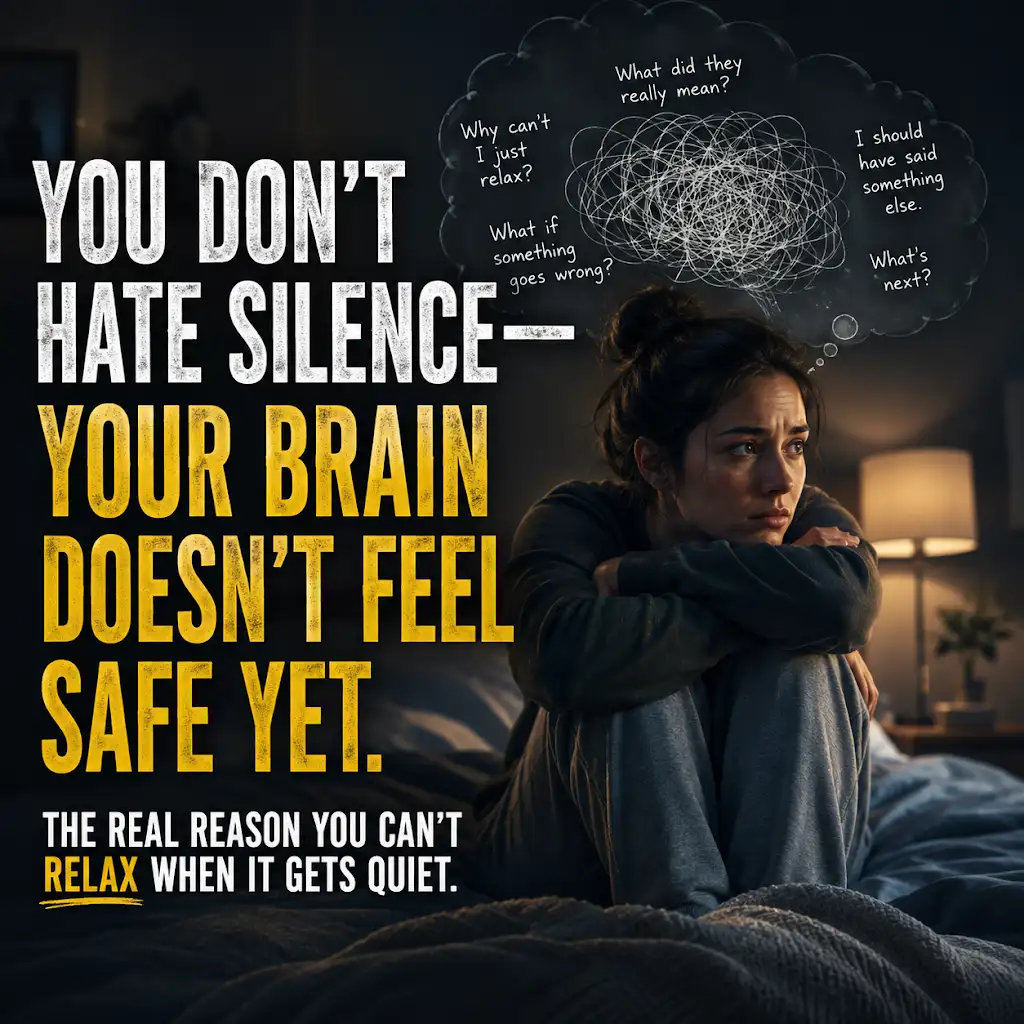
You Don’t Hate Silence—Your Brain Doesn’t Feel Safe Yet
FAQs
What is reflection?
Reflection is the process of thinking about and analyzing experiences, thoughts, and emotions in a constructive and positive way. It involves considering the meaning and implications of events and how they have impacted one’s life.
What is rumination?
Rumination is the process of repetitively thinking about and dwelling on negative experiences, thoughts, and emotions. It often involves overanalyzing past events and their negative implications, leading to a cycle of negative thinking.
How do reflection and rumination differ?
Reflection involves a constructive and positive analysis of experiences, while rumination involves a repetitive and negative dwelling on past events. Reflection focuses on learning and growth, while rumination can lead to increased distress and negative emotions.
What are the effects of reflection?
Reflection can lead to increased self-awareness, personal growth, and a deeper understanding of one’s experiences. It can also lead to improved problem-solving skills and a more positive outlook on life.
What are the effects of rumination?
Rumination can lead to increased stress, anxiety, and depression. It can also hinder problem-solving abilities and lead to a more negative and pessimistic view of life.