The Robbers Cave experiment, a seminal study in social psychology, offers a profound and unsettling glimpse into the intricate mechanisms of group dynamics. Conducted by Muzafer Sherif and his colleagues in the summer of 1954 at Robbers Cave State Park in Oklahoma, this research aimed to unravel the roots of intergroup conflict and cooperation. It wasn’t merely an academic exercise; it was a carefully orchestrated simulation designed to observe how readily groups form, how prejudice and hostility emerge between them, and crucially, how these negative dynamics can be overcome. The experiment’s design and its stark conclusions continue to resonate, providing invaluable insights into human behavior in social contexts, particularly in the formation of in-groups and out-groups, and the potent influence of competition on intergroup relations.
The mid-20th century was a period marked by widespread societal tensions and the looming shadow of global conflict. Social psychologists were keen to understand the underlying psychological and sociological factors that contributed to prejudice, discrimination, and war. Muzafer Sherif, already a prominent figure in social psychology, was particularly interested in the development of intergroup attitudes and behaviors. He theorized that conflict wasn’t an inherent human trait but rather a product of social conditions, specifically competition for scarce resources and the formation of distinct group identities.
The Need for Empirical Evidence
Previous theories on intergroup conflict often relied on anecdotal evidence or broad generalizations. Sherif and his team sought to create a controlled environment where they could observe these processes unfold systematically. They wanted to move beyond simply describing conflict to actively investigating its origins and potential remedies. This led to the conceptualization of an experiment that would involve young boys, carefully selected to minimize pre-existing biases, and placed in a setting ripe for the development of group cohesion and subsequent intergroup friction.
The Robbers Cave Setting: A Naturalistic Laboratory
The choice of Robbers Cave State Park was deliberate. It provided a secluded and naturalistic setting, away from the influences of their familiar home environments. This allowed the researchers to exert a greater degree of control over the boys’ social interactions and experiences. The park’s remoteness also contributed to the sense of isolation and the development of a distinct group identity among the participants. The camp itself was structured to facilitate the formation of the boys into two distinct groups, unaware of each other’s existence initially.
The Robbers Cave flag burning experiment is a fascinating study in social psychology that explores group dynamics and intergroup conflict. For those interested in delving deeper into related topics, you can check out an insightful article on the subject at Unplugged Psychology, which discusses the implications of the experiment and its relevance to understanding prejudice and cooperation among groups.
The Participants and the Initial Phase: Forming the In-Groups
The experiment meticulously selected 22 eleven- and twelve-year-old boys from similar middle-class backgrounds. They were described as physically and psychologically healthy, with no prior history of significant interpersonal problems. This careful selection was crucial to ensure that any observed group behaviors could be attributed to the experimental conditions rather than pre-existing individual differences or biases. The boys were randomly assigned to one of two groups, which they were not aware were part of an experiment.
The Journey to Robbers Cave: A Shared Experience
The boys were brought to the campsite in separate groups, unaware of the other’s presence. This initial separation was key to fostering a sense of unity within each group. They embarked on a shared journey, engaging in activities that encouraged bonding and the development of a collective identity. The researchers observed and documented the emergence of informal leadership, the establishment of group norms, and the creation of a shared sense of belonging within each unit.
Naming and Symbolism: Solidifying Group Identity
A significant part of this initial phase involved the naming of the groups. One group spontaneously chose the name “Rattlers,” and the other “Eagles.” This act of naming was more than just a label; it was a crucial step in solidifying their distinct identities. The boys then began to develop symbols, flags, and rituals associated with their respective groups, further reinforcing their sense of “us” versus “them.” This process of identity formation is a fundamental aspect of group dynamics, laying the groundwork for how individuals perceive themselves and others.
The Emergence of Intergroup Conflict: The Competition Phase
Once the two groups had established strong internal bonds and distinct identities, the researchers introduced a competitive element. This phase was designed to observe how intergroup attitudes and behaviors would shift when the groups were pitted against each other in a series of contests. The intention was to create a situation where one group’s success would invariably mean another group’s failure, a scenario that social psychologists believe is a potent catalyst for conflict.
The Tournament of Games: Fueling Hostility
A structured tournament of games was organized, with prizes awarded to the winning group. These games included activities like tug-of-war, baseball, and treasure hunts. The stakes were raised by offering desirable rewards, such as pocketknives and a special camp trophy, to the victors. The researchers meticulously documented the escalating tensions, the development of negative stereotypes about the opposing group, and the emergence of outright hostility.
From Play to Prejudice: The Creation of “The Other”
What began as friendly competition quickly devolved into antagonism. The Eagles and the Rattlers started to refer to each other with derogatory names, to steal from each other, and to engage in verbal and even physical confrontations. The boys who had previously been strangers now viewed members of the other group with suspicion, animosity, and a sense of moral superiority. This phase vividly illustrated how competition can transform neutral individuals into members of hostile out-groups.
The Researchers’ Role: Observation and Intervention
It is important to note that the researchers played a subtle but crucial role. They acted as observers, carefully documenting the unfolding events, but they also strategically introduced elements to exacerbate or mitigate conflict. While they facilitated the competition, they did not directly incite violence. Their aim was to observe the natural progression of group dynamics under specific conditions.
Towards Reconciliation: The Superordinate Goals Phase
The most significant and hopeful aspect of the Robbers Cave experiment was the subsequent phase, designed to de-escalate the conflict and foster cooperation between the Eagles and the Rattlers. Sherif and his colleagues recognized that simply asking the groups to stop disliking each other would be ineffective. They understood that for genuine reconciliation to occur, the groups needed to have a shared purpose that transcended their animosity and required their joint effort.
The “Breakdown” of the Water System: A Simulated Crisis
To achieve this, the researchers engineered a series of crises that could only be resolved through intergroup cooperation. One such crisis involved a simulated breakdown of the camp’s water supply. The boys were told that the water tank was blocked, and the water was undrinkable. This presented a common problem that affected both groups equally.
The “Stalled” Truck: Forging a Shared Task
In another scenario, a truck carrying food for the camp got stuck on the way to their location. The boys were informed that the truck was their only hope for a decent meal. This required both groups to work together to pull the truck free, providing a tangible and shared goal that demanded collaboration.
The Movie Fund: A Collective Benefit
The researchers also created situations where the boys needed to pool their resources for a common benefit. For instance, they organized a movie to be shown at the camp, but it required a significant amount of money. The boys had to collectively contribute their earnings from chores to afford the movie, fostering a sense of shared ownership and purpose.
The Robbers Cave flag burning experiment is a fascinating study that delves into group dynamics and conflict resolution among adolescents. It highlights how competition can foster hostility, while cooperation can lead to harmony. For those interested in exploring similar themes of social psychology and group behavior, a related article can be found at this link, which discusses various experiments that illustrate the complexities of human interaction and the impact of shared goals on group cohesion.
The Impact and Legacy: Lessons from Robbers Cave
| Metric | Value | Description |
|---|---|---|
| Number of Participants | 22 | Boys aged 11-12 years, divided into two groups |
| Groups | 2 | “Eagles” and “Rattlers” |
| Duration of Experiment | 3 weeks | Time spent at Robbers Cave State Park |
| Phase of Flag Burning | Intergroup Conflict Phase | Flag burning occurred as a symbol of hostility between groups |
| Number of Flag Burning Incidents | Multiple | Acts of aggression including flag burning to provoke the other group |
| Outcome | Increased Intergroup Hostility | Flag burning escalated tensions and rivalry between groups |
| Resolution Method | Superordinate Goals | Cooperation on shared goals reduced hostility |
The Robbers Cave experiment provided powerful empirical support for several key theories in social psychology, most notably Realistic Conflict Theory. The experiment demonstrated that intergroup hostility is not necessarily the result of inherent prejudice but can arise from competition for resources and the formation of distinct group identities. However, it also offered a beacon of hope, showing that these conflicts can be resolved through the implementation of superordinate goals.
Realistic Conflict Theory in Action
The experiment directly supported Muzafer Sherif’s Realistic Conflict Theory, which posits that intergroup conflict arises from actual competition between groups for limited resources or goals. The tournament phase clearly illustrated this, as the desire for victory and the associated prizes created a zero-sum game that fueled animosity.
The Power of Superordinate Goals
Perhaps the most enduring lesson from Robbers Cave is the effectiveness of superordinate goals in reducing intergroup conflict. By creating situations where the Eagles and the Rattlers had to work together to achieve common objectives, the researchers witnessed a significant shift in their attitudes and behaviors. The shared challenges fostered communication, empathy, and a sense of shared humanity, effectively dissolving the “us versus them” mentality.
Implications for the Real World
The findings of the Robbers Cave experiment have far-reaching implications for understanding and addressing conflict in various real-world settings, from schoolyard bullying to international relations. It highlights the importance of creating opportunities for collaboration and shared goals between disparate groups, promoting understanding and reducing prejudice. The experiment serves as a stark reminder of how easily conflict can emerge but also offers a practical roadmap for its resolution. The careful observation of these young boys, navigating the complexities of group formation, competition, and cooperation, continues to inform our understanding of the fundamental drivers of human social behavior.
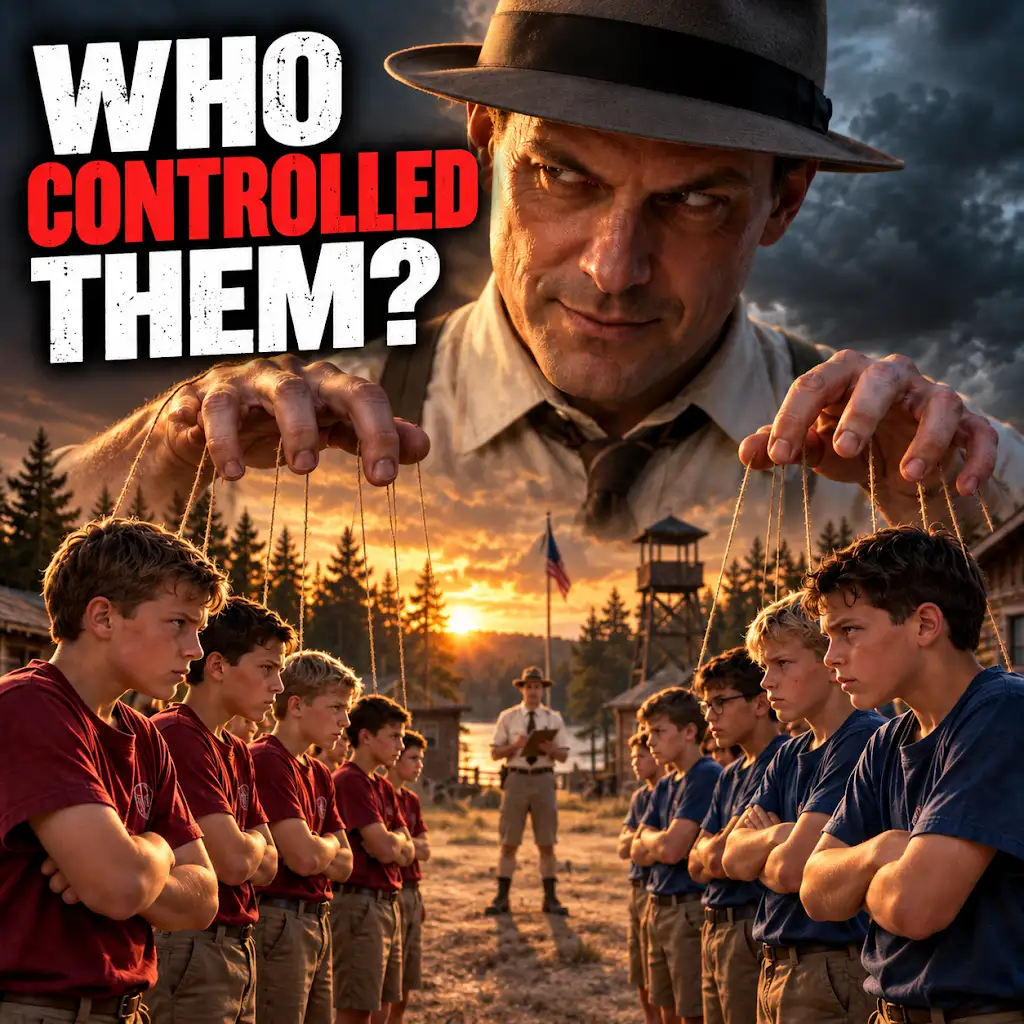
How 22 Boys Were Turned Into Enemies
FAQs
What is the Robbers Cave flag burning experiment?
The Robbers Cave flag burning experiment was a study conducted by social psychologist Muzafer Sherif in 1954 at Robbers Cave State Park in Oklahoma. The experiment aimed to investigate intergroup conflict and cooperation among groups of boys.
How was the Robbers Cave flag burning experiment conducted?
The experiment involved dividing 22 boys into two groups, the Eagles and the Rattlers, who were kept separate and encouraged to bond with their own group. The boys were then brought together to compete in various activities, leading to conflict and hostility between the groups.
What was the significance of the flag burning incident in the Robbers Cave experiment?
The flag burning incident was a pivotal moment in the experiment, where the Rattlers stole and burned the Eagles’ flag, escalating tensions between the two groups. This event demonstrated how easily intergroup conflict can arise and escalate, leading to further aggression and hostility.
What were the findings of the Robbers Cave flag burning experiment?
The experiment showed that intergroup conflict can be created and intensified through competition and perceived threats to group identity. However, it also demonstrated that cooperation and superordinate goals can help reduce conflict and promote harmony between groups.
What ethical considerations were raised by the Robbers Cave flag burning experiment?
The experiment raised ethical concerns regarding the manipulation of children’s emotions and behaviors, as well as the potential long-term effects of creating intergroup conflict. It highlighted the importance of ethical guidelines in conducting research involving human subjects, especially vulnerable populations like children.