
You’re standing on a busy street when it happens. A sudden cry, a stumble, and a person is on the ground, bleeding or clearly in distress. In that split second, a complex interplay of psychological forces determines whether you will step forward to offer aid or remain a bystander. Understanding this “emergency helping behavior,” the psychology behind offering quick aid, is crucial, not just for aspiring first responders, but for every individual navigating the unpredictable landscape of human interaction. It’s about delving into the instinctive drives, learned responses, and cognitive processes that propel you to act when others are in immediate need.
The Bystander Effect: When More People Mean Less Help
One of the most counterintuitive findings in the study of emergency helping behavior is the “bystander effect.” It suggests that the presence of multiple witnesses can actually decrease the likelihood that any one person will intervene in an emergency. This isn’t to say people are inherently uncaring; rather, it points to a subtle yet powerful social dynamic. You might feel less personal responsibility when others are around, assuming someone else will step in. This diffusion of responsibility is a core component of the bystander effect. If there are fifty people watching, your individual obligation to act feels diluted compared to if you were the sole witness.
The Diffusion of Responsibility
Imagine you’re in a crowded plaza and someone collapses. Your immediate thought might be, “Someone else will call 911.” This is the diffusion of responsibility at play. You implicitly or explicitly divide the perceived burden of action among the group. The more people present, the less pressure you feel to be the one to initiate aid, as the responsibility is spread so thinly that it effectively disappears for each individual. This can lead to inaction, even when you possess the desire and capability to help. It’s a psychological phenomenon that requires conscious awareness to overcome. You must actively remind yourself that in an emergency, the absence of immediate action from others does not absolve you of your own potential to make a difference.
Pluralistic Ignorance: Looking to Others for Cues
Another significant factor contributing to the bystander effect is “pluralistic ignorance.” This occurs when you look to the behavior of others to interpret the severity of a situation. If everyone else appears calm or unconcerned, you’re likely to assume the situation isn’t as dire as it might seem, even if your own gut instinct tells you otherwise. This can create a feedback loop of inaction. People hesitate because no one else is acting, and no one else is acting because people are hesitating. You might rationalize your inaction by thinking, “If it were a real emergency, someone else would be reacting.” This social conformity, while often adaptive in non-emergency situations, can be detrimental when immediate help is needed. Your internal assessment of the situation is heavily influenced by the observable reactions of those around you.
Evaluation Apprehension: The Fear of Doing the Wrong Thing
A third facet of the bystander effect is “evaluation apprehension.” This is the fear of being judged or making a mistake in front of others. You might worry about appearing foolish, overreacting, or performing an action incorrectly. This apprehension can paralyze you, preventing you from taking any action at all. You might picture yourself fumbling with a first-aid procedure or saying the wrong thing, and this fear of negative evaluation can be a powerful deterrent. The desire to be perceived as competent and in control can ironically lead to inaction when faced with a situation where competence is uncertain. Overcoming this often involves prioritizing the immediate well-being of the distressed individual over your own social standing.
Emergency helping behavior psychology explores the factors that influence individuals’ willingness to assist others in crisis situations. A related article that delves deeper into this topic can be found at Unplugged Psychology, where the dynamics of altruism, social influence, and situational variables are examined in the context of emergency responses. This resource provides valuable insights into the psychological mechanisms that drive people to act or refrain from acting when faced with emergencies.
The Psychology of Altruism: Why Do We Help?

Beyond the situational factors that can inhibit helping, there are fundamental psychological drivers that motivate altruistic behavior – actions intended to benefit another person without any obvious reward for oneself. These motivations are complex and often operate on both conscious and unconscious levels. Understanding these underlying drives can help you recognize your own predispositions to help and foster a greater willingness to act.
Empathy and Compassion: Feeling With and For Others
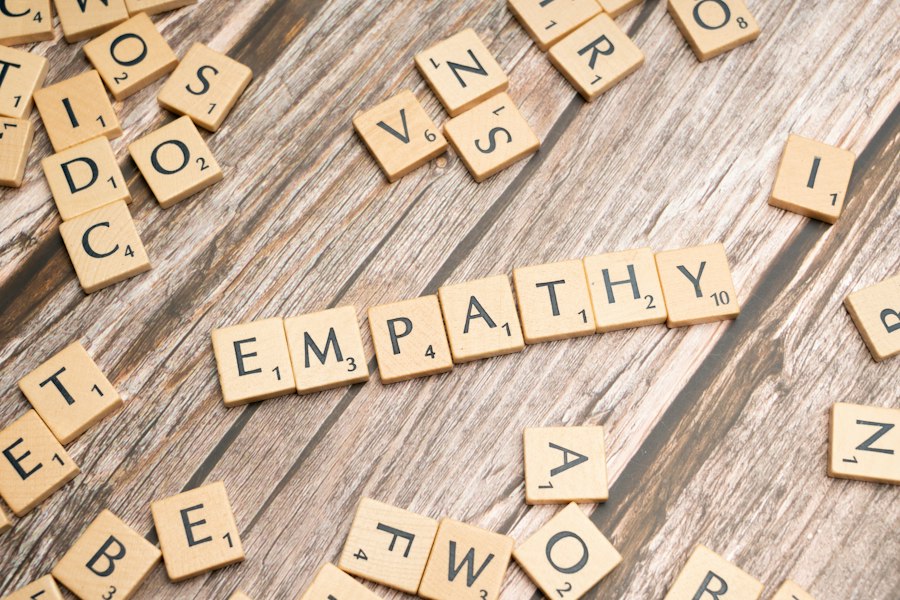
Perhaps the most powerful motivator for helping is empathy – the ability to understand and share the feelings of another. When you witness someone in pain or distress, and you can emotionally connect with their suffering, it creates a strong impetus to alleviate that suffering. This is closely linked to compassion, which is the feeling of concern for others who are suffering and a desire to help. You might see someone fall, and the image of their pain triggers a visceral reaction in you. This emotional resonance, this shared sense of vulnerability, is a potent force that can override hesitation and drive you to action. It’s a fundamental aspect of our social nature, allowing us to form bonds and societies.
Reciprocity and Social Exchange Theory: The Give and Take
While pure altruism suggests helping without expectation of reward, social exchange theory proposes that helping behavior can be influenced by the expectation of reciprocity – the idea that we are more likely to help those who have helped us, or who we believe will help us in the future. This isn’t always a conscious calculation. It can be a deeply ingrained social norm. You might feel a sense of obligation to help someone who is in need because you believe that if you were in a similar situation, someone would help you. This theory also suggests that helping can be a way to gain social approval, reduce guilt, or enhance one’s self-esteem. The potential for these intangible “rewards” can also contribute to your willingness to offer aid.
Personal Norms and Moral Obligations: The Inner Compass
For many, helping behavior is guided by strong personal norms and a sense of moral obligation. These are internalized beliefs about what is right and wrong, and what you “should” do in certain situations. You might believe, as a matter of principle, that it is your duty to assist someone in need, regardless of the presence of others or any expectation of reciprocity. These moral frameworks are often shaped by upbringing, religious beliefs, and personal values. When faced with an emergency, your “inner compass” points you towards intervention, driven by a deep-seated commitment to helping others. This sense of duty can be a powerful force, even when other psychological inhibitors are present.
Cognitive Processes: The Brain’s Emergency Response
When an emergency unfolds, your brain undergoes rapid and complex processing. It’s not just about instinct; there are intricate cognitive steps involved in recognizing the situation, assessing its severity, and deciding on a course of action. Your perception, attention, and decision-making faculties are all working overtime.
Situation Recognition and Appraisal: Is This Really an Emergency?
The first crucial cognitive step is recognizing that a situation is, in fact, an emergency. This involves processing sensory information – what you see, hear, and even smell – and interpreting it against your knowledge base and past experiences. You are constantly scanning your environment, and when something deviates from the norm, your brain flags it for closer examination. You might notice unusual sounds, a sudden stillness, or a clear sign of distress like crying or a fall. This initial appraisal is critical. If you misinterpret a situation, you won’t offer help. Conversely, a quick and accurate recognition of an emergency is the precursor to any intervention. This appraisal isn’t just about identifying a problem; it’s also about assessing its potential threat and the urgency of the need for intervention.
Decision-Making Under Pressure: Weighing Options in Real-Time
Once you’ve recognized an emergency, your brain quickly engages in decision-making, often under immense pressure. This involves considering potential actions, evaluating their likely outcomes, and selecting the most appropriate one. You might ask yourself: “Should I call for help? Should I approach the person? What if I make it worse?” These are rapid, often subconscious, calculations. The speed at which you can process this information and make a decision is influenced by your experience, training, and even your current emotional state. Stress can impair cognitive function, so developing a clear and practiced decision-making framework for emergencies is invaluable. You need to be able to move beyond simply recognizing the problem to formulating a viable solution, however basic.
Cognitive Load and Mental Resources: The Strain of Stress
Emergency situations place a significant cognitive load on your mental resources. The heightened emotional arousal, the influx of information, and the pressure to act can overwhelm your capacity for rational thought and complex decision-making. This is where training and preparedness become so important. Having a pre-defined plan or understanding of basic emergency protocols can reduce the mental burden. When you’re not having to invent a plan on the spot, your cognitive resources are freed up to focus on execution. Understanding that stress can impact your thinking allows you to be more forgiving of yourself if you don’t act perfectly, and to emphasize getting some help in place rather than striving for an idealized, perfect intervention.
The Role of Personal Factors: You as the Agent of Aid
While situational and cognitive factors play a significant role, your personal characteristics and predispositions are equally vital in determining whether you will step forward to offer help. These are the individual traits and experiences that shape your willingness and ability to intervene.
Personality Traits: Courage, Responsibility, and Prosocial Tendencies
Certain personality traits are consistently linked to higher rates of helping behavior. Individuals who are more conscientious, agreeable, and empathetic tend to be more likely to help. A strong sense of personal responsibility, a willingness to take initiative, and a general inclination towards prosocial behavior are all indicators that you might be more inclined to act in an emergency. You might have a personality that naturally gravitates towards problem-solving and taking charge, rather than passively observing. These inherent tendencies, when coupled with an awareness of the need for help, create a powerful synergy for intervention.
Past Experiences and Training: Building Confidence and Competence
Your prior experiences and any training you’ve received in emergency situations can significantly influence your confidence and competence in offering aid. If you’ve successfully intervened in past emergencies or have completed first-aid or CPR courses, you are more likely to feel prepared and capable of acting. This isn’t just about technical skills; it’s about building a psychological sense of efficacy – the belief in your own ability to succeed. Having witnessed others helping effectively can also serve as a powerful role model, reinforcing the idea that intervention is possible and beneficial. This builds a foundation of confidence that can override the hesitation often associated with unfamiliar or stressful situations.
Social Norms and Cultural Influences: What We Learn to Value
The social norms and cultural values you’ve internalized also play a critical role. In cultures that emphasize community, interdependence, and collective responsibility, helping behavior is often more prevalent. You might grow up with the understanding that it’s not just acceptable, but expected, to assist those in need. These learned values shape your perception of your role in society and your obligations to others. You are taught from a young age that being a good citizen involves looking out for your fellow human beings, and this ingrained social conditioning can be a powerful driver of emergency helping behavior.
Emergency helping behavior psychology explores the factors that influence individuals to assist others in crisis situations. A fascinating article that delves deeper into this subject can be found at Unplugged Psychology, where various theories and real-life examples illustrate how social dynamics and personal motivations shape our responses during emergencies. Understanding these behaviors not only enhances our knowledge of human psychology but also encourages more effective interventions in critical moments.
Overcoming Barriers and Fostering Action: Becoming a Ready Helper
| Metric | Description | Typical Findings | Reference Study |
|---|---|---|---|
| Bystander Effect | Decrease in helping behavior as the number of bystanders increases | Helping rates drop from ~85% with 1 bystander to ~31% with 5+ bystanders | Latané & Darley (1968) |
| Time Pressure | Influence of perceived time constraints on likelihood to help | Participants in low time pressure conditions helped 63% more than those in high time pressure | Darley & Batson (1973) |
| Empathy Levels | Correlation between empathy and helping behavior | High empathy individuals help 40-50% more frequently than low empathy individuals | Batson et al. (1981) |
| Cost of Helping | Effect of perceived personal cost on helping decisions | Helping decreases by approximately 30% when costs are high | Latané & Darley (1970) |
| Ambiguity of Situation | Impact of clarity of emergency on helping rates | Clear emergencies elicit helping in 70% of cases; ambiguous situations only 20% | Latané & Darley (1968) |
Understanding the psychological underpinnings of emergency helping behavior is the first step. The next, and perhaps most important, is actively working to overcome the barriers to intervention and cultivate a mindset that fosters readiness to act.
Active Intervention Strategies: Breaking the Bystander Chain
To combat the bystander effect, you need to employ active intervention strategies. This can involve directly assessing the situation and initiating help, or more subtly, taking the lead in mobilizing others. A simple yet effective strategy is to make direct eye contact with someone nearby and say, “You, in the blue shirt, call 911.” This assigns responsibility and breaks the diffusion of responsibility. Alternatively, you can vocalize your own intention to help, such as by saying, “I’m going to check on that person,” which can signal to others that action is being taken and encourage them to join in. The key is to interrupt the passive observation cycle.
The Importance of Preparedness: Skills and Knowledge Empowerment
Preparedness is paramount. Seeking out training in basic first aid, CPR, and emergency response can equip you with the skills and knowledge needed to act confidently and effectively. Knowing what to do, even if it’s just basic life support or how to keep someone comfortable, significantly reduces the fear of making mistakes. Beyond formal training, mentally rehearsing emergency scenarios and developing a personal action plan can also be beneficial. This mental preparation allows you to access your knowledge and skills more readily under pressure. When you feel competent, you are more likely to act.
Cultivating a Helping Mindset: Making it a Habit of Being
Ultimately, becoming a ready helper involves cultivating a consistent helping mindset. This means consciously choosing to be aware of your surroundings, to be empathetic towards others, and to view yourself as a potential source of aid. It involves practicing prosocial behaviors in everyday life, which can build a habit of looking for opportunities to help, no matter how small. By consistently choosing to act when opportunities arise, you strengthen your inclination to help and make it more likely that you will intervene when a true emergency occurs. It’s about transforming the knowledge of helping behavior into an ingrained personal practice.

The Kitty Genovese Story That Changed Psychology—But Was It True?
FAQs
What is emergency helping behavior in psychology?
Emergency helping behavior in psychology refers to the actions individuals take to assist others in urgent or dangerous situations, often motivated by empathy, altruism, or a sense of responsibility.
What factors influence emergency helping behavior?
Factors that can influence emergency helping behavior include the presence of bystanders, the perceived severity of the situation, the relationship between the helper and the person in need, and the perceived cost of helping.
How does the bystander effect impact emergency helping behavior?
The bystander effect is a phenomenon where individuals are less likely to help in an emergency situation when there are other bystanders present. This diffusion of responsibility can lead to a decreased likelihood of someone stepping in to help.
What role does empathy play in emergency helping behavior?
Empathy plays a significant role in emergency helping behavior as individuals who are more empathetic are more likely to feel the emotions of those in distress and be motivated to help them in times of need.
Can emergency helping behavior be taught or learned?
Research suggests that emergency helping behavior can be influenced by education, training, and exposure to helping others in need. By promoting empathy, altruism, and a sense of responsibility, individuals can be encouraged to engage in emergency helping behavior.