
The study of intergroup conflict, the friction and antagonism that can arise between groups of people, has long captivated social scientists. Understanding its origins, dynamics, and potential resolutions is crucial for fostering cooperation and mitigating societal unrest. Among the seminal contributions to this field is the Robbers Cave experiment, a now-classic study that provided empirical grounding for Realistic Conflict Theory (RCT). This article will delve into the principles of Realistic Conflict Theory and explore how the dramatic findings of the Robbers Cave experiment illuminated its core tenets, offering profound insights into the nature of intergroup hostility.
Realistic Conflict Theory, primarily formulated by Muzafer Sherif, proposes that intergroup conflict arises from competition for scarce resources. It posits that when groups perceive that their goals are mutually exclusive, meaning that one group’s gain necessitates the other group’s loss, hostility and prejudice are likely to emerge. This theory offers a starkly pragmatic explanation for intergroup conflict, eschewing purely psychological explanations like innate aggression or inherent prejudice. Instead, it grounds conflict in the tangible realities of competition and perceived threat.
Core Tenets of Realistic Conflict Theory
At its heart, RCT rests on several fundamental assumptions about human behavior and group dynamics. These tenets provide a framework for understanding why and when conflict is likely to manifest between groups.
Perceived Competition for Scarce Resources
The most central tenet of RCT is the perception of competition for resources that are considered scarce. These resources can be tangible, such as land, jobs, or raw materials, or intangible, like social status, political power, or even prestige. The crucial element is not necessarily the objective scarcity of the resource, but rather the perception that it is scarce and that other groups are vying for it. When groups believe that achieving their desired outcomes will directly hinder the ability of another group to achieve theirs, the stage is set for conflict.
Incompatible Goals
Closely linked to perceived competition is the notion of incompatible goals. This means that the objectives of one group are directly opposed to the objectives of another. For example, if one group seeks to expand its territory, it inherently reduces the available territory for a neighboring group. In such scenarios, the pursuit of one group’s goal directly undermines the other group’s ability to achieve theirs. This zero-sum perception is a powerful catalyst for animosity.
Interdependence and Mutual Exclusivity
RCT highlights the importance of how groups interact. When groups are interdependent in a way that makes their goals mutually exclusive, conflict is amplified. This means that their fates are intertwined, but in a way that pits them against each other. The success of one group is inherently tied to the failure of another, creating a climate of suspicion and rivalry.
The Role of Perceptions and Beliefs
While RCT emphasizes external factors like resource competition, it also acknowledges the role of perceptions and beliefs. The way individuals within a group perceive the other group and the nature of their relationship significantly shapes the conflict. Negative stereotypes, prejudices, and beliefs about the inherent malevolence or unfairness of the outgroup can solidify and exacerbate the conflict, even if the initial resource competition is resolved.
Realistic conflict theory, which explains how intergroup conflict arises from competition over limited resources, can be further understood through the classic Robbers Cave experiment. This study, conducted by Muzafer Sherif in the 1950s, demonstrated how two groups of boys developed hostility and prejudice towards each other when placed in competitive situations. For a deeper exploration of this theory and its implications, you can read a related article on the topic at Unplugged Psychology.
The Robbers Cave Experiment: A Real-World Laboratory
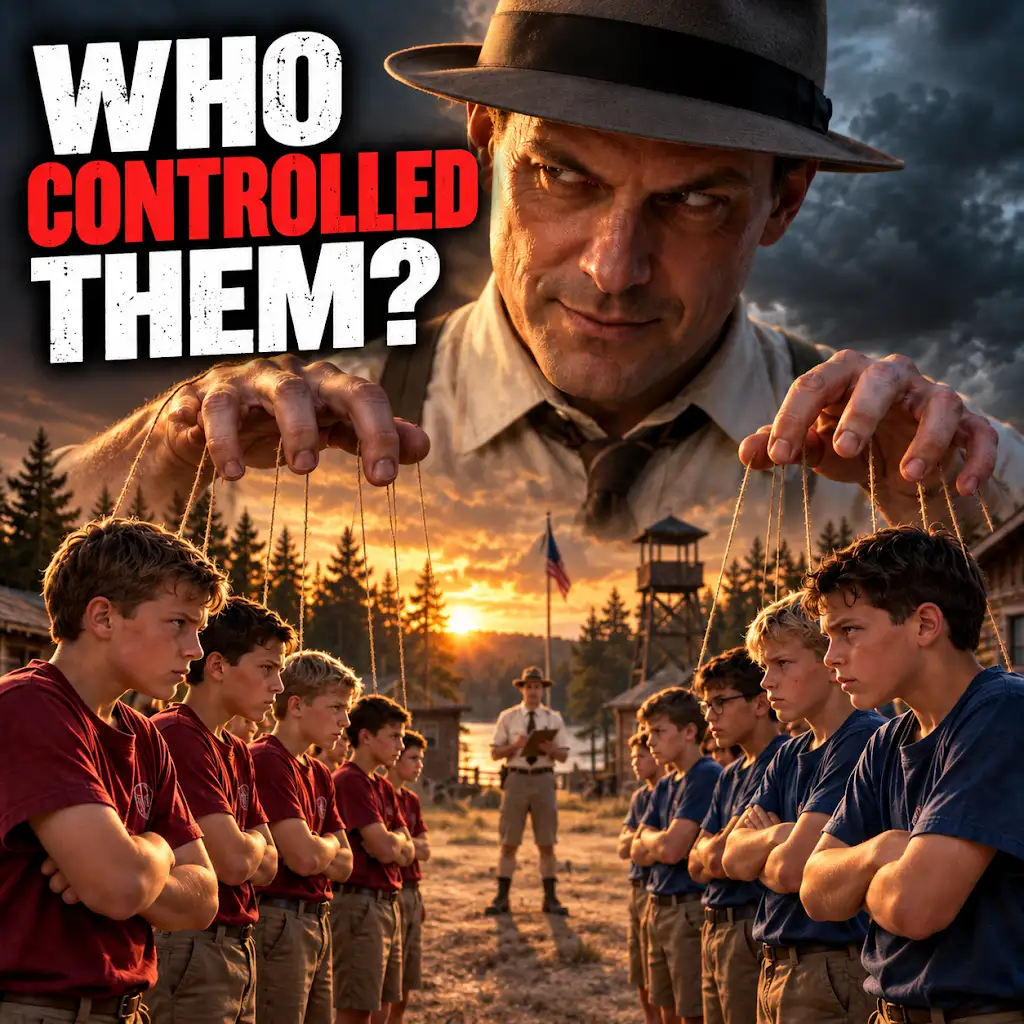
The Robbers Cave experiment, conducted by Muzafer and Carolyn Sherif and their colleagues in the summer of 1958 at a boys’ summer camp in Robbers Cave State Park, Oklahoma, provided a compelling and ethically debated empirical demonstration of Realistic Conflict Theory. The experiment involved approximately 200 eleven- and twelve-year-old boys, initially screened for psychological well-being and without prior knowledge of each other. The study was designed in three distinct stages, each meticulously crafted to observe the development and resolution of intergroup conflict.
Stage 1: Group Formation and Identity
The initial phase of the Robbers Cave experiment focused on the formation of cohesive ingroups. The boys were randomly assigned to one of two groups, dubbed the “Rattlers” and the “Eagles.” They were unaware of the existence of the other group for the first few days. During this period, the boys engaged in activities that fostered a sense of shared identity, camaraderie, and ingroup loyalty. They developed their own names, flags, and rituals. This stage was crucial for establishing strong ingroup bonds, which would later serve as a foundation for the intergroup dynamics.
Realistic conflict theory, which explains how intergroup conflict arises from competition over limited resources, is vividly illustrated in the Robbers Cave experiment. This landmark study conducted by Muzafer Sherif in the 1950s demonstrated how two groups of boys developed hostility and prejudice towards each other when placed in competitive situations. For a deeper understanding of this theory and its implications, you can explore a related article that delves into the nuances of group dynamics and conflict resolution strategies. To read more about it, visit this insightful resource.
Development of Ingroup Norms and Cohesion
In the absence of any external stimuli, the boys within each cabin naturally began to develop their own unique social structures and norms. They elected leaders, established rules, and engaged in cooperative activities that solidified their bonds. This process of ingroup formation is a fundamental aspect of social psychology, demonstrating how quickly individuals can form a collective identity when provided with shared experiences and goals. The sense of belonging and shared purpose was paramount in this initial stage.
Establishing Ingroup Status and Hierarchy
Within each group, informal hierarchies and status differentials naturally emerged. Some boys became more influential, their opinions carrying more weight, while others took on supporting roles. This internal stratification, while not directly related to intergroup conflict at this point, demonstrates the inherent tendency for social organization within groups. It also highlights how individuals within a group define and understand their place relative to their peers.
Stage 2: Intergroup Conflict Erupts
The second stage of the Robbers Cave experiment introduced intergroup competition and the emergence of conflict. The existence of the other group was revealed, and a series of competitive games and activities were organized between the Rattlers and the Eagles. The prizes for these competitions, such as pocketknives and medals, were scarce, meaning only one group could win. This setup was designed to directly trigger the conditions predicted by Realistic Conflict Theory.
The Introduction of Competitive Games
The Sherifs introduced a tournament with various games, including tug-of-war, baseball, and treasure hunts. The scoring was designed so that only one group could achieve overall victory. The researchers observed as the initial curiosity and tentative interactions between the groups quickly devolved into intense rivalry and hostility. The scarcity of the prizes, combined with the competitive framing, created a direct
How 22 Boys Were Turned Into Enemies

FAQs
What is the realistic conflict theory?
The realistic conflict theory is a social psychological theory that explains intergroup conflict as a result of competition over limited resources, leading to hostility and prejudice between groups.
What is the Robbers Cave experiment?
The Robbers Cave experiment was a classic study conducted by social psychologist Muzafer Sherif in 1954, which aimed to investigate intergroup conflict and cooperation among groups of boys at a summer camp in Robbers Cave State Park, Oklahoma.
What were the key findings of the Robbers Cave experiment?
The key findings of the Robbers Cave experiment included the emergence of intergroup hostility and prejudice when the boys were divided into separate groups and made to compete against each other for limited resources. However, cooperation and reduced hostility were observed when the boys were given tasks that required them to work together towards a common goal.
How does the Robbers Cave experiment support the realistic conflict theory?
The Robbers Cave experiment supports the realistic conflict theory by demonstrating how intergroup conflict can arise from competition over limited resources, leading to negative attitudes and behaviors towards out-group members. The study highlights the role of competition in exacerbating intergroup tensions.
What are the implications of the Robbers Cave experiment and realistic conflict theory?
The Robbers Cave experiment and realistic conflict theory have important implications for understanding and managing intergroup conflicts in various contexts, such as in schools, workplaces, and communities. By recognizing the role of competition and limited resources in fueling intergroup conflict, interventions can be designed to promote cooperation and reduce prejudice between groups.