
You’ve been ghosted. The words hang heavy in the air, a phantom limb of a connection that once felt so real. You’re left adrift in a sea of silence, the echoes of unanswered texts and unheard voicemails mocking your need for understanding. This isn’t just a casual fade-out; this is a deliberate act of erasure, leaving you with a gnawing void where explanations should be.
It began so innocently, didn’t it? A shared laugh, a deep conversation, a spark that ignited into something you believed was genuine. You invested your time, your emotions, your hopes. You started to picture a future, or at least the next chapter, with this person. Then, as abruptly as the sun can disappear behind a storm cloud, they vanished. The messages that once flowed freely now tumble into a digital abyss. The calls go unanswered, ringing out into a void that screams of their absence.
The Shockwave of Disappearance
Your first reaction is likely disbelief. Surely, there’s a logical explanation. Their phone died. They’re in a remote area with no service. They’re swamped with work. Your mind scrambles to construct plausible scenarios, desperately clinging to the belief that this isn’t intentional. You might even check their social media, looking for any sign of life, any hint of what might have happened. But the digital footprint is either scrubbed clean or eerily normal, as if you never existed in their online world. This disconnect between your lived experience and their apparent reality is a gut punch.
The Psychological Toll of Ambiguity
This sudden silence isn’t just inconvenient; it’s psychologically devastating. Humans are wired for understanding. We crave closure, especially when it comes to relationships, even nascent ones. Without answers, your brain begins to play a dangerous game of “what if.” You replay every interaction, dissecting every word, searching for clues you might have missed. Was it something you said? Something you did? The lack of concrete information allows your imagination to run wild, filling the void with your deepest insecurities and fears. This can lead to significant anxiety, self-doubt, and a pervasive sense of unease that colors your everyday life.
Experiencing ghosting can leave individuals feeling confused and hurt, often leading to a lack of closure in their emotional journey. This phenomenon is explored in depth in the article found at Unplugged Psych, which discusses the psychological impact of being ghosted and why it can be so challenging to move on. The article highlights how unanswered questions and unresolved feelings can linger, making it difficult for individuals to find the closure they seek after such abrupt endings in relationships.
The Echo Chamber of Unanswered Questions
The silence isn’t empty; it’s filled with the deafening roar of questions that have no answers. You’re trapped in an echo chamber, your own thoughts bouncing back at you, amplified by the absence of external input. Each unanswered message is a brick in the wall that’s been built between you, a wall of your own making, constructed from the bricks of your unanswered questions.
“Why Did You Leave?” – The Ultimate Enigma
This is the question that plagues you the most. You replay your interactions, searching for a reason, any reason, that could justify their abrupt departure. Was it a sudden change of heart? Did they meet someone else? Did something happen in their life that made them withdraw? The absence of an answer allows these possibilities to fester, each one more painful than the last. You’re left to invent scenarios, none of which offer any real comfort because they are pure conjecture.
“What Was I To You?” – Redefining Your Worth
When someone ghost you, they effectively erase your significance in their life. This forces you to confront the question of what you meant to them. Were you just a passing distraction? A convenience? A placeholder? The lack of a definitive answer can lead to a profound devaluation of your own worth. You start to question your own judgment, your ability to discern genuine connection from fleeting infatuation. This can be a deeply damaging experience, impacting your self-esteem and your willingness to open yourself up to others in the future.
“Did I Do Something Wrong?” – The Quest for Self-Blame
This is perhaps the most insidious question, as it leads you down a rabbit hole of self-blame. You meticulously re-examine every conversation, every text, every nuance of your interactions. You look for any perceived misstep, any moment where you might have inadvertently pushed them away. The problem with this approach is that it assumes their departure is solely your responsibility. Ghosting is a choice made by the ghoster, and while self-reflection is important, assigning blame where it doesn’t belong is counterproductive and deeply harmful to your healing process.
The Lingering Aftermath: The Scars That Remain

Ghosting isn’t just a temporary inconvenience; it leaves scars. These are not physical wounds, but rather emotional and psychological ones that can take a long time to heal. The experience can fundamentally alter your perception of relationships and your trust in others.
Erosion of Trust: A Foundation Shattered
The most significant scar left by ghosting is the erosion of trust. You were vulnerable, you invested in a connection, and that investment was met with abandonment. This creates a deep-seated suspicion of future interactions. You may find yourself constantly on guard, questioning the sincerity of others’ intentions, and hesitating to open yourself up fully. The belief that people will simply disappear without explanation can make it incredibly difficult to build new, meaningful connections.
The Phantom Limb Syndrome of Relationships
You experience a peculiar form of “phantom limb syndrome” in the context of relationships. The connection is gone, but the emotional presence of the person lingers. You might still find yourself reaching for your phone to share something with them, only to remember their absence. Their voice might pop into your head during mundane moments, and the absence of their response creates a pang of sadness. This constant reminder of what was lost, without any resolution, can be incredibly painful and prolong the grieving process.
The Difficulty in Moving On: Stuck in Limbo
Without closure, moving on becomes an arduous, if not impossible, task. You’re left in a perpetual state of limbo, unable to fully close the chapter because it was never properly concluded. The unresolved feelings and unanswered questions act as anchors, tethering you to the past and preventing you from fully embracing the present and future. This can manifest as a general malaise, a lack of motivation, and an inability to find joy in activities that once brought you happiness.
The Search for Closure: A Difficult and Often Lonely Journey

The desire for closure is a natural and healthy response to being ghosted. It’s your mind’s way of trying to make sense of a senseless situation and to begin the process of healing. However, the journey to find closure after being ghosted is rarely straightforward and often involves navigating a landscape of your own making.
The Futility of Direct Confrontation
In your desperation for answers, you might be tempted to confront the ghoster directly. You might send a barrage of messages, express your hurt, or even try to engineer a chance encounter. While the urge is understandable, it’s often a futile endeavor when dealing with someone who has chosen to ghost. Their silence is a deliberate act of avoidance, and they are unlikely to respond to your pleas for explanation. This can lead to further disappointment and a feeling of helplessness.
The Power of Self-Created Closure: Reclaiming Your Narrative
Since external closure is unlikely, you must find it within yourself. This involves a conscious effort to reframe the narrative and reclaim your own story. It’s about understanding that their actions are a reflection of them, not a judgment of your worth. This process can be challenging and requires a significant amount of self-compassion and resilience.
Acceptance of the Unexplainable
The first step towards self-created closure is accepting that you may never get the answers you so desperately crave. This is a difficult pill to swallow, but it’s essential for moving forward. You must release the need for a definitive explanation and acknowledge that their behavior is ultimately beyond your control.
Reinterpreting the Experience: From Victim to Survivor
Shift your perspective from being a victim of their actions to a survivor who has navigated a difficult experience. You are not defined by their ghosting; you are defined by your ability to overcome it. Focus on the lessons learned and the strength you’ve gained from this challenge.
Focusing on the Positive Aspects of Your Life
When you’re consumed by unanswered questions, it’s easy to lose sight of the good in your life. Actively focus on the positive aspects: your friendships, your hobbies, your career, your personal growth. Remind yourself of all the things that bring you joy and fulfillment, independent of the person who ghosted you.
Experiencing ghosting can leave individuals feeling confused and hurt, often leading to a struggle for closure. This emotional turmoil arises because unanswered questions linger, making it difficult to move on. For a deeper understanding of why closure is elusive after being ghosted, you might find this article on emotional healing helpful. It explores the psychological impact of being cut off without explanation and offers insights into the healing process. To read more about this topic, check out the article here.
Rebuilding and Moving Forward: A Path to Healing
| Reasons for not getting closure after being ghosted |
|---|
| Feeling of rejection and abandonment |
| Lack of understanding the other person’s motives |
| Difficulty in moving on without an explanation |
| Unanswered questions and uncertainty about the relationship |
| Impact on self-esteem and confidence |
The process of rebuilding and moving forward after being ghosted is a marathon, not a sprint. It requires patience, self-care, and a willingness to re-engage with the world, albeit with a newfound awareness.
Prioritizing Self-Care and Well-being
This is a crucial time to prioritize your mental and emotional well-being. Engage in activities that nurture your soul: exercise, meditation, spending time in nature, creative pursuits. Surround yourself with supportive friends and family who can offer comfort and understanding. Don’t hesitate to seek professional help from a therapist or counselor if you’re struggling to cope.
Re-establishing Boundaries and Trust in Future Relationships
As you begin to open yourself up to new connections, it’s important to re-establish healthy boundaries. Be clear about your expectations and communicate them early on. Observe how people respond to your boundaries – this can be a good indicator of their respect and reliability. While your trust may have been shaken, try not to let it become a fortress that prevents you from forming new, genuine connections. Remember that not everyone is a ghoster, and there are good, communicative people out there.
Embracing the Lessons Learned and Forging Ahead
Every experience, no matter how painful, offers an opportunity for growth. You’ve learned valuable lessons about resilience, self-worth, and the importance of clear communication in relationships. Use these lessons to forge ahead, becoming a stronger, wiser, and more discerning individual. The sting of ghosting can fade, and with time and conscious effort, you can move forward, leaving the unanswered questions in the past and stepping into a future filled with the promise of genuine connection and well-deserved closure.
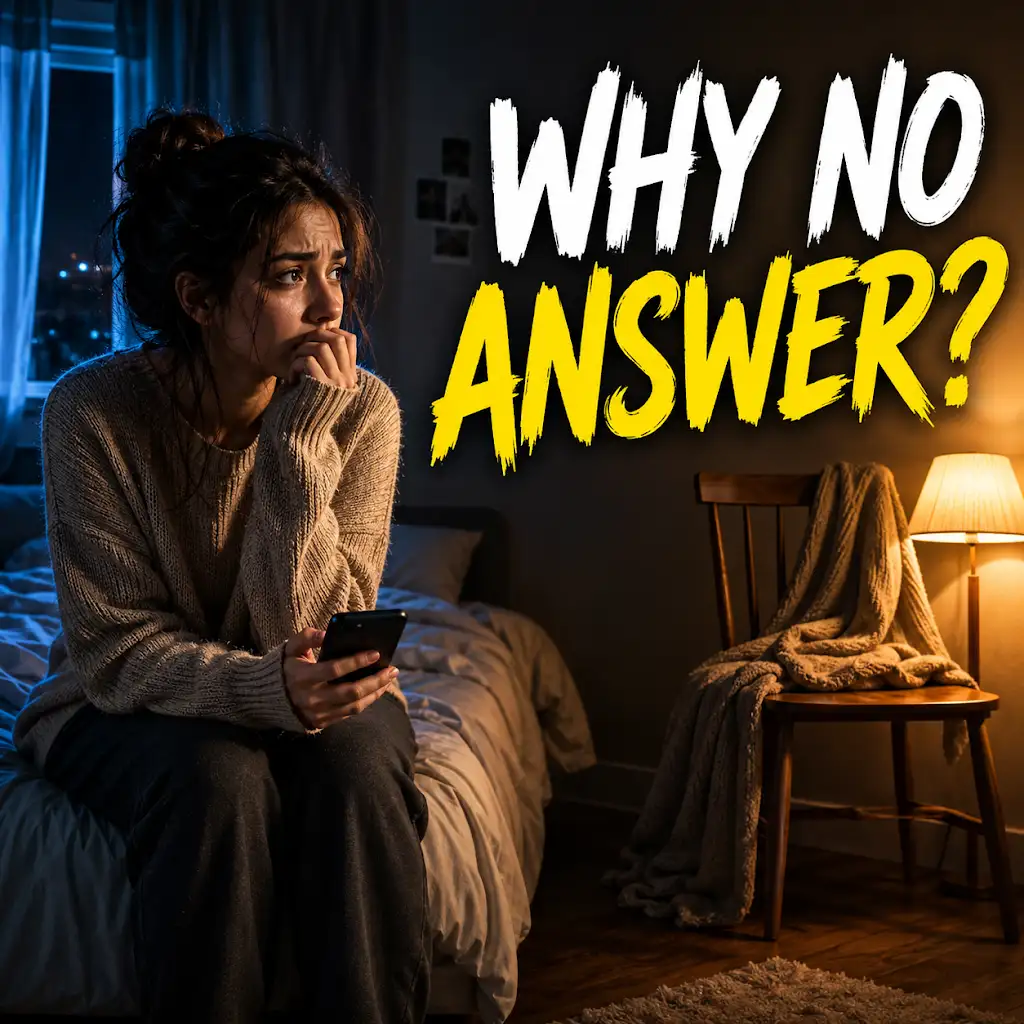
Why Your Brain Can’t Let Go When Someone Ignores You
FAQs
1. What is ghosting?
Ghosting is the act of suddenly ending all communication with someone without any explanation or warning. This often occurs in dating or romantic relationships, but can also happen in friendships or professional relationships.
2. Why is it difficult to get closure after being ghosted?
It is difficult to get closure after being ghosted because the lack of explanation or communication leaves the person feeling confused, hurt, and with unanswered questions. Without a clear understanding of why the ghosting occurred, it can be challenging to move on and find resolution.
3. What are the emotional effects of being ghosted?
Being ghosted can lead to feelings of rejection, abandonment, and low self-worth. It can also create trust issues and make it difficult for the person to open up to new relationships in the future.
4. How can one cope with the lack of closure after being ghosted?
Coping with the lack of closure after being ghosted involves focusing on self-care, seeking support from friends or a therapist, and allowing oneself to grieve the loss of the relationship. It is important to recognize that closure may not come from the person who ghosted, but rather from within oneself.
5. What are some healthy ways to move on after being ghosted?
Healthy ways to move on after being ghosted include setting boundaries for oneself, engaging in activities that bring joy and fulfillment, and being open to new connections. It is also important to reflect on the experience and learn from it, rather than blaming oneself for the ghosting.