
Your personality, the unique constellation of traits, behaviors, and patterns of thought that define you, is not a static entity etched in stone at birth. Rather, it is a dynamic landscape, continuously shaped by your experiences, actions, and even your intentions. This malleability is underpinned by a fundamental biological principle: neuroplasticity.
Neuroplasticity refers to the brain’s remarkable ability to reorganize itself throughout life. It involves changes in neural pathways and synapses due to new experiences, learning, or even damage. This intrinsic adaptability is not a recent discovery; its foundational principles have been established through extensive research in neuroscience.
Synaptic Plasticity: The Building Blocks of Learning
At the microscopic level, neuroplasticity primarily manifests as synaptic plasticity. Synapses are the junctions between neurons where information is transmitted. Synaptic plasticity involves two main mechanisms:
- Long-Term Potentiation (LTP): This process strengthens synaptic connections, making it easier for neurons to communicate with each other. Imagine a well-worn path in a forest; the more you traverse it, the clearer and more defined it becomes. Similarly, repeated activation of a neural pathway strengthens its synaptic connections.
- Long-Term Depression (LTD): Conversely, LTD weakens synaptic connections, often as a mechanism to prune unused or less relevant pathways. This is akin to an unused path slowly becoming overgrown and less accessible.
Structural Plasticity: Rewiring Your Brain’s Architecture
Beyond the microscopic changes at synapses, neuroplasticity also encompasses macroscopic structural alterations. These include:
- Neurogenesis: The formation of new neurons, primarily in specific brain regions such as the hippocampus, which is crucial for learning and memory. While once believed to be limited to early development, evidence suggests adult neurogenesis occurs, offering further avenues for brain adaptation.
- Dendritic Branching and Sprouting: Neurons can grow new dendrites (tree-like structures that receive signals) and axons (long projections that transmit signals). This essentially increases the “address book” of a neuron, allowing it to connect with a wider range of other neurons.
If you’re interested in exploring the concept of changing your personality through neuroplasticity, you might find the article on Unplugged Psych particularly insightful. It delves into the science behind how our brains can adapt and rewire themselves, offering practical strategies for personal growth and transformation. To read more about this fascinating topic, visit this article.
The Personality-Neuroplasticity Nexus: How Your Brain Shapes Who You Are
The connection between neuroplasticity and personality is profound. Every thought you entertain, every emotion you experience, and every action you undertake contributes to the ongoing remodeling of your neural architecture. This remodeling, in turn, reinforces or alters your personality traits.
Habit Formation: The Neural Superhighways of Behavior
Habits, whether beneficial or detrimental, are prime examples of neuroplasticity in action. When you consistently engage in a particular behavior, the neural pathways associated with that behavior become stronger and more efficient. This is analogous to paving a dirt road into a superhighway; the journey becomes smoother and faster.
- Automaticity: As habits become entrenched, they require less conscious effort and cognitive resources, moving from the realm of deliberate action to automatic response. This neural efficiency allows your brain to conserve energy for novel situations.
- Reinforcement Learning: Dopamine, a neurotransmitter associated with reward, plays a crucial role in habit formation. When a behavior is followed by a positive outcome, dopamine release strengthens the associated neural circuits, making you more likely to repeat that behavior.
Emotional Regulation: Sculpting Your Affective Landscape
Your emotional responses are not fixed; they are subject to transformation through neuroplasticity. Chronic stress, for instance, can prune neural connections in the prefrontal cortex, which is responsible for executive functions and emotional regulation, while simultaneously strengthening connections in the amygdala, a brain region involved in fear and anxiety.
- Cognitive Reappraisal: Techniques like cognitive behavioral therapy (CBT) leverage neuroplasticity by training you to reframe negative thoughts and emotions. This involves consciously activating alternative neural pathways, thereby diminishing the influence of maladaptive emotional responses.
- Mindfulness and Meditation: Regular practice of mindfulness meditation has been shown to increase grey matter density in areas associated with attention, self-awareness, and emotional regulation, while simultaneously decreasing amygdala activity. This suggests a direct impact on the neural underpinnings of emotional experience.
Deliberate Personality Transformation: A Roadmap for Change
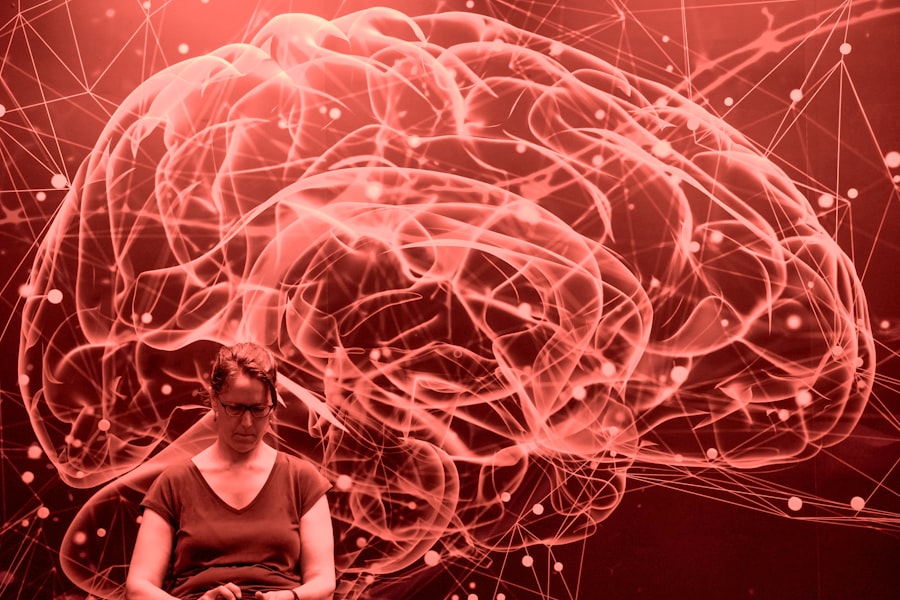
Understanding neuroplasticity empowers you to become an active architect of your own personality. This is not about fundamentally altering your core essence, but rather about refining and optimizing aspects of your character that you wish to enhance or modify.
Identification of Desired Traits: Defining Your Target
The first step in deliberate personality transformation is to clearly identify the traits you wish to cultivate or diminish. This requires introspection and self-awareness.
- Self-Assessment: Utilize personality inventories, journaling, or feedback from trusted individuals to gain a comprehensive understanding of your current personality profile.
- Goal Setting: Define specific, measurable, achievable, relevant, and time-bound (SMART) goals for your desired personality changes. Instead of a vague desire to be “happier,” aim for specific actions that contribute to happiness, such as engaging in a hobby you enjoy three times a week.
Conscious Habit Formation: Building New Neural Pathways
Once you’ve identified your desired traits, the next step is to actively implement behaviors that align with those traits. This involves consciously overriding established patterns and forging new neural pathways.
- Micro-Behaviors: Start with small, manageable actions that can be consistently practiced. If you aim to be more assertive, begin by expressing your opinion in a low-stakes situation rather than immediately confronting a major conflict. These small victories accumulate and reinforce the new neural circuits.
- Environmental Cues: Shape your environment to support your desired changes. If you want to read more, place books in prominent locations. If you want to reduce screen time, move your phone out of your bedroom. These external nudges facilitate internal shifts.
Learning and Skill Acquisition: Expanding Your Cognitive Repertoire
Acquiring new knowledge and developing new skills is a potent catalyst for neuroplasticity and, consequently, personality transformation. Learning a new language, mastering a musical instrument, or delving into a complex academic subject actively rewires your brain.
- Cognitive Challenge: Engaging in activities that push your cognitive boundaries stimulates neurogenesis and strengthens synaptic connections, particularly in areas related to learning, memory, and executive function.
- Growth Mindset: Adopting a growth mindset, the belief that your abilities and intelligence can be developed through dedication and hard work, fosters a proactive approach to learning and personality development. This contrasts with a fixed mindset, which perceives abilities as inherent and unchangeable.
Overcoming Obstacles to Change: Navigating the Neural Terrain

While neuroplasticity offers immense potential for transformation, the process is not without its challenges. Understanding common impediments can help you navigate them more effectively.
The Brain’s Tendency Towards Efficiency: The Path of Least Resistance
Your brain is remarkably efficient and prefers to operate along well-established neural pathways. This “path of least resistance” can make it difficult to break old habits and form new ones.
- Cognitive Load: When consciously attempting to change a behavior, you expend significant cognitive resources. This can lead to decision fatigue and make you more susceptible to reverting to old patterns, especially under stress.
- Automaticity of Old Habits: Deeply ingrained habits operate with minimal conscious thought. Overriding these automatic responses requires consistent and deliberate effort. Think of it like trying to reroute a river; it takes continuous digging and redirection to alter its flow.
Emotional Resistance: The Comfort of Familiarity
Beyond the purely physiological aspects, emotional resistance can significantly hinder personality change. This often stems from a fear of the unknown, a preference for the familiar, even if it is suboptimal.
- Identity Threat: Introducing substantial changes to your personality can feel like a threat to your sense of self or identity. You might unconsciously resist changes that challenge deeply held beliefs about who you are.
- Fear of Failure: The prospect of failing in your attempts to change can be a powerful deterrent. This fear can lead to procrastination or self-sabotage, reinforcing existing patterns.
The Power of Environment: External Reinforcement and Deterrence
Your external environment plays a critical role in shaping and maintaining your personality. The people you interact with, the places you frequent, and the culture you inhabit can either support or hinder your transformative efforts.
- Social Reinforcement: If your social circle reinforces old, undesirable traits, it can be significantly harder to enact change. Conversely, a supportive environment that encourages and celebrates your growth can accelerate the process.
- Cue Richness: Environments rich in cues that trigger old habits can make change particularly challenging. For example, if you are trying to reduce sugar intake, a kitchen filled with tempting treats will be a constant battleground. Reshaping your environment to remove such cues is often a crucial step.
If you’re interested in exploring how to change your personality through neuroplasticity, you might find a related article on the topic particularly insightful. This piece delves into the science behind neuroplasticity and offers practical tips for reshaping your thoughts and behaviors. For more information, you can check out the article at Unplugged Psych, where you will discover various strategies to harness the power of your brain’s adaptability.
Sustaining Transformation: Cementing Your New Self
| Metric | Description | Example/Method | Estimated Timeframe | Effectiveness |
|---|---|---|---|---|
| Repetition Frequency | Number of times a new behavior or thought pattern is practiced daily | Daily journaling or mindfulness practice | Daily, 20-30 minutes | High – Consistent repetition strengthens neural pathways |
| Mindfulness Meditation | Practice of focused attention to increase self-awareness and emotional regulation | Guided meditation sessions | 8 weeks, 10-20 minutes per day | Moderate to High – Improves emotional control and reduces stress |
| Cognitive Behavioral Therapy (CBT) | Structured therapy to change negative thought patterns | Weekly therapy sessions with homework exercises | 12-16 weeks | High – Proven to alter thought and behavior patterns |
| Learning New Skills | Engaging in novel activities to create new neural connections | Learning a musical instrument or new language | Months to years, depending on skill | Moderate – Enhances cognitive flexibility and personality traits |
| Positive Affirmations | Repeated positive statements to influence subconscious beliefs | Morning affirmations repeated 3-5 times daily | Several weeks to months | Low to Moderate – Supports gradual mindset shifts |
| Physical Exercise | Regular physical activity to boost brain plasticity and mood | 30 minutes of aerobic exercise, 3-5 times per week | Ongoing | High – Enhances neurogenesis and emotional resilience |
Transforming your personality is not a one-time event but an ongoing process of maintenance and reinforcement. Like tending a meticulously cultivated garden, continuous attention is required to prevent weeds from taking root and to ensure your desired traits flourish.
Continuous Learning and Growth: The Ever-Evolving Brain
The brain’s neuroplasticity extends throughout your lifespan, meaning you never truly stop learning or evolving. Embracing a mindset of continuous growth is essential for sustaining personality changes.
- Seeking Novelty: Actively engaging in new experiences, learning new skills, or exploring unfamiliar domains continues to stimulate neuroplasticity and keeps your brain adaptable.
- Self-Correction and Reflection: Regularly evaluate your progress, identify areas for improvement, and adjust your strategies as needed. This iterative process allows for refinement and optimization of your newly cultivated traits.
Reinforcement and Reward: Strengthening New Pathways
Just as negative habits are reinforced by certain outcomes, positive habits and personality traits can be strengthened through deliberate reinforcement.
- Intrinsic Motivation: Cultivate an internal sense of satisfaction and fulfillment derived from embodying your desired traits. This intrinsic reward is a powerful and sustainable motivator.
- Positive Feedback Loops: Create systems that provide positive feedback for your efforts. This could involve tracking your progress, celebrating small victories, or engaging with a supportive community that acknowledges your growth.
Mindfulness and Self-Compassion: Nurturing Your Inner Architect
The journey of personality transformation can be demanding. Practicing mindfulness and self-compassion is crucial for navigating setbacks and maintaining motivation.
- Mindful Awareness: Develop an awareness of your thoughts, emotions, and behaviors without judgment. This allows you to identify old patterns emerging and consciously choose to respond differently.
- Self-Compassion: Treat yourself with kindness and understanding, especially during moments of perceived failure or difficulty. Recognize that setbacks are an inevitable part of any growth process and offer yourself the same support you would extend to a friend.
Ultimately, your personality is a living, breathing entity, perpetually shaped by the intricate dance of neurons within your brain. By understanding and harnessing the principles of neuroplasticity, you possess the profound capability to consciously sculpt your character, paving the way for a more intentional and fulfilling existence. Your brain is not merely a recorder of your experiences; it is an active participant in creating your future self. Embrace this power, and become the architect of your own evolving personality.
FAQs
What is neuroplasticity?
Neuroplasticity is the brain’s ability to reorganize itself by forming new neural connections throughout life. This allows the brain to adapt to new experiences, learn new information, and recover from injuries.
Can neuroplasticity really help change personality traits?
Yes, neuroplasticity can facilitate changes in personality traits by enabling the brain to develop new patterns of thinking, feeling, and behaving. Consistent practice of new habits and thought processes can gradually reshape neural pathways associated with personality.
What techniques are commonly used to change personality through neuroplasticity?
Common techniques include mindfulness meditation, cognitive-behavioral therapy (CBT), deliberate practice of new behaviors, positive affirmations, and engaging in new experiences that challenge existing thought patterns.
How long does it take to see personality changes using neuroplasticity?
The time frame varies depending on the individual and the specific traits targeted. Generally, noticeable changes can take weeks to months of consistent effort, as the brain requires repeated practice to strengthen new neural connections.
Are there any risks associated with trying to change your personality through neuroplasticity?
When approached thoughtfully and with professional guidance if needed, changing personality through neuroplasticity is generally safe. However, attempting drastic changes without support or using unproven methods may lead to frustration or emotional distress.